There are seven main types of coffee makers sold in the US right now: drip, single-serve pod, espresso, French press, pour-over, cold brew, and percolator. The right one depends on how many cups you drink, how much counter space you have, and whether you want speed or flavor control. This guide breaks down every type so you can pick the exact machine for your morning routine.
How We Compared These Coffee Makers
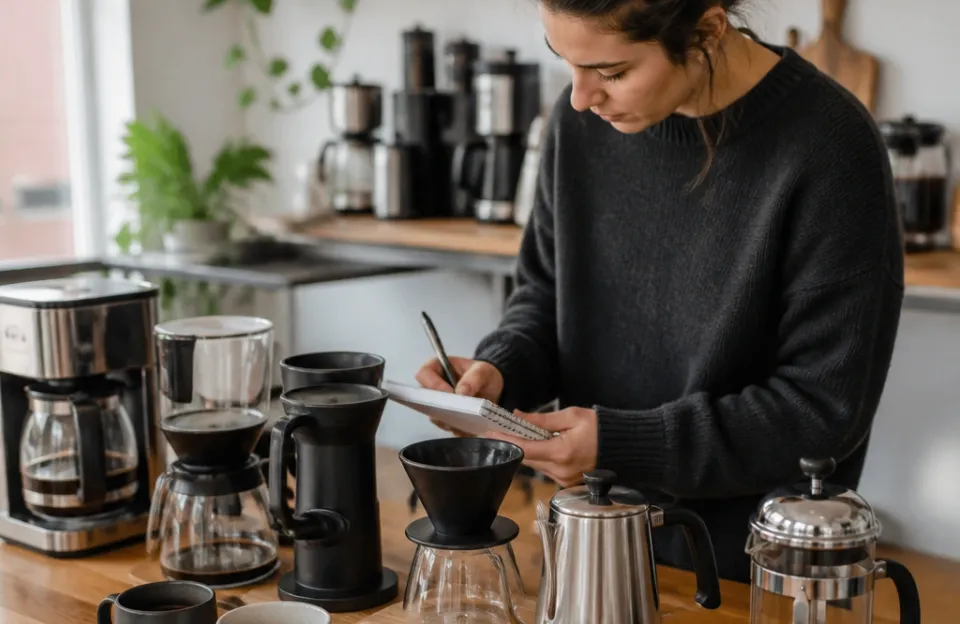
We looked at brewing method, typical capacity, cleanup effort, counter footprint, and what kind of coffee each machine actually produces. Price tiers matter too. A basic drip machine costs under $30, while a high-end espresso setup runs over $1,500.
We also checked common owner complaints for each category to find where machines usually fail. If you already know you want espresso specifically, we have a separate breakdown of espresso machine styles that goes deeper into pump versus manual models.
Here is a quick reference before we get into the details.
| Type | Brew Time | Typical Capacity | Cleanup Effort | Best For |
|---|---|---|---|---|
| Drip | 5 to 10 minutes | 4 to 12 cups | Low | Families, daily drinkers |
| Single-Serve Pod | 1 to 2 minutes | 1 cup | Very low | Solo drinkers, speed |
| Espresso | 1 to 3 minutes | 1 to 2 shots | Medium to High | Lattes, cappuccinos |
| French Press | 4 to 5 minutes | 3 to 8 cups | Medium | Full-bodied black coffee |
| Pour-Over | 3 to 5 minutes | 1 to 3 cups | Low | Flavor detail, ritual |
| Cold Brew | 12 to 24 hours | 4 to 8 cups | Low | Iced coffee lovers |
| Percolator | 7 to 10 minutes | 6 to 12 cups | Medium | Large groups, strong coffee |
Drip Coffee Makers
Drip machines are the standard in most American kitchens. You put ground coffee in a paper or metal filter, fill the water reservoir, and press a button. The machine heats the water and drips it over the grounds into a carafe below.
They come in two main styles. Glass carafes sit on a hot plate that keeps the coffee warm. Thermal carafes are insulated stainless steel jugs that hold heat without a warming plate.
Thermal models generally taste better after an hour because hot plates tend to cook the coffee and make it bitter.
A standard full-size model brews 10 to 12 cups. A "cup" in coffee maker terms is usually 5 ounces, not 8. So a 12-cup machine makes about 60 ounces of liquid.
If you live alone or just want one mug, smaller 4-cup or 5-cup drip machines take up less room and use less power.
The biggest advantage here is convenience. Many models have programmable timers. You load the water and grounds the night before, and the machine starts brewing at 6 AM.
The downside is control. Water temperature matters for good extraction. The National Coffee Association recommends brewing between 195 and 205 degrees Fahrenheit.
Cheap drip machines often peak around 185 degrees, resulting in flat, weak coffee. Look for models with a specific heating element rating if flavor matters to you.
Cleanup is simple. Toss the paper filter and rinse the carafe. If you use a permanent mesh filter, wash it out so oils do not build up and turn rancid.
Who should buy this: Households that drink multiple cups a day. People who want to set a timer and walk away.
Who should skip it: Anyone who only drinks one cup at a time, or someone who wants café-style milk drinks.
Single-Serve Pod Machines
Pod brewers changed the market by making coffee as fast as pushing a button. You insert a sealed plastic or aluminum capsule, close the lid, and the machine forces hot water through it directly into your mug. Keurig is the dominant brand in the US, though Nespresso holds a large share of the premium pod market.
Speed is the main selling point. Most pod machines brew a cup in under 60 seconds. There is no measuring, no spilling grounds, and no washing a carafe.
You just throw the pod away.
This convenience has limits. The coffee inside pods is pre-ground and sits in packaging for months. It rarely tastes as fresh as beans you grind yourself.
Pods also cost significantly more per cup than buying bags of whole bean or ground coffee. A standard bag of coffee might cost 30 cents per cup. A name-brand pod often costs 60 to 90 cents per cup.
Environmental impact is another factor. Billions of plastic pods end up in landfills every year. Some brands offer recycling programs, but you have to separate the foil lid, empty the wet grounds, and wash the plastic cup first.
Reusable pods exist. You fill them with your own grounds, which cuts the cost and waste, but they require cleaning after every use. That defeats part of the convenience.
When shopping for these, pay attention to pod compatibility. Keurig K-Cups do not fit Nespresso machines, and vice versa. Check which pods are easy to find at your local grocery store before committing to a specific machine.
Also, keep your kitchen appliances clean and free of chemical residue when brewing; knowing which materials touch your food matters across all countertop devices.
Who should buy this: People who drink one cup at a time and prioritize speed above all else. Office breakrooms.
Who should skip it: Coffee purists. Budget-conscious shoppers. Anyone trying to reduce household plastic waste.
Espresso Machines
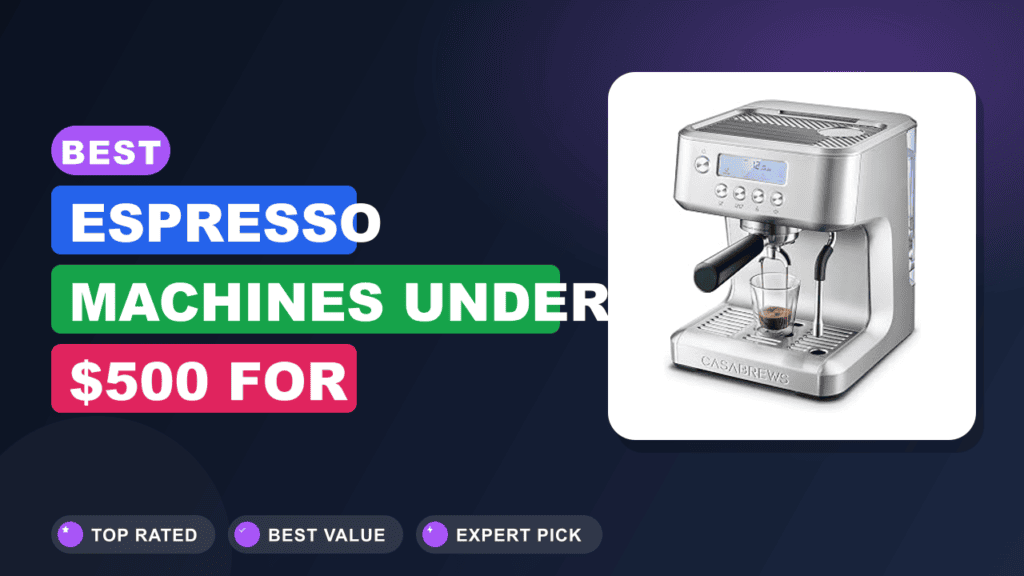
Espresso is a brewing method, not a type of bean. An espresso machine forces nearly boiling water through finely ground coffee at high pressure, usually 9 bars (about 130 pounds per square inch). This extracts a thick, concentrated shot topped with a layer of golden foam called crema.
These machines fall into three categories.
Manual lever machines require you to pull a physical lever to generate pressure. They have a steep learning curve but give total control.
Semi-automatic machines have an electric pump. You grind the coffee, tamp it into a portafilter, lock it in, and push a button to start the water flow. You stop the flow yourself.
This is the most popular type for home baristas.
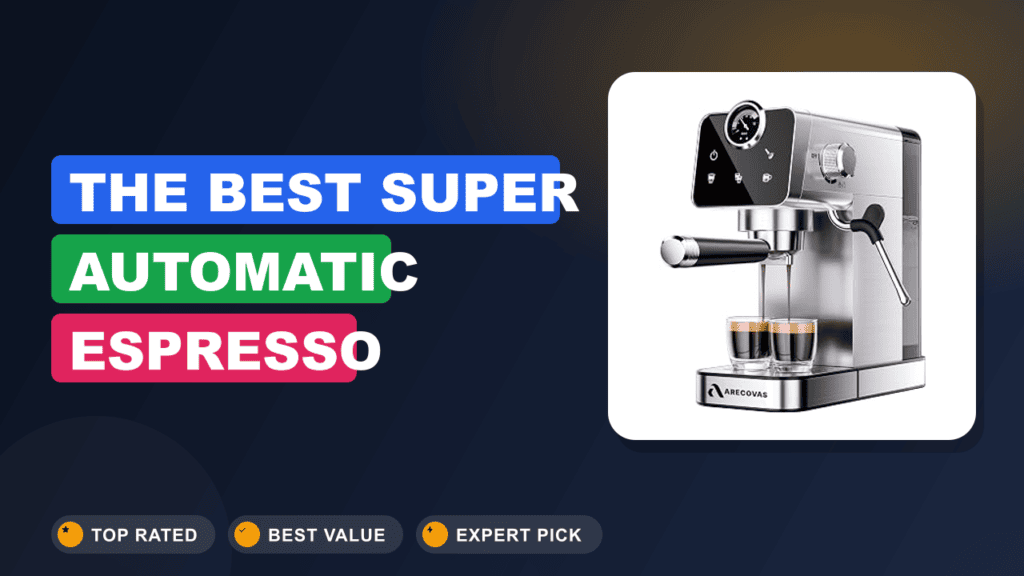
Super-automatic machines handle everything. They have built-in grinders, tamp the coffee automatically, brew the shot, and often steam the milk for you. They are expensive and harder to repair if the internal grinder breaks.
Espresso machines take up significant counter space. They also require maintenance. You must backflush the group head with a blind filter and cleaning powder regularly.
Milk wands need immediate wiping and purging after steaming to prevent bacteria growth.
If you want lattes or cappuccinos at home, this is the only type of coffee maker that produces real espresso. Everything else makes strong coffee, which is different. Keep in mind that adding milk-based drinks means dealing with dairy splatters, so pairing your setup with safe kitchen habits, like knowing how to handle raw proteins nearby, helps maintain a hygienic prep area.
Who should buy this: People who love café drinks and enjoy learning a new skill. Those willing to spend time dialing in grind size and tamp pressure.
Who should skip it: Anyone who wants a quick, zero-effort morning cup. Shoppers on a strict budget.
French Press
A French press is a glass or stainless steel beaker with a plunger. The plunger has a metal mesh screen attached to it. You add coarse coffee grounds, pour in hot water, let it steep for four minutes, and press the plunger down.
The mesh pushes the grounds to the bottom while the brewed coffee stays on top.
Because there is no paper filter, the natural coffee oils pass straight into your cup. This creates a heavy, rich body that drip machines cannot replicate. You taste more of the bean's natural character.
The catch is sediment. Even with a good plunge, fine particles slip through the mesh. The last sip in your mug will be gritty.
If you hate texture in your coffee, a French press will frustrate you.
Grind size is critical here. If your grounds are too fine, they clog the mesh screen. Pressing becomes hard, and the coffee turns bitter from over-extraction.
You need a coarse grind, similar to sea salt. A burr grinder works best for this. Blade grinders chop unevenly, leaving dust that slips through the filter.
French presses do not keep coffee hot. Once you press it, pour the entire batch into a thermal carafe or mugs immediately. Leaving the coffee sitting on the grounds continues the extraction process and ruins the flavor within minutes.
Cleaning takes more effort than a drip machine. You have to scoop or dump the wet grounds out and disassemble the plunger screen to wash away trapped oils.
Who should buy this: Drinkers who prefer bold, full-bodied black coffee. Campers (stainless steel models travel well).
Who should skip it: People who dislike sediment. Anyone who wants to brew a pot and leave it warm on the counter for hours.
Pour-Over Coffee Makers
Pour-over is a manual drip method. You place a cone-shaped dripper over a mug or carafe, insert a paper filter, add medium-fine grounds, and slowly pour hot water over them in circles. Popular designs include the Hario V60, Chemex, and Kalita Wave.
This method gives you total control over every variable. You decide the water temperature, the pour speed, and the total brew time. Because of this, pour-over highlights delicate flavors.
Fruity, floral, or bright acidic notes shine here better than in any other brewer.
It requires patience and attention. You cannot press a button and walk away. A standard pour-over takes three to five minutes of active pouring.
Most people use a gooseneck kettle to control the water stream. A regular tea kettle pours too fast and floods the grounds unevenly.
Paper filters remove almost all oils and sediment. The resulting cup is very clean and light. Chemex filters are notably thicker than standard ones, producing an exceptionally clear cup.
Pour-over setups are cheap and small. A plastic dripper costs under $10. A glass Chemex costs around $40.
Neither takes up much cabinet space. However, you will likely need to buy a gooseneck kettle and a scale to get consistent results, which adds to the total cost.
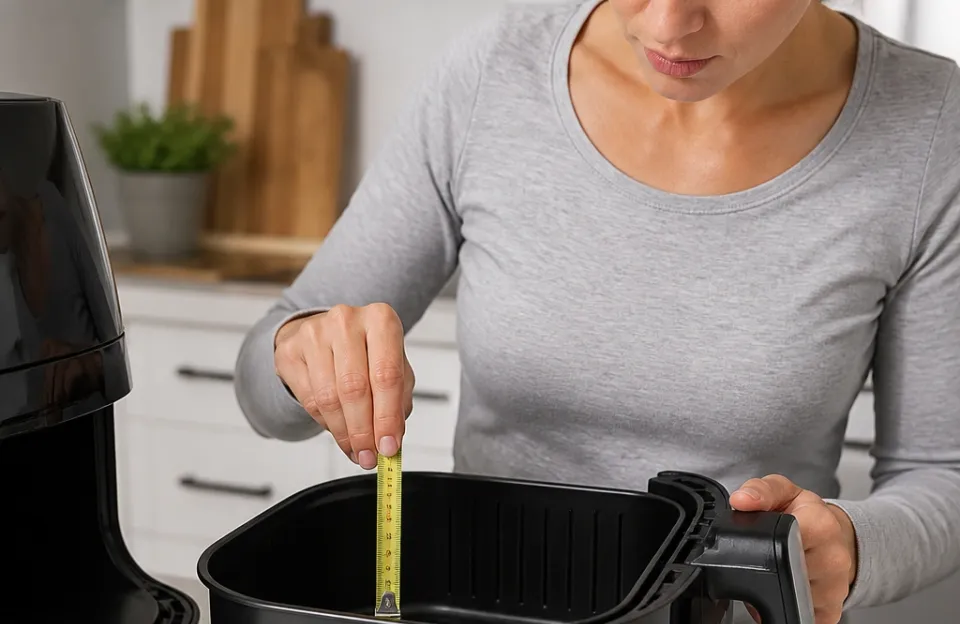
Measuring your water accurately matters here. Just as you would check dimensions before buying the right fitting accessories for other kitchen tools, getting your coffee-to-water ratio precise makes or breaks a pour-over. A common starting point is 1 gram of coffee for every 15 grams of water.
Who should buy this: Coffee enthusiasts who treat brewing as a morning ritual. People who drink light-roast, single-origin beans.
Who should skip it: Anyone rushing out the door. Households needing to brew more than three cups at once quickly.
Cold Brew Makers
Cold brew uses time instead of heat. You soak coarse coffee grounds in cold or room-temperature water for 12 to 24 hours. Then you strain out the grounds.
The result is a smooth, highly caffeinated concentrate that lacks the acidity of hot coffee.
Dedicated cold brew makers are usually tall pitchers with a built-in metal mesh filter basket. You put grounds in the basket, fill the pitcher with water, and leave it in the fridge overnight. In the morning, you lift the basket out, and the coffee is ready.
You can make cold brew in a French press or a mason jar, but dedicated pitchers are easier to store in a crowded refrigerator. Brands like Takeya and OXO make popular models that hold about a quart of liquid.
Cold brew concentrate is strong. Most people dilute it with equal parts water or milk before drinking. Because it steeps cold, it extracts fewer bitter compounds.
This makes it naturally sweeter and very easy to drink, even for people who normally add lots of sugar to hot coffee.
The main drawback is planning. You have to remember to make it the day before. If you run out, you cannot brew a quick backup cup.
It also uses more coffee grounds per batch than hot methods, which increases your bean costs slightly.
Store the finished concentrate in the fridge. It stays fresh for about a week to ten days. Always wash the mesh filter thoroughly after each batch.
Coffee oils cling to metal screens and turn sour if left unwashed.
Who should buy this: Iced coffee drinkers. People sensitive to the acidity of hot coffee. Meal-preppers who want a week of coffee ready in advance.
Who should skip it: Anyone who only drinks hot coffee. People who lack refrigerator space.
Percolators
Percolators are older machines that cycle boiling water through coffee grounds repeatedly. Water boils in the bottom chamber, travels up a vertical tube, splashes over a basket of grounds at the top, and drips back down. This loop continues until you turn off the heat or the machine stops.
They come in stovetop and electric versions. Stovetop models work over a campfire or burner. Electric ones plug into the wall and regulate their own heat.
Percolators make very strong, very hot coffee. Because the water cycles through the grounds multiple times, over-extraction is common. The coffee often tastes robust, slightly bitter, and smoky.
Fans of this method love that heavy punch. Modern specialty coffee drinkers usually avoid it.
They excel at volume. You can easily find 12-cup stovetop models or massive 30-cup electric urns for parties. If you need to feed a crowd on a budget, a percolator does the job without complex electronics.
Watch the heat carefully. If a stovetop percolator boils too violently, coffee grounds escape the basket and end up floating in your cup. Lower the heat once you hear it start to perk steadily.
Electric models handle this better but still produce a harsher cup than a standard drip machine.
Cleaning involves taking apart the stem, basket, and spreader disc. All these pieces need washing to prevent old oil buildup.
Who should buy this: Campers. People hosting large gatherings. Drinkers who prefer extremely strong, traditional diner-style coffee.
Who should skip it: Anyone who prefers light roasts or delicate flavors. People who want precise temperature control.
Choosing Your Coffee Maker By Situation
Reading about the types of coffee makers explained above is only half the step. Picking the right one means matching the machine to your actual life. Use these rules to narrow it down.
If you drink one cup a day and leave the house in ten minutes, buy a single-serve pod machine. The cost per cup is higher, but you waste less coffee throwing away a pod than brewing a full pot you never finish.
If two or more people in your house drink coffee every morning, get a drip machine with a thermal carafe. It handles volume easily, and the thermal jug prevents the burnt taste that hot plates cause.
If you order lattes or cappuccinos at cafes daily, calculate your weekly spending. An entry-level semi-automatic espresso machine pays for itself in a few months compared to cafe prices. Be prepared to practice tamping and steaming milk.
If you buy expensive, light-roast beans from local roasters, use a pour-over setup. Drip machines and percolators flatten those delicate tasting notes. Pour-over lets you taste exactly what the roaster intended.
If you only drink iced coffee in the summer, skip pouring hot coffee over ice. It waters down the drink and shocks the flavor. Buy a dedicated cold brew pitcher instead.
If you go camping frequently, pack a stainless steel French press or a stovetop percolator. Neither needs electricity, and both survive being tossed in a cooler.
Counter space dictates a lot of choices. Measure your available area under the cabinets. Standard US upper cabinets hang 18 inches above the countertop.
Tall espresso machines or large pour-over kettles sometimes hit that limit. If you organize your kitchen tightly, think about how your brewing gear fits alongside other items, much like checking what liner sizes work inside tight spaces when managing appliance footprints.
Water quality affects every machine on this list. If your tap water tastes heavily of chlorine, your coffee will too. Use filtered water for brewing.
Do not use distilled water in espresso machines or pod brewers, as some sensors rely on minerals in the water to detect tank levels. Regular tap water filtered through a standard pitcher works perfectly.
Maintenance is the hidden cost of coffee makers. Descaling removes mineral buildup from hard water. Drip machines and pod brewers need descaling every three to six months.
Espresso machines need it more often depending on usage. Buy descaling solution or use white vinegar, following the manufacturer's instructions. Skipping this step clogs internal tubes and eventually breaks the heating element.
Finally, consider the grinder. Buying whole beans and grinding them right before brewing improves the cup more than upgrading the coffee maker itself. Blade grinders chop beans unevenly.
Burr grinders crush them to a uniform size. If you buy a French press or pour-over dripper, budget for a decent burr grinder too.
Frequently Asked Questions
Which type of coffee maker makes the strongest coffee?
Percolators and espresso machines produce the strongest coffee by concentration. Percolators cycle water repeatedly, creating a harsh, heavy brew. Espresso forces water through tightly packed grounds at high pressure, yielding a dense, syrupy shot.
French press coffee also feels strong due to its heavy body and retained oils.
Are pod machines cheaper than drip coffee makers?
The machine itself is often similarly priced, but the ongoing cost is much higher for pods. A bag of ground coffee for a drip machine costs roughly 20 to 30 cents per cup. Name-brand pods average 60 to 90 cents per cup.
Over a year of daily drinking, pods cost hundreds of dollars more.
Can I make espresso with a regular drip machine?
No. Espresso requires 9 bars of pressure to force water through finely ground coffee. Drip machines rely on gravity to pull water through a filter.
You can brew a small amount of water through extra grounds in a drip machine to make strong coffee, but it will lack the crema, texture, and concentration of true espresso.
Why does my French press coffee taste bitter?
Bitterness usually comes from steeping too long or using grounds that are too fine. Stick to a four-minute steep time. Use a coarse grind.
If you leave the plunger pressed and the coffee sitting on the grounds while you drink your first cup, the remaining liquid continues extracting and turns bitter. Pour it all out immediately after pressing.
How often should I replace my coffee maker?
A well-maintained drip or pod machine lasts three to five years. Manual brewers like French presses and pour-over cones last indefinitely unless you drop and break the glass. Espresso machines can last a decade or more if you backflush them regularly and replace worn gaskets.
Hard water shortens the lifespan of any heated machine if you skip descaling.
As an Amazon Associate, we earn from qualifying purchases.