Air fryer pans come in several distinct types, and the right choice depends on your basket shape, what you cook most often, and how much cleanup you want to handle. The main options are perforated metal pans, solid nonstick trays, silicone liners, parchment paper liners, and grill plates with raised ridges. Each one changes how hot air moves around your food, which directly affects browning and texture.
Picking between these options comes down to airflow versus convenience. Perforated metal gives you the crispiest results because it lets the fan push heat under the food. Solid trays and silicone catch drips better but block that bottom airflow.
This guide covers the six main types of air fryer pans, how they perform, and which situations call for each one. We'll also look at sizing, materials, and a few common mistakes people make when buying them.
How Airflow Dictates Your Pan Choice
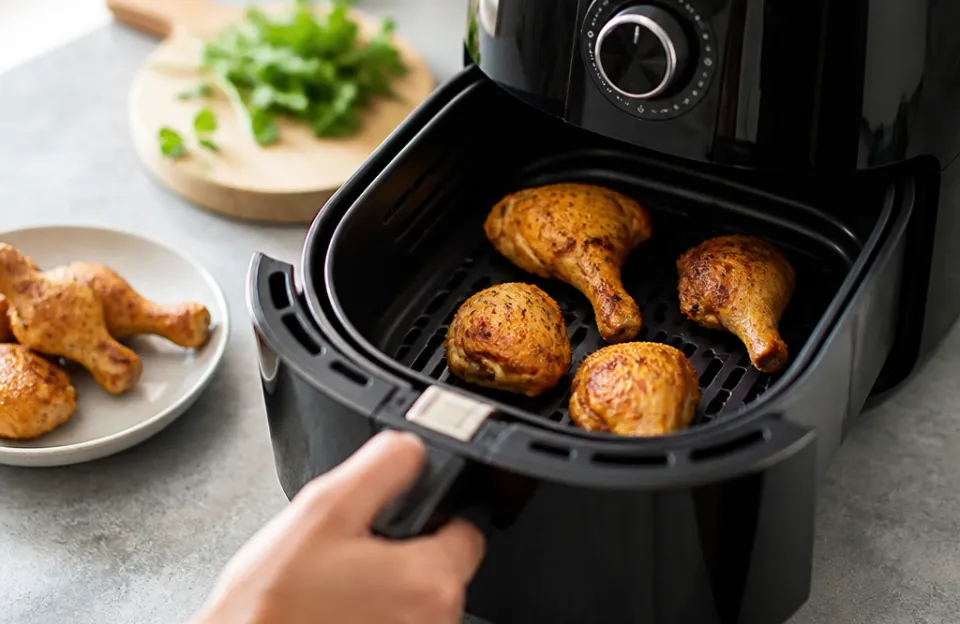
Every air fryer works by forcing superheated air around the food at high speed. The pan sitting inside the basket either helps that process or fights it. When you use the factory basket that came with the machine, it usually has holes or a wire mesh bottom.
That design allows air to hit the food from all sides.
When you add a secondary pan or liner, you change that dynamic. A solid pan blocks air from reaching the bottom of your ingredients. The top still gets blasted by the heating element, but the underside relies on conducted heat from the pan itself.
That means longer cook times or less crunch on the bottom. If you want maximum crispiness, you need a pan with holes. If you want to bake something liquid like a cake batter or catch heavy grease, you need a solid surface.
Understanding this tradeoff is the first step in choosing air fryer pans that actually work for your meals. You're always balancing cooking performance against how easy the thing is to wash afterward.
Why Basket Shape Matters More Than Brand
Air fryers generally fall into two categories: drawer-style baskets and oven-style racks. Drawer models have a square or round bucket that slides out. Oven models have shelves like a toaster oven.
The type of air fryer pans you can use depends entirely on which style you own.
A round silicone liner won't fit properly in a square basket. It leaves gaps where food falls through, or it bunches up and blocks the fan. Always measure the interior floor of your specific machine before buying any insert.
Check the width, depth, and height clearance. You need at least an inch of space between the top of the pan and the heating element to prevent burning.
Perforated Metal Pans for Maximum Crunch
Perforated metal pans are stainless steel or aluminum trays punched with dozens of small holes. They mimic the design of the original factory basket while giving you a flat, stable surface to arrange food. These are the go-to option if your main goal is crispy textures.
Because the holes let hot air pass through, foods like french fries, chicken tenders, and roasted vegetables brown evenly on all sides. You don't get that soggy bottom layer that sometimes happens with solid trays. Stainless steel versions last for years and don't carry the same chemical concerns as some coated metals.
Aluminum versions heat up faster but can warp if exposed to very high temperatures repeatedly.
The downside is cleanup. Grease and small food particles drip through the holes into the bottom of the main basket. You still have to wash the base unit.
Also, delicate items like battered fish might stick to the uncoated metal or fall apart through the larger perforations. If you frequently cook wet batters, you might want to check techniques for getting a crunchy exterior before relying solely on bare metal.
Solid Nonstick Trays for Baking and Saucy Dishes
Solid nonstick trays are exactly what they sound like. They are shallow pans made of steel or aluminum coated with a nonstick surface, completely lacking holes. They turn your air fryer into a miniature convection oven capable of handling liquids, batters, and heavy sauces.
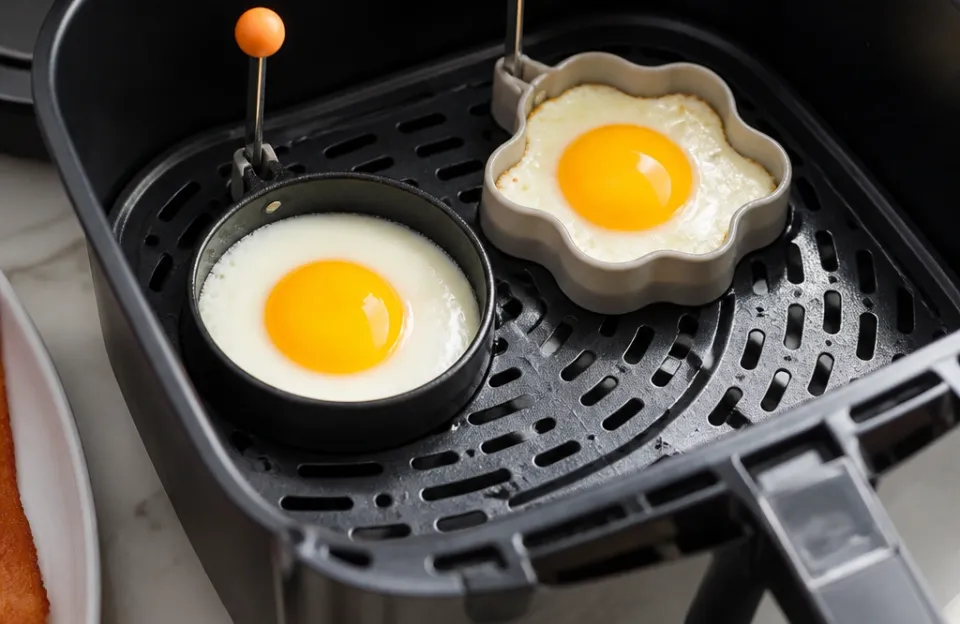
Use these when you want to bake a small cake, cook eggs, or roast something covered in a sticky glaze. The solid bottom keeps everything contained. Cleanup is usually quick because the nonstick coating lets food slide off with minimal scrubbing.
They're also great for reheating leftovers that might otherwise dry out on a wire rack.
However, solid trays block bottom airflow completely. Food cooked on these will not get crispy underneath unless you flip it halfway through. You also need to verify the temperature rating of the nonstick coating.
Many standard coatings degrade above 400°F to 450°F. According to the FDA's guidance on cookware safety, consumers should follow manufacturer temperature limits for coated kitchen products to avoid degrading the surface. Running a solid nonstick tray at 500°F for extended periods can ruin the coating and release fumes.
Silicone Liners and Reusable Pots
Silicone liners have become incredibly popular over the last few years. They usually come shaped like fluted pots or flat mats with raised edges. Made from food-grade silicone, they are flexible, heat-resistant, and completely nonstick without chemical coatings.
Their biggest selling point is protecting the main basket from scratches and grease. If you hate scrubbing baked-on fat out of the wire mesh, dropping in a silicone pot saves you the trouble. They are dishwasher safe and practically indestructible under normal kitchen use.
For batch cooking sessions where you cycle through multiple loads, having a couple of these ready makes the workflow much smoother, especially when prepping large quantities ahead of time.
The tradeoff is poor heat transfer. Silicone is an insulator. It doesn't conduct heat the way metal does.
Food takes slightly longer to cook, and achieving deep browning is harder. Some silicone pots have small holes punched in the bottom to help with airflow, but they still don't perform as well as bare metal. They also tend to be floppy, making it tricky to pull a heavy, full pot out of a hot basket without spilling.
Look for ones with rigid handles or thick walls if stability matters to you.
Disposable Parchment Paper Liners
Parchment paper liners are pre-cut sheets designed specifically for air fryer baskets. Some are flat sheets; others are shaped like bowls with tall edges to catch grease. They are meant for single use and thrown away after cooking.
These offer the absolute easiest cleanup possible. You lift the paper out, toss it in the trash, and the basket underneath stays perfectly clean. They are cheap to buy in bulk and work well for messy items like wings coated in a sugary marinade that would otherwise burn onto the metal.
Speaking of flavor, using a good soak beforehand, like a wet seasoning blend, makes parchment almost mandatory to prevent caramelized sugars from welding themselves to your pan.
There are significant limitations. Parchment blocks airflow just like a solid tray. You lose bottom crispiness.
More importantly, parchment paper is lightweight. If you put a sheet in the basket during the preheat cycle without food weighing it down, the fan can blow the paper up into the heating element, causing it to catch fire. Never preheat an air fryer with loose parchment inside.
Always place the food on the paper immediately.
Grill Plates with Raised Ridges
Grill plates are thick metal inserts stamped with raised parallel ridges. They elevate the food slightly off the flat surface, allowing some air to move underneath while leaving traditional sear marks on the meat.
These are best for steaks, burgers, chops, and thicker cuts of protein. The ridges lift the food out of its own rendered fat, preventing it from boiling in grease. Because they are usually made of cast aluminum or heavy steel, they retain heat well and provide a strong initial sear when the food hits the surface.
They are heavier than other options and take up more vertical space in the basket. Cleaning the grooves between the ridges requires a brush, as sponges just glide over the top. They also don't work well for small items like diced vegetables, which fall between the ridges and burn on the bottom of the main basket.
Sizing and Material Safety Limits
Getting the wrong size is the most common mistake people make when shopping for air fryer pans. A pan that is too large restricts the air circulation around the edges, leading to uneven cooking. A pan that is too small leaves gaps where food drops down into the heating zone.
Measure the interior dimensions of your basket precisely. Leave about half an inch of clearance on all sides. If you have a round basket, do not force a square pan into it.
Material safety is equally important. Avoid plastic containers of any kind, even those labeled microwave-safe. Air fryers generate intense, direct, dry heat that melts plastics rapidly.
Stick to stainless steel, carbon steel, aluminum, food-grade silicone rated for at least 430°F, and oven-safe ceramics. If you use ceramic, be aware that sudden temperature changes can cause thermal shock and cracking. Let ceramic pans cool down gradually before washing them.
If you're tracking nutrition closely, remember that the pan type affects oil usage. Cooking on bare perforated metal lets excess fat drip away, whereas solid trays pool the grease around the food. This distinction matters if you're trying to keep your meals lighter or monitor overall caloric intake from added fats.
Matching the Pan Type to Your Cooking Style
Choosing the right accessory means looking at your weekly meal rotation rather than buying every option available. Different tasks demand different physical properties from the pan.
| Pan Type | Best Used For | Airflow Rating | Cleanup Difficulty |
|---|---|---|---|
| Perforated Metal | Fries, veggies, breaded items | Excellent | Moderate |
| Solid Nonstick | Cakes, eggs, saucy dishes | Poor | Easy |
| Silicone Pot | General roasting, protecting basket | Fair | Very Easy |
| Parchment Liner | Sticky glazes, single-use convenience | Poor | None (disposable) |
| Grill Plate | Steaks, burgers, thick proteins | Good | Hard |
If you mostly cook frozen snacks or fresh vegetables, stick with perforated metal. If you use your machine primarily to reheat leftovers or bake small treats, grab a solid nonstick tray. Heavy meat eaters benefit most from a grill plate.
People who despise washing dishes will gravitate toward silicone or parchment, accepting the slight loss in texture.
You can also combine approaches. For instance, placing a piece of parchment inside a perforated pan catches crumbs while still letting some air through the overlapping edges. Just don't cover every single hole.
When dealing with heavily seasoned items, keeping track of internal temperatures becomes critical regardless of the pan used. Pairing your setup with a reliable digital thermometer guarantees proteins reach safe temperatures even when airflow is partially restricted by a liner.
Coatings, Flour Dusting, and Sticking Issues
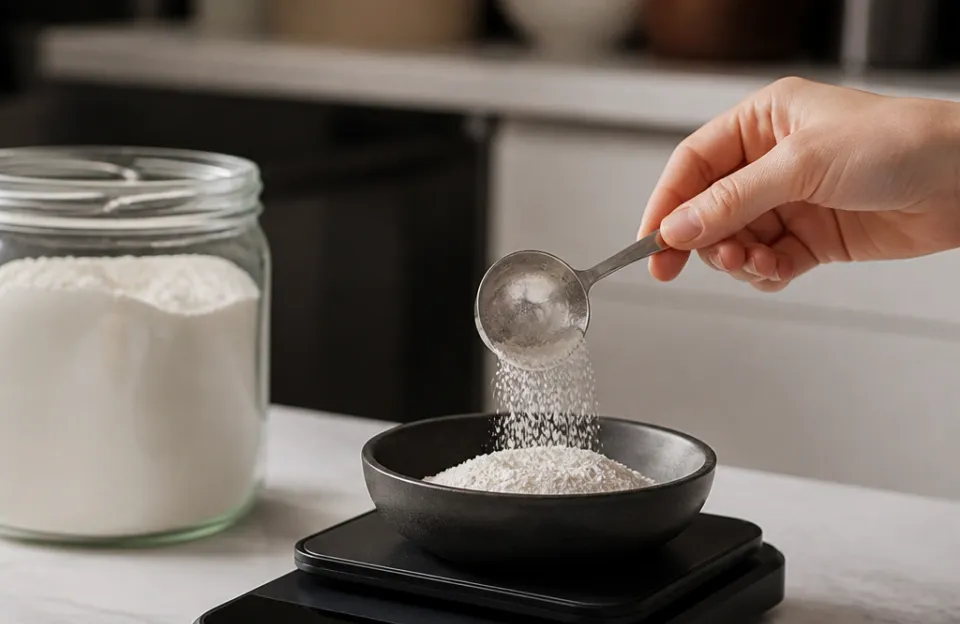
One specific edge case involves flour-coated foods. Raw flour needs moisture and direct heat to form a crust. If you place heavily floured items on parchment paper or inside a deep silicone pot, the bottom layer of flour often stays powdery and raw because the air can't reach it to dry it out.
For recipes requiring a flour dredge, perforated metal is the only reliable choice. The air pushes through the holes and sets the crust on the bottom simultaneously with the top. If you must use a solid pan for floured items, you have to flip the food halfway through the cook time, which risks tearing the fragile coating.
Testing how well your flour dredge holds up on different surfaces will save you frustration early on.
Another edge case involves acidic ingredients like tomatoes or citrus marinades. Highly acidic foods can react with bare aluminum pans over time, causing pitting and a metallic taste. If you frequently cook acidic dishes, opt for stainless steel, coated pans, or silicone instead of uncoated aluminum.
Finally, consider the weight capacity of your specific air fryer basket. Cast iron pans offer incredible heat retention, but many drawer-style air fryers have plastic rails or thin metal hinges that cannot support the combined weight of a heavy cast iron skillet plus two pounds of food. Check your manufacturer's manual for maximum load limits before dropping dense cookware into a lightweight appliance.
Frequently Asked Questions
Can I use regular oven pans inside my air fryer?
Yes, provided they fit with enough clearance for air to circulate and are made of oven-safe materials. Any pan rated for standard oven temperatures will survive the air fryer. Just make sure the pan doesn't touch the heating element at the top of the chamber, as contact will damage both the pan and the appliance.
Do silicone air fryer pans affect cooking times?
They do. Because silicone acts as an insulator, it slows down heat transfer to the food. Expect to add a few minutes to your usual cooking time when switching from a bare metal basket to a thick silicone pot.
You may also notice less browning on the bottom surfaces of your ingredients.
Is parchment paper safe at high air frying temperatures?
Most culinary parchment paper is rated for temperatures up to 420°F or 450°F. If your recipe calls for higher heat, the paper can scorch or become brittle. Never leave parchment paper unweighted inside the machine during preheating, as the powerful fan can blow it directly into the heating coil and start a fire.
Which material is safest for daily air fryer use?
Stainless steel is generally considered the safest long-term option. It doesn't leach chemicals, withstands extremely high temperatures without degrading, and won't scratch easily. Uncoated stainless steel requires a bit more effort to clean than nonstick alternatives, but it eliminates concerns about coating breakdown over time.
Should I buy a pan with holes or a solid one?
That depends entirely on what you cook. Choose perforated pans for anything where crispiness is the goal, such as fries, wings, or roasted vegetables. Choose solid pans for baking, cooking eggs, or preparing dishes with liquid sauces that would drip through a mesh bottom.
Many frequent users keep one of each on hand.
Getting the Right Fit for Your Machine
Selecting air fryer pans comes down to matching the physical properties of the insert to the food you plan to cook. Prioritize perforated metal for texture, solid trays for containment, and silicone or parchment for easy maintenance. Measure your basket accurately before purchasing anything, respect the temperature limits of nonstick coatings, and never leave lightweight paper unweighted near a running fan.
Once you find the combination that fits your typical dinner rotation, the appliance becomes significantly easier to use day after day.