The right air fryer drip pan protects your heating element, catches grease safely, and makes cleanup take minutes instead of twenty. Most people start with the liner that came in the box, but replacement pans offer better airflow, easier washing, or a nonstick surface that actually lasts. This guide breaks down the five main types of drip pans available today and explains exactly which one fits your cooking style and machine model.
We selected these options based on heat tolerance, fit compatibility, cleaning effort, and real-world durability. You will find silicone liners, perforated parchment, metal rack inserts, ceramic-coated trays, and disposable paper liners covered below. Each has distinct tradeoffs between convenience and performance.
The goal is to help you stop guessing and pick a drip pan that solves your specific problem, whether that is stuck-on cheese, excessive smoke, or a basket that takes forever to scrub.
How to Choose the Right Drip Pan Material
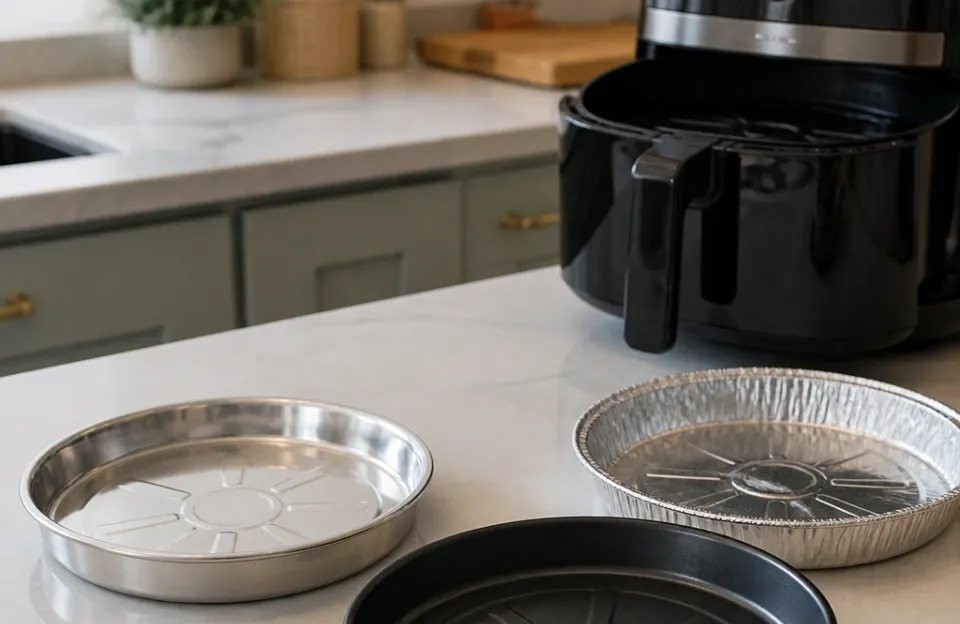
Material determines how a drip pan handles heat, grease, and daily wear. Silicone offers flexibility and easy storage but can retain odors over time. Metal provides superior browning and airflow yet requires more active cleaning to prevent sticking.
Paper eliminates cleanup entirely but adds recurring cost and waste. Ceramic sits in the middle with decent nonstick properties and solid heat retention, though it risks chipping if dropped.
Size matters as much as material. A pan that is too large blocks the fan and causes uneven cooking or error codes. One that is too small lets grease bypass the catchment area and pool directly on the heating element.
Always measure your basket’s interior width and depth before ordering. Round baskets need round pans. Square baskets need square ones.
Do not assume universal fit even within the same brand family.
Consider what you cook most often. High-fat foods like chicken wings or bacon demand a pan with high sides and reliable grease containment. Baked goods or vegetables benefit from perforated surfaces that allow hot air circulation underneath.
If you switch between these categories frequently, you might need two different pans rather than one compromise option. Our breakdown of crispy skin techniques shows how airflow directly affects texture, which is why pan selection matters for results.
Silicone Catchment Liners
Silicone drip pans are the most popular upgrade because they bend, fold, and pop out of the basket without scratching the nonstick coating. Food-grade silicone typically withstands temperatures up to 450°F, which covers nearly all standard air frying tasks. The flexible walls make pouring off collected grease simple, and most are dishwasher safe on the top rack.
The main limitation is odor retention. Strongly spiced or fatty foods can leave a lingering smell that transfers to the next batch. Washing with vinegar or baking soda helps, but some users report permanent flavor ghosting after six months of heavy use.
Silicone also insulates slightly, which means the bottom of your food may brown less than it would on bare metal. This is fine for reheating or steaming but noticeable when you want a hard sear on proteins.
Look for reinforced rims that hold their shape when full of liquid. Thin silicone collapses under the weight of accumulated grease and spills into the basket. Textured interiors resist staining better than smooth ones.
Some models include measurement markings or pour spouts, which are genuinely useful if you save drippings for gravy or stock.
Perforated Parchment Sheets
Parchment liners designed for air fryers have pre-cut holes that maintain airflow while catching crumbs and light splatter. They sit flat against the basket floor and conform to any shape. This makes them ideal for delicate items like fish fillets or cookies that might stick to metal or silicone.
Cleanup involves lifting out the sheet and tossing it.
These sheets work best for low-to-medium fat cooking. Heavy grease soaks through parchment quickly and defeats the purpose. They also shift easily when the fan kicks on, potentially covering the heating element or bunching up against food.
Weighing them down with food before starting the cycle prevents this, but you cannot preheat an empty basket with parchment inside due to fire risk.
Check the temperature rating carefully. Standard baking parchment maxes out around 420-430°F. Air fryer-specific versions sometimes go higher, but exceeding the limit causes scorching or ignition.
Never use wax paper as a substitute. It melts at much lower temperatures and creates both a mess and a safety hazard. For high-heat applications above 400°F, skip parchment entirely.
Stainless Steel Rack Inserts
Metal drip pans or rack inserts provide the best heat transfer and crisping potential. Stainless steel does not retain odors, warp at high temperatures, or degrade over years of use. Perforated designs allow maximum airflow from below, which is critical when preparing items where accurate internal temperature and exterior texture both matter.
Grease drains through the holes into the basket below rather than pooling around the food.
The tradeoff is cleaning. Cheese, marinades, and sugary glues bond aggressively to untreated steel. Soaking in hot soapy water immediately after cooking prevents most buildup, but stubborn residue may require scrubbing with a non-abrasive pad.
Some users line the metal pan with foil for easier cleanup, though this partially negates the airflow advantage. Dishwasher cleaning works but can cause water spots or discoloration over time.
Stainless steel pans are heavier than other options. Make sure your basket’s support structure can handle the weight without bending. Models with folded edges are safer to handle than raw-cut metal, which can be sharp.
Look for pans labeled specifically for air fryer use rather than generic oven racks, as the dimensions and clearance requirements differ significantly.
Ceramic-Coated Collection Trays
Ceramic-coated drip pans combine the heat distribution of metal with a smoother release surface. The coating resists sticking better than bare steel and does not absorb flavors like silicone. These trays often come as OEM replacements for specific air fryer models, ensuring perfect fit and proper clearance for the fan assembly.
They typically handle temperatures up to 500°F or higher.
Durability is the weak point. Ceramic coatings chip if banged against the sink or stacked carelessly. Once damaged, the exposed metal underneath rusts and food sticks permanently to the rough spot.
Hand washing with soft sponges extends lifespan considerably. Avoid thermal shock by letting the pan cool before washing. Sudden temperature changes crack the glaze just as reliably as physical impact.
These trays excel at containing liquids for dishes that produce significant drippings during cooking. The rigid walls prevent sloshing during basket removal. If you frequently prepare saucy or wet preparations alongside your meal prep routines, ceramic offers better containment than flexible silicone or absorbent parchment.
Disposable Paper Liners
Disposable paper drip pans eliminate washing entirely. They are molded to fit specific basket shapes and have raised sides to contain grease. For busy households or anyone who hates post-cooking cleanup, the convenience is unmatched.
Simply lift out the used liner and replace it. No soaking, no scrubbing, no odor management.
Cost adds up quickly. At 15-30 cents per liner, daily use runs $5-10 monthly. Environmental impact is another consideration, though compostable options exist.
Performance-wise, paper insulates more than any other material. Bottom browning suffers noticeably, and very greasy foods can saturate the liner before cooking finishes. They work best for breaded items, frozen snacks, or anything with moderate fat content.
Verify the exact model compatibility before buying bulk. Paper liners are not adjustable. A liner meant for a 5-quart round basket will not function properly in a 6-quart square one, even if the brand is identical.
Store them in a dry place away from heat sources. Humidity warps the shape and makes insertion difficult.
Quick Comparison of Drip Pan Types
| Type | Best For | Max Temp | Cleanup Effort | Main Limitation |
|---|---|---|---|---|
| Silicone | Flexible storage, easy pour | 450°F | Low (dishwasher) | Odor retention, less browning |
| Parchment | Delicate foods, zero scrub | 420-430°F | None (disposable) | Shifts during cook, low-fat only |
| Stainless Steel | Maximum crisp, durability | 500°F+ | Medium-High (soak/scrub) | Sticking, heavier weight |
| Ceramic-Coated | Liquid containment, OEM fit | 500°F+ | Low-Medium (hand wash) | Chips easily, model-specific |
| Disposable Paper | Convenience, no washing | 400-420°F | None (disposable) | Recurring cost, poor browning |
Matching Your Pan to Specific Cooking Tasks
Your primary cooking style should drive your purchase decision more than general ratings. Someone who air fries frozen appetizers three times a week has fundamentally different needs than someone roasting whole chickens or dehydrating fruit. The wrong pan type creates friction every single time you cook.
High-fat protein preparation demands containment and safe grease handling. Chicken wings, pork belly, and sausage links render significant liquid fat that must stay away from the heating element. Deep-sided silicone or ceramic trays handle this volume reliably.
Flat parchment or shallow racks allow grease to escape and create smoke or fire risk. When monitoring doneness for thicker cuts, using a reliable digital thermometer remains essential regardless of pan choice, as insulated materials can alter expected cook times slightly.
Baking and dessert applications prioritize even heat and nonstick release. Cookies, muffins, and small cakes suffer on dark metal or thick silicone that creates hot spots. Light-colored ceramic or perforated parchment provides gentler, more consistent bottom heat.
Avoid deep-sided containers that block lateral airflow. The goal is gentle convection, not direct radiant heat from below.
Vegetable roasting benefits from maximum surface contact and drainage. Crowded vegetables steam instead of roast. Wide, shallow stainless steel racks or open-weave silicone mats allow moisture to escape downward.
Solid-bottom trays trap humidity and produce soggy results. Toss vegetables in oil before placing them in the pan to promote browning rather than relying on the pan surface alone.
Reheating leftovers is where disposable or parchment liners shine. The goal is warmth and texture restoration, not new browning. Insulation actually helps here by preventing over-drying.
The convenience factor outweighs performance concerns since the food was already fully cooked. Save your premium metal or ceramic pans for primary cooking tasks where their properties make a measurable difference.
Safety Considerations and Proper Usage
Air fryer drip pans operate inches from a heating element and powerful fan. Misuse creates genuine hazards beyond ruined dinner. Always verify the manufacturer’s stated temperature limit for any aftermarket accessory.
Exceeding it risks melting, smoking, or ignition. Even materials rated for high heat can fail if they contact the element directly due to improper sizing or placement.
Never preheat an empty air fryer with any liner installed. Without food weight to anchor it, lightweight parchment or paper can lift into the heating coil and catch fire instantly. Preheat the bare basket first, then insert the lined basket with food already in place.
This applies to all non-metal liner types. Metal racks are generally safe during preheat but should still be checked for proper clearance.
Grease management is a safety issue, not just a cleaning one. Accumulated fat in the bottom drawer can smoke at relatively low temperatures or ignite if it contacts the element during future cycles. Empty and clean the base drawer after every high-fat cook, regardless of whether the drip pan itself appears clean.
Some models have secondary catchment areas below the basket that users forget about until smoke fills the kitchen.
Avoid aerosol cooking sprays on any drip pan surface. The propellants in spray cans degrade nonstick coatings and leave gummy residues that build up over time. Use pump-style oil sprayers or brush oil directly onto the pan or food.
This preserves your equipment and prevents sticky buildup that no amount of soaking removes. For those tracking nutritional intake alongside equipment care, understanding how added fats affect your overall calorie count helps balance health goals with maintenance needs.
Check for warping or damage before each use. A bent metal rack can jam the basket mechanism or sit unevenly, creating hot spots and inconsistent cooking. Cracked ceramic exposes porous material that harbors bacteria.
Melted or discolored silicone indicates thermal degradation and should be replaced immediately. Regular inspection takes seconds and prevents larger problems.
Frequently Asked Questions
Can I use aluminum foil as a drip pan liner?
Aluminum foil works as a temporary grease catcher but blocks airflow completely where it contacts the basket. This creates uneven cooking and can cause the air fryer to overheat if it covers too much surface area. Use it only to wrap individual items or create small packets, never as a full basket liner.
Molded foil pans designed for air fryers are safer than loose sheets because they maintain shape and leave perimeter gaps for circulation.
Why does my silicone drip pan smell bad even after washing?
Silicone absorbs volatile compounds from strongly flavored or fatty foods. Standard dish soap removes surface residue but not embedded odors. Soak the pan in a solution of white vinegar and warm water for several hours, or bake it empty at 350°F for twenty minutes to burn off trapped compounds.
Prevention is easier than cure. Reserve dedicated silicone pans for savory versus sweet applications, or switch to metal or ceramic for aromatic dishes.
Do drip pans change cooking times or temperatures?
Yes, depending on material thickness and insulation properties. Thick silicone or paper adds a barrier between the heating element and food, potentially adding 2-5 minutes to cook time or requiring a slight temperature increase. Thin parchment and metal racks have minimal impact.
Always check doneness with a thermometer rather than relying solely on recipe timing when switching pan types. Adjustments are usually minor but real.
Are universal-fit drip pans actually universal?
No. "Universal" marketing language refers to common size ranges, not guaranteed compatibility. Basket shapes vary significantly between brands and even between models from the same manufacturer.
A pan that fits physically may still block airflow channels or interfere with the basket locking mechanism. Measure your specific basket interior and compare against product dimensions before purchasing. Model-specific accessories are always safer bets than generic claims.
How often should I replace my air fryer drip pan?
Replacement frequency depends on material and usage intensity. Silicone typically lasts 6-18 months with regular use before odor retention or tearing becomes problematic. Stainless steel and ceramic can last years if handled carefully.
Disposable and parchment liners are single-use by definition. Replace any pan showing cracks, chips, warping, persistent odors, or coating failure immediately. Damaged pans compromise both food quality and safety.
Before You Buy
Start with your most frequent cooking frustration and work backward to the material that solves it. There is no single best drip pan for everyone. The right choice aligns with what you actually cook, how much cleanup you tolerate, and your specific air fryer’s dimensions.
Measure twice, read temperature limits carefully, and remember that spending a few extra dollars on the correct pan pays back in saved time and better results every single session.