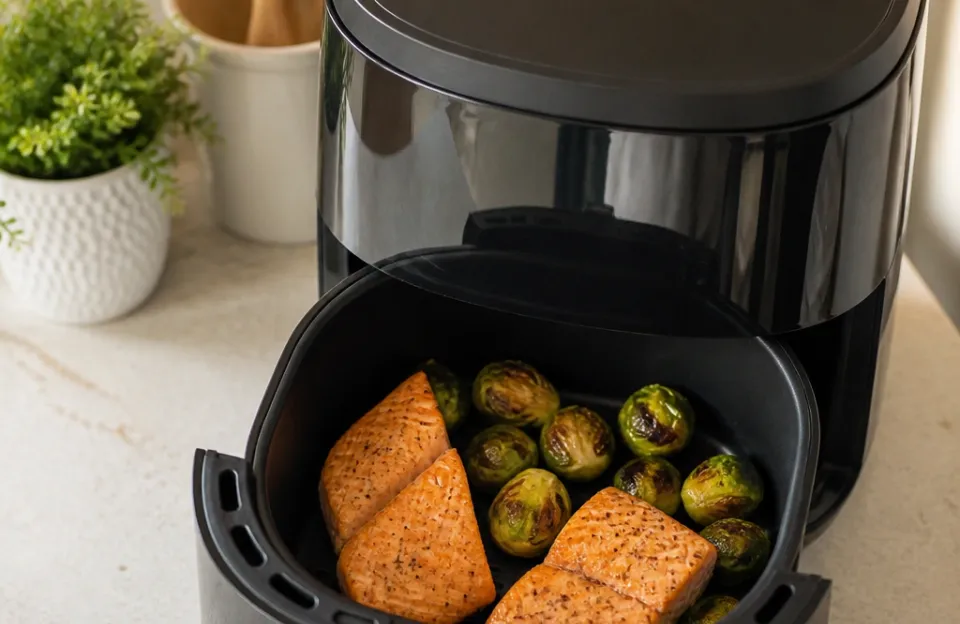
Air fryer green beans cook in about 8 to 10 minutes at 375°F. You get blistered, slightly charred pods with a tender interior, and you skip the standing water of boiling or the long preheat time of an oven. The circulating hot air does the work fast.
This guide covers why this method beats standard roasting for weeknight dinners, how to prep the beans so they crisp instead of steam, seasoning combinations that hold up under high heat, and what goes wrong when the basket gets too crowded. Whether you are working with fresh farmer's market produce or a bag from the freezer aisle, the timing and technique shift just enough to matter.
Why Rapid Hot Air Changes Green Beans
Green beans contain a lot of water. When you boil them, they absorb more. When you roast them in a standard oven, the ambient heat has to push through a thick layer of still air before it hits the pod.
An air fryer forces superheated air directly against the surface of the food. That rapid convection evaporates exterior moisture almost instantly.
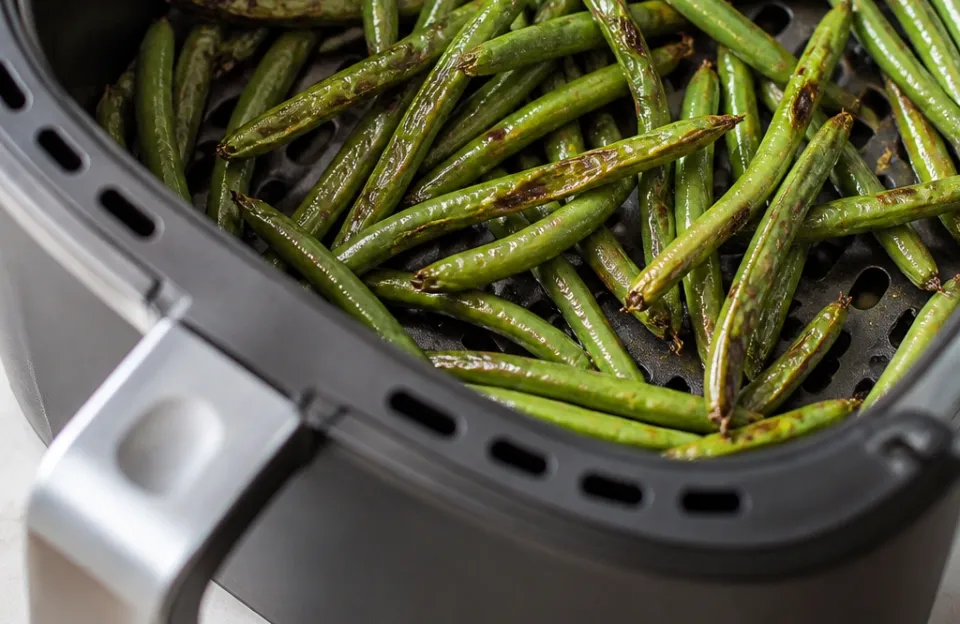
The result is a texture closer to restaurant-style blistered beans. The skin wrinkles and browns while the inside stays firm. You don't need to coat them in batter or heavy oil to get that snap.
A light toss in olive oil or avocado oil is enough to conduct the heat and prevent sticking.
According to USDA dietary guidelines, green beans provide a solid source of fiber, vitamin C, and vitamin K without adding many calories. Cooking them quickly at high heat preserves more of those water-soluble vitamins than boiling them in a pot where nutrients leach into the discarded water.
The Maillard Reaction Without the Deep Fryer
Browning happens when amino acids and sugars react under heat. In a deep fryer, oil temperatures hit 350°F to 375°F easily, triggering that reaction fast. An air fryer reaches similar temperatures using air instead of submerged oil.
The beans develop those dark, savory spots on the ridges and tips. This gives you the flavor profile of fried food with a fraction of the fat. If you usually pair your vegetables with something richer, like garlic parmesan chicken wings, these beans hold their own on the plate without getting lost.
Skipping the Oven Preheat
A full-sized oven takes 10 to 15 minutes just to reach 400°F. The air fryer basket is small, and the heating element sits inches above the food. It hits cooking temperature in two or three minutes.
For a side dish that should take less effort than the main course, shaving off that wait time matters on a busy Tuesday night.
Prepping Fresh Pods for Maximum Blistering
Moisture is the enemy of browning. If you wash your green beans and throw them straight into the basket, the residual water will steam them. They turn out soft and pale.
Dry them completely first. Lay them on a clean kitchen towel or paper towels and pat them down. Let them sit for five minutes if you have time.
Trimming the stem ends is standard practice. You can line them up on a cutting board and slice the woody tips off in one pass. Leave the tapered tail ends intact.
They crisp up well and add visual variety to the finished dish.
Toss the dried, trimmed beans in a bowl with your oil. Use about one tablespoon of oil per pound of beans. Too much oil causes smoking at high temperatures.
Too little leaves dry patches that burn before the rest cooks. Coat them evenly by tossing with your hands or two spoons. Add salt after they come out if you want the crispiest skin, as salt draws out moisture during cooking.
Adding it before is fine if you prefer the seasoning baked into the surface.
Timing and Temperature for Air Fryer Green Beans
Set your machine to 375°F. This temperature is hot enough to blister the skin but low enough to give the inside time to soften before the outside burns. At 400°F, the tips tend to char black before the thicker middle sections finish cooking.
Cook them for 8 to 10 minutes. Open the basket halfway through, around the 4 or 5-minute mark, and shake it vigorously. This rotates the beans so the hot air hits every side.
If you skip the shake, the beans resting on the bottom of the basket stay pale and soggy while the top layer overcooks.
| Bean Type | Temperature | Total Time | Shake Interval |
|---|---|---|---|
| Fresh, whole | 375°F | 8-10 min | Every 4 min |
| Fresh, French cut | 375°F | 6-8 min | Every 3 min |
| Frozen, unthawed | 390°F | 12-15 min | Every 5 min |
| Canned, drained | 400°F | 5-7 min | Once at 3 min |
If your specific model runs hot, check them at 7 minutes. Basket-style machines circulate air differently than toaster-oven styles. Toaster-oven types often need an extra minute or two because the food sits further from the top heating element.
Seasoning Combinations That Survive High Heat
Dried spices handle air fryer temperatures better than fresh herbs. Fresh parsley or basil burns and turns bitter at 375°F. Save delicate greens for a garnish after the beans come out.
Hardier fresh herbs like rosemary or thyme can survive the cook time if chopped finely and mixed into the oil.
Garlic powder is safer than minced fresh garlic. Fresh garlic bits scorch in under four minutes at these temperatures, leaving a harsh, acrid taste. Garlic powder distributes evenly and caramelizes slowly.
Onion powder, smoked paprika, and ground cumin also perform well.
For a spicy version, toss the beans with red pepper flakes and a pinch of cayenne before cooking. The oil carries the capsaicin and spreads the heat evenly across every pod. If you enjoy sweet and savory profiles, drizzle a small amount of honey over the beans during the last two minutes of cooking.
Adding honey earlier causes it to burn and stick to the basket mesh. A tangy dipping sauce on the side works well too, especially if you already keep one stocked for honey garlic wings or other appetizers.
Lemon juice should always go on after cooking. Acid added before cooking slows down the browning process and makes the beans tough. Squeeze fresh lemon over the hot beans right as you transfer them to a serving bowl.
The heat releases the citrus oils immediately.
Parmesan cheese melts beautifully if added in the final minute. Grate it finely so it clings to the oil coating rather than falling through the basket holes.
Handling Frozen Green Beans in the Basket
You can cook frozen green beans directly without thawing them. Thawing them first creates a puddle of water that guarantees steaming. Take them straight from the freezer bag to the bowl.
Because ice crystals cover the surface, oil won't stick initially. Toss the frozen beans with the oil anyway. As they heat up during the first three minutes, the ice melts and the oil coats the pods.
You need to bump the temperature up slightly to 390°F to account for the thermal energy spent melting the ice.
Expect the cook time to extend to 12 or 15 minutes. Frozen beans release significantly more water than fresh ones. The basket might pool with liquid at the bottom during the first half of cooking.
Shaking the basket frequently helps dump that moisture out through the perforations.
Texture-wise, frozen beans end up softer than fresh ones. Freezing ruptures some of the plant cell walls. You won't get the same rigid snap, but you will still get the blistered, roasted flavor if you let the water evaporate fully before pulling them out.
Don't crowd the basket even more than usual with frozen produce. Give the excess moisture room to escape.
Overcrowding and Other Things That Go Wrong
The most common mistake is treating the air fryer basket like a mixing bowl. Air needs to flow around each individual bean. If you stack them three layers deep, the middle layer steams in its own trapped humidity.
Cook in batches if you are making more than half a pound at a time. A single layer with slight overlapping is the maximum density you want.
Smoking is another frequent issue. Oil drips off the beans and hits the bare heating element or the hot metal base below the basket. Avocado oil has a higher smoke point (around 520°F) compared to extra virgin olive oil (around 375°F).
If your kitchen fills with smoke at 375°F, switch to avocado, canola, or grapeseed oil. Placing a small piece of bread or a tablespoon of water in the bottom drawer beneath the basket catches drips and prevents them from burning.
Undercooked beans happen when people pull them out based on time rather than appearance. Look for wrinkled skins and brown spots. If they still look smooth and bright green, they need two more minutes.
Overcooked beans turn shriveled and leathery. This usually happens if you leave them in past the 12-minute mark at high heat.
Uneven cooking occurs when you mix thick, mature beans with thin, young ones. Sort them by size before cooking, or accept that the thin ones will be crispy while the thick ones remain crunchy.
If you are batch-cooking vegetables for the week alongside proteins, keeping track of different cook times matters. Knowing exactly how many calories are in your batch helps with meal planning, and green beans fit perfectly into that system since a full pound contains roughly 140 calories before oil.
Pairing Air Fryer Green Beans With Heavier Mains
These beans act as a sharp, textural contrast to rich, fatty foods. Their slight bitterness and charred edges cut through heavy sauces and fried coatings. They take up very little space in the appliance, meaning you can run them while your main dish rests on the counter.
If you are preparing a large spread, timing is everything. You can start the beans while your main protein finishes resting. For example, achieving a truly crispy skin on poultry requires letting it sit for a few minutes after cooking so the juices redistribute.
That five-minute window is exactly enough time to blast a portion of green beans at 375°F.
They also work well cold the next day. Unlike boiled green beans that turn mushy in the fridge, air-fried ones retain a chewy, slightly dehydrated texture. Toss leftovers into a grain bowl or chop them up for an omelet.
If you routinely prep ingredients ahead of time for busy weeks, these beans hold up in glass containers for three days without turning slimy.
Frequently Asked Questions
Do I need to soak green beans before air frying?
No. Soaking adds water to the surface, which prevents browning and causes steaming. Wash them and dry them thoroughly with a towel instead.
The drier the surface, the faster the skin blisters and crisps in the hot air.
Can I use canned green beans in an air fryer?
Yes, but drain and rinse them extremely well first. Pat them completely dry. Canned beans are already cooked and very soft, so they only need 5 to 7 minutes at 400°F to crisp the edges.
Handle them gently when tossing with oil so they don't break apart in the bowl.
Why did my air fryer fill with smoke while cooking green beans?
Smoke happens when oil drips through the basket and hits the heating element or the hot bottom pan. Use an oil with a high smoke point like avocado or canola oil. You can also put a small piece of bread or a spoonful of water in the bottom drawer to catch grease drips before they burn.
Should I cut green beans in half before air frying?
It depends on their length relative to your basket. If they are longer than the width of your air fryer drawer, cut them in half so they lay flat. Flat beans cook evenly.
Curled or bent beans create gaps in airflow and block the fan from reaching the bottom layer.
Are air fryer green beans healthy compared to other methods?
They require significantly less oil than deep frying or pan frying while still achieving a roasted texture. Because you aren't submerging them in boiling water, you retain more water-soluble vitamins like vitamin C. A standard serving tossed in one teaspoon of olive oil remains a low-calorie, nutrient-dense side dish.
What temperature is best for thicker, mature green beans?
Thicker beans need slightly lower heat for a longer time so the inside cooks before the outside burns. Drop the temperature to 360°F and extend the time to 12 or 14 minutes. Shake the basket every 4 minutes to rotate them.
Thin haricots verts do better at the standard 375°F for 8 minutes.
Getting the Most Out of Your Batch
Air fryer green beans solve the problem of boring vegetable sides without adding complicated steps or extra pans to wash. The entire process relies on removing surface moisture, applying a thin coat of high-smoke-point oil, and giving the hot air enough room to circulate around each pod. Stick to 375°F for fresh beans, bump it to 390°F for frozen, and never overload the basket.
Keep your seasonings simple. Dried spices, hard cheeses, and post-cook acid additions yield the best results without burning. Once you dial in the timing for your specific machine model, you can set it and walk away to focus on the rest of dinner.
The beans come out blistered, salty, and ready to eat in under ten minutes.