You’re hosting a backyard barbecue, the music is loud, and the hunger is real. You pull a thick burger off the grill, take a massive bite, and realize the center is cold and bright pink. Now you’re staring at the plate, wondering if you should finish it or if you just signed up for a rough night in the bathroom.
Quick Answer: Eating meat that hasn’t reached a safe temperature exposes you to harmful bacteria like Salmonella, E. coli, and Listeria. These pathogens can cause food poisoning, leading to symptoms like cramps, vomiting, and diarrhea within hours or days. While some people may feel fine, others risk severe dehydration or long-term health issues if the infection spreads.
The Risks of Undercooked Meat
Eating meat that hasn’t been heated enough is a gamble with your digestive system. When meat stays in the “Danger Zone”, between 40°F and 140°F, bacteria can double in number every 20 minutes. If you eat that meat, those bacteria enter your gut and start to multiply, which triggers an immune response.
Most of the time, your stomach acid might handle a small amount of bacteria. But if the load is too high, or if the specific strain is aggressive, you develop foodborne illness. This isn’t just about a “sensitive stomach.” It’s a biological battle where your body tries to flush out the invaders as fast as possible.
The type of animal the meat came from changes the level of risk. Some meats are porous, while others are dense. Some carry specific pathogens that others don’t.
Knowing what is living in your dinner helps you realize why that meat thermometer is so vital.
Common Pathogens Found in Undercooled Meat
Salmonella is one of the most frequent culprits, especially in poultry. It lives in the intestinal tracts of animals and can easily contaminate meat during processing. If you eat chicken that didn’t hit 165°F, you might experience fever and stomach pain that lasts for a week.
E. coli is another major threat, particularly in ground beef. Unlike a steak, where bacteria usually stay on the surface, grinding meat mixes surface bacteria throughout the entire batch. If the center of that burger stays cool, the E. coli survives and enters your system.
Certain strains can cause kidney failure in vulnerable people.
Campylobacter is a lesser-known but very common cause of food poisoning from raw or undercooked poultry. Just a few drops of juice from raw chicken can have enough bacteria to make you sick. It usually causes bloody diarrhea and can lead to complications like temporary paralysis in rare cases.
How Your Body Reacts to Food Poisoning
Once the bacteria are inside, they begin to produce toxins or damage the lining of your intestines. Your body detects these toxins and reacts by pulling water into the gut to flush them out. This is what causes diarrhea.
Your stomach may also contract violently to expel the contents, leading to vomiting.
This process is exhausting. You lose fluids and electrolytes quickly, which leads to dizziness and fatigue. For a healthy adult, this is a miserable few days.
For children, the elderly, or people with weak immune systems, the body’s reaction can be so intense that it requires a hospital stay to get IV fluids.
Safe Internal Temperatures for Different Meats
Not all meat needs to reach the same temperature to be safe. The USDA sets specific guidelines based on the density of the meat and the types of bacteria usually found in it. Following these numbers is the only way to be sure you’ve killed enough pathogens to eat safely.
Ground meats (beef, pork, lamb, and veal) should always reach 160°F. Since the meat is ground up, any bacteria that were on the outside are now on the inside. You can’t rely on the “pinkness” of the meat, as some beef stays pink even when safe, and some turns brown before it reaches a safe temp.
Fresh poultry, including chicken and turkey, is the most dangerous to undercook. It must reach 165°F. Poultry has a more porous muscle structure than beef, which allows bacteria to travel deeper into the meat.
If you see red or pink juices running out of a chicken breast, it’s a sign it hasn’t reached the safe limit.
Steaks and Chops vs. Ground Meat
You might notice that a medium-rare steak is considered safe at 145°F, while a burger needs to be 160°F. This is because bacteria like E. coli usually live on the surface of the meat. On a steak, the high heat of the pan or grill hits the surface directly and kills the bacteria quickly.
The inside of a solid muscle is generally sterile.
However, if you mechanically tenderize a steak (using needles or blades to soften it), you push those surface bacteria into the center. In that case, you treat the steak like ground meat and cook it to a higher temperature. Always check the packaging to see if your steaks have been “blade tenderized.”
The Importance of Rest Time
After you take meat off the heat, its temperature keeps rising for a few minutes. This is called “carryover cooking.” For meats like pork or beef, the USDA recommends a three-minute rest period after reaching 145°F. This rest time helps make sure the heat finishes off any lingering bacteria while the juices redistribute through the meat.
Skipping the rest time won’t usually make you sick if the temp was high enough, but it might mean the very center didn’t get that final nudge of heat it needed. Plus, your meat will be much drier if you cut it open immediately.
Symptoms and Timeline of Food Poisoning
If you eat meat that didn’t reach a safe temperature, you won’t always feel sick right away. Many people expect to be ill within thirty minutes, but back-to-back bathroom trips often start hours or even days later. This delay makes it hard to pin down exactly what meal caused the problem.
Staphylococcus aureus can act quickly, sometimes within 30 minutes to 6 hours. But Salmonella usually takes 6 hours to 6 days to show up. Listeria is the slowest of all, sometimes taking weeks to cause symptoms.
If you feel fine the morning after an undercooked steak, you aren’t out of the woods just yet.
Common symptoms include:
- Nausea and sharp stomach cramps
- Watery or bloody diarrhea
- Fever and chills
- Muscle aches and general weakness
- Vomiting and loss of appetite
When to See a Doctor
Most cases of food poisoning pass on their own with rest and hydration. However, certain “red flag” symptoms mean you need medical help. If you have a high fever (over 102°F), bloody stools, or frequent vomiting that prevents you from keeping any liquids down, call a doctor.
Signs of severe dehydration are also a major concern. These include a very dry mouth, decreased urination, and feeling lightheaded when you stand up. If these symptoms appear, your body is losing more fluid than you can replace, and you may need medical intervention.
Why Color Is Not a Safety Guide
Many people grew up being told to cook meat until the “juices run clear” or until it’s “no longer pink.” In reality, color is a terrible way to judge safety. Many factors change how meat looks when it’s cooked, and none of them involve how many bacteria are still alive.
For example, ground beef can turn brown prematurely if it has been exposed to oxygen or if the pH level is high. You might think it’s well-done when the internal temperature is only 130°F. Conversely, some smoked meats stay pink due to the chemical reaction with the wood smoke, even if they are fully cooked and safe.
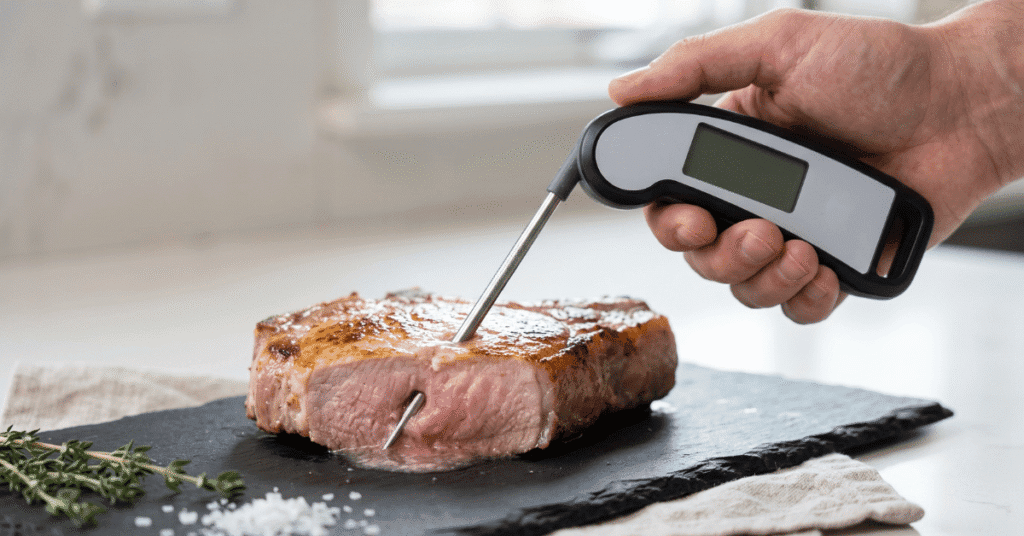
Using a digital meat thermometer is the only way to know the truth. Insert the probe into the thickest part of the meat, avoiding bone or gristle. If you’re cooking a tray of burgers, check a few of them, as grills often have hot and cold spots.
Common Under-Cooking Scenarios
Certain cooking methods make it easier to accidentally leave meat undercooked. One of the biggest culprits is the frozen patty. If you toss a frozen burger on a high-heat grill, the outside chars quickly while the center remains icy or raw.
Always thaw meat in the refrigerator before cooking to help it heat evenly.
Large roasts and whole turkeys also present a challenge. The outside can look perfectly browned and crispy, while the meat near the bone is still in the Danger Zone. This is why multi-point checking is helpful.
Test the thigh, the breast, and the thickest part of the stuffing to make sure everything is safe.
Slow cookers can be risky if they take too long to heat up. If you put cold meat and cold water into a slow cooker that isn’t working well, the meat might sit in the Danger Zone for four or five hours. This gives bacteria a massive head start before the heat finally reaches a killing temperature.
Cooking Temperature Quick Reference
| Meat Type | Internal Temperature | Rest Time |
|---|---|---|
| Ground Beef, Pork, Lamb | 160°F (71°C) | None required |
| Fresh Beef, Veal, Lamb (Steaks, Roasts) | 145°F (63°C) | 3 Minutes |
| Poultry (Chicken, Turkey, Duck) | 165°F (74°C) | None required |
| Pork (Chops, Roasts) | 145°F (63°C) | 3 Minutes |
| Fish and Shellfish | 145°F (63°C) | None required |
| Leftovers and Casseroles | 165°F (74°C) | None required |
Common Mistakes or Misconceptions
People often hold onto old cooking myths that put them at risk. Breaking these habits is the best way to keep your kitchen safe.
- Searing the outside of chicken makes it safe: This is false. Unlike steak, poultry is porous and bacteria can be deep inside the muscle.
- Assuming rare pork is always okay: While modern pork is safer than it used to be, you still shouldn’t eat it raw. 145°F is the safe minimum.
- Trusting the “finger test”: Pressing on meat to see if it’s “firm” only tells you about the protein structure, not the internal heat.
- Freezing kills bacteria: Freezing usually just puts bacteria to sleep. They wake up and start multiplying as soon as the meat thaws.
- Washing meat before cooking: This actually spreads bacteria around your sink and counters. The only thing that kills the bacteria is heat.
Frequently Asked Questions
Can I get sick if I only take one bite of undercooked meat?
Yes, it is possible. It only takes a small amount of some bacteria, like certain strains of E. coli, to cause an infection. If the bite you took contained a concentrated colony of pathogens, you could experience symptoms.
Does salt or lemon juice “cook” raw meat enough to make it safe?
No, acidic marinades and salt don’t replace heat. While they can change the texture of the meat (like in ceviche), they don’t reliably kill the same range of bacteria and parasites that fire does. Heat is the only guaranteed method for safety.
Is it safe to eat raw beef if I buy it from a high-end butcher?
While high-end meat is often handled with more care, “raw” never means “zero risk.” Even the cleanest butcher shop cannot guarantee that a steer wasn’t carrying bacteria. Raw dishes like steak tartare carry a higher risk than cooked meat, and people with compromised immune systems should avoid them.
What should I do if I realized I just ate undercooked meat?
Stay hydrated and pay attention to how you feel over the next 24 to 48 hours. Most people don’t need to do anything unless symptoms appear. Don’t try to induce vomiting, as this can cause more harm than good.
Just keep water or electrolyte drinks nearby.
Worth Remembering
Eating meat that didn’t reach a safe temperature is a risk that occasionally ends in a trip to the doctor. The biology of bacteria doesn’t care about how hungry you are or how good the steak looks. Using a thermometer is a simple habit that removes the guesswork from your kitchen.
If you ever find yourself questioning if a piece of meat is done, put it back on the heat. A slightly overcooked burger is always better than a week of food poisoning. Keep your surfaces clean, check your temperatures, and give your meat the rest time it needs to be both safe and delicious.