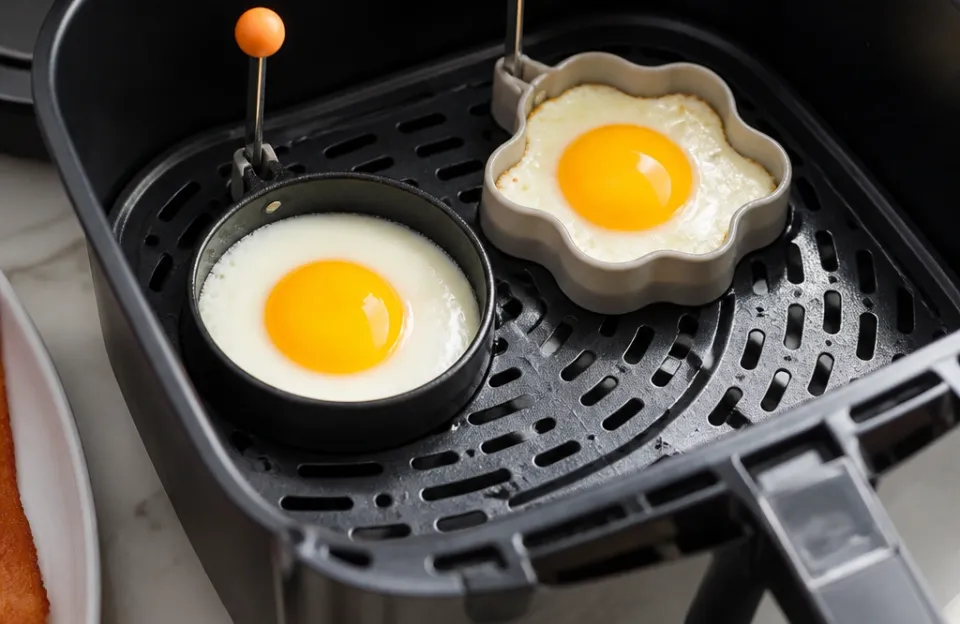
Air fryer accessories for 6-quart models give you the ability to cook a wider range of foods, keep your basket clean, and check internal temperatures without guessing. A 6-quart capacity is the most common size on the market right now, so finding parts that fit properly takes very little effort. The main categories include perforated parchment liners, silicone pots, wire rack sets, grill pans, and digital thermometers.
If you own a 6-quart machine, you already know it handles dinner for three or four people comfortably. The right add-ons push that capacity further and stop food from sticking to the nonstick coating. This guide breaks down exactly which air fryer accessories for 6-quart models work best, what materials hold up to high heat, and where cheap options fall apart.
What makes 6-quart dimensions different from other sizes
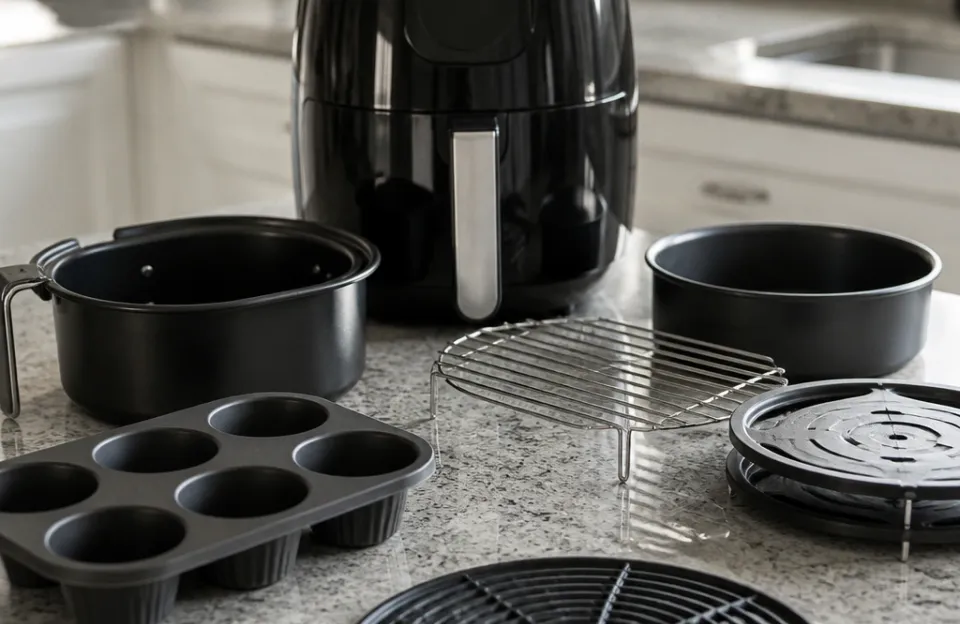
A standard 6-quart basket usually measures between 8.5 and 9.5 inches across the bottom. The shape varies by brand. Some are perfectly round.
Others have a square footprint with rounded corners. That difference matters when you buy rigid inserts like grill pans or cake barrels.
Flexible items like parchment paper rounds or silicone liners adapt to both shapes. Rigid metal racks do not. If you buy a 9-inch round rack for a square basket, the corners will block airflow.
Poor airflow means uneven cooking. Always measure the flat bottom of your specific basket before ordering hard accessories.
Manufacturers design these baskets to circulate hot air rapidly around the food. Blocking the bottom vents with a solid plate ruins that process. Perforated accessories exist specifically to protect the basket while keeping the air moving.
Solid accessories work only for baking tasks where direct bottom heat isn't the goal.
Materials that survive repeated high-heat cycles
Air fryers routinely hit 400°F. Some reach 450°F. Any accessory you put inside needs to handle that temperature without melting, warping, or releasing fumes.
The FDA regulates food-contact materials, and checking their guidance on food safety standards helps confirm whether a material is safe for high-heat cooking.
Food-grade silicone is rated for temperatures up to 450°F in most cases. It stays flexible and doesn't scratch nonstick coatings. Stainless steel handles the heat easily and won't rust if washed and dried properly.
Aluminum heats up fast but can warp if it's too thin.
Avoid any plastic that isn't explicitly labeled as heat-safe for air frying. Standard plastic containers will melt onto your heating element. Even BPA-free plastics have temperature limits well below typical air frying ranges.
Stick to silicone, stainless steel, or heavy-gauge aluminum.
Silicone liner pots for daily cooking
Silicone pots are thick, reusable containers shaped like the original basket. You drop them in, cook your food, and lift them out. They catch grease and crumbs, leaving the actual basket almost completely clean.
For a 6-quart model, look for a silicone pot with an outer diameter around 8.5 inches. Many brands sell "6-8 quart" sizes that stretch to fit. The thicker the silicone walls, the better they hold their shape when full of heavy food.
Thin silicone collapses under the weight of chicken thighs or potatoes.
The tradeoff is airflow. A silicone pot covers the bottom holes of your basket. Most good designs have raised ridges or small side vents to compensate.
Food cooked in a silicone pot often takes one or two extra minutes compared to cooking directly on the metal grate. If getting maximum crispness is your priority, you might prefer a different approach, especially when you want extra crunch on wings.
Perforated parchment rounds for easy cleanup
Parchment paper liners are single-use sheets cut to fit the basket. They have small holes punched through them to let air pass. You place one at the bottom, add your food, and throw the paper away afterward.
These are ideal for sticky foods like glazed salmon or marinated meat. If you use a wet marinade, placing the coated pieces on parchment prevents burnt sugar from cementing itself to the metal grate. Just make sure the food weighs the paper down.
A loose sheet of parchment can fly up into the heating element and burn. Never preheat the machine with just the paper inside.
You can buy them pre-cut in 8-inch or 8.5-inch circles. Unbleached brown parchment handles heat slightly better than bleached white versions, though both are safe up to 425°F or 450°F depending on the manufacturer.
Wire rack sets for stacking multiple layers
A wire rack set includes one or two stainless steel grids with short legs. They sit inside the basket and allow you to stack food in two layers. This effectively doubles your cooking surface without needing a larger appliance.
In a 6-quart basket, a single elevated rack gives you enough vertical space to cook fries on the bottom and vegetables on top. The legs are usually about 1.5 to 2 inches tall. Anything taller won't clear the top heating element once you slide the basket in.
Look for racks made from 304 stainless steel. Cheaper metals leave rust spots after a few trips through the dishwasher. The wire spacing should be tight enough that small items like diced onions don't fall through.
Some sets come with a silicone rim to prevent scratching the basket walls during insertion.
Stacking works best for foods that release moisture slowly. Wet batters drip through the rack and pool at the bottom. Dry rubs or lightly oiled vegetables perform much better on stacked tiers.
Grill pans and crisper plates for searing
A grill pan is a solid piece of metal with raised ridges. It mimics outdoor grilling by creating char marks on steaks, chops, or thick vegetable slices. Crisper plates are similar but flat, designed to provide a solid surface for things like pancakes or reheating pizza.
Both types restrict airflow more than wire racks. To get good results, you need to preheat the pan inside the machine for three to five minutes before adding food. Dropping a cold steak onto a cold pan in an air fryer will steam it rather than sear it.
Cast iron grill pans retain heat beautifully but weigh a lot. Lifting a hot cast iron pan out of a deep 6-quart basket requires thick silicone gloves. Lighter carbon steel or enameled options reduce the risk of dropping something heavy.
Make sure the diameter leaves at least half an inch of clearance around the edges so air can still circulate up the sides.
Cake barrels and baking inserts
Baking in a 6-quart air fryer requires a container that fits inside the basket with room to spare. Round cake barrels, typically 7 or 8 inches wide, work well. They are usually made of nonstick-coated steel or heavy silicone.
The depth matters here. A 6-quart basket is deep enough to accommodate a 3-inch tall barrel without hitting the top heating coil. Measure the distance from the bottom grate to the top element when the basket is fully inserted.
If you only have 3.5 inches of clearance, a 3-inch barrel leaves almost no room for air to move over the batter.
Silicone baking cups are a safer bet for muffins or cupcakes. They flex to fit odd spaces and don't conduct heat as aggressively as metal, reducing the chance of burnt edges. When baking savory items, keeping track of ingredients helps if you are monitoring the calorie count of wings or other proteins.
Digital thermometers for accurate temperature checks
Knowing when meat is done requires a thermometer. Leaving a probe inside the machine while it runs is risky unless the probe is specifically rated for continuous high-heat oven use. Standard instant-read thermometers should only be inserted briefly when you pull the basket out to check progress.
For a 6-quart setup, a fast-reading digital probe saves time. Every second the basket sits outside the machine, the temperature drops. A tool that reads accurately within two or three seconds keeps the cooking environment stable.
There are several reliable digital kitchen probes built for quick checks.
If you prefer monitoring without opening the basket, look for a dual-probe system with a heat-resistant cable. One end goes into the meat; the cable routes out through the gap near the handle; the transmitter sits on the counter outside. Verify that the cable jacket is rated above 500°F.
Cheap cables melt against the interior walls. Wireless options with Bluetooth connectivity remove the cable problem entirely, provided the signal passes through the metal housing. Some cooks prefer wireless setups with dual sensors for tracking two different cuts simultaneously.
Oil spritzers and mister bottles
Air frying relies on circulating hot air, but a light coating of oil improves browning significantly. Aerosol cooking sprays contain propellants and emulsifiers that degrade nonstick coatings over time. The additives build up a sticky residue that is nearly impossible to scrub off without damaging the surface.
A refillable pump spritzer filled with pure avocado, olive, or canola oil avoids this problem. You control exactly how much fat goes onto the food. For a 6-quart batch of potatoes, three or four pumps distributed evenly is usually sufficient.
Glass mister bottles are heavier but don't absorb odors. Plastic ones are lighter but can stain if you use strongly flavored oils. Keep the nozzle clean by running warm water through it after each use.
Clogged nozzles spit streams instead of misting, which leads to greasy spots rather than even coverage.
Skewer racks for kebabs and rotisserie style cooking
Some 6-quart models come with a rotisserie function. If yours does, you need skewer racks designed to lock into the rotating mechanism. These are highly specific to the brand.
A Ninja skewer set won't fit a Cosori machine.
If your model lacks a motorized spit, you can buy static skewer racks. These are metal frames that hold wooden or metal skewers horizontally above the basket floor. They elevate the meat so hot air hits all sides.
Standard bamboo skewers need soaking in water for thirty minutes before use to prevent burning. Metal skewers conduct heat directly into the center of the food, speeding up cooking times slightly. In a 6-quart space, 8-inch skewers fit diagonally.
Anything longer will jam against the walls and prevent the basket from sliding shut.
Magnetic cheat sheets for timing and temperature
Remembering exact cook times for dozens of ingredients gets tedious. Magnetic reference cards stick to the side of the appliance or your refrigerator. They list common foods alongside recommended temperatures and durations.
These aren't strictly functional cooking tools, but they save trial and error. Look for ones printed on waterproof vinyl. Paper cards warp quickly in a kitchen environment.
The best versions separate proteins, vegetables, and frozen snacks into distinct columns.
Keep in mind that a 6-quart basket loaded to capacity will take longer than the same basket half-full. Cheat sheets assume average portions. If you pack the space tightly, add two to four minutes to the suggested time.
Adjustments like these matter when you are prepping meals ahead of time and need consistent results every week.
Comparing the main accessory types
Choosing between these items depends on what you cook most often. Below is a breakdown of how the primary categories compare across cost, durability, and their effect on airflow.
| Accessory Type | Average Price Range | Durability | Airflow Impact | Best Used For |
|---|---|---|---|---|
| Silicone Liner Pot | $12 to $20 | High (years) | Moderate reduction | Everyday messy meals |
| Parchment Rounds | $8 to $15 (pack of 100+) | Single use | Minimal (if perforated) | Sticky glazes, baked goods |
| Stainless Steel Rack | $15 to $25 (set) | Very high | Low impact | Stacking vegetables, reheating |
| Grill Pan | $18 to $30 | High | High reduction | Searing meats, char marks |
| Refillable Oil Spritzer | $8 to $15 | Medium (months) | None | Browning, crisping skin |
| Instant Read Thermometer | $15 to $40 | High | None | Checking meat doneness |
Cleaning and maintaining your inserts
Grease buildup on accessories reduces their lifespan and creates smoke during future cooks. Silicone pots turn sticky if washed only with cold water. Hot water and dish soap break down the fats properly.
Most silicone items are dishwasher safe on the top rack.
Stainless steel racks sometimes develop baked-on carbon deposits. Soaking them in a mixture of baking soda and warm water for twenty minutes loosens the crust. Avoid abrasive steel wool on nonstick-coated grill pans.
Use nylon brushes or soft sponges instead. Scratching the coating exposes the base metal to oxidation.
Parchment paper is disposable, but if you reuse a sheet for a second batch of dry vegetables, inspect it first. Browned or brittle edges can ignite if they curl upward toward the heating coil. When in doubt, grab a fresh sheet.
Proper maintenance also applies to your flavoring routines. Washing racks thoroughly prevents old spices from ruining a new flavorful wing marinade you just mixed together.
Common mistakes buyers make with sizing
The most frequent error is assuming "universal fit" means it fits your specific machine. Universal accessories target the average dimensions of popular brands. If you own an older or unusually shaped 6-quart model, universal parts might rattle around or wedge in too tightly.
Another mistake is buying accessories that fill the entire volume. An air fryer needs empty space to function. If a cake barrel takes up 90% of the basket width, the hot air has nowhere to travel.
The top burns while the center stays raw. Leave at least half an inch of clearance on all sides of any rigid insert.
Finally, people buy cheap silicone that smells strongly of chemicals when heated. Low-quality silicone uses fillers that off-gas at high temperatures. Pinch the material firmly.
If the pinched area turns white, it likely contains fillers. Pure silicone maintains its color throughout the stretch.
Frequently asked questions
Can I use standard oven pans inside my 6-quart air fryer?
You can use any oven-safe pan as long as it physically fits inside the basket with adequate clearance. Metal baking tins, ceramic ramekins, and glass dishes rated for 400°F or higher work fine. Just remember that thick glass or ceramic absorbs heat slowly, which may require extending your cook time by a few minutes.
Do silicone liners change how food tastes?
Pure food-grade silicone is odorless and tasteless. If you notice a chemical or soapy flavor, the liner either contains fillers or wasn't washed properly before its first use. Boiling a new silicone pot in plain water for ten minutes removes any residual manufacturing dust.
Is it safe to leave a thermometer probe inside while the machine runs?
Only if the thermometer is explicitly rated for continuous oven use. Most instant-read digital thermometers have plastic housings or battery compartments that will melt or explode at 400°F. Dedicated leave-in probes use braided metal cables and external transmitters designed for enclosed heat.
How do I choose between a silicone pot and parchment liners?
It comes down to convenience versus crispness. Silicone pots are easier to clean and last for years, making them cheaper over time. Parchment liners offer better airflow contact with the food, resulting in a crispier exterior.
If you prioritize texture, go with parchment. If you hate washing the basket, go with silicone.
Will metal skewers scratch the nonstick coating on my basket?
Yes, dragging bare metal across the basket floor damages the coating. If you use metal skewers, place them on a wire rack or a parchment liner first. Alternatively, buy skewers with silicone tips designed specifically to protect nonstick surfaces.
Why does my air fryer smoke when I use certain accessories?
Smoke happens when grease drips onto the heating element or when an accessory exceeds its heat tolerance. Solid grill pans funnel fat toward the edges, where it can drip down. Using a small amount of water in the bottom drawer beneath the basket catches those drips and stops the smoking.
Getting the most out of your 6-quart setup
Buying air fryer accessories for 6-quart models solves specific problems. Silicone pots eliminate scrubbing. Wire racks double your capacity.
Parchment protects delicate coatings. Thermometers remove the guesswork from thick cuts of meat.
Measure your basket before purchasing anything rigid. Check the heat rating on every material you introduce. Avoid aerosol sprays that ruin the nonstick finish.
Pairing the right tools with proper technique changes how reliably the machine performs week after week. Once you find the combination that matches your cooking habits, you'll rarely go back to using the bare basket alone.