Waking up to weak, watery coffee is a rough way to start your morning. A Moka pot is a stovetop metal brewer that makes strong, rich coffee using steam pressure. It gives you a heavy, bold cup without the high price tag of an electric espresso machine.
The Stovetop Brewer Explained
A Moka pot is a small metal pot used on a stove. You put water in the bottom. You put ground coffee in the middle.
You turn on the heat. The boiling water turns into steam. That steam pushes hot water up through the coffee grounds.
The brewed coffee then collects in the top chamber.
Alfonso Bialetti made the first one in Italy in 1933. It became very popular fast. Almost every home in Italy had one by the 1950s.
People loved it because it was cheap and easy. You did not need a big, expensive machine. You just needed a stove and some coffee.
The pot has three main parts. The bottom holds the water. The middle is a small basket for the coffee.
The top catches the finished drink. A rubber ring keeps the top and bottom tight. A small valve sits on the bottom part.
This valve is a safety release. It lets out steam if the pressure gets too high.
Most pots are made of aluminum. Aluminum heats up fast. It also cools down fast.
Some newer models use stainless steel. Steel lasts longer. It also works on more types of stoves.
We will talk about picking the right metal later. If you want to read more about brewing under pressure, check out how different pump-driven setups work.
How Steam Pressure Brews Coffee
This pot uses steam pressure to push water. But it does not make true espresso. True espresso needs about 9 bars of pressure.
A bar is a unit of measure for force. Nine bars is a lot of force. It packs the water tightly through fine grounds.
A Moka pot only builds about 1.5 bars of pressure. That is much lower than an espresso machine. But it is still higher than a regular drip pot.
Drip coffee just lets water fall through the grounds. Gravity does all the work there.
Because of this low pressure, the coffee tastes different. It is thicker than drip coffee. It has a heavier body.
It can taste almost as strong as espresso. But it lacks the thick, golden foam on top. That foam is called crema.
You need 9 bars of pressure to make real crema. So, do not expect a thick foam layer here.
The water in the bottom gets very hot. It reaches over 200 degrees Fahrenheit. At that heat, it pulls oils from the beans.
Those oils give the drink its heavy feel. They also carry a lot of flavor. This is why the final cup tastes so bold.
Picking the Right Metal Body
You have two main choices for the body. You can buy aluminum or stainless steel. Each one acts differently on your counter.
Aluminum is the classic choice. It is light. A standard 3-cup aluminum pot weighs less than a pound.
You can hold it easily with one hand. It heats up very fast on the burner. This means your coffee is ready sooner.
But aluminum has a big flaw. You cannot wash it in a dishwasher. The harsh soap eats away the metal.
It will turn dark and pit over time. Also, aluminum does not work on most induction stoves. Induction needs magnetic metal to create heat.
Aluminum is not magnetic.
Stainless steel costs more money. It is also much heavier. A steel pot can weigh over two pounds.
It feels solid in your hands. You will not dent it easily. Steel is safe for the dishwasher.
It also works perfectly on induction cooktops. But it takes longer to heat up. You will wait a few extra minutes for your coffee.
If you buy aluminum, you must season it first. This means brewing a few test pots. Throw those first few batches away.
The old coffee coats the inside walls. This stops your drinks from tasting like raw metal. According to material safety guidelines from the FDA, aluminum cookware is safe for normal daily use.
Just keep it clean and dry.
Choosing Your Cup Size
Moka pots come in set sizes. They are measured in "cups." But these are not big American mugs. One "cup" here means one small Italian shot.
That is about 2 ounces of liquid.
A 1-cup pot makes 2 ounces. A 3-cup pot makes 6 ounces. A 6-cup pot makes 12 ounces.
A 9-cup pot makes 18 ounces. A 12-cup pot makes 24 ounces.
You must pick the size you need right now. You cannot fill a large pot halfway. The pot relies on exact water levels to build pressure.
If you put less water in a big pot, it will not work. The steam will escape early. You will get weak, sour coffee.
Think about who drinks coffee in your house. Do you live alone? Buy a 1-cup or 3-cup model.
Do you brew for two people? Get a 3-cup or 6-cup model. Do you have a whole family drinking at once?
Look at the 9-cup or 12-cup sizes.
Keep in mind how heavy a full pot gets. A 12-cup steel pot filled with water is heavy. You need a firm grip to pour it safely.
If your hands are weak, stick to the smaller 3-cup sizes. Just like when you find the right scale capacity for heavy kitchen tasks, matching the tool's physical weight to your comfort matters.
Grinding Beans for the Basket
Your grind size changes everything. Too fine, and the water cannot push through. The pot will choke.
Too coarse, and the water rushes past the beans. Your coffee will taste thin and sour.
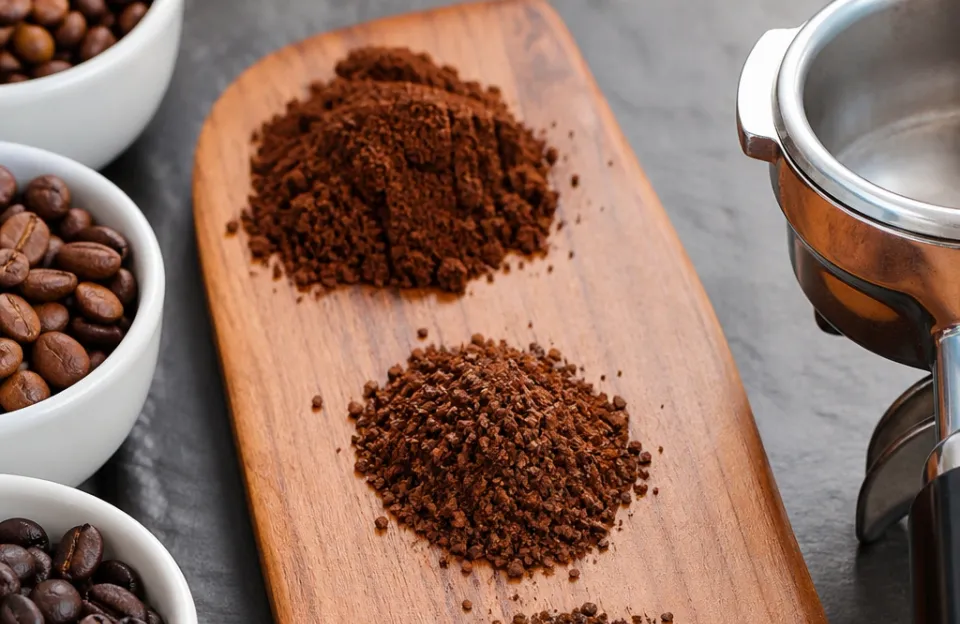
You need a medium-fine grind. It should feel like table salt. Rub a little between your fingers.
It should be gritty, but not powdery. Espresso powder is too fine for this pot. Do not use espresso grind.
It will clog the filter screen. Clogging causes dangerous pressure buildup.
Always grind your beans fresh if you can. Pre-ground coffee goes stale fast. Stale beans lose their good oils.
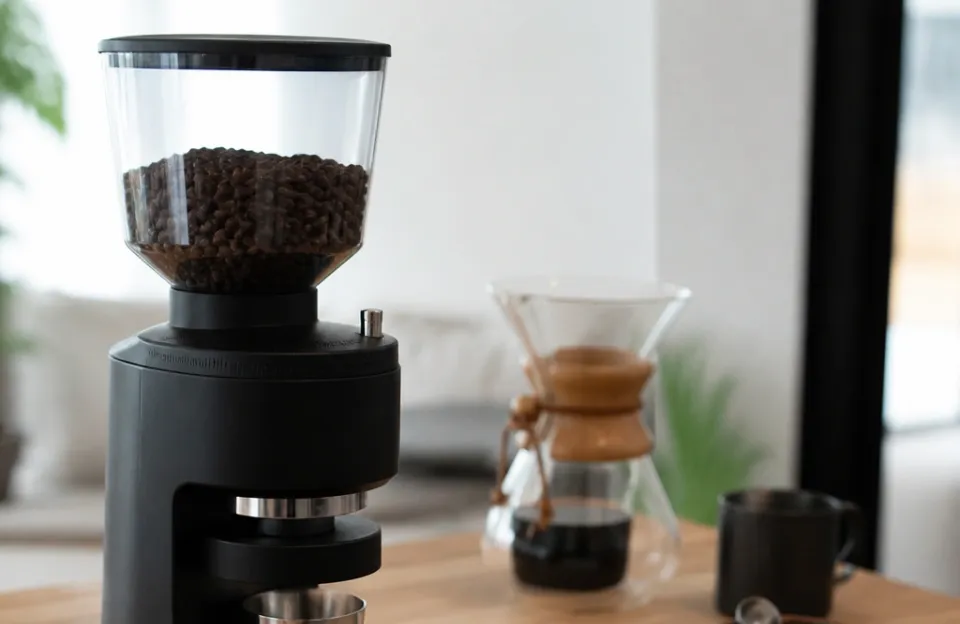
You end up with a flat, boring cup. A basic burr grinder works best here. Blade grinders chop beans unevenly.
You get big chunks mixed with fine dust. The dust will clog the filter. The chunks will let water slip by.
Fill the basket loosely. Do not press the grounds down. Tamping is for espresso machines.
Tamping blocks the flow in a stovetop pot. Just level off the top with your finger. Wipe away any loose grounds from the rim.
Stray grounds stop the rubber seal from closing tight.
Filling the Water Chamber
Use warm water to start. Cold water takes too long to boil. While it heats up, the coffee grounds sit in the hot metal basket.
They start to bake. Baked grounds taste bitter and burnt. Warm water cuts down the heating time.
Your coffee stays sweeter.
Look inside the bottom chamber. You will see a small metal valve. There is a line or mark near it.
Fill the water exactly to that line. Never cover the valve. The valve needs air space to work.
If you block it, pressure has nowhere to go. This is a major safety risk.
Do not use hard tap water if you can avoid it. Hard water leaves white mineral crusts inside the pot. Over time, this crust ruins the metal.
Use filtered water instead. It tastes cleaner. It also keeps the inside of your pot shiny.
Think of it like checking if your cooking surfaces stay safe from unwanted buildup over time.
Brewing on the Burner
Put the pot together carefully. Screw the top onto the bottom. Hold the base, not the handle.
The handle might snap if you twist it too hard. Make sure it is tight so steam does not leak out the sides.
Place the pot on the stove. Turn the heat to medium-low. High heat is bad news.
It boils the water too fast. Fast boiling scorches the coffee. Scorching makes the drink taste like ash.
Medium-low gives you a slow, steady rise.
Leave the top lid open while it brews. This lets you watch the flow. Soon, dark brown coffee will start to ooze out of the center column.
It should flow smoothly. It should look like warm honey.
If it shoots out fast and sputters, your heat is too high. Take it off the flame for a second. Let it calm down.
Put it back on lower heat.
Listen closely to the pot. Near the end, it will make a gurgling noise. That sound means the water chamber is almost empty.
Steam is starting to push through the tube. When you hear that gurgle, take the pot off the heat right away.
Run the bottom under cold tap water. This stops the brewing instantly. If you leave it on the hot stove, the leftover heat burns the last drops.
Those burnt drops mix into your cup. Cooling the base prevents that ruined flavor. For more tips on managing heat properly, see how proper timing and temperature control protects food from burning.
What the Final Cup Tastes Like
Expect a very strong drink. It hits your tongue hard. It has deep chocolate and nut notes.
It is much heavier than drip coffee. Many people say it tastes close to espresso. But it is slightly thinner.
It lacks that syrupy thickness you get from a 9-bar pump.
Because it is so strong, most people do not drink it plain. A straight shot from this pot can be too intense for some. It is a great base for other drinks.
Mix it with hot milk for a latte. Heat the milk in a small pan first. Pour the strong coffee into a mug.
Add the hot milk on top. You get a creamy, rich breakfast drink.
Pour it over ice for a cold drink. The heavy body stands up well to melting ice. Watery drip coffee turns clear and gross over ice.
This brew stays dark and tasty.
Add hot water to make an Americano. This stretches one small pot into a larger mug. It softens the harsh edges.
You still get the rich flavor, just less punch.
Cleaning Without Ruining the Metal
Never put an aluminum pot in the dishwasher. The detergent strips the metal bare. It will oxidize.
Oxidized aluminum turns black and chalky. Hand wash it every single time.
Wait for the pot to cool down completely. Unscrew the top from the bottom. Dump the spent coffee puck into the trash.
Do not bang the basket against the sink edge. Hitting it bends the thin metal rim. A bent rim will not sit flat next time.
Rinse all three parts with warm water. Do not use dish soap. Soap strips away the coffee oils that season the metal.
Without those oils, your next batch tastes metallic. Just use your fingers to rub away stuck grounds.
Take out the rubber ring and the metal filter plate. Wash under them. Coffee oils hide there.
Old oils go rancid. Rancid oil makes your fresh coffee taste sour and dirty.
Dry every piece with a towel right away. Do not let them air dry. Water spots cause rust on steel.
Water spots cause pitting on aluminum. Leave the pot unscrewed when you store it. Trapping air inside causes bad smells.
Keeping things spotless is just as important as knowing which replacement racks fit securely in your other gear.
Fixing Bitter or Weak Brews
Sometimes your coffee tastes wrong. Usually, it is too bitter or too weak. Both problems are easy to fix.
Bitter coffee means you burned the beans. Your stove heat was too high. Next time, drop the dial down.
Try a lower setting. Bitterness also comes from leaving the pot on the burner too long. Remember to pull it off when it gurgles.
Run the base under cold water fast.
Weak coffee means the water moved too fast. Check your grind size. Was it too chunky?
Grind it finer next time. Aim for that table salt feel. Weak coffee also happens if you packed too little grounds in the basket.
Always fill the basket to the top. Level it off flat. Do not leave empty space.
Sour coffee means the water did not get hot enough. Or the grind was too fine and choked the flow. If the pot barely drips, your grind is choking it.
Go slightly coarser.
If coffee leaks out the side threads, your seal is bad. Check the rubber ring. Is it cracked or flat?
Rubber rings wear out after a year or two. Buy a pack of replacements. They cost a few dollars.
Swap the old ring for a new one. Make sure you wiped the rim clean before screwing it shut. Grounds caught in the threads cause leaks too.
Safety Valves and Hot Metal
This pot uses boiling water and steam pressure. Treat it with respect. Always check the small safety valve before you brew.
Look at the bottom chamber. Find the little brass or copper pin. Press it gently with your fingernail.
It should move slightly. If it is stuck solid, do not use the pot. A stuck valve means pressure cannot escape.
The pot could burst. Throw it away and buy a new one.
Never walk away while it brews. It only takes four or five minutes. Stay in the kitchen.
Watch the flow. Listen for the gurgle. Leaving it unattended risks boiling it completely dry.
A dry pot melts the rubber ring. It can even warp the metal base.
The outside gets incredibly hot. Never touch the metal body while it is on the stove. Only hold the plastic or wooden handle.
Keep the handle turned away from other burners. A nearby flame can melt the plastic grip.
Let the pot cool fully before taking it apart. Opening a hot pot releases a cloud of steam. That steam can burn your face or hands.
Patience keeps you safe. Wait ten minutes after brewing. Then unscrew the base slowly.
Point the opening away from your body.
Why Home Cooks Still Love It
Electric machines break. Their pumps fail. Their screens die.
This metal pot has no wires. It has no moving parts. It just sits on your stove and works.
You can drop it, and it usually survives.
It is very cheap to buy. A good aluminum model costs less than a bag of fancy beans. Even a nice steel one costs far less than a plug-in brewer.
You save money right away.
It travels well. Toss it in a bag for a camping trip. Set it on a camp stove.
You get great coffee in the woods. You cannot do that with a bulky electric machine.
It forces you to pay attention. You have to listen to the sound. You have to watch the color change.
You learn what good coffee looks like as it flows. This builds your skills as a home cook. You start to understand heat and timing better.
Many people keep one just for the ritual. The smell of the brewing coffee fills the room. The bubbling sound wakes up the house.
It feels slower than pushing a button. But that slow pace is the point. It turns a quick habit into a real morning routine.