Stale coffee oil buildup ruins your morning cup faster than cheap beans ever could. You should clean a burr grinder every two weeks and wipe down a blade grinder after each use. A deep scrub of the whole machine belongs on your calendar once a month.
The Daily Wipe Down Routine
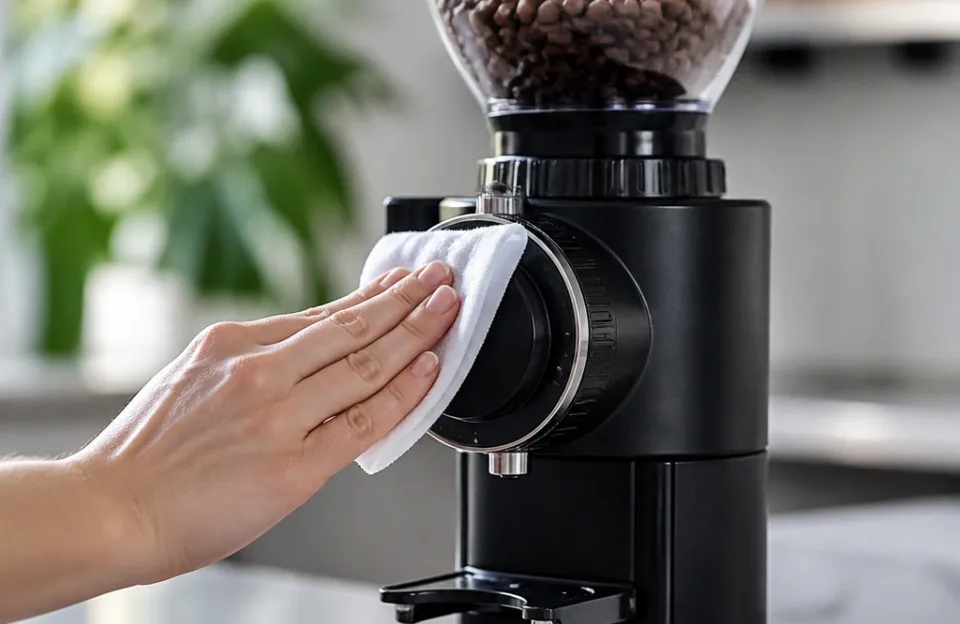
Coffee beans leave behind oils. These oils stick to plastic, glass, and metal. If you use a blade grinder, wipe it out daily.
Just unplug it first. Take a dry paper towel and rub the inside bowl. You will see brown smudges on the paper.
That is old coffee oil. Leaving it there makes your next batch taste bitter.
A quick brush works well too. Many grinders come with a small cleaning brush. Use it to sweep grounds off the lid and the rim.
Do this right after you grind. Don't wait until tomorrow. Damp grounds get stuck in corners fast.
Once they dry, they turn into hard little rocks.
You don't need soap for this quick job. Water is actually bad here. Most small home grinders have motors that hate moisture.
A drop of water near the blade base can cause rust. Rust means metal flakes in your drink. Stick to dry tools only.
Just a brush or a dry cloth does the trick.
Weekly Burrs And Chute Care
Burr grinders need more attention than blade models. They have tight spaces where grounds hide. Plan to spend five minutes a week on them.
Unplug the machine before you start. Remove the top burr set. Most twist off by hand.
Check your manual if it feels stuck. Never force a burr loose.
Take your stiff brush and sweep the bottom burr. Brush in circles. You want to push grounds out of the teeth.
Look down the chute where the coffee falls. It gets clogged easily. A clogged chute slows down your grind.
It also traps old oils. Push the brush bristles down the chute to clear it.
Tap the removable top burr against the edge of the trash can. This knocks loose clumps of dust. Brush the teeth gently.
Burr edges are sharp but fragile. Banging them hard chips the metal or ceramic. A chipped burr gives you uneven grounds.
Uneven grounds make sour espresso. Treat these parts with care.
Wipe the hopper out with a dry cloth. The hopper is the plastic bin on top. Oils creep up the sides over time.
If you buy flavored beans, this step matters even more. Flavor syrups leave sticky residue. That residue transfers to plain beans later.
Nobody wants vanilla-tasting dark roast unless they asked for it.
If you brew espresso daily, weekly cleaning keeps shots pulling right. Dialing in espresso depends on consistent particle size, which ties directly into how different brewers work. A dirty grinder ruins that consistency fast.
Monthly Deep Cleaning Steps
Once a month, take the whole routine further. This applies to both burr and blade styles. You need to remove built-up grease that brushing misses.
For burr grinders, take out all removable parts again. Wash the hopper and the grounds bin in warm soapy water. Only wash parts the maker says are safe for water.
Let them air dry completely. Bone dry. Even one drop of water left on a steel burr causes rust spots.
For the burrs themselves, use grinder cleaning tablets. These look like pale green or white pellets. You run them through the machine just like beans.
The tablet absorbs trapped oils as it crushes. Follow the package directions for the amount. Usually, one capful is plenty.
Run the grinder until the pellets turn to powder. Then run a small handful of cheap coffee beans through. Throw those sacrificial beans away.
They catch leftover tablet dust.
Blade grinders don't take tablets well. Instead, grind a tablespoon of raw white rice. The rice acts like sandpaper.
It scrubs the blades and the bowl walls. It also soaks up rancid oils. Dump the rice flour out.
Wipe the bowl with a slightly damp cloth, then dry it instantly. Keep moisture far from the motor base.
Check the power cord during your monthly check. Look for frayed wires near the plug. Kitchen counters get messy.
Spilled liquids and heavy appliances wear cords down. Safety comes first. If the cord looks damaged, stop using the unit.
Dark Roasts Demand More Scrubbing
Not all beans act the same. Dark roasts are oily. Very oily.
If you drink French or Italian roasts, your grinder gets dirty twice as fast. Those shiny beans leave thick black grease on everything. You might need to deep clean every two weeks instead of four.
Light roasts are dry. They look matte and feel hard. They leave less mess behind.
But they are harder to crush. Your motor works harder on light beans. Keeping the burrs clean helps the motor spin freely.
Less friction means less heat. Heat cooks the grounds while you grind them. Cooked grounds taste flat and dull.
Flavored coffees are the worst offenders. Hazelnut or caramel coatings are basically liquid sugar baked onto beans. Sugar melts from friction heat.
It coats the burrs in a sticky glaze. Once that glaze hardens, it cements grounds in place. Avoid putting flavored beans in a nice burr grinder.
Buy a cheap blade grinder just for those. Keep the mess contained.
Switching between bean types leaves ghost flavors. Grinding a spicy dark blend right before a fruity light roast mixes the tastes. A quick purge run fixes this.
Grind two tablespoons of the new beans and toss them. This pushes out the old leftovers.
Spotting A Dirty Grinder Fast
Your coffee tells you when the machine needs help. Pay attention to the taste. A harsh, bitter bite usually means old oil buildup.
Rancid oil tastes like burnt rubber. No amount of fresh beans fixes that flavor if the burrs are coated in sludge.
Listen to the motor. A clean grinder hums at a steady pitch. A clogged one groans or changes speed.
It sounds like it is choking. That means grounds are packed tight somewhere. Turn it off immediately.
Digging around while it runs risks broken fingers or shattered burrs.
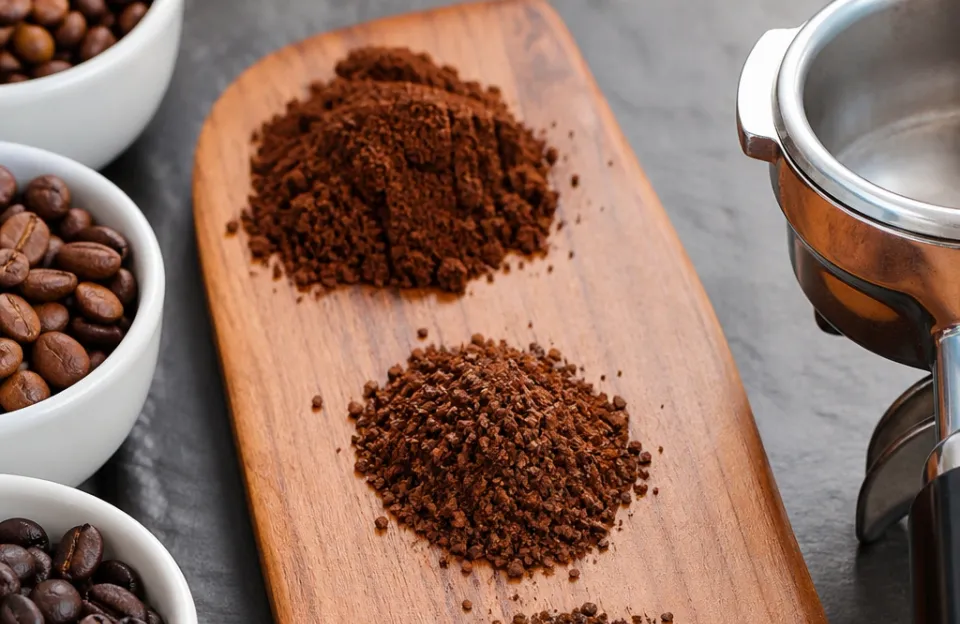
Look at your grounds. Pour them onto a white plate. Are there huge chunks mixed with fine dust?
That is a sign of trouble. It could mean worn burrs. It often just means packed coffee dust pushing the burrs apart.
Clean the machine first. If the grind stays uneven after a good scrub, the burrs might need replacing.
Smell the empty hopper. Lean in close. It should smell faintly of coffee or nothing at all.
A sour, musty, or chemical smell means bacteria or mold found a home. Coffee dust holds moisture from the air. Warm kitchens speed up mold growth.
Wash the hopper right away if it stinks.
Tools That Actually Work Well
You don't need fancy gear. A stiff nylon brush is the best tool you can own. Paintbrushes work okay, but their bristles bend too much.
You need firm push to dislodge packed dust. Many brands sell specific grinder brushes. They have angled heads to reach under the burrs.
Pick one with natural or stiff nylon bristles.
Microfiber cloths grab oils better than paper towels. Paper towels leave lint behind. Lint gets ground into your next cup.
A small square of microfiber wipes the hopper clean without shedding. Keep one just for coffee gear. Don't use the one you wipe up stove spills with.
Soap residue from kitchen rags ruins coffee flavor.
Cleaning tablets save time. Brands like Urnex make them specifically for mills. They cost about ten dollars for a jar.
That jar lasts a year for most home users. They break down safely and don't leave toxic traces. Rice works in a pinch, but tablets do a better job on heavy grease.
Compressed air cans seem smart but cause problems. They blow dust deeper into the motor housing. They also spray freezing liquid propellant if held wrong.
That cold shock cracks ceramic burrs. Skip the canned air. Stick to brushes and vacuums.
A small shop vacuum hose sucks loose grounds out nicely.
Using a small handheld vacuum around your coffee station prevents stray grounds from building up on the counter in the first place.
What Happens When You Wait Too Long
Neglect has real costs. Old coffee oil goes rancid. Rancid oil breeds bacteria.
You won't get severely sick from it like you would from raw meat, but stomach aches happen. The FDA outlines general food safety standards for handling kitchen equipment, and keeping dry goods free from rot fits right in. Bitter, foul-tasting coffee is your body's warning sign.
Mechanical failure is the bigger risk. Packed grounds create drag. The motor strains to spin the burrs.
Strain creates excess heat. Heat melts plastic gears inside the base. Replacing a melted gear costs almost as much as a new grinder.
Sometimes more.
Burrs wear out faster when they are dirty. Gritty buildup acts like sandpaper on the cutting edges. Steel burrs last for hundreds of pounds of coffee when kept clean.
Neglected ones go dull in half that time. Dull burrs smash beans instead of slicing them. Smashed beans brew weak, watery cups.
Mold loves dark, dusty places. A neglected grinder bin is a perfect mold hotel. If you see fuzzy white or green spots, throw away any beans in the hopper.
Scrub every removable part with hot soapy water. Dry them in direct sunlight. Sun kills lingering spores.
Blade Versus Burr Maintenance Differences
Blade grinders are simple. They have one spinning piece of metal shaped like a propeller. You can't take the blade out safely.
Everything happens inside the single bowl. Because you can't separate the parts, deep cleaning is limited. The rice trick is your main weapon.
Wiping the bowl is your daily habit. They are cheap to replace if they get too gross.
Burr grinders are complex. They have two grinding plates. One spins, one stays still.
You can take the top plate off. This opens up the whole chamber. You get full access to sweep and vacuum.
This design makes thorough cleaning possible. It also makes it mandatory. There are more hiding spots for grease.
Ceramic burrs handle washing better than steel. Some makers say you can rinse ceramic sets under the tap. Always read the manual first.
Steel burrs almost never tolerate water. They flash-rust within hours. If you accidentally wet steel burrs, dry them with a hair dryer on low heat immediately.
Coat them lightly with a dry brush afterward.
The motor placement differs too. Blade units have the motor right under the bowl. Spills go straight into the electronics.
Burr machines usually have longer chutes separating the grinding area from the base. This protects the motor but adds another tube you have to brush out.
Storing Beans To Slow Buildup
How you store beans changes how fast your grinder gets dirty. Keep beans in an airtight container. Clear glass jars on the counter look nice but let light in.
Light degrades oils quickly. Degraded oils turn sticky faster inside the mill. Opaque metal or ceramic canisters work best.
Don't keep beans in the hopper for weeks. The hopper lid isn't truly airtight. Air flows in.
The beans go stale. Stale beans shed more chaff and dust. Dust clogs the chute.
Only put enough beans in the hopper for a day or two. Store the rest in a sealed bag or canister in a cool cupboard.
Freezing beans is a debated topic. If you freeze them, let them thaw fully before grinding. Frozen beans sweat when they hit room temperature.
That condensation drips into your burrs. Moisture plus coffee dust equals cement. It gums up the works fast.
Thaw them in the sealed bag so the moisture stays outside.
Buying smaller bags helps. A massive five-pound bag sits around for months. By the end, the oils are breaking down.
Fresh beans grind cleaner. They shatter evenly and leave less greasy residue. Buy what you drink in two weeks.
Quick Reference Cleaning Schedule
Keep a mental note of these timeframes. Daily means after your last cup. Weekly means every Sunday morning.
Monthly means the first weekend of the month. Setting a phone alarm helps build the habit.
- Daily: Empty the grounds bin. Wipe the hopper lid. Brush loose dust off the rim.
- Weekly: Remove top burr. Brush teeth and chute. Tap out stuck clumps. Wipe hopper walls.
- Monthly: Run cleaning tablets or rice. Wash hopper and bin with soap. Vacuum base vents. Check power cord.
- Quarterly: Inspect burr edges for dullness. Look for hidden mold in crevices. Wipe down the exterior base with a damp cloth (unplugged).
This rhythm takes very little time. Five minutes a week saves you from buying replacement parts. It keeps your coffee tasting bright and sweet.
A clean mill respects the effort farmers put into growing good beans.
Skipping weeks adds up. Miss one weekly brush, and you just have extra dust. Miss three, and the oils bake onto the metal.
Baked oil requires soaking and scraping. Don't let it get to that point. Consistency beats intensity.
Short, frequent sweeps beat one massive yearly teardown.
Pay attention to your environment. Humid kitchens cause faster spoilage. Summer heat softens oils.
You might need to bump your monthly deep clean to every three weeks in July and August. Winter dry spells let you relax slightly. Adjust based on what your eyes and nose tell you.
If you switch brewing methods often, your grind size changes constantly. Moving from coarse French press to fine espresso forces the adjustment dial to shift back and forth. This movement scrapes grounds into threads and gaps.
Users who change sizes daily should lean toward the heavier end of the cleaning schedule. Sticking to one size lets the machine stay settled longer.