Air fryer hot dogs take about 5 to 7 minutes at 400°F. You get a blistered, slightly charred casing and a heated center without boiling water or standing over a grill. That speed makes them a reliable option for quick lunches or feeding a crowd when you don't want to fire up the stove.
This guide covers the exact temperatures, timing adjustments for different sizes, and why the dry heat changes the texture compared to other methods. We'll also look at prep steps that prevent messy blowouts, how to warm the buns in the same basket, and what toppings hold up best after cooking.
Why Hot Air Changes the Casing Texture
A standard hot dog is already fully cooked during manufacturing. The goal of heating one at home is reaching a safe internal temperature while improving the exterior. Boiling submerges the meat in water, which plumps the casing and leaves it soft.
Grilling adds smoke and char but requires managing flare-ups from dripping fat.
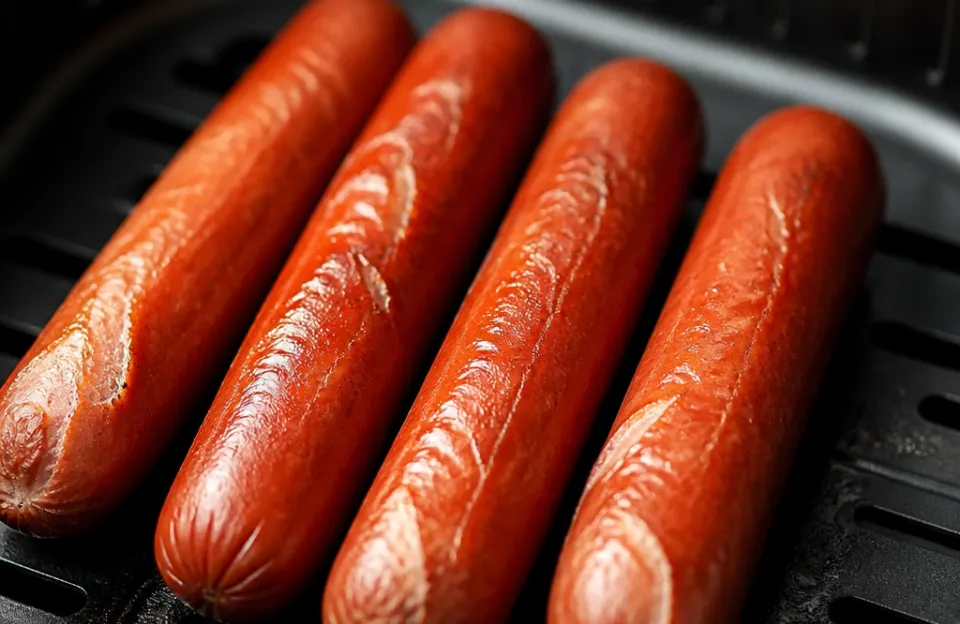
An air fryer circulates hot air rapidly around the food. This dry environment pulls surface moisture away from the casing. As the moisture evaporates, the skin tightens and blisters.
The result is a snap when you bite through it. The interior stays moist because the cooking time is so short.
The rapid air circulation also browns the proteins and sugars on the surface. This Maillard reaction happens faster in dry heat than in a microwave or a pot of water. You get those familiar dark spots and split edges that usually only happen on a grill grate.
Standard Beef Franks Versus Poultry Varieties
Beef and pork franks contain more fat than poultry versions. That fat renders slightly under high heat, helping the casing crisp up. Chicken or turkey dogs have less fat and a thinner casing.
They tend to dry out faster if left in the basket too long.
If you are cooking mixed types together, pull the poultry dogs out a minute or two early. Checking their progress prevents them from turning tough. I've found that beef dogs handle the full 7 minutes easily, while turkey dogs often finish closer to the 5-minute mark.
For anyone tracking macros across different proteins, comparing calorie counts between styles helps plan the rest of the meal.
Frozen Dogs Straight From the Freezer
You can cook frozen hot dogs in the machine without thawing them first. Add 2 to 3 minutes to the total cook time. The outside will blister while the inside thaws and heats through.
Frozen dogs sometimes release more moisture as they thaw in the basket. This extra steam can slow down the crisping process slightly. Patting them dry with a paper towel halfway through isn't practical, so just expect a slightly softer casing than you'd get from fresh ones.
| Type | Temperature | Cook Time | Notes |
|---|---|---|---|
| Standard fresh (beef/pork) | 400°F | 5 to 7 min | Best blistering and snap |
| Poultry fresh (chicken/turkey) | 400°F | 4 to 6 min | Watch for drying out |
| Jumbo or stadium size | 400°F | 7 to 9 min | Needs more time for center heat |
| Frozen (any type) | 400°F | 7 to 10 min | Extra moisture slows crisping |
Prepping the Basket and the Meat
Skipping prep leads to sticking or uneven cooking. A few seconds of work before you press start makes a noticeable difference in the final result.
Lightly coat the basket with cooking spray or brush it with a neutral oil. Even though hot dogs contain fat, the casing can bond to an uncoated wire rack when exposed to intense, direct heat. Non-stick baskets still benefit from a quick spray, especially if yours has seen heavy use.
If you frequently cook proteins that stick, keeping your basket surfaces well maintained prevents frustration later.
Space the hot dogs out in a single layer. Leave a small gap between each one. Crowding the basket blocks the airflow.
When air can't circulate freely, the sides facing other dogs stay pale and soft instead of blistering.
Scoring the Surface to Prevent Bursting
Casings trap steam as the interior heats up. If the pressure builds faster than it can escape, the dog splits open violently. This leaves jagged tears and sometimes blows bits of meat into the heating element.
Score the surface to control where it splits. Take a sharp knife and cut three or four shallow diagonal lines along the top. Cut just deep enough to pierce the casing, about an eighth of an inch.
Don't slice all the way through the meat. These cuts give the steam a designated exit route. The edges of the scores will curl back and crisp up, giving you more surface area for toppings to cling to.
Some people prefer to butterfly them entirely by cutting almost all the way through lengthwise and pressing them flat. This maximizes the crispy surface area. If you butterfly them, reduce the cook time by a minute or two since the meat is thinner and exposed directly to the heat.
Light Oil and Seasoning Options
Hot dogs are heavily seasoned during processing, so adding salt is rarely necessary. A very light mist of oil helps conduct heat into the casing faster. It also gives dry spices something to stick to.
If you want extra flavor, roll the scored dogs in a mix of smoked paprika, garlic powder, and black pepper before placing them in the basket. The dry heat toasts the spices. Avoid sugar-heavy rubs.
Sugar burns quickly at 400°F and turns bitter before the meat finishes heating.
Cooking Times and Temperatures for Air Fryer Hot Dogs
Setting the right temperature is the most important variable for air fryer hot dogs. Too low, and they just warm up without browning. Too high, and the casing chars before the center gets hot.
Set the dial to 400°F. This temperature is high enough to trigger rapid blistering on the casing within the first few minutes. Preheat the unit for 3 minutes if your model recommends it.
Dropping cold meat into a preheated basket starts the searing process immediately.
Cook standard-sized dogs for 5 to 7 minutes. Open the basket at the 4-minute mark to check their progress. Shake the basket gently or use tongs to roll them over.
Turning them exposes the bottom side to the direct airflow from the top heating element.
Verifying Internal Heat Safely
Since commercial hot dogs are pre-cooked, you are reheating them rather than cooking raw meat. However, heating them thoroughly improves both safety and texture. The USDA recommends reheating pre-cooked processed meats until they are steaming hot, particularly for individuals in higher-risk groups who need to avoid bacteria like Listeria.
More details on handling processed meats safely are available via USDA food safety guidelines.
If you want to be precise, check the internal temperature with a probe. A fast-reading tool saves time here since leaving the basket open drops the ambient heat quickly. I keep a quick-read digital thermometer in the drawer specifically for tasks where every second the door is open matters.
You're looking for 165°F in the center.
Don't guess by squeezing them. A soft exterior doesn't always mean the core is hot, especially with thicker jumbo dogs. If you cook larger batches regularly, a reliable wireless probe setup lets you monitor the temp without opening the drawer at all.
Adjusting for Different Machine Sizes
Basket-style models and oven-style models circulate air differently. Smaller basket units concentrate the heat closer to the food. They might finish the job in 5 minutes.
Larger oven-style units have more volume to heat, so they might need the full 7 minutes or even 8.
Pay attention during your first batch. Note exactly when the casing starts to blister. Use that as your baseline for future batches in that specific machine.
Wattage varies widely between brands, so a time that works perfectly in a 1500-watt unit might leave a 1700-watt unit's batch scorched.
Warming Buns Without Drying Them Out
Cold buns ruin a good hot dog. Putting bread in the air fryer at 400°F turns it into a crouton within two minutes. You need a gentler approach to warm them without removing all the moisture.
Wait until the hot dogs are done. Remove the meat and set it aside on a plate. Lower the temperature to 300°F.
Place the open buns in the basket face up. Warm them for 1 to 2 minutes maximum. Check them at 60 seconds.
You want them soft and warm, not toasted hard.
If you prefer a toasted interior, leave them in for 2 to 3 minutes at 320°F. Keep a close eye on them. Bread goes from lightly toasted to burnt very fast in circulating dry heat.
Another method involves wrapping the buns loosely in aluminum foil before putting them in the basket. The foil traps the bread's own moisture, steaming it slightly while the ambient heat warms it through. This takes about 2 minutes at 350°F and results in a very soft, pliable bun that won't crack when you bend it.
Toppings That Hold Up After Cooking
When you cook hot dogs this way, the casing shrinks slightly and becomes rigid. Adding wet toppings immediately can cause the blistered skin to soften too fast if you let them sit. Assemble them right before eating.
Mustard, ketchup, and relish are standard. Apply them directly into the score marks you cut earlier. The cuts act as channels, holding the condiments instead of letting them slide off the curved surface.
If you like melted cheese, place a slice on the dog during the last 60 seconds of cooking. Close the basket and let the residual heat melt it. Adding cheese too early causes it to blow off the meat and melt onto the basket floor.
For something with more punch, try spooning on a heavier topping like chili or a thick sauce. Heavier sauces pair well with the firmer texture you get from dry heat. If you enjoy bold flavors, adapting a spicy garlic butter mixture to drizzle over the top adds serious richness.
Avoid delicate fresh herbs before cooking. They will burn at 400°F. Add fresh diced onions, cilantro, or jalapeños after the meat comes out of the basket.
The heat of the dog will slightly wilt them without destroying their crunch.
Building a Quick Batch for a Crowd
Scaling up requires planning around your basket size. Most standard air fryers fit 4 to 6 hot dogs comfortably in a single layer. Trying to stack 12 in a small basket guarantees uneven cooking.
The ones buried at the bottom will steam instead of roast.
Cook in batches. Keep the finished ones warm in a regular oven set to 200°F while you run the next batch. The holding oven won't continue to crisp the casing aggressively, so they maintain their texture.
Prep all the scoring and seasoning before you turn the machine on. Having everything ready means the transition between batches takes seconds instead of minutes. If you are pairing these with other appetizers for a gathering, running a batch of sweet glazed wings alongside them uses the appliance efficiently.
Just wipe the basket out between the sweet glaze and the hot dogs to prevent flavor transfer.
Things That Go Wrong and How to Fix Them
Even a simple task like reheating a frankfurter has failure points. Dry heat is unforgiving if you walk away.
Split casings that explode. This happens when you skip scoring the meat or set the temperature above 400°F. The steam expands faster than the skin can stretch. Always score the tops, and stick to the recommended temperature.
Uneven browning. One side is black while the other is pale. This means you didn't shake the basket or turn them halfway through. The heating element sits at the top of most machines.
Food directly under it cooks faster. Roll them at the 3 or 4-minute mark.
Shriveled, tough meat. You left them in too long. Because they are thin and pre-cooked, going 3 minutes past the ideal time dries out the protein structure. Set a timer.
Don't rely on memory.
Sticking to the wire rack. Skipping the oil spray causes this. The proteins in the casing bond to the metal when heated. Always apply a light coating of oil to the basket before loading the meat.
Smoke filling the kitchen. Fat rendering off the dogs drips through the basket and hits the hot bottom pan. Put a tablespoon of water in the bottom drawer beneath the basket. The water catches the dripping fat and prevents it from smoking.
This trick works for any fatty food cooked in these machines. If you're experimenting with other proteins that render heavily, checking how others prep their baskets for fats keeps your kitchen clear of smoke.
Frequently Asked Questions
Can you put aluminum foil under hot dogs in the basket?
Yes, you can line the bottom of the basket with foil to catch grease and make cleanup easier. Leave the edges clear so air can still flow up through the basket holes. Blocking the airflow completely stops the crisping process and increases cook time significantly.
Never put foil in the machine during preheating without food weighing it down, as the fan will blow it into the heating element.
Do you need to add water to the drawer?
Adding water isn't required for cooking the dogs themselves. However, placing a tablespoon or two of water in the bottom drip pan prevents rendered fat from smoking. The water lowers the temperature of the dripping grease before it hits the hot metal.
This is especially helpful with high-fat beef franks.
Are air fryer hot dogs healthier than grilled ones?
The nutritional profile of the meat doesn't change based on the heating method. You aren't adding oil to deep fry them, so the calorie count remains identical to grilling or boiling. The main difference is texture.
Dry heat removes surface moisture, concentrating the flavor slightly, but it doesn't remove sodium or preservatives from the processed meat.
How do you keep them warm for a party?
Transfer cooked hot dogs to a baking sheet and place them in a conventional oven set to 170°F or 200°F. They will hold safely for about 30 to 45 minutes before the casings start to wrinkle and dry out. Don't leave them in the turned-off air fryer basket, as the residual concentrated heat continues to cook them.
Can you cook corn dogs using the same method?
Corn dogs require different timing because of the thick batter coating. The batter needs time to crisp without burning while the interior meat heats through. Lower the temperature to 375°F and increase the time to 8 to 10 minutes.
Turn them halfway. If the batter starts getting too dark before the center is hot, tent them loosely with foil for the remaining time.
Why did my hot dogs shrink so much?
All processed meats shrink when heated as proteins contract and moisture evaporates. High, dry heat accelerates this moisture loss compared to boiling. To minimize shrinking, don't exceed 7 minutes for standard sizes.
Overcooking forces out the remaining water content, resulting in a smaller, tougher piece of meat.
Before You Load the Basket
Air fryer hot dogs solve the problem of wanting a charred, snappy casing without dealing with charcoal or a dirty stovetop. The entire process takes under 10 minutes from prep to plate. Score the tops to control the split, space them out so the air moves freely, and pull them when the blisters look right.
Keep a thermometer handy if you're unsure, and always warm your buns separately at a lower temperature so they don't turn into toast. Once you dial in the exact timing for your specific machine, you won't go back to boiling them.