Removing smell from an air fryer takes about 15 to 30 minutes using basic kitchen staples like white vinegar, baking soda, or lemon. The process involves washing the removable parts, wiping down the interior, and running a short heating cycle with a deodorizing agent to burn off trapped grease odors.
If your machine smells like old fish, burnt plastic, or stale oil every time you turn it on, the odor is coming from baked-on grease or leftover food particles hiding in the basket, heating element, or fan area. Washing the basket after cooking crispy chicken for meal prep isn't always enough to stop smells from building up over weeks of use. This guide covers how to remove smell from an air fryer completely, which household items work best, and how to keep the odors from returning.
Why Your Air Fryer Smells Bad After Cooking

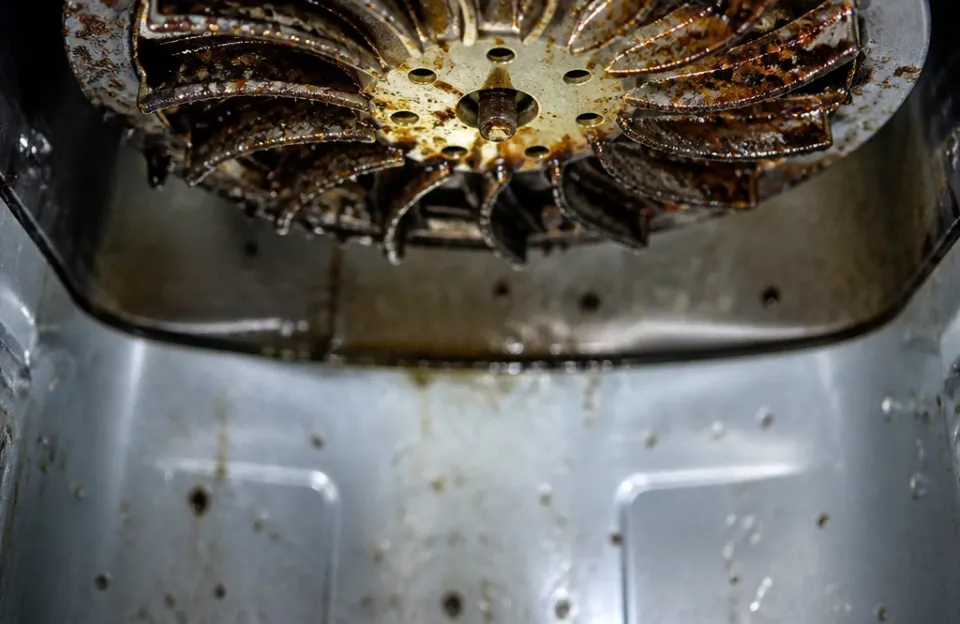
Air fryers cook food by circulating hot air at high speeds around a small chamber. That rapid airflow splatters grease and tiny food particles onto the heating coil, the fan blades, and the upper walls of the machine. Over time, these deposits bake into a sticky, carbonized layer.
When you turn the appliance on again, that old grease reheats and releases a foul, smoky odor directly into your food.
Fish, heavily spiced meats, and fatty foods like bacon leave the strongest lingering scents. If you recently cooked bacon, checking how long bacon needs inside helps prevent burning, but even perfectly cooked bacon leaves behind rendered fat that clings to the nonstick coating. The smaller the appliance, the faster these odors concentrate.
A compact unit will trap smells much faster than a large oven-style model because there is less volume for the air to move through.
New air fryers also produce a distinct chemical or burning plastic smell during their first few uses. Manufacturers apply protective coatings to the heating elements and interior metals to prevent rust during shipping. That factory coating burns off when exposed to high heat for the first time.
This initial off-gassing is normal and usually disappears after one or two empty test runs.
Supplies That Neutralize Trapped Grease Odors
You don't need specialty cleaning chemicals to fix this problem. The most effective supplies are already in your pantry.
- White distilled vinegar. Vinegar contains acetic acid, which breaks down grease bonds and neutralizes alkaline odor molecules.
- Baking soda (sodium bicarbonate). Baking soda absorbs odors rather than just masking them. It also acts as a mild abrasive for scrubbing without scratching nonstick surfaces.
- Lemons. Citric acid cuts through fat, and the natural oils in lemon rinds leave a fresh scent.
- Mild dish soap. Use a grease-cutting formula without heavy artificial fragrances, which can leave their own residue when heated.
- Soft sponge or microfiber cloth. Avoid steel wool or harsh scouring pads. Scratching the nonstick coating creates tiny grooves where grease hides permanently.
Avoid aerosol degreasers or oven cleaners. These products contain harsh solvents that can damage the nonstick coating and leave toxic residues near the heating element. According to general safety guidelines from the FDA regarding food contact surfaces, you should only use cleaning agents approved for surfaces that touch food.
How to Remove Smell From an Air Fryer Using Vinegar Steam
The vinegar steam method is the fastest way to clear out odors trapped in the upper heating assembly, which you can't easily reach with a sponge.
- Unplug the machine and let it cool completely if it was recently used.
- Remove the basket and crisper plate. Wash them in warm, soapy water. Set them aside to dry.
- Pour half a cup of white vinegar and half a cup of water into a small, oven-safe bowl or ramekin that fits inside your basket.
- Place the bowl inside the basket and slide it back into the machine.
- Turn the temperature to 350°F (175°C) and run it for 10 to 15 minutes.
- The mixture will boil and release acidic steam throughout the interior chamber. This steam loosens baked-on grease on the heating coil and neutralizes odor molecules in the air pathways.
- Turn off the appliance and unplug it. Leave the door or basket closed for another 10 minutes so the steam keeps working as it cools.
- Open the machine carefully to avoid the remaining hot vapor. Remove the bowl.
- Wipe down the interior walls and the area beneath the heating element with a damp microfiber cloth. You will likely see greasy residue wiping away easily.
This method works exceptionally well after cooking strong-smelling seafood. If you plan on making salmon soon, knowing the right timing for salmon prevents overcooking, but even perfectly timed fish leaves a scent that benefits from a quick vinegar steam afterward.
Clearing Lingering Scents With a Baking Soda Paste
Vinegar steam handles the upper cavity, but stubborn smells often cling to the basket and crisper plate mesh. Baking soda pulls these deep-set odors out.
Mix three tablespoons of baking soda with one tablespoon of water to form a thick paste. Apply this paste directly to the basket, focusing on the corners and the wire mesh where grease pools. Let the paste sit for at least 30 minutes.
For severe odors, leave it overnight.
After the waiting period, scrub the paste gently with a soft sponge. The slight grit of the baking soda lifts carbonized food bits without damaging the finish. Rinse thoroughly with warm water.
If any powdery residue remains, it will burn and smoke the next time you turn the heat on, so rinse until the water runs completely clear.
For odors trapped in the main body of the appliance, place a small bowl filled with dry baking soda inside the cold, unplugged machine. Close the drawer and leave it for 24 hours. The powder will absorb ambient odors sitting in the enclosed space.
Discard the baking soda afterward. Do not attempt to run the machine with dry baking soda inside while it is turned on, as the fan will blow the powder into the motor housing.
Using Lemon Heat Cycles for Fresh-Smelling Interiors
Lemon offers a milder alternative to vinegar and leaves a brighter scent. This approach works well for maintenance cleaning between heavier deep cleans.
Cut a fresh lemon in half. Squeeze the juice into a small oven-safe dish, then drop the squeezed halves into the same dish. Add about a quarter cup of water.
Place the dish in the basket. Run the appliance at 350°F for 10 minutes.
The citric acid breaks down light grease films, and the heat releases the essential oils from the lemon rind. Once the cycle finishes and the unit cools, wipe the interior with a damp cloth. The lingering citrus scent masks any faint remaining odors while the acid continues to break down surface grime.
You can also rub a cut lemon half directly over the cooled crisper plate before washing it. The physical friction of the fruit pulp combined with the acid tackles spots where oil has dried into a sticky film.
| Method | Best Used For | Time Required | Odor Strength Handled |
|---|---|---|---|
| Vinegar Steam | Heating element, fan area, upper walls | 25-35 minutes | Strong (fish, burnt oil) |
| Baking Soda Paste | Basket, crisper plate, mesh corners | 45+ minutes | Moderate to Severe |
| Lemon Heat Cycle | Light maintenance, freshening up | 15-20 minutes | Mild (stale air, spices) |
| Dry Baking Soda Bowl | Ambient odors inside the closed cavity | 24 hours | Lingering background smells |
Cleaning the Heating Element Directly
Most people figure out how to remove smell from an air fryer by washing the basket, yet they ignore the heating element entirely. The coil sits at the top of the inner chamber, directly above the food. Every time grease pops upward, it hits this metal surface and bakes on instantly.
Always unplug the appliance and let it cool for at least 30 minutes before attempting this. Turn the machine upside down or tilt it back so you have a clear view of the coil. Inspect it under good lighting.
If you see dark, crusty spots or a greasy film, that is your primary odor source.
Dampen a soft cloth or a non-abrasive sponge with warm water and a single drop of dish soap. Wring it out until it is barely damp. Excess water dripping into the electrical components will ruin the machine.
Gently wipe the heating coil and the metal shield surrounding it. Move in the direction of the coil wraps to avoid snagging the cloth.
For hard, baked-on carbon spots, dip a soft-bristled toothbrush into a baking soda and water paste. Brush the spot lightly. Wipe away the loosened debris with your damp cloth.
Never use metal utensils or sharp scrapers on the heating element. Damaging the metal sheath exposes the internal wiring, creating a fire hazard.
Once wiped down, go over the area again with a cloth dampened only with plain water to remove any soap film. Soap residue will smoke and smell terrible the next time the coil reaches 400°F.
Fixing That Factory Chemical Smell in New Machines
A brand-new appliance often produces a sharp, synthetic odor during its first use. This happens because factories coat the metal components and heating coils with industrial oils to prevent corrosion during storage and shipping. When those oils meet high heat, they off-gas.
To get rid of this specific smell, you need to burn the coating off intentionally in a controlled way. Take the appliance outside or place it under a strong kitchen exhaust fan. Open nearby windows.
Remove all packaging materials, including any cardboard inserts or plastic tape holding the cord.
Wash the basket and crisper plate with warm soapy water, dry them, and put them back. Run the empty machine at its highest temperature setting, usually 400°F (200°C), for 15 to 20 minutes. Expect some light smoke and a strong chemical scent.
This is the protective layer burning away.
After the cycle finishes, let it cool completely. Wipe down the interior with a damp cloth to pick up any soot left behind by the burned oil. Run a second empty cycle at 400°F for 10 minutes.
The smell should be significantly reduced or gone entirely. If a faint scent lingers, run the vinegar steam method described above once to neutralize the final traces.
Different models handle this break-in period differently. Larger units, like this multi-function countertop cooker, might require slightly longer ventilation due to their bigger heating assemblies and more surface area coated at the factory.
Preventing Odors From Building Up Again
Knowing how to remove smell from an air fryer is useful, but preventing the buildup saves you time. Odors accumulate because microscopic layers of grease are left behind after every cook.
Wipe the interior walls with a paper towel or dry cloth immediately after cooking while the machine is still warm. Warm grease wipes away easily. Cold grease hardens and sticks.
Be careful not to touch the heating element during this quick wipe-down.
Avoid using aerosol cooking sprays directly inside the basket. Many commercial sprays contain soy lecithin and propellants that leave a sticky, gummy residue on nonstick coatings. This residue traps food particles and creates a persistent burnt smell.
Use a pump-action oil mister filled with pure olive or avocado oil, or brush a thin layer of oil directly onto the food instead.
Don't overload the basket. Crowding food blocks airflow, causing juices to pool at the bottom and burn against the base plate rather than dripping cleanly. Leaving space between items means cleaner cooking and fewer scorched drippings.
Whether you are figuring out the right timing for potatoes or tossing in frozen snacks, a single layer always yields better results and fewer smells.
Empty the drip tray or the bottom of the outer basket after every single use. Even if you don't see standing oil, a thin film collects there. Wash the removable parts with hot water and dish soap promptly.
Leaving dirty baskets sitting on the counter overnight gives grease time to oxidize and bond to the surface.
When the Smell Means Something Is Broken
Sometimes a bad odor points to a mechanical failure rather than a cleaning issue. If your appliance smells like melting plastic, burning rubber, or electrical ozone, stop using it immediately. Unplug it and do not attempt to clean it while powered.
A burning rubber smell often indicates a failing drive belt in models that use a paddle mechanism, or a deteriorating wire insulation near the heating element. An acrid, sharp electrical smell suggests a short circuit or a dying motor. These issues cannot be fixed with vinegar or baking soda.
Check your warranty status. Most reputable brands cover electrical defects for one to two years. Contact the manufacturer's customer support with your model number and purchase date.
Attempting to unscrew the outer casing to inspect the motor yourself usually voids the warranty and exposes you to dangerous capacitors that hold a charge even when unplugged.
If the machine is out of warranty and producing electrical burning smells, it has reached the end of its lifespan. Replacing the unit is safer than trying to repair internal wiring. You can explore options like this popular Ninja countertop model or other reliable replacements depending on your capacity needs.
Frequently asked questions
Can I use bleach to get rid of air fryer smells?
No. Bleach is highly corrosive and toxic when heated. Residual bleach on the basket or interior walls will release dangerous chlorine gas when the appliance reaches cooking temperatures.
Stick to food-safe acids like vinegar or lemon juice, and odor absorbers like baking soda.
Why does my air fryer smell like fish days after I cooked it?
Fish oils contain trimethylamine, a compound that binds aggressively to porous surfaces and plastics. Standard dish soap often fails to break this bond. You need an acid to neutralize it.
Running a vinegar steam cycle or wiping the interior with a lemon-soaked cloth breaks down the amine compounds and eliminates the lingering fish scent.
Will putting coffee grounds inside the basket absorb odors?
Dry coffee grounds can absorb ambient smells if left sitting in a cold, unplugged machine overnight. However, never run the appliance with coffee grounds inside. The intense airflow will blow the fine grounds directly into the heating element and fan motor, creating a massive fire risk and a terrible burnt coffee smell.
How often should I deep clean the heating element?
For average home use, wiping down the heating element once a month prevents significant grease buildup. If you cook fatty foods daily, inspect and wipe the coil every two weeks. Carbonized grease becomes exponentially harder to remove the longer it sits, so frequent light cleaning prevents the need for aggressive scrubbing later.
Does parchment paper stop the machine from smelling?
Using perforated parchment paper liners catches a significant amount of dripping grease and crumbs, keeping them off the bottom of the basket. This reduces the frequency of deep scrubs needed. However, parchment doesn't protect the upper heating element from grease splatter that gets pulled upward by the fan, so you still need to wipe the top cavity periodically.
Keeping Your Machine Fresh Long Term
Smells develop gradually, so staying ahead of them requires minimal effort after each use. A quick wipe-down while the metal is still warm prevents grease from hardening into a permanent, smelly crust. Save the vinegar steam cycles and baking soda pastes for when you actually notice an odor, rather than treating them as daily chores.
Pay attention to what you cook. Heavy marinades, sugary glazes, and fatty cuts leave more residue than simple roasted vegetables. Adjusting your cleaning frequency based on your weekly menu keeps the interior smelling neutral.
And if you ever pair your meals with sides, having a rotation of different dipping sauces ready makes cleanup easier when you catch spills before they bake onto the nonstick surface. Consistent, gentle maintenance protects both the finish and the flavor of everything you cook.