Most standard water filters do not remove TDS. Carbon pitchers, fridge filters and ceramic elements leave dissolved solids almost entirely untouched, while reverse osmosis systems take them out. That distinction matters every time you fill a pot or brew coffee, because the minerals left behind change how your food tastes and how fast scale builds up on your heating elements.
When people ask whether water filters remove TDS, they are often surprised to learn that an expensive filtration setup might not lower that number at all.
What TDS Actually Means for Your Tap Water
Total Dissolved Solids refers to the combined weight of all inorganic and organic substances dissolved in water. These are things you cannot see, but they affect taste, smell and how water behaves when heated. Common components include calcium, magnesium, potassium, sodium, bicarbonates, chlorides and sulfates.
A TDS meter measures these in parts per million (ppm), which is equivalent to milligrams per liter for dilute drinking water.
The EPA sets a secondary maximum contaminant level of 500 ppm for TDS, an aesthetic guideline rather than a health standard. Secondary standards are non-mandatory guidelines for 15 contaminants set for aesthetic considerations such as taste, color and odor, and these contaminants are not considered a health risk at the secondary maximum contaminant level. TDS is listed among the EPA secondary standards, which address aesthetic, cosmetic and technical effects rather than health risk at the SMCL.
Those standards exist because contaminants above those levels may make water appear cloudy or colored, or taste or smell bad, which can lead people to stop using a safe supply. States may establish higher or lower levels than the federal ones depending on local conditions, provided public health and welfare are not adversely affected.
Knowing your starting number helps you figure out what kind of filtration you need before you spend money on hardware.
High TDS does not automatically mean unsafe water. The problem arises when the solids include heavy metals, excess sodium or agricultural runoff, which a basic TDS meter cannot identify individually. A TDS meter shows the total, not whether any single substance is safe.
Which Kitchen Filters Leave Dissolved Solids Alone
Understanding which filters ignore TDS saves you from buying the wrong equipment. These systems improve taste and remove specific hazards, but they leave the mineral content intact.
Activated Carbon Pitchers and Faucet Mounts
Activated carbon is excellent at grabbing chlorine, volatile organic compounds and some pesticides. It works through adsorption. Water flows through porous carbon, and certain chemicals stick to the surface.
However, dissolved minerals like calcium and magnesium do not bond to carbon. They flow straight through. Your filtered water will taste better because the chlorine is gone, but the TDS reading will remain virtually identical to your tap.
This is perfectly fine for most cooking tasks. In fact, leaving beneficial minerals in the water is preferred by many bakers and brewers. If you pull water from a reservoir for daily brewing, keeping those minerals intact matters for flavor extraction, much like choosing the right machine design affects your final cup.
Refrigerator Water Filters
Most refrigerator filters use a compressed carbon block. They face the same limitation as pitcher filters. They reduce chlorine taste and odor, and some are certified to catch lead or cysts, but they do not remove dissolved salts or minerals.
If your fridge water tests high for TDS, changing the filter more frequently will not fix it. You also need to remember that trapped sediment and biofilm build up over time, so routine upkeep on any appliance touching your water supply keeps everything running cleanly.
Ceramic Filters
Ceramic elements have microscopic pores that physically block bacteria, protozoa and sediment. They are highly effective for biological safety. But dissolved solids are smaller than those pores.
Calcium and sodium ions pass right through the ceramic wall. These filters are great for camping or emergency prep, but they will not lower your TDS.
Which Systems Actually Lower TDS Readings
If you need to strip dissolved solids from your water, you have three realistic options for home kitchen use. Each has tradeoffs involving cost, speed and water waste.
NSF/ANSI 58 covers point-of-use reverse osmosis drinking water treatment systems and includes test procedures to verify claims including TDS reduction. It also addresses the safety of materials in contact with drinking water, including content in accordance with NSF/ANSI/CAN 372, and includes information for the end user.
Reverse Osmosis Systems
Reverse osmosis (RO) is the standard for lowering TDS in a home kitchen. An RO system pushes water through a semipermeable membrane that dissolved minerals, heavy metals and salts are too large to pass through. They get flushed down the drain as wastewater, while the purified water moves into a storage tank.
Reverse osmosis systems are reported to reduce TDS by roughly 90 to 99 percent, making RO among the most effective residential TDS-reduction technologies. If your tap reads 400 ppm, the RO output will likely sit well below 100 ppm. This makes a massive difference for clear ice, delicate broths and preventing scale buildup inside appliances that heat water.
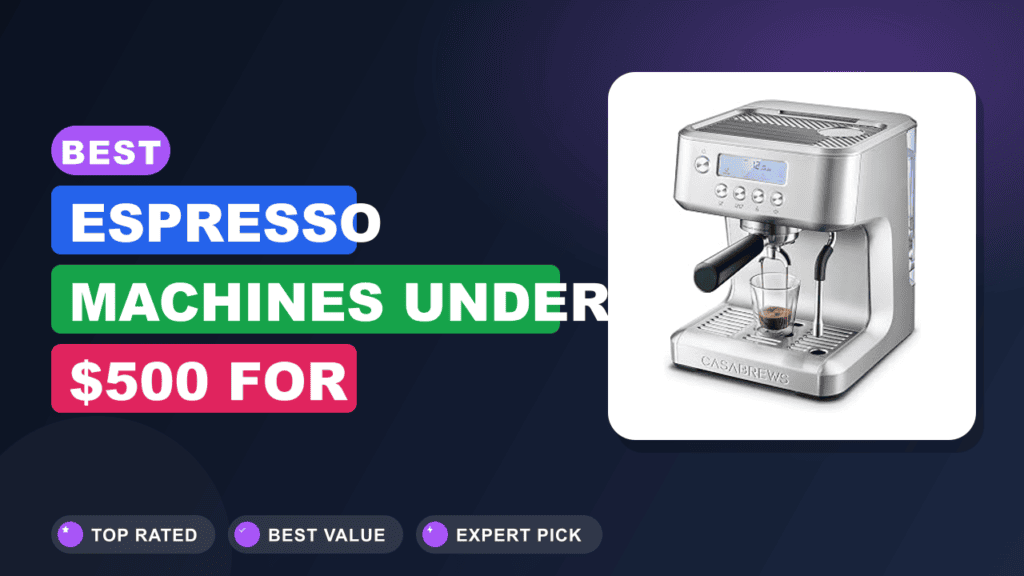
If you use an espresso setup with a built-in tank, filling it with low TDS water drastically extends the time between descaling cycles.
A base NSF/ANSI 58 certification confirms baseline TDS reduction and system integrity but does not by itself confirm fluoride, lead or PFAS reduction unless the listing names those claims. Look for the specific contaminants you care about on the certification listing.
The limitation of RO is water waste and speed. Systems require a drain connection and a storage tank under your sink. The tank takes up cabinet space, usually occupying the footprint of a small trash can. You also lose the beneficial minerals, which makes the water taste flat to some people. Many RO systems include a remineralization stage to add a controlled amount of calcium back in after the membrane.
Distillation
A countertop water distiller boils water into steam, leaving dissolved solids behind in the boiling chamber. The steam then condenses back into liquid water in a separate container. The result is water with a TDS near zero.
Distillers are slow and consume a significant amount of electricity to maintain a rolling boil. Some volatile organic compounds with boiling points lower than water can carry over into the steam, so many distillers include a small carbon post filter to catch those specific gases.
Like RO, distillation removes minerals along with the dissolved solids.
Deionization
Deionization (DI) uses specialized resin beads to swap hydrogen and hydroxyl ions for the dissolved mineral ions in the water. It produces extremely pure water, often used in laboratories or aquariums. For a kitchen, standalone DI units are rare because the resin exhausts quickly if the starting TDS is high.
DI is mostly seen as a final polishing stage added after an RO system to push the TDS down to near zero. Replacing exhausted DI resin cartridges gets expensive fast for daily drinking water needs.
| Filter Type | Removes Chlorine | Lowers TDS | Wastewater Produced | Typical Kitchen Use |
|---|---|---|---|---|
| Carbon Pitcher | Yes | No | None | Daily drinking, basic cooking |
| Fridge Filter | Yes | No | None | Cold water dispenser, ice maker |
| Reverse Osmosis | Yes | Yes (90%+) | Yes | Drinking, cooking, appliance filling |
| Countertop Distiller | Yes | Yes | None (uses electricity) | Small batch pure water needs |
| Ceramic Element | No | No | None | Sediment and bacteria removal |
Why Chasing Zero TDS Causes Problems in the Kitchen
A common mistake is assuming that lower TDS always equals better water. Once you install a system that strips out dissolved solids, you realize that completely empty water behaves differently in cooking and baking.
For baking, minerals matter. Calcium and magnesium interact with gluten formation and yeast activity. Highly filtered water can change dough behavior compared with moderately hard water.
Coffee extraction follows similar rules. The Specialty Coffee Association publishes a target brewing water specification of about 150 ppm TDS with an acceptable range of 75 to 250 ppm. The SCA water standard also specifies calcium hardness around 68 ppm as CaCO3, total alkalinity near 40 ppm as CaCO3, and pH around 7.0. These figures come from secondary brewing guides rather than the SCA document itself, so treat them as a starting point.
Brewed coffee is approximately 98.5 percent water by weight, so brewing water mineral composition shapes extraction and flavor. High bicarbonate in hard tap water is described as the most common cause of dull, flat coffee because it buffers acids. If your RO system drops your water to very low TDS, your coffee may taste thin or hollow because the minerals that help pull flavor compounds from the grounds are gone.
Using a precise digital tool to weigh your beans only solves half the equation if the water chemistry is completely stripped of the minerals needed for good extraction.
If you cook primarily with an RO system, consider adding a remineralization filter to the final stage. This puts a controlled dose of calcium and magnesium back into the water, raising the TDS to a range that tastes good and performs well in recipes without bringing back the heavy metals or scale-causing hardness you originally wanted to remove.
How to Measure Dissolved Solids Accurately
You cannot manage what you do not measure. A handheld TDS meter costs very little and takes seconds to use. You dip the probe into a glass of water, and the screen displays the parts per million.
To get a reliable baseline, test your water straight from the tap first thing in the morning before running the faucet. Then test it again after running the cold water for thirty seconds. Compare those numbers to the water coming out of your filter.
If you are using a carbon pitcher, you will see the numbers match. If you are using an RO system, you will see a dramatic drop.
Keep in mind that a TDS meter does not tell you what is in the water. It only measures electrical conductivity. Pure water does not conduct electricity. Dissolved ions do. The meter calculates the conductivity and converts it to a ppm estimate. It cannot differentiate between harmless calcium and dangerous lead. Both register as TDS.
Meter accuracy and temperature compensation vary between models. Testing water at room temperature rather than straight from a hot tap helps keep readings consistent.
If you suspect specific contaminants, you need a detailed laboratory water test, not just a conductivity pen.
Picking the Right Setup Based on Your Actual Tap Water
Deciding whether you even need to worry about TDS depends on where you live and what your plumbing looks like. If your municipal water report shows moderate TDS and it tastes fine, a simple carbon filter to remove chlorine is usually enough for everyday cooking and drinking. You save money, avoid wasting water and keep beneficial minerals in your glass.
If your tap water sits high, tastes chalky and leaves thick white crusts inside your kettle within a week, you have a scaling problem. High TDS contributes to scale, and scale acts as an insulator, forcing your kettle or boiler to work harder and run hotter, which shortens its lifespan.
In this scenario, an under-sink reverse osmosis system can pay off by protecting your appliances and improving the taste of your food. Just be sure you have the cabinet space for the tank and a nearby drain line for the wastewater.
For renters who cannot modify plumbing, a countertop RO unit or a distiller provides low TDS water without permanent installation. Countertop RO systems sit next to the sink and route their wastewater tube directly into the basin. They are bulkier than pitchers, but they solve the dissolved solids problem without calling a plumber.
When to Get a Professional Water Test
A TDS meter tells you how much is dissolved, not what is dissolved. If you are concerned about lead, PFAS or other specific contaminants, a certified laboratory test is the appropriate next step. Your local water utility’s annual quality report is a useful starting point for public supply customers, but it reflects the system overall, not necessarily the water at your tap.
If you buy replacement parts or upgrade your filtration housings, make sure the fittings match your existing plumbing connections. Standardizing your sizes prevents leaks and headaches later.
Common Questions About Dissolved Solids and Filtration
Does Boiling Water Lower the TDS?
Boiling water does not remove dissolved solids. It actually concentrates them. When you boil water, pure H2O turns into steam and leaves the pot, but the minerals stay behind in the remaining liquid. As the water volume decreases, the parts per million of TDS increases. Boiling kills bacteria, but it makes the mineral concentration worse.
Can a Brita or PUR Pitcher Reduce TDS?
Standard Brita and PUR pitchers use activated carbon and ion exchange resins designed primarily to reduce chlorine and some metals. Brita Standard (OB03) filters hold NSF/ANSI 42 certification only, covering chlorine taste and odor, and are not NSF/ANSI 53 certified for lead reduction. Brita Elite/Longlast+ (OB06) filters hold NSF/ANSI 42, 53 and 401 certification, including lead reduction.
Even so, Brita OB06 pitcher filters reduce TDS only about 15 to 25 percent, compared with roughly 95 to 99 percent for ZeroWater, according to one filter-tracking site. Your meter will show nearly the same number before and after filtering through a standard pitcher.
Is Low TDS Water Safe to Drink Every Day?
Water with very low TDS is generally safe to drink. The World Health Organization convened experts to examine potential health consequences of long-term consumption of water modified to add or delete minerals, including demineralized water from desalination and membrane treatment. That 2005 report runs to 196 pages and was published under ISBN 92 4 159398 9. The specific long-term health implications of very low TDS water are not established by that scope statement alone, so treat this as a topic to raise with a health professional if you have specific concerns.
Why Did My TDS Go Up After Installing a New Filter?
If you installed a new carbon filter or a system with a remineralization stage, the TDS might temporarily rise. New carbon blocks release fine carbon dust and trapped air, which can briefly alter conductivity. Remineralization filters intentionally add calcium and magnesium, which raises the TDS on purpose. Flush any new filter according to the manufacturer instructions before testing the water.
Does a Water Softener Remove TDS?
A traditional salt-based water softener does not lower TDS. It exchanges hard calcium and magnesium ions for sodium ions. The total number of dissolved particles remains the same, so the TDS reading stays constant or even rises slightly. The water feels softer and scales less, but the dissolved solid load is unchanged.
Reading NSF/ANSI 58 Claims Correctly
Certification language on water filter packaging deserves careful reading. “Certified to,” “tested to” and “manufacturer states” represent different levels of verification and are not interchangeable.
For reverse osmosis systems, look up the specific model in the certifier’s directory rather than relying on packaging claims alone. A Brita Total360 reverse osmosis model (BRDROS) is listed with NSF/ANSI 58 certification covering TDS reduction among other claims. Certification status should be confirmed at the time you buy, since listings can change.
Choosing Your Filtration Path
Figuring out if water filters remove TDS comes down to matching the filter technology to your specific tap water. Carbon filters handle taste and odor while leaving minerals alone. Reverse osmosis and distillation strip dissolved solids out.
Test your tap water with a basic meter first. If the number is moderate and the water tastes fine, a simple carbon setup keeps your kitchen running smoothly without wasting water or stripping the minerals your baking and brewing rely on. If the number is high and scale is destroying your kettles, an RO system is the practical fix.
Buy the tool that solves your actual problem rather than chasing a zero on a meter just because it sounds cleaner. And if a specific contaminant is your concern, skip the TDS meter and get a laboratory test that can actually identify it.
As an Amazon Associate, we earn from qualifying purchases.