Worrying about lead in your tap water makes every glass from the kitchen sink feel unsafe. Yes, under sink filters can remove heavy lead from drinking water. But you must buy a unit with specific filter media and replace it on time.
The Short Answer On Lead Removal
Not every under sink filter stops lead. Basic carbon blocks do a poor job here. You need a filter built for heavy metals.
Look for units that use special ion exchange resin or activated alumina. These materials trap lead molecules before they hit your glass.
A standard sediment filter will not help you. It only catches dirt and rust. To actually lower lead levels, check the spec sheet.
The manufacturer must list lead reduction rates. If they hide those numbers, skip that model.
Why Lead Hides In Tap Water
Lead rarely comes from the water treatment plant. It usually leaches into your water at home. Old pipes are the main culprit.
Homes built before 1986 often have lead solder joining copper pipes. Even brass faucets can contain small amounts of lead.
When water sits in these pipes overnight, lead dissolves into it. The longer the water sits, the higher the lead level gets. This is why morning water from the kitchen tap is often the most contaminated.
Running the cold tap for two minutes helps flush it out. But flushing wastes water. A proper under sink filter gives you clean water instantly without wasting gallons down the drain.
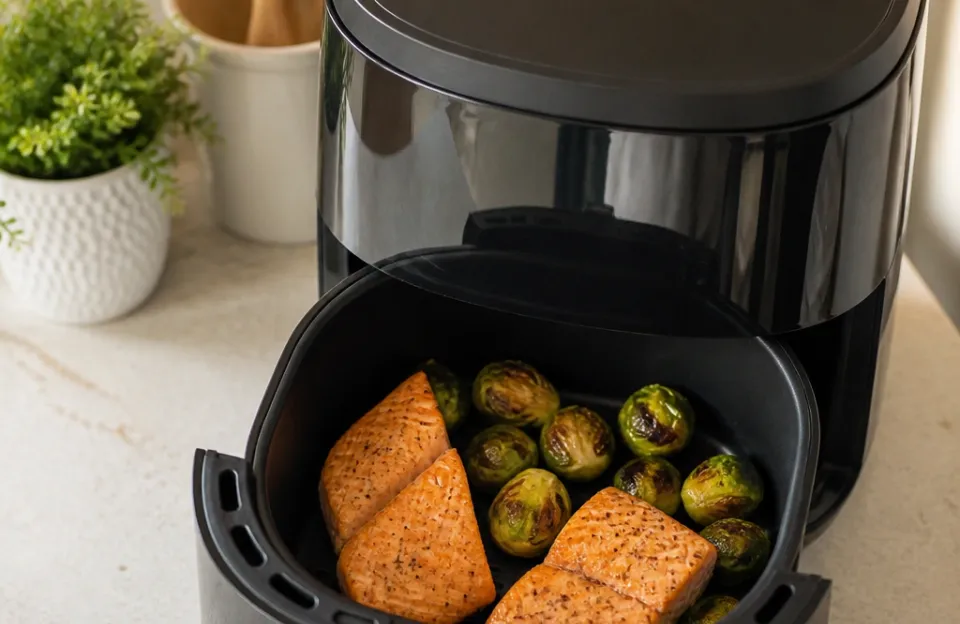
You can read more about safe food prep habits to keep your kitchen healthy overall. Clean water is just one part of a safe cooking space.
How Under Sink Filters Trap Lead
Under sink filters work by forcing water through dense media. The best models for lead use a multi-stage setup. Stage one might be a sediment filter to catch large particles.
Stage two does the heavy lifting.
Activated carbon treated with special chemicals binds to lead. Ion exchange resin swaps harmless ions for lead ions. The lead stays stuck inside the filter cartridge.
Only clean water passes through to your dedicated faucet.
Reverse osmosis systems also stop lead. They push water through a membrane with tiny pores. Lead molecules are too big to pass through.
But reverse osmosis units waste some water during the process. They also take up more cabinet space. A simple three-stage carbon block system fits easier under a crowded sink.
The EPA sets strict limits for lead in drinking water. Their action level is 15 parts per billion. Any good under sink filter should drop your water well below that number.
Always check if a unit meets NSF/ANSI Standard 53 or 58 for lead reduction. Those are the real testing standards.
Picking The Right Filter Media
Choosing the wrong filter leaves you exposed. Here is what to look for when you shop.
Activated Carbon Blocks
Solid carbon blocks work better than loose granular carbon. The water has to push through tight spaces. This forces more contact time with the carbon.
Look for blocks rated specifically for heavy metals. A plain carbon block meant for chlorine taste will not catch lead.
Ion Exchange Resin
This material acts like a magnet for heavy metals. It pulls lead out of the water flow. Many high-end under sink filters mix resin with carbon.
This combo handles both bad tastes and toxic metals.
Reverse Osmosis Membranes
These membranes block almost everything. They strip out lead, arsenic, and fluoride. But they also remove healthy minerals like calcium.
You might need a remineralization stage added after the membrane. That puts good minerals back into your drinking water.
Alkaline Or Mineral Add-Ons
Some filters add minerals back in. This improves the taste of reverse osmosis water. It does not help remove lead.
Do not pay extra for mineral stages if your only goal is lead removal. Focus your budget on the primary filtration media instead.
Certifications That Actually Matter
Marketing claims mean nothing without proof. Ignore boxes that just say "removes contaminants." Look for independent testing marks.
NSF/ANSI Standard 53 covers health effects. A filter with this mark has proven it lowers specific toxins like lead. NSF/ANSI Standard 58 applies to reverse osmosis systems.
WQA certification is another trusted mark. The Water Quality Association tests products against the same strict rules.
Read the performance data sheet. It lists exactly what the filter removes and by what percentage. A good filter drops lead by 99 percent or more.
If a brand refuses to share this sheet, buy something else.
Just like checking appliance materials for safety, verifying filter certifications protects your family. Never trust a label without looking up the test results.
Installation Realities Under Your Sink
Putting an under sink filter in takes some work. You will need basic plumbing tools. A basin wrench helps reach tight nuts.
Teflon tape keeps threaded joints from dripping.
Most kits include a dedicated faucet. You drill a hole in your countertop or sink deck for it. If you already have a soap dispenser hole, you can swap it out.
This saves you from drilling new holes in stone or steel.
Space is a real issue. Measure your cabinet before buying. Check the clearance around the garbage disposal.
Check the distance to the cold water valve. Some three-stage systems are wide. They might not fit next to a bulky disposal unit.
Water pressure drops slightly with any filter. Dense carbon blocks slow the flow down. If your home already has low water pressure, expect a trickle from the new faucet.
Reverse osmosis tanks hold pressurized water to fix this. But those tanks take up even more room.
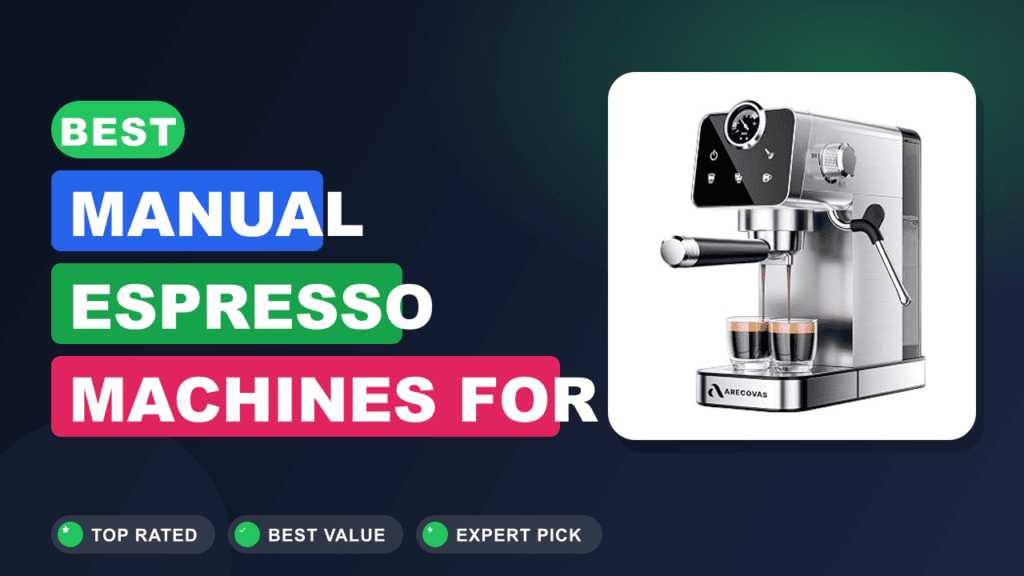
If you plan to upgrade other kitchen setups later, understanding machine variations helps you think about how different appliances handle water lines. Plumbed brewers face similar space limits under the counter.
When Cartridges Stop Working
Filters do not last forever. Trapped lead fills up the media over time. Once the filter is full, lead slips right through.
Worse, old filters can dump stored lead back into your water all at once.
Change your cartridges on schedule. Most carbon blocks need replacing every six months. Some thick ones last a year.
Reverse osmosis membranes go two to three years. Pre-filters for sediment need changing every three to six months.
Pay attention to flow rate changes. If the water slows to a crawl before six months, the filter is clogged. Swap it out early.
Heavy sediment in your local water ruins cartridges fast.
Keep track of replacement costs. A cheap filter system often uses expensive cartridges. Calculate the yearly cost of replacements before you buy the base unit.
Spending fifty dollars twice a year adds up fast.
What Under Sink Filters Miss
No single filter fixes every water problem. Under sink units only treat water coming out of their specific faucet. They do not protect your shower or bathroom taps.
Kids brushing teeth at the bathroom sink still get unfiltered water.
They also struggle with dissolved gases. Radon or hydrogen sulfide might pass through carbon blocks. Bacteria and viruses need UV light or absolute micron filters to stop.
Standard lead filters do not kill microbes.
If your pipes are crumbling, large chunks of debris can plug a filter instantly. You might need a whole-house sediment pre-filter first. That protects the delicate under sink cartridges from heavy damage.
And remember, a filter does not fix broken pipes. It just cleans the water passing through them. If you have confirmed lead service lines outside your house, talk to your city.
You may qualify for pipe replacement programs.
Comparing Under Sink Units To Pitcher Filters
Pitcher filters sit on the counter. They are cheap upfront. But they hold very little water.
You wait ten minutes for a pitcher to drip through the carbon.
Under sink filters give you water on demand. You turn the tap and get clean water instantly. The cartridges are much larger.
They last longer between changes.
Pitcher filters certified for lead do work. They use similar ion exchange resin. But keeping up with tiny pitcher filters costs more over a year.
You buy them constantly. An under sink system requires less daily effort.
Fridge filters are another option. They hook up to your ice maker and water dispenser. But fridge filters are small.
They often lack the dense media needed for serious lead reduction. Always check the fridge filter spec sheet for NSF 53 lead ratings before trusting it.
Testing Your Tap Water First
Do not guess if you have a lead problem. Test your water. You can buy cheap test strips at hardware stores.
They change color if lead is present. But strips only give a rough idea.
For exact numbers, send a sample to a state-certified lab. They mail you sterile bottles. You fill them with cold tap water.
The lab sends back a detailed report showing parts per billion.
Test the water first thing in the morning. Let it sit in the pipes overnight. This gives you the worst-case scenario.
Then run the tap for two minutes and test again. This shows what the city water looks like after flushing.
If your morning test shows lead above 15 parts per billion, act immediately. Use bottled water for cooking and drinking until your filter arrives. Do not boil water to remove lead.
Boiling evaporates water but leaves the lead behind. It actually concentrates the toxin.
Keeping Your Kitchen Plumbing Safe
Old plumbing causes most kitchen lead issues. Replacing pipes is expensive. Using a point-of-use filter is the practical middle ground.
Always use cold water for cooking and drinking. Hot water dissolves lead faster than cold water. Never make baby formula with hot tap water.
Draw cold filtered water and heat it on the stove instead.
Clean your faucet aerators monthly. Lead particles get trapped in the little mesh screen. Unscrew the tip of your faucet and rinse it out.
Soaking it in white vinegar removes hard water scale too.
Think about total kitchen safety beyond just water. Checking things like replacement parts for daily appliances keeps your whole cooking area running safely. Small maintenance steps prevent big hazards.
Common Mistakes Buyers Make
People rush to buy the cheapest filter online. Cheap often means uncertified. Without NSF 53 testing, you are just buying an expensive paperweight.
Another mistake is ignoring the faucet hole size. Dedicated filter faucets need a specific hole diameter. Usually it is half an inch to five-eighths of an inch.
Measure your sink deck before ordering. Drilling stainless steel requires special bits. Drilling granite risks cracking the slab.
Skipping the shut-off valves is dangerous. Install inline shut-off valves before the filter housing. If a cartridge leaks, you can turn off the water instantly.
Without valves, you have to shut off the main house supply just to fix a drip.
Finally, forgetting to flush a new cartridge ruins the first few glasses. New carbon blocks release fine black dust. Run two gallons of water through a fresh filter before drinking from it.
Dump that water into a bucket for house plants.
Frequently Asked Questions
Does boiling water remove lead?
No. Boiling water does not destroy lead. It evaporates the pure water and leaves the heavy metal behind.
Your pot ends up with a higher concentration of lead than when you started. Always use cold filtered water for boiling pasta or making soup.
Can I install an under sink filter myself?
Yes, if you are comfortable with basic plumbing. You need to connect flexible hoses to your cold water line. You also need to mount the filter bracket to the cabinet wall.
Watch the manufacturer video first. If your pipes are old galvanized steel, hire a plumber. Old threads snap easily.
How often should I change the filter?
Follow the manufacturer timeline strictly. Most lead-rated carbon blocks need changing every six months. High-capacity models might last twelve months.
Never stretch a filter past its rated gallon limit. Saturated media stops trapping lead.
Do reverse osmosis systems waste a lot of water?
They do. Traditional reverse osmosis units send three to four gallons down the drain for every one gallon they produce. Newer models are more efficient.
Some use a one-to-one ratio. Check the spec sheet for the recovery rate before buying.
Will a filter remove healthy minerals?
Reverse osmosis strips out calcium and magnesium along with lead. Carbon block filters leave healthy minerals alone. If you choose reverse osmosis, buy a unit with a remineralization stage.
It adds safe minerals back into the final cup.
Is filtered water safe for baby formula?
Yes, if the filter is certified for lead removal. Always use cold water from the filter. Warm it on the stove or in a bottle warmer.
Never use warm tap water directly from the faucet to mix formula.
Can lead filters handle well water?
Well water varies wildly. It might have iron, sulfur, or bacteria alongside lead. A standard municipal under sink filter might clog fast on well water.
You often need a whole-house iron filter first. Then put the lead-specific under sink unit at the kitchen tap.
Final Safety Takeaways
Lead in drinking water is a silent hazard. You cannot see it, smell it, or taste it. Relying on your senses will not protect your family.
Under sink filters solve this problem directly at the tap. They provide clean water exactly where you cook and drink. But you must choose the right technology.
Stick to units tested against NSF/ANSI Standard 53 for lead.
Change the cartridges on time. Keep your dedicated faucet aerator clean. Use only cold water for consumption.
These small habits keep the filter doing its job year after year.
Testing your water gives you a baseline. Retest it once a year after installing your filter. Seeing the numbers drop to zero brings real peace of mind.
That is the true value of a reliable under sink system.