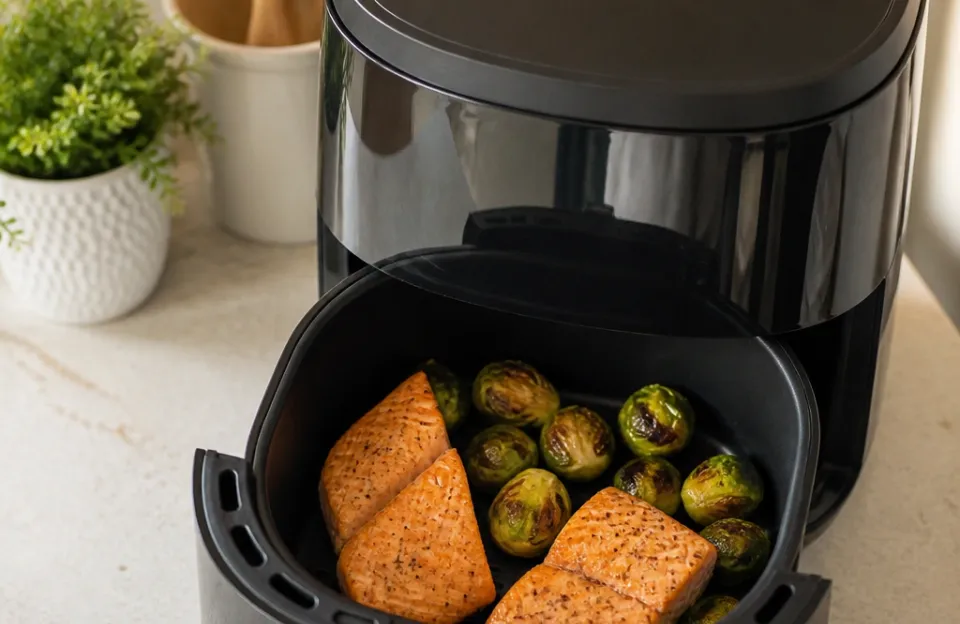
Air fryer cod cooks in about 10 to 12 minutes at 400°F. The hot circulating air gives the outside a light crunch while the inside stays flaky and moist. You don't need much oil, and you don't have to heat up your whole kitchen to get it done.
This article covers how to prep the fillets, what coatings work best, exact timing for different thicknesses, and how to keep the fish from sticking to the basket. We'll also look at flavor variations and what to do if your pieces come out dry or soggy. If you've been looking for a reliable method for air fryer cod, this is everything you need to know.
Why Cod Works So Well in an Air Fryer
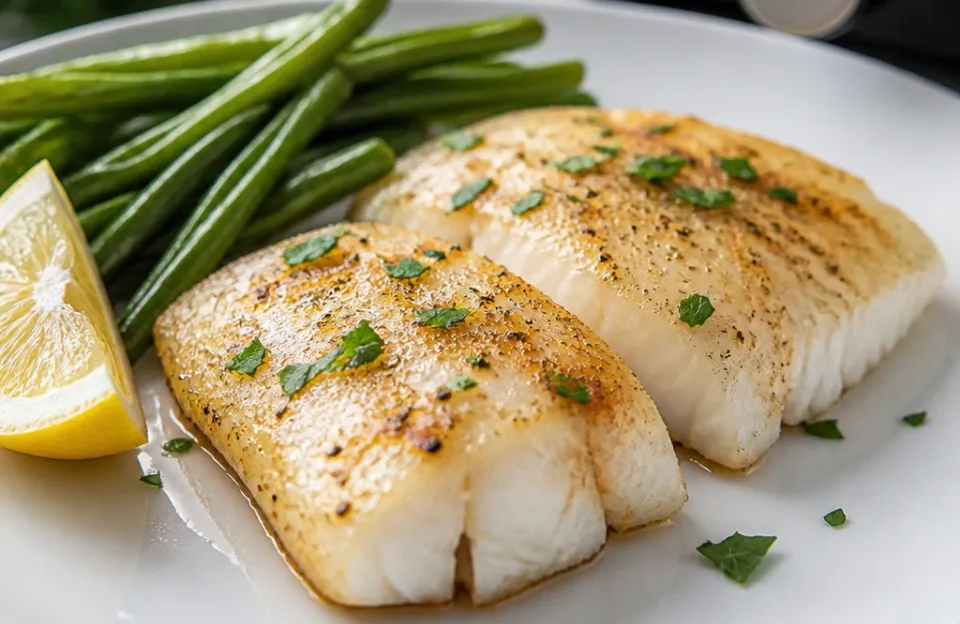
Cod is a lean, white fish with a mild flavor. It doesn't have the heavy fat content of salmon or mackerel. That lack of fat means it won't smoke up your appliance, but it also means the flesh dries out fast if you overcook it.
The rapid air circulation in an air fryer solves this problem by cooking the surface quickly before the interior loses its moisture.
When you coat cod lightly and blast it with high heat, the exterior sets almost immediately. This traps the steam inside the fillet. The result is a piece of fish that flakes apart easily when you press it with a fork.
Thicker cuts hold onto their moisture better than thin ones, so buying center-cut portions makes a real difference.
You can cook air fryer cod plain with just salt, pepper, and a spray of oil. A simple breadcrumb or flour dredge adds texture. Because the appliance uses convection rather than submersion, you use a fraction of the oil you'd need for pan-frying.
This applies mainly when you're trying to keep weeknight dinners lighter without losing the crunch factor.
Getting Your Fillets Ready for the Basket
Start with fresh or fully thawed cod. If you buy frozen fillets, let them defrost in the refrigerator overnight. Cooking frozen cod directly in the basket leads to uneven results.
The outside burns before the middle reaches a safe temperature.
Once thawed, lay the fillets on a stack of paper towels. Press another paper towel firmly on top. Removing surface moisture is the single most important step for getting a good crust.
Wet fish steams instead of browning. Patting it dry takes ten seconds and changes the final texture completely.
Cut large fillets into even portions. Aim for pieces that are roughly the same thickness, ideally around one inch. Uniform sizes mean everything finishes at the same time.
If you have a thick end and a thin tail piece, separate them. Cook the thicker chunks first, or pull the thinner ones out a couple of minutes early.
Season both sides generously. Salt draws out a tiny bit of extra moisture, which helps the coating stick. Add black pepper, garlic powder, smoked paprika, or dried herbs right after salting.
Let the seasoned fish sit for five minutes while you prepare your dredging station or preheat the machine.
Coating Options for Air Fryer Cod
A bare fillet will cook fine, but a coating protects the delicate meat from the intense direct heat. It also provides the crunch people expect from fried fish. You have three main routes: a flour dusting, a breadcrumb crust, or a wet batter adapted for convection.
Flour Dusting: Dredge the dry, seasoned fillets in all-purpose flour. Shake off the excess. Spray the outside lightly with cooking oil.
The flour forms a thin, pale crust. This method is fast and works well for fish tacos where you want the seasoning to carry the flavor.
Breadcrumbs: Panko breadcrumbs give the best crunch. Set up three shallow bowls. Put flour in the first, beaten egg in the second, and panko mixed with a pinch of salt in the third.
Dip the cod in flour, then egg, then press it firmly into the crumbs. Spray the coated fish with oil so the breadcrumbs brown evenly. Without the oil spray, panko stays pale and tastes dusty.
Gluten-Free Alternatives: Crushed cornflakes, almond flour, or finely ground pork rinds work as substitutes. Almond flour browns faster than wheat flour, so drop the temperature by 25 degrees if you use it. Cornflake crumbs behave almost exactly like panko and provide a loud crunch.
| Coating Type | Texture Profile | Prep Time | Oil Required |
|---|---|---|---|
| Plain Flour | Light, thin crust | 2 minutes | Light spray |
| Panko Breadcrumb | Thick, very crunchy | 8 minutes | Generous spray |
| Almond Flour | Nutty, medium crunch | 3 minutes | Light spray |
| Crushed Cornflakes | Shatteringly crisp | 5 minutes | Generous spray |
If you enjoy experimenting with different breaded proteins, the technique for pressing crumbs into the flesh is identical to getting a solid crunch on poultry skin. The principle of drying the surface first applies across the board.
Exact Temperature and Timing for Air Fryer Cod
Set your machine to 400°F. Preheating matters here. A cold basket causes the coating to absorb moisture and slide off the fish.
Give the empty unit three to five minutes to reach temperature before you put anything inside.
For standard one-inch thick fillets, cook for 10 to 12 minutes total. Flip them gently halfway through, right around the six-minute mark. Use a thin spatula or tongs with a wide grip.
Cod breaks apart easily, so support the whole piece when you turn it.
Thinner pieces, around half an inch, only need 7 to 9 minutes. Check them early. Thick steaks cut at 1.5 inches might need 13 to 15 minutes.
Don't guess. The USDA requires all finfish to reach an internal temperature of 145°F for safety. You can verify this standard on the official food safety guidelines published by federal health agencies.
The fastest way to check is with a digital probe. Insert it into the thickest part of the largest fillet. If you cook seafood often, keeping a quick-reading thermometer in your drawer prevents ruined dinners.
Pull the cod out exactly when it hits 145°F. The residual heat will carry it another degree or two while it rests.
Don't overcrowd the basket. Leave at least half an inch of space between each piece. The hot air needs to flow around every side.
If your appliance is small, cook in batches. Stacking fillets creates steam pockets, leaving the bottom layer soggy while the top layer dries out.
Keeping the Fish From Sticking to the Basket
Sticking is the most common complaint with air fryer cod. The protein bonds to the metal mesh when exposed to high heat. Preventing this requires a physical barrier.
Spray the basket with cooking oil before laying down the fish. Avoid aerosol sprays with propellants if your basket has a non-stick coating, as the chemicals can degrade the finish over time. Use a pump-style oil mister instead.
Coat the grates evenly.
Parchment liners designed for air fryers solve the sticking problem entirely. They have perforations that allow air to pass through. Place the liner in the basket after preheating, spray the paper lightly, and set the cod on top.
The tradeoff is slightly less browning on the bottom of the fillet, since the paper blocks direct radiant heat from the lower element.
If you don't have parchment, lightly oil the bottom of the coated fish itself. A quick mist right before closing the drawer does the job. Never drag the cooked fish across the grate to remove it.
Lift it straight up.
Flavor Variations and Serving Ideas
Cod's mild taste makes it a blank canvas. You can push it toward dozens of different cuisines just by changing the spice blend or the finishing sauce.
Lemon Herb: Mix dried dill, parsley, garlic powder, and lemon zest into your flour dredge. Squeeze fresh lemon juice over the fillets the second they come out of the basket. The heat blooms the citrus oils immediately.
Blackened Cajun: Skip the breadcrumbs. Coat the oiled fillets heavily in a mix of paprika, cayenne, onion powder, dried thyme, and oregano. The spices char slightly at 400°F, creating a dark, flavorful crust.
Serve this version over rice or in a po'boy sandwich.
Parmesan Crust: Add grated parmesan cheese to your panko mixture. The cheese melts and crisps simultaneously. It browns faster than plain breadcrumbs, so keep an eye on it during the last two minutes of cooking.
When planning your weekly menu, this kind of savory coating pairs naturally with batch-cooked proteins for weekday lunches.
For dipping, tartar sauce is the classic choice. A mix of mayonnaise, sweet pickle relish, capers, and lemon juice takes two minutes to stir together. Remoulade adds a spicy kick with mustard and hot sauce.
If you prefer something lighter, a simple yogurt-based dip with dill and cucumber works well. Having a few versatile dipping sauces ready makes any plain protein feel like a complete meal.
Serve air fryer cod with roasted potatoes, coleslaw, or a green salad. For a faster dinner, wrap the flaked fish in warm tortillas with shredded cabbage and a drizzle of chipotle mayo. The firm texture holds up well inside a wrap without turning to mush.
What Happens When Things Go Wrong
Even a simple recipe has failure points. Most issues with air fryer cod trace back to moisture control, temperature, or timing.
Dry, chalky flesh: You left it in too long. Lean fish goes from perfectly flaky to cardboard in about two minutes. Rely on a thermometer, not just the clock.
A fast-response probe like the Thermomaven model reads the temp instantly so you aren't holding the drawer open while the machine loses heat. Another option is a reliable digital reader kept near the appliance for quick checks.
Soggy coating: The fish was wet before you breaded it, or you crowded the basket. Steam trapped between closely packed fillets ruins the crunch. Always pat the raw cod dry, and cook in single layers with space between the pieces.
Breading falls off in the basket: You didn't press the crumbs in firmly enough, or you flipped the fish too early. Let the first side cook for at least six minutes so the egg wash sets completely. When you flip, slide the spatula under the entire fillet rather than grabbing an edge.
Pale, unappetizing color: You skipped the oil spray on top of the breadcrumbs. Convection air alone won't brown dry flour or panko effectively. Mist the coated fish until it looks slightly damp before starting the timer.
Uneven cooking: Your fillets were different thicknesses. Cut them to match, or stagger their entry into the basket. Put the thick ones in first, wait three minutes, then add the thin ones.
Frequently Asked Questions
Can I cook frozen cod fillets directly in the air fryer?
You can, though the texture won't be as good as thawed fish. If you must cook from frozen, lower the temperature to 370°F and add 5 to 7 minutes to the total cook time. Do not apply a breadcrumb coating to frozen fish; it will slide off as the ice melts.
Season with dry spices only, and check the internal temperature carefully to confirm it reaches 145°F throughout.
Is air fryer cod healthier than pan-fried fish?
Yes, significantly. Pan-frying requires enough oil to coat the bottom of the skillet, and the breading absorbs much of it. An air fryer uses a light spray, cutting the added fat drastically.
The protein content remains the same. If you track your daily intake, switching to convection cooking lowers the overall calorie count of the meal compared to deep or shallow frying. Understanding the caloric differences in cooking methods is similar to evaluating other popular air-fried foods where oil reduction plays a major role.
How do I store and reheat leftover air fryer cod?
Let the cooked fish cool completely, then place it in a single layer in an airtight container. It keeps in the refrigerator for up to two days. To reheat, put the fillets back in the air fryer at 350°F for 3 to 4 minutes.
Avoid the microwave, which turns the crispy coating soft and rubbery. Reheating at a lower temperature prevents the edges from drying out while the center warms up.
What other white fish works with these exact instructions?
Haddock, pollock, halibut, and tilapia all follow the same rules. Adjust the time based on thickness. Halibut steaks are usually thicker than cod and need a few extra minutes.
Tilapia fillets are often very thin and cook in 6 to 8 minutes. The coating process, preheating requirement, and target internal temperature of 145°F remain identical for all of them.
Should I use a wet batter for air fryer cod?
Traditional wet beer batters do not work in an air fryer. The liquid drips through the basket grates before it can set, creating a mess and leaving the fish bare. Stick to dry dredges or the standard flour-egg-breadcrumb method.
If you want a thicker crust, double-dip the fish in the egg and breadcrumb stages.
Why did my cod smell strongly while cooking?
Fresh cod should have a mild, ocean-like scent. A strong, ammonia-like odor means the fish is past its prime and shouldn't be eaten. If the fish is fresh but still smells stronger than you'd like during cooking, place a small piece of bread or a lemon wedge in the corner of the basket.
It absorbs some of the airborne odors. Proper ventilation in your kitchen also clears the smell quickly.
Before You Plate It
Air fryer cod comes down to managing moisture and watching the clock. Dry the fillets thoroughly, preheat the basket, and pull the fish the moment it hits 145°F internally. Those three steps eliminate almost every problem people run into with lean white fish.
Once you dial in the timing for your specific machine's wattage, you'll get consistent, flaky results every time. Keep your coatings simple, season boldly, and let the convection heat do the heavy lifting.