When you’re trying to figure out if you or someone you care for is sick, a thermometer is a go-to tool. But you might be wondering if using one actually causes any issues. Most people don’t realize that the “side effects” of thermometers are usually about how we use them, not the device itself harming us.
In our research, we found that thermometers are designed to be safe and reliable for measuring body temperature. For example, FDA-approved digital thermometers are held to strict accuracy standards, typically within +/- 0.2°F (0.1°C). These devices don’t actively alter your physiology.
The primary concerns tend to revolve around comfort, hygiene, and correct usage.
Quick Answer
The main side effects of using a thermometer are minor discomfort and potential hygiene issues. Physical harm from a thermometer is extremely rare. Proper cleaning and gentle handling prevent most problems.
Different types, like rectal or oral, vary in comfort levels but are safe when used correctly.
Understanding How Thermometers Work Without Harming You
Thermometers are simple tools for a crucial job: detecting changes in your body’s heat. They don’t do anything to your body; they just measure its temperature. This measurement helps us understand if we’re running a fever, which is a sign the body is fighting something.
Core Function of a Thermometer
At their heart, thermometers are sensors. Whether it’s a basic mercury-in-glass (largely phased out for safety reasons), a digital electronic sensor, or an infrared scanner, the goal is the same: to accurately record your core body temperature. Manufacturer specifications confirm these devices are built for passive measurement.
Types of Thermometers: A Quick Look
There are several common types, each with its own way of taking a reading:
- Digital Stick: Placed under the tongue (oral), armpit (axillary), or in the rectum.
- Temporal Artery: Scans the forehead with infrared to capture heat from the blood vessels.
- Tympanic: Inserts a small probe into the ear canal to measure eardrum temperature.

Image source: Pexels / Monstera Production (Pexels License)
These different methods offer varying levels of convenience and accuracy, and understanding them helps manage expectations about any perceived side effects.
The Real Effects of Using a Thermometer
When we talk about “side effects” from a thermometer, it’s usually about the user experience rather than a direct harmful impact on your health. These are mostly temporary and manageable.
Discomfort: It Happens, But It’s Not Harmful
Some thermometer use can be uncomfortable. For instance, keeping a digital stick thermometer under your tongue for the required 60 seconds can feel awkward, especially if you’re feeling unwell. Similarly, while rectal thermometers are excellent for accuracy, particularly in infants, the insertion itself can cause temporary discomfort or a feeling of pressure.
However, this discomfort is generally short-lived and doesn’t constitute a health risk when performed correctly. Aggregated user feedback suggests that discomfort is the most common complaint, but it’s rarely described as painful.
Hygiene Matters: Preventing Germ Spread
The most significant risk associated with thermometers isn’t their function, but their cleanliness. If a thermometer isn’t properly disinfected between uses, it can transfer germs. This is why understanding cleaning protocols is essential.
For thermometers that make contact with bodily fluids, strict hygiene practices are paramount. Manufacturer guidelines universally emphasize this to prevent cross-contamination, which could indirectly lead to illness.
Specific Thermometer Types: What to Expect
Each type of thermometer has its own nuances regarding how it feels and how to use it best. Knowing these can help you anticipate any minor issues.
Digital Stick Thermometers: Under the Tongue or Armpit
These are workhorses in many homes. Oral use involves placing the tip under the tongue. While generally comfortable, some people find the taste or the sensation of having a foreign object in their mouth bothersome.
For axillary (armpit) use, it’s less invasive but can be less accurate if not positioned correctly to ensure good skin contact. The key here is patient adherence to the required measurement time for an accurate reading.
Ear Thermometers: Quick Scans of the Ear Canal
Ear thermometers are popular for their speed and ease of use, especially with children. They use infrared technology to measure the heat radiating from the eardrum. The primary “effect” here is the physical sensation of inserting the probe into the ear canal, which some individuals find mildly intrusive or uncomfortable.
Additionally, earwax buildup can interfere with the infrared sensor, leading to inaccurate readings rather than a physical side effect.
Forehead Thermometers: Non-Contact Convenience
Temporal artery thermometers are celebrated for being touch-free or near touch-free. They scan the forehead to detect the heat from the temporal artery. The main challenge here is ensuring an accurate reading.
If the forehead is sweaty, oily, or has makeup on it, the sensor might not get a clear signal. This doesn’t cause harm but can lead to readings that are slightly lower than the actual body temperature, requiring a re-scan after wiping the forehead dry.
Rectal Thermometers: Accuracy for Infants (and How to Do It Right)
Rectal thermometers are often recommended for infants and young children because they provide the most accurate core body temperature readings.
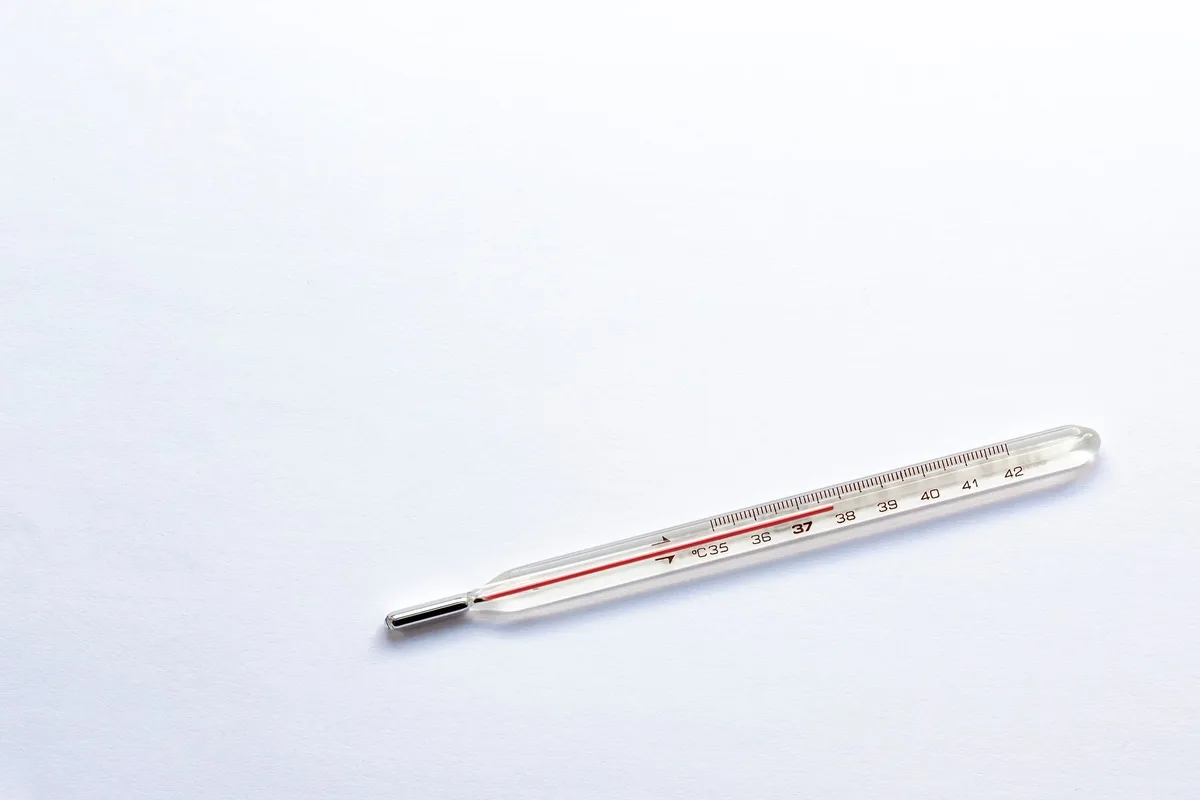
Image source: Pexels / Zakhar Vozhdaienko (Pexels License)
The primary concern for this method is ensuring comfort and safety during insertion. This involves using a lubricant (like petroleum jelly) and never forcing the thermometer. A gentle, slow insertion is key.
While discomfort is possible, actual injury is very rare and almost always a result of improper technique or using a faulty, sharp-edged device. Official medical guidance stresses gentle, careful insertion.
When Accuracy Isn’t Quite Right: Common Issues
Sometimes, the issue isn’t a side effect of the thermometer itself, but a problem with the reading you get. This can lead to unnecessary worry.
Factors Affecting Readings (Sweat, Wax, Technique)
As mentioned, several external factors can skew temperature readings. For temporal scanners, sweat or lotions on the forehead can significantly lower the reading. In ear thermometers, earwax is a common culprit, blocking the infrared sensor.
For armpit readings, a poor seal or air on the skin can’t give an accurate internal temperature. Manufacturer specifications often detail these environmental factors influencing device performance.
Misinterpreting the Numbers
A frequent “problem” is how people interpret the numbers. A slightly elevated reading might cause panic, even if it’s within a normal variation due to activity or ambient temperature. Conversely, a slightly low reading might be dismissed.
Medical professionals often emphasize understanding what constitutes a true fever for the individual’s age and context, rather than solely relying on a single number without considering other symptoms.
Safety First: Using Your Thermometer Responsibly
Using a thermometer safely primarily means focusing on hygiene and proper technique. Since these devices come into contact with our bodies, especially sensitive areas like the mouth or rectum, maintaining cleanliness is non-negotiable. This prevents the transfer of bacteria and viruses.
Cleaning and Disinfection Essentials
Always clean your thermometer before and after each use. For most digital thermometers, this involves washing the probe with soap and cool water. You can also use a 70% isopropyl alcohol solution, which is effective at killing germs.
Always refer to your specific thermometer’s manual for the manufacturer’s recommended cleaning method. Drying the device thoroughly is also important before storing it.
Gentle Handling: Especially with Rectal Thermometers
When using a rectal thermometer, gentleness is paramount. Apply a water-based lubricant to the tip. Insert it slowly and only about half an inch to an inch into the rectum, never forcing it.
This applies especially to infants. This careful approach minimizes any potential for discomfort or minor internal irritation.
When Professional Advice is Needed
A thermometer is a tool for monitoring, not diagnosing. If you’re getting consistently confusing readings, or if your temperature is extremely high, it’s always best to consult a healthcare professional. They can interpret the readings in the context of other symptoms and provide appropriate guidance.
Don’t hesitate to reach out if you’re concerned.
Summing It Up: Thermometers Are Safe Tools
For the vast majority of users, thermometers are incredibly safe and effective tools when used as intended. The “side effects” reported are almost always related to user experience, such as temporary discomfort or minor hygiene concerns. By following basic cleaning protocols and gentle handling techniques, you can ensure reliable temperature readings without worrying about adverse health impacts.
These devices are designed for health monitoring, and their benefits far outweigh the minimal risks when handled correctly.