If you want the fastest flow and the widest contaminant removal, PUR wins. If you want a lighter housing that stays out of your way while you wash pots, Brita is the better fit. That is the short answer to the PUR vs Brita faucet water filter debate, and everything else comes down to how your sink is set up and what you actually taste in your tap water.
I spend a lot of time at the kitchen sink. Between filling stockpots, rinsing vegetables, and brewing coffee, I run the tap constantly. A pitcher filter sitting on the counter never keeps up with that pace, which is why a faucet mount makes so much sense for a busy cook.
Both PUR and Brita dominate this category, and they take very different approaches to cleaning your water. This comparison breaks down exactly what those differences mean when you are standing at the sink trying to get dinner started.
What Actually Separates PUR From Brita At The Sink
The core difference between these two brands is their filtration technology. PUR uses a three stage system that includes activated carbon, ion exchange resin, and a mineral core. This setup is designed to catch a wider variety of contaminants, including heavy metals like lead and mercury, along with chlorine and certain pesticides.
Brita relies primarily on a non woven element paired with activated carbon. It does an excellent job removing chlorine taste and odor, plus sediment, but its standard faucet filters generally target fewer total contaminants than the PUR equivalents.
This matters most if your home has older plumbing. Houses built before 1986 often have lead solder or brass fixtures that can leach into the water supply. The Environmental Protection Agency maintains strict guidelines on drinking water safety, and if lead is a concern in your area, the broader filtration media inside a PUR unit gives you more peace of mind.
If your municipal water report shows low heavy metals and your main complaint is a chemical pool smell from chlorine treatment, Brita handles that perfectly well.
The physical footprint is the other major split. PUR faucet filters tend to be bulkier. They house more filter media, so the cylinder is longer and heavier.
Brita units are usually more compact. When you are swinging a large skillet under the tap to deglaze it, a smaller profile means fewer bumped knuckles.
How Much Space Does Each Filter Take Up
You need to measure the clearance above your sink before buying either brand. PUR models often extend several inches beyond the end of the faucet spout. When you flip the filter housing down to use it, that extra length hangs directly over the basin.
In a deep farmhouse sink, this is fine. In a shallow stainless steel basin, the filter might sit so low that you cannot fit a tall pitcher underneath it without tilting the pitcher awkwardly.
Brita faucet mounts are generally shorter. They attach to the aerator threads just like the PUR models, but the cartridge sits closer to the spout. This leaves more vertical room in the sink bowl.
For anyone who regularly fills large Dutch ovens or tall carafes, that extra inch or two of clearance changes how smoothly the kitchen workflow goes. If you already struggle with measuring your cooking space for countertop appliances, paying attention to sink dimensions is just as important.
Weight is another factor people overlook. A dry PUR filter is heavier than a dry Brita. Once water saturates the carbon block inside, that weight increases.
The mounting collar takes all that stress. If your faucet is an older model with worn threads or a loose base, hanging a heavy PUR unit off the end might cause the whole faucet to wobble when you turn the water on. Brita's lighter build puts less strain on aging plumbing hardware.
Flow Rate And Filling Speed
Nobody wants to stand around watching water trickle into a pot. PUR filters process water through denser media, which naturally slows the flow rate slightly compared to running the tap without a filter attached. Owners frequently mention that filling a large vessel takes noticeably longer with a PUR unit engaged.
You can bypass this by flipping the lever to unfiltered water for tasks that do not require clean drinking water, like washing dishes.
Brita faucet systems typically allow a faster flow rate. The water passes through the carbon block with less resistance. If you are boiling pasta water and need four quarts fast, the Brita gets the pot filled sooner.
Just remember that the faster flow comes from having less dense filtration material in the path. You are trading some contaminant reduction capacity for speed.
Both brands include a diverter lever. This little switch lets you route water through the filter or straight out of the regular spout. Always use unfiltered water for washing hands, scrubbing pans, or rinsing soap.
Running hot water through either filter damages the carbon block and ruins the cartridge. Only cold water should pass through the filter housing.
Which Housing Material Lasts Longer
PUR offers both plastic and metal housings depending on the specific model. Their metal versions feel substantial and resist scratching better than plastic. However, metal housings add even more weight to the faucet assembly.
The plastic models are lighter but can develop hairline cracks near the threads if you overtighten them during installation. Hand tightening plus a quarter turn with pliers is usually plenty. Cranking down hard on the plastic collar is a quick way to break it.
Brita leans heavily into durable plastics for their faucet mounts. The finish is usually chrome plated to match standard kitchen hardware. Over time, hard water deposits can build up around the seams where the cartridge meets the housing.
Wiping the unit down after splashing prevents that crusty buildup. Brita's plastic construction keeps the overall weight down, which helps with long term stability on the faucet threads.
Neither brand intends for you to leave the filter submerged in standing water. If your sink sprayer hits the filter housing constantly, minerals will accumulate faster. Keeping the exterior dry extends the life of the housing regardless of which brand you choose.
Tracking When To Swap The Cartridge
Replacing cartridges on time is the only way these devices work properly. An expired filter stops trapping contaminants and can actually start releasing trapped particles back into your water. That defeats the entire purpose of installing one.
PUR uses an electronic indicator light on the housing. It tracks usage based on time and estimated water volume. When the light flashes red, you need a new cartridge.
The system takes the guesswork out of maintenance. You do not have to remember when you installed it or count how many gallons you poured. The sensor handles it.
Some users report that the battery powering the light eventually dies before the filter itself expires, which means you have to start tracking manually again.
Brita also uses a status indicator, though the exact mechanism varies by model. Some rely on a simple timer, while others track actual water flow. The replacement cartridges twist off and twist on easily.
You do not need tools to swap them. Just unscrew the old one, insert the new one, and flush it for five minutes to clear loose carbon dust. Skipping that flush step results in black specks in your first few glasses of water.
Keeping up with filter replacements ties into broader kitchen hygiene habits. Just like maintaining your brewing equipment requires a regular schedule, your water filter needs consistent attention to keep performing safely.
PUR vs Brita Faucet Water Filter Cost Breakdown
The initial purchase price for both brands falls into a similar range. You are paying for the mounting hardware, the housing, and the first filter cartridge. Where the costs diverge is in the replacement filters.
PUR cartridges tend to cost slightly more per unit because they contain additional filtration media. Since they are rated for roughly 100 gallons or about three months of average use, you will buy four per year.
Brita replacement cartridges are widely available and often priced a bit lower per unit. They share a similar lifespan rating of around 100 gallons or three months. Because the upfront cost difference is minimal, the real budget impact comes from the annual expense of replacement filters.
Buying multipacks usually brings the per filter cost down significantly for both brands.
If you are comparing this ongoing expense to bottled water, both filters pay for themselves quickly. Even buying premium replacement cartridges every three months costs a fraction of what a household spends hauling plastic bottles from the grocery store every week. And you avoid storing bulky cases in your pantry, freeing up space for things like organizing your countertop appliances or keeping baking supplies accessible.
| Attribute | PUR Faucet Mount | Brita Faucet Mount |
|---|---|---|
| Filtration Stages | Three (carbon, ion exchange, mineral) | Two (non woven, carbon) |
| Primary Contaminants Removed | Lead, chlorine, mercury, pesticides | Chlorine taste/odor, sediment |
| Housing Material | Plastic or metal options | Chrome finished plastic |
| Indicator Type | Electronic light sensor | Timer or flow sensor |
| Filter Lifespan | Approx. 100 gallons / 3 months | Approx. 100 gallons / 3 months |
| Physical Profile | Bulkier, heavier | Compact, lighter |
Installing Either System On Your Kitchen Tap
Both brands use the same basic attachment method. You unscrew the existing aerator from the tip of your faucet. Then you screw on the adapter ring provided in the box.
Finally, you thread the filter housing onto that adapter. The whole process takes about five minutes and requires no special plumbing skills.
The tricky part is matching the adapter to your faucet threads. Most US kitchen faucets use standard sizes, and both PUR and Brita include multiple adapter rings in the package to cover common variations. If you have a specialty faucet with internal threads instead of external ones, or a pull down sprayer head, neither of these filters will work.
Pull down faucets lack the rigid spout needed to support the weight of the filter housing. Attempting to rig an adapter onto a flexible hose usually ends in leaks or a broken sprayer.
Before attaching anything, turn on the cold water and let it run for a few seconds to clear any debris from the threads. Wrap plumber tape around the faucet threads if the included rubber washer does not create a tight seal. Overtightening plastic components causes cracks, so snug it firmly by hand and check for drips.
If it weeps, tighten just a quarter turn more.
Once installed, run cold water through the filter for five full minutes. This flushes the manufacturing residue and primes the carbon block. You will likely see dark water at first.
That is normal. Wait until it runs completely clear before drinking from it.
Who Should Buy PUR And Who Should Pick Brita
Choosing between them comes down to your water quality and your sink layout. PUR is the right call if your primary concern is removing the widest possible range of contaminants. Its three stage filtration targets heavy metals and agricultural runoff more aggressively than the Brita.
If you live in an area with older infrastructure, or if your municipal water report lists elevated levels of lead or mercury, the denser filter media inside the PUR housing provides a stronger defense. You accept a slightly slower flow rate and a bulkier unit in exchange for that broader protection.
Brita is the smarter pick if your tap water is already relatively safe but tastes strongly of chlorine. Municipalities add chlorine to kill bacteria, and that chemical taste ruins delicate broths and coffee. Brita removes that flavor effectively without slowing your water flow as much.
The lighter, more compact design also makes it ideal for smaller sinks or older faucets that cannot handle extra hanging weight. If you prioritize convenience and speed over maximum contaminant reduction, Brita fits your routine better.
Think about how you cook. If you brew pour over coffee daily, the water chemistry matters immensely. Using filtered water prevents scale buildup inside your kettle or machine.
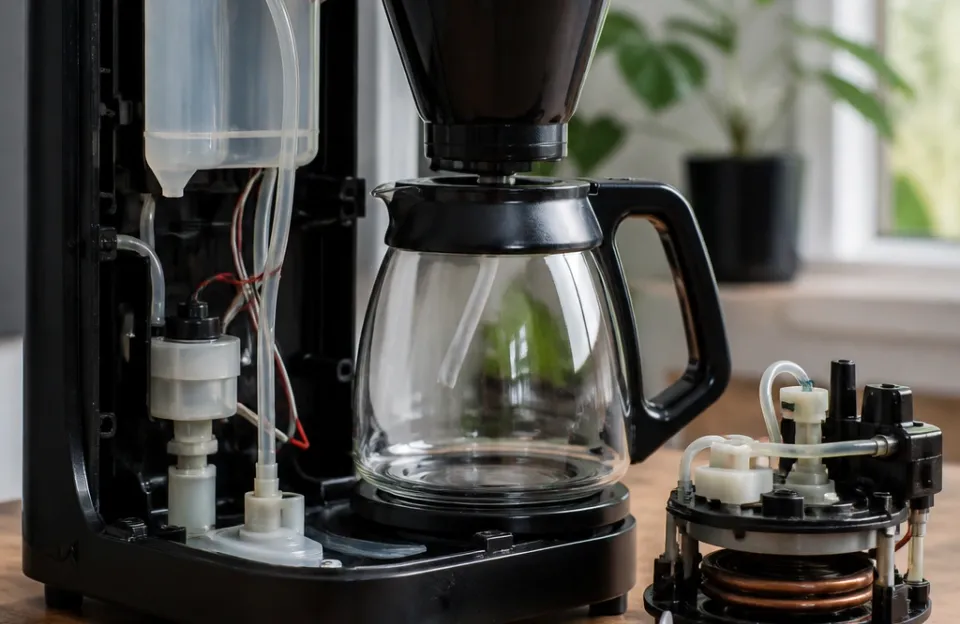
If you own one of the brewers with built-in tanks, filling that reservoir with freshly filtered water improves every shot you pull. Both filters accomplish this, but the PUR strips out more dissolved solids that can alter extraction.
Common Questions About PUR vs Brita Faucet Water Filter
Do these filters remove fluoride from tap water?
Neither standard PUR nor Brita faucet filters are designed to remove fluoride. Fluoride is a dissolved mineral that requires reverse osmosis or specialized activated alumina media to reduce significantly. The carbon blocks in both brands focus on chlorine, organic compounds, and heavy metals.
If fluoride removal is your main goal, you need a different type of filtration system entirely.
Can I run hot water through the filter to fill my soup pot faster?
No. Running hot water through either filter damages the carbon block and degrades the filtration media. Heat causes the carbon pores to release trapped contaminants back into the water stream.
Always use the diverter lever to switch to unfiltered water when you need hot water for cooking or washing. Only cold water should pass through the filter cartridge.
Will these fit on a pull down kitchen faucet?
They will not. Pull down faucets have a flexible hose inside the spout rather than a solid metal pipe. The weight of the filter housing pulls down on that hose, causing leaks or mechanical failure.
Both PUR and Brita require a standard fixed spout with removable aerator threads to mount securely. If you have a pull down sprayer, you need an under sink filtration system instead.
Which brand is better for improving coffee flavor?
Both improve coffee by removing chlorine, which creates bitter off flavors. PUR has a slight edge because its ion exchange resin reduces more dissolved minerals that cause scale buildup inside coffee makers. Cleaner water leads to better extraction.
However, if your local water is soft and only smells like a swimming pool, Brita handles the chlorine removal perfectly well for brewing.
How do I know if the filter is leaking at the connection point?
Check the threaded collar where the filter attaches to the faucet adapter. If water drips from that seam while the filter is engaged, the rubber gasket is either misaligned or worn out. Turn off the water, unscrew the housing, reseat the washer flat against the threads, and hand tighten again.
Persistent leaks usually mean the plastic collar has cracked and needs replacing.
Are the replacement cartridges interchangeable between brands?
They are completely incompatible. PUR cartridges only fit PUR housings, and Brita cartridges only fit Brita housings. The threading, diameter, and internal seal mechanisms differ between the two manufacturers.
Buying the wrong brand of replacement filter means you cannot attach it to your existing mount. Always verify the exact model number printed on your current cartridge before ordering refills.
Deciding On Your Kitchen Water Setup
Sorting out the PUR vs Brita faucet water filter choice does not require overthinking it. Look at your local water quality report first. If heavy metals appear on the list, install the PUR.
If chlorine taste is your only annoyance, grab the Brita. Measure the space above your sink basin to confirm the housing will not block your tallest pots. Once you know those three things, the decision makes itself.
Whichever unit you mount, commit to swapping the cartridge the moment the indicator light tells you to. A neglected filter is worse than no filter at all.
As an Amazon Associate, we earn from qualifying purchases.