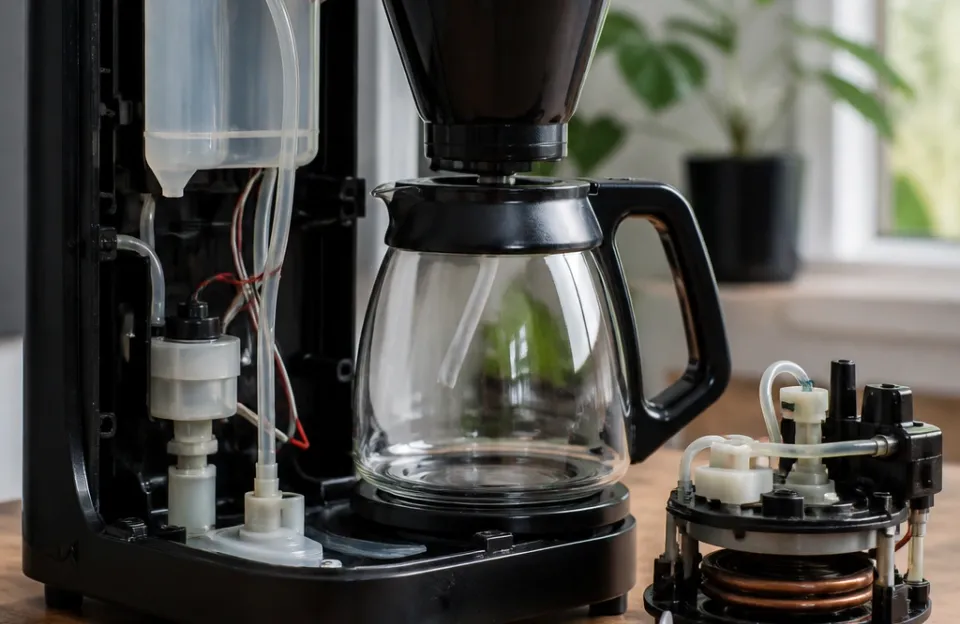
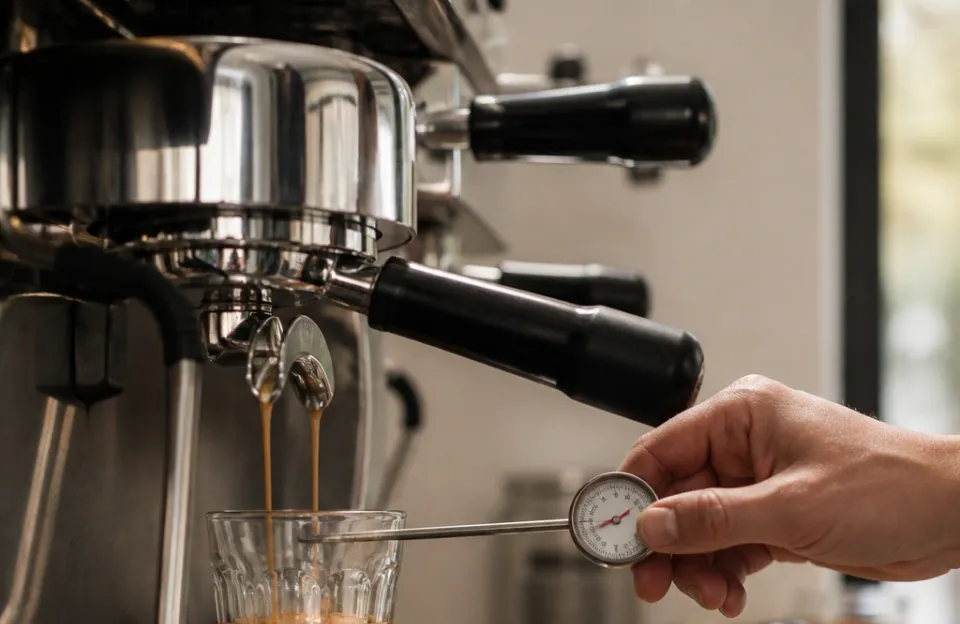
Air fryer overheating happens when the appliance can't vent hot air properly, when the heating element runs longer than it should, or when grease buildup traps heat inside the cooking chamber. If your machine shuts off mid-cook, smells like burning plastic, or feels dangerously hot on the outside, something is blocking normal airflow or a component has failed.
Fixing air fryer overheating usually comes down to clearing blocked vents, reducing the amount of food in the basket, or cleaning out baked-on grease. In some cases, a faulty thermostat or a dying fan motor needs professional repair. This guide covers every common cause and the exact steps to fix it so you can get back to cooking safely.
Why Your Air Fryer Gets Too Hot

An air fryer works by pushing heated air around food at high speed. A coil near the top generates the heat. A fan forces that heat down and around the basket.
The excess air escapes through exhaust vents, usually on the back or top of the unit. When any part of this cycle breaks down, the internal temperature spikes past the target setting.
Most countertop models max out between 400°F and 450°F. The outer casing stays warm, but you should be able to touch it without burning yourself. If the exterior becomes too hot to touch, or if the machine trips its own thermal fuse and shuts down completely, the system is failing to regulate its own temperature.
That failure always traces back to restricted airflow, electrical faults, or user error during loading.
Blocked Exhaust Vents Trap Heat Inside
The exhaust vent is the escape route for excess hot air. If you push your air fryer flush against a kitchen backsplash or tuck it under a low cabinet, that hot air has nowhere to go. It bounces right back into the housing.
The internal temperature climbs rapidly because the machine keeps generating heat while the old heat stays trapped.
Dust and kitchen grease also clog these vents over time. You might not notice a sticky film building up on the back grille until the fan starts sounding strained. Once the openings narrow, the same trapping effect happens even if the machine sits in the middle of the counter.
Overfilling the Basket Chokes the Fan
Air needs physical space to circulate. When you pile frozen fries or chicken pieces all the way to the top rim, you block the path between the heating coil and the food. The fan pushes against a solid wall of ingredients instead of moving air through gaps.
This forces the heating element to stay on longer to reach the set temperature. The thermostat reads the air near the coil, which gets extremely hot because the air isn't moving away fast enough. The result is localized overheating near the top of the chamber, which can scorch food and stress the plastic housing.
Getting the timing right for potatoes means leaving enough room in the basket for the hot air to actually move around them.
Grease Buildup Acts as Insulation
Every time you cook fatty foods, tiny oil droplets vaporize and settle on the interior walls, the heating coil, and the fan blades. A thin layer is normal. A thick, baked-on layer acts like insulation.
It holds heat against the metal and plastic parts instead of letting it dissipate.
Grease on the fan blades adds weight. The motor has to work harder to spin them, generating extra electrical heat. Grease near the heating element can also smoke or catch fire at high temperatures, creating a sudden spike in heat that triggers safety shutoffs.
Regular upkeep matters here, especially after making crispy wings for meal prep where rendered fat splatters everywhere.
Failing Thermostats Lose Temperature Control
The thermostat tells the heating element when to turn on and off. It cycles rapidly to maintain a steady average temperature. If the thermostat degrades or breaks, it might fail to signal the element to shut off.
The coil just keeps heating until the thermal fuse blows or the plastic starts to warp.
Thermostat failure is less common than airflow issues, but it happens in older machines or units that have survived power surges. You'll usually notice this if the food burns consistently at normal settings, or if the machine never seems to stop running the heater even when preheated.
Damaged Power Cords Deliver Unstable Voltage
A frayed cord or a loose plug connection causes voltage drops and spikes. Electric heating elements respond directly to voltage changes. A spike sends more current through the coil than intended, causing a temporary flash of excessive heat.
Repeated spikes degrade the element and the surrounding wiring.
Using an extension cord that isn't rated for high-wattage appliances causes the same problem. Most air fryers draw between 1400 and 1800 watts. A standard light-duty extension cord creates resistance, which generates heat at the plug and starves the appliance of consistent power.
Always plug these machines directly into a grounded wall outlet.
How to Fix an Overheating Air Fryer
Diagnosing the problem takes a few minutes. Start with the easiest fixes before assuming a part has failed.
1. Pull the unit away from the wall. Leave at least five inches of clearance on all sides, especially the back and top. If it was tucked under a cabinet, move it to an open section of the counter.
Run a short test cycle empty to see if the exterior stays cooler.
2. Clear the exhaust vents. Unplug the machine and let it cool completely. Use a flashlight to look into the vent grilles.
If you see dust or grease, use a soft brush or a wooden toothpick to dislodge it. Avoid metal tools that could scratch the coating or bend the grille. For heavy grease, wipe the exterior vents with a damp cloth and mild dish soap.
3. Reduce the batch size. Fill the basket no more than halfway for dense foods like meat or root vegetables. Lighter items like leafy greens need even more space.
If you're reheating leftover pizza slices, lay them in a single layer rather than stacking them. Proper spacing lets the fan do its job without straining the heater.
4. Deep clean the interior. Remove the basket and pan. Wash them in warm soapy water.
Turn the main unit upside down if the manual allows it, or tilt it back to access the heating coil. Wipe the coil gently with a damp cloth to remove carbonized grease. Clean the fan blades if they are accessible.
Baked-on residue requires soaking the removable parts before scrubbing.
5. Check the power source. Inspect the cord for cuts, kinks, or exposed wire. Plug the unit directly into the wall.
Avoid sharing the circuit with other high-draw appliances like microwaves or toasters. If your kitchen wiring is older, a dedicated circuit might be necessary for high-wattage models.
6. Test the thermal fuse. If the machine won't turn on at all after overheating, the thermal fuse likely tripped to prevent a fire. This is a one-time safety device in many models.
Once blown, it must be replaced. This requires opening the housing, which voids warranties and involves working with electrical components.
If you recently bought a specific model like a Ninja countertop cooker or a multi-function Chefman unit, check the manufacturer's specific troubleshooting guide for fuse locations. Some brands use resettable thermal switches instead of one-time fuses.
Signs Your Air Fryer Is Running Too Hot
Catching the problem early prevents permanent damage. Watch for these indicators during normal use.
| Warning Sign | What It Means | Immediate Action |
|---|---|---|
| Burning plastic smell | Housing or wire insulation is melting | Unplug immediately and let cool |
| Exterior too hot to touch | Internal heat is not venting properly | Move to open space and check vents |
| Loud or grinding fan noise | Motor strain from grease or obstruction | Clean fan blades and interior |
| Food burns at normal temps | Thermostat is failing to cycle off | Lower temp manually; plan for repair |
| Unit shuts off mid-cook | Thermal safety switch has tripped | Unplug, wait 30 mins, check airflow |
| Flickering display lights | Unstable power delivery or voltage drop | Change outlet; inspect power cord |
Smoke coming from the exhaust vent is another major red flag. While a little steam is normal when cooking wet foods, actual smoke usually means oil has pooled on the heating element or the bottom of the drawer. If you're cooking salmon fillets and notice white smoke, the natural oils are likely dripping and burning.
Adding a tablespoon of water to the bottom drawer beneath the basket catches drips and stops them from smoking.
When Overheating Points to Electrical Failure
Sometimes cleaning and repositioning don't solve the problem. If your air fryer continues to overheat despite clear vents and small batches, the issue is likely internal.
Heating elements degrade over time. A damaged element might develop hot spots where the metal coil has thinned out. These spots generate far more heat than the rest of the coil, throwing off the thermostat's readings.
The machine thinks the overall air temperature is lower than it is, so it keeps pumping power to the element.
Fan motors also wear out. The bearings dry out, creating friction. Friction generates heat and slows the blade speed.
Slower blades mean less air movement, which leads directly back to trapped heat. You'll often hear a struggling motor humming loudly or rattling before it fails entirely.
According to general appliance safety standards outlined by organizations like the Consumer Product Safety Commission, any countertop cooking device that repeatedly trips its thermal shutoff or emits burning odors should be removed from service immediately. Continuing to use a machine with a known electrical fault risks a house fire. Don't try to bypass safety fuses or tape over damaged cords.
If the unit is under warranty, contact the manufacturer. If it's out of warranty and the cost of replacement parts approaches the price of a new machine, replacing the whole unit is safer and more practical.
Preventing Heat Issues During Daily Cooking
Avoiding air fryer overheating is mostly about habit. Small adjustments to how you load and maintain the machine keep the temperature stable.
Always preheat according to the manual. Some users skip preheating, then crank the temperature up higher to compensate for cold food going into a cold basket. This shocks the heating element and forces it to run at maximum output for an extended period.
Preheating allows the thermostat to establish a baseline, so it only needs to pulse the element briefly to maintain heat once the food goes in.
Shake the basket halfway through cooking. This redistributes the food and opens up air channels that might have collapsed as ingredients softened or settled. It prevents dense clumps from blocking airflow near the top of the chamber.
Wipe down the interior after every use. You don't need a full deep clean daily, but taking a paper towel to the bottom of the drawer and the inside walls removes fresh grease before it bakes onto the surface during the next session. Pay attention to the area directly above the basket where the heating coil lives.
Splatter reaches up there constantly.
Check your recipes for appropriate temperatures. Not everything needs 400°F. Delicate items or foods coated in sugary marinades burn quickly at high heat, creating carbon buildup that insulates the chamber.
Dropping the temperature by 25 degrees and adding a minute or two to the cook time protects both the food and the machine. Knowing how long bacon actually needs at a moderate temperature prevents the fat from smoking and fouling the heating element.
Does the Type of Air Fryer Matter?
Basket-style air fryers and oven-style air fryers handle heat differently. Basket models concentrate heat in a small, round chamber. The fan is very close to the food.
Because the space is tight, any blockage causes rapid temperature spikes. They are more prone to overheating if stuffed too full.
Oven-style models, including those with glass doors or multiple racks, have larger cavities. The heat distributes over a wider area. They take longer to overheat, but when they do, it's often due to a failed fan motor or blocked rear vents hidden behind the unit.
Glass-door models also retain heat differently than solid plastic baskets. If the door seal degrades, heat escapes unevenly, causing the thermostat to overcompensate.
Dual-basket models introduce another variable. Each basket usually has its own fan and heating element, controlled by a central board. If one side overheats while the other runs fine, the issue is isolated to that specific basket's fan or element, rather than a main power supply problem.
Frequently Asked Questions
Can I still use my air fryer if it shut off from overheating?
Unplug it immediately and let it cool for at least 30 minutes. Once cool, check for blocked vents or grease buildup. If you clear an obvious obstruction and it runs normally afterward, it's generally safe to use.
If it shuts off again without any visible blockage, a component has failed and the machine needs repair or replacement.
Why does my air fryer smell like burning plastic when it gets hot?
A burning plastic smell means a non-metal part is getting too hot. This could be a wire insulation melting, the plastic housing warping near the element, or a piece of packaging material left inside during manufacturing. Stop using the appliance immediately.
Inspect the interior for melted debris. If the housing itself is deforming, the unit is unsafe.
Will putting water in the bottom drawer stop overheating?
Water in the bottom drawer doesn't lower the operating temperature of the heating element. It catches dripping grease and stops it from smoking and burning, which reduces ambient smoke and minor heat spikes caused by burning oil. It won't fix a broken fan or a blocked vent, but it helps manage grease-related heat issues.
How long should an air fryer last before parts start failing?
With regular cleaning and proper ventilation, most countertop models last three to five years of daily use. Heating elements and fan motors are the first things to wear out. Running the machine at maximum temperature for extended periods, or frequently overloading the basket, shortens that lifespan significantly.
Is it safe to leave an air fryer plugged in when not in use?
Leaving it plugged in keeps the internal circuitry live. While modern units have standby modes that draw minimal power, a power surge from the grid can damage the control board or thermostat even when the machine is off. Unplugging it after it cools down protects the electronics and eliminates any risk of accidental activation.
Do higher wattage air fryers overheat faster?
Higher wattage means the element produces more heat per second, allowing faster cooking. It doesn't inherently cause overheating as long as the fan and vents are sized to handle that output. Manufacturers design the cooling systems to match the wattage.
Overheating in high-wattage models almost always stems from user blockage or component failure, not the power rating itself.
Keeping Your Machine Running Cool
Air fryer overheating is almost always a symptom of restricted airflow or poor maintenance. Give the exhaust vents room to breathe, stop packing the basket to the brim, and wipe out the grease before it hardens. Those three habits prevent the vast majority of temperature spikes.
If you've cleaned everything and moved the unit to an open counter but it still runs dangerously hot or shuts down mid-cycle, the thermostat or fan motor is likely done. Don't force it to keep working. Countertop appliances operate at high wattages in small plastic housings.
Respecting the thermal limits keeps your kitchen safe and extends the life of the machine.