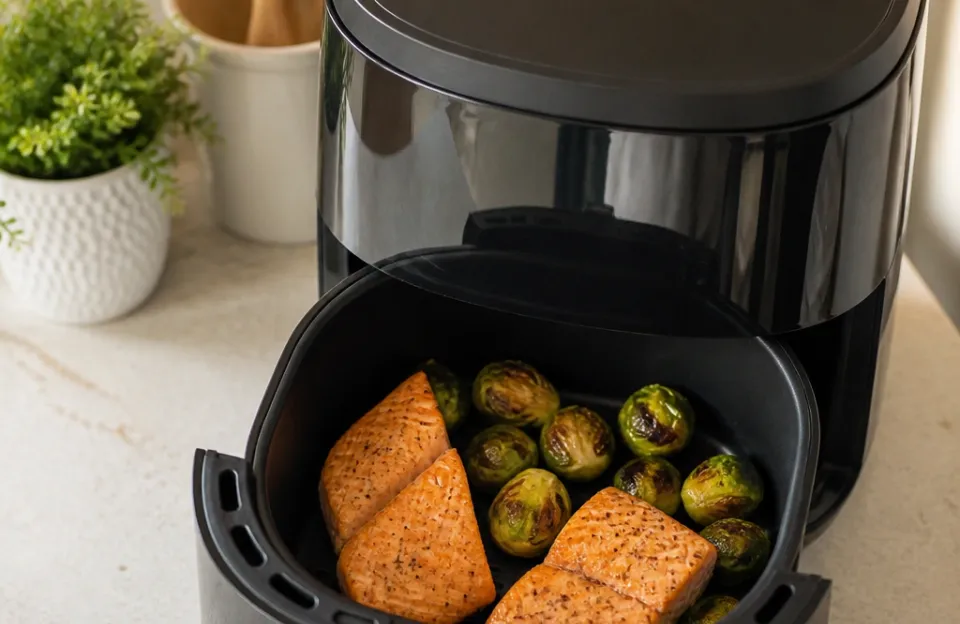
PFOA-free air fryers use a cooking basket coated without perfluorooctanoic acid, a synthetic chemical historically used in nonstick manufacturing. If you are shopping for PFOA-free air fryers: what to know comes down to understanding the difference between older nonstick coatings and newer ceramic or stainless steel alternatives. The label means the manufacturer did not use this specific chemical during production.
Most major appliance brands phased out PFOA years ago due to health regulations. Finding a model without it is standard now. Knowing how to verify the claim, what materials replace it, and how to maintain the coating safely is where the real work happens.
This article breaks down the chemistry, the labeling rules, and the practical steps for choosing and caring for a safer countertop cooker.
Why PFOA-Free Air Fryers Matter for Your Kitchen
PFOA is a man-made chemical that was once a primary ingredient in Teflon and similar nonstick surfaces. It belongs to a larger family of chemicals known as PFAS. These substances resist heat, water, and grease, which made them ideal for cookware.
They also resist breaking down in the environment or the human body.
The US Environmental Protection Agency tracked PFAS contamination extensively over the last two decades. Studies linked long-term PFOA exposure to thyroid issues, liver damage, and other health concerns. Because of these findings, major manufacturers agreed to phase out PFOA by 2015 under an EPA stewardship program.
When you buy a modern air fryer, the nonstick surface is almost certainly free of PFOA. The chemical is no longer part of the standard manufacturing process for reputable brands. A "PFOA-free" label on a box today confirms compliance with a standard the industry adopted years ago.
The difference between PFOA and PTFE
People often confuse PFOA with PTFE. PTFE stands for polytetrafluoroethylene. It is the actual nonstick material, commonly known by the brand name Teflon.
PFOA was a processing aid used to manufacture PTFE.
A PFOA-free air fryer might still use PTFE for its nonstick coating. The manufacturing process simply skips the PFOA chemical. If you want to avoid fluoropolymers entirely, you need a model that specifies both "PFOA-free" and "PTFE-free."
How high heat affects nonstick coatings
Air fryers cook food by circulating hot air at temperatures up to 400 or 450 degrees Fahrenheit. PTFE coatings remain stable at normal cooking temperatures. Problems start when the surface exceeds 500 degrees Fahrenheit.
At that point, PTFE begins to degrade and release fumes.
Standard air frying stays well below this threshold. Overheating usually happens if the machine runs empty for too long or if a thermostat fails. Knowing your machine's maximum temperature prevents accidental degradation.
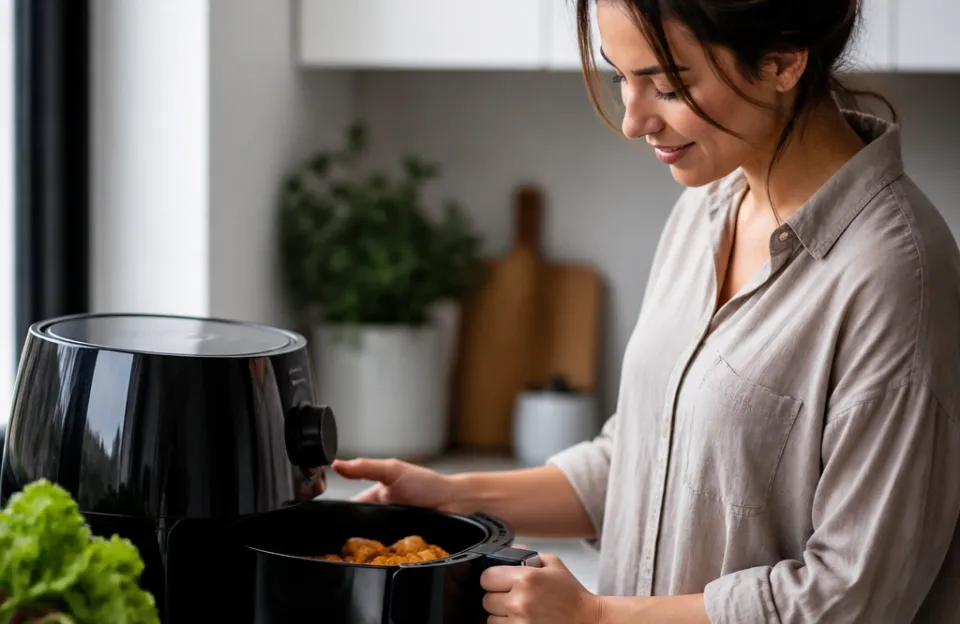
Getting the timing right for items like crispy chicken pieces keeps the heat within a safe range and protects the basket surface.
Decoding Cookware Safety Labels on Modern Appliances
Reading the fine print on an air fryer box can feel like deciphering a chemistry textbook. Manufacturers use several terms to describe their coatings. Understanding these terms helps you pick exactly what you want.
PFOA-free: The product was manufactured without perfluorooctanoic acid. It may still contain PTFE or other PFAS chemicals.
PTFE-free: The product does not use polytetrafluoroethylene. This is the label to look for if you want to avoid traditional Teflon-style nonstick surfaces entirely.
PFAS-free: The product contains no per- and polyfluoroalkyl substances. This is the broadest and strictest designation. It covers PFOA, PTFE, and thousands of related chemicals.
Ceramic-coated: The nonstick layer is derived from silica (sand) using sol-gel technology. Ceramic coatings are naturally free of PFOA and PTFE.
| Label | PFOA Present? | PTFE Present? | Other PFAS Present? |
|---|---|---|---|
| PFOA-Free | No | Usually Yes | Possible |
| PTFE-Free | No | No | Possible |
| PFAS-Free | No | No | No |
| Ceramic-Coated | No | No | No |
If your goal is to eliminate all fluorinated compounds, look for "PFAS-free" or "ceramic-coated." A simple "PFOA-free" sticker leaves room for other chemicals in the same family.
Some budget models lack detailed labeling altogether. In those cases, checking the manufacturer's website or contacting customer support provides clarity. Reputable brands publish their material safety data openly.
Materials Used Instead of Traditional Nonstick Surfaces
When manufacturers stopped using PFOA, they needed alternative ways to keep food from sticking to the basket. Three main materials dominate the market today. Each has distinct strengths and trade-offs.
Ceramic sol-gel coatings
Ceramic coatings use a silica-based solution applied to the metal basket and cured at high heat. The result is a smooth, glass-like surface that resists sticking.
Ceramic is naturally free of PFOA and PTFE. It handles high temperatures better than traditional nonstick, remaining stable well past 500 degrees. Many home cooks prefer ceramic because it feels closer to glass than plastic.
The downside is durability. Ceramic coatings tend to lose their nonstick properties faster than PTFE if scratched or cleaned aggressively. Using silicone or wooden utensils extends the lifespan.
Hand washing is strongly recommended over dishwashers, even if the box claims dishwasher safety.
Stainless steel baskets
Some air fryers skip nonstick coatings entirely. They use bare stainless steel or perforated stainless steel trays. This approach eliminates any concern about chemical off-gassing or coating degradation.
Stainless steel lasts indefinitely. It doesn't scratch, peel, or wear thin. You can use metal tongs and abrasive sponges without worry.
Cooking something delicate like salmon fillets requires a light brushing of oil to prevent sticking on bare steel.
The trade-off is maintenance. Food sticks to uncoated steel much more easily. Soaking the basket in warm, soapy water after every use is mandatory.
Baked-on grease requires more scrubbing effort compared to wiping a ceramic or PTFE surface clean.
Diamond-infused and titanium coatings
Higher-end models sometimes advertise diamond or titanium-reinforced coatings. These are typically PTFE-based coatings fortified with hard particles to resist scratching.
They are PFOA-free and offer better longevity than standard nonstick. They still fall under the fluoropolymer category, so they don't satisfy shoppers looking for a completely PFAS-free kitchen. They strike a middle ground between the convenience of traditional nonstick and improved physical toughness.
Spotting Misleading Marketing Claims About Cookware
Not every "healthy" label on an air fryer box carries weight. Some marketing tactics rely on technicalities that sound impressive but mean very little in practice.
One common tactic is advertising a product as "PFOA-free" when PFOA hasn't been used in cookware manufacturing since 2015. It is technically true, but it applies to almost every new air fryer on the shelf. It functions more as a buzzword than a meaningful differentiator.
Another tactic involves the term "natural nonstick." Unless the packaging specifies ceramic or another defined material, "natural" has no regulatory definition in cookware. It can be applied to standard PTFE coatings without violating advertising rules.
Watch out for the phrase "lead and cadmium free." While heavy metals are a valid concern in cheap ceramics, their absence doesn't tell you anything about the presence or absence of PFOA or PTFE. A basket can be free of lead while still using a fluoropolymer coating.
To cut through the noise, ignore the front of the box. Read the specifications section or the user manual. Look for explicit mentions of the coating material.
If a brand refuses to state what the nonstick surface is made of, treat that omission as a red flag. Choosing a reliable unit, like this popular Ninja model, usually means getting straightforward answers about the interior materials directly from the manufacturer.
Caring for a PFOA-Free Basket Without Ruining the Coating
A PFOA-free air fryer coating, whether ceramic or PTFE, requires specific care to survive daily use. The chemicals might be gone, but the physical vulnerability of the surface remains.
Never use metal utensils inside the basket. Forks, metal spatulas, and knives scratch the coating. Once scratched, the nonstick properties fail in that spot, and food bonds directly to the exposed metal underneath.
Use silicone-tipped tongs or wooden spoons.
Let the basket cool completely before washing it. Plunging a hot nonstick basket into cold water causes thermal shock. This rapid temperature change warps the metal and creates micro-fractures in the coating.
Over time, these fractures cause the surface to flake.
Wash the basket by hand using a soft sponge and mild dish soap. Avoid the abrasive side of a dual-sided sponge. Even "scratch-proof" coatings degrade faster under constant abrasion.
If grease bakes onto the surface, soak the basket in warm soapy water for twenty minutes before wiping it gently.
Avoid aerosol cooking sprays. Commercial spray cans contain propellants and emulsifiers that leave a sticky residue on nonstick surfaces. This residue builds up and eventually carbonizes, ruining the coating's slickness.
Pour a small amount of avocado or olive oil into a pump spray bottle instead. Spritzing your own oil works perfectly when roasting root vegetables or prepping other everyday sides.
Store the basket carefully. Don't stack other heavy pots or pans inside the air fryer drawer when it isn't in use. Weight resting on the coating causes dents and scratches.
Does PFOA-Free Mean Completely Safe to Cook With Daily?
Removing PFOA solves one specific chemical problem. It doesn't automatically make an air fryer risk-free under all conditions. Safety depends heavily on the replacement material and how you use it.
If your PFOA-free air fryer uses a PTFE coating, it is considered safe for normal cooking temperatures. The FDA regulates food contact surfaces, and current PTFE coatings meet their standards when used as directed. The risk only emerges if the appliance malfunctions and overheats significantly beyond its designed limits.
Ceramic coatings carry their own minor considerations. Early generations of cheap ceramic coatings occasionally contained trace amounts of lead or cadmium in the glaze. Buying from established brands that test their products against California Proposition 65 or FDA standards avoids this issue.
Stainless steel is the most inert option. It introduces no coating-related risks. The only safety consideration is handling hot metal, which applies to any cooking vessel.
No matter the material, ventilation matters. Always run your air fryer under a range hood or near an open window. High-heat cooking produces smoke and particulates from the food itself, regardless of what lines the basket.
If you are curious about the nutritional side of things, reading up on how air frying impacts fat content shows that the cooking method itself plays a massive role in your overall health, separate from the basket's chemical makeup.
When to Replace a Worn-Out Air Fryer Basket
Nonstick coatings do not last forever. Recognizing when a basket has reached the end of its life prevents frustration and potential contamination of your food.
Look for visible scratches that expose the bare metal underneath. A few hairline marks are normal wear. Deep gouges that form a pattern mean the coating is failing.
Pay attention to food sticking. If you have maintained the basket properly and food suddenly starts bonding to the surface, the coating has degraded. Washing won't fix a chemically worn-out surface.
Check for peeling or flaking. If you see small dark flakes in your cooked food or at the bottom of the basket, stop using it immediately. Ingesting small amounts of PTFE passes through the body without reacting, but it indicates the appliance is broken.
Flaking ceramic exposes the underlying aluminum or steel, which can react with acidic foods.
Some manufacturers sell replacement baskets separately. Swapping the basket costs less than buying a whole new machine. If replacements aren't available for your model, a degrading basket means it is time to upgrade.
Frequently asked questions
Are all new air fryers PFOA-free?
Yes. Following the EPA's PFOA Stewardship Program, major manufacturers eliminated PFOA from nonstick cookware production by 2015. Any new air fryer sold by a legitimate retailer today uses a manufacturing process free of PFOA.
Is a PFOA-free air fryer the same as a Teflon-free air fryer?
No. PFOA was a chemical used to make Teflon (PTFE). A PFOA-free air fryer might still use Teflon for its nonstick coating, just produced without the PFOA processing aid.
To avoid Teflon entirely, look for labels that specifically say "PTFE-free" or "ceramic-coated."
Can I put my PFOA-free air fryer basket in the dishwasher?
Manufacturers often claim dishwasher safety, but hand washing is always better for the coating. Dishwasher detergents are highly abrasive, and the intense heat during the drying cycle accelerates the breakdown of both ceramic and PTFE surfaces. Hand washing extends the basket's life significantly.
What happens if I accidentally scratch the nonstick coating?
Minor scratches are mostly a cosmetic issue and slightly reduce the nonstick performance in that spot. Deep scratches that expose the base metal mean food will stick aggressively. If a PTFE coating begins flaking into your food, discard the basket.
Do ceramic air fryer coatings contain any harmful chemicals?
Reputable ceramic coatings are made from silica and are free of PFOA, PTFE, lead, and cadmium. Cheap, unregulated imports might use inferior glazes. Stick to brands that clearly state their compliance with FDA or European food safety standards.
Why does my new air fryer smell like burning plastic the first time I use it?
This is normal and unrelated to PFOA. Manufacturers apply protective oils or residues during factory assembly. Running the air fryer empty at its highest setting for ten to fifteen minutes in a ventilated area burns off these residues.
The smell disappears after this initial cycle.
Keeping Your Countertop Cooking Safe
Understanding PFOA-free air fryers: what to know comes down to reading past the marketing stickers. The absence of PFOA is a baseline standard today, not a premium upgrade. Your real choices lie between PTFE, ceramic, and bare stainless steel.
Each material dictates how you cook, how you clean, and how long the basket survives. Pick the coating that matches your cooking habits, treat it gently, and replace the basket the moment it starts to flake.