Stale coffee oils make your morning cup taste bitter, and most home brewers don't even know why. You need to clean your burr grinder every two to four weeks to fix this. A quick dry brush takes five minutes, while a full teardown takes about thirty.
Time And Tools For The Job
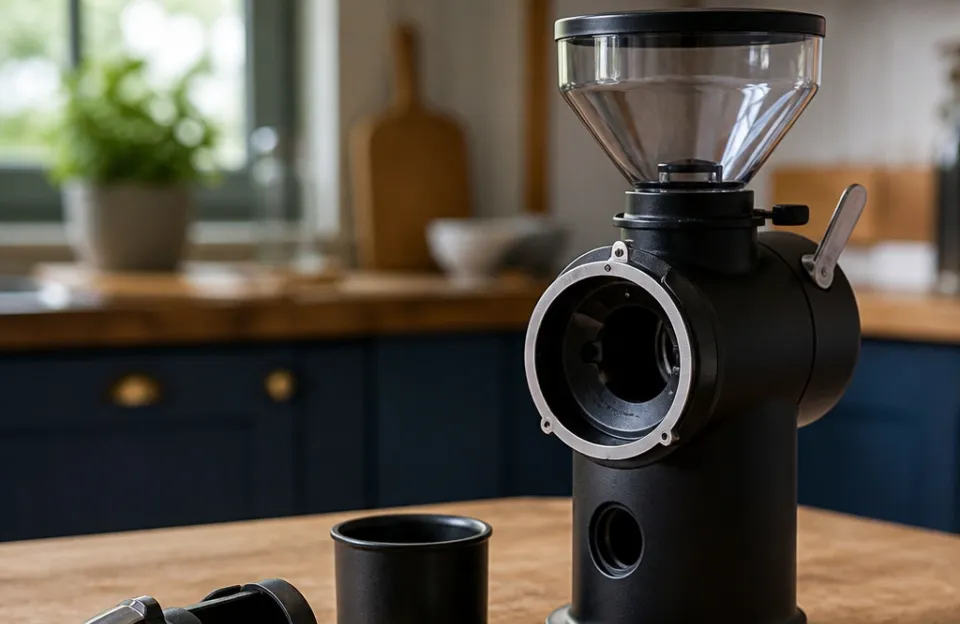
You can do a fast clean in five minutes. A deep clean takes half an hour. Set aside enough time so you don't rush.
Rushing leads to lost screws or cracked plastic parts.
Gather your tools before you start. You need a stiff nylon brush. Most grinders come with one.
If yours didn't, buy a small cleaning brush at any kitchen shop. You also need a soft, dry cloth. Microfiber works best.
Grab a few wooden toothpicks for tight spots.
For a deep clean, buy food-safe grinder cleaning tablets. These are made of compressed grain. They soak up old oils as they pass through the burrs.
Do not use rice. Many people suggest raw rice online. Rice is too hard.
It can chip the edges of your burrs or burn out the motor on cheaper models. Stick to tablets made for coffee gear.
Keep a small bowl nearby. You will put tiny screws in it. Losing a screw means your grinder won't work safely.
You might also want a vacuum with a hose attachment. A standard household vacuum works fine. Just make sure the hose is clean and free of dirt.
If you brew espresso daily, you'll need to clean more often. Fine grounds pack tightly into the burrs. This traps more oil.
Read up on different espresso setups if you pair your grinder with a high-end machine. Those setups demand very fresh beans and very clean burrs.
Why Old Coffee Oil Ruins Your Brew
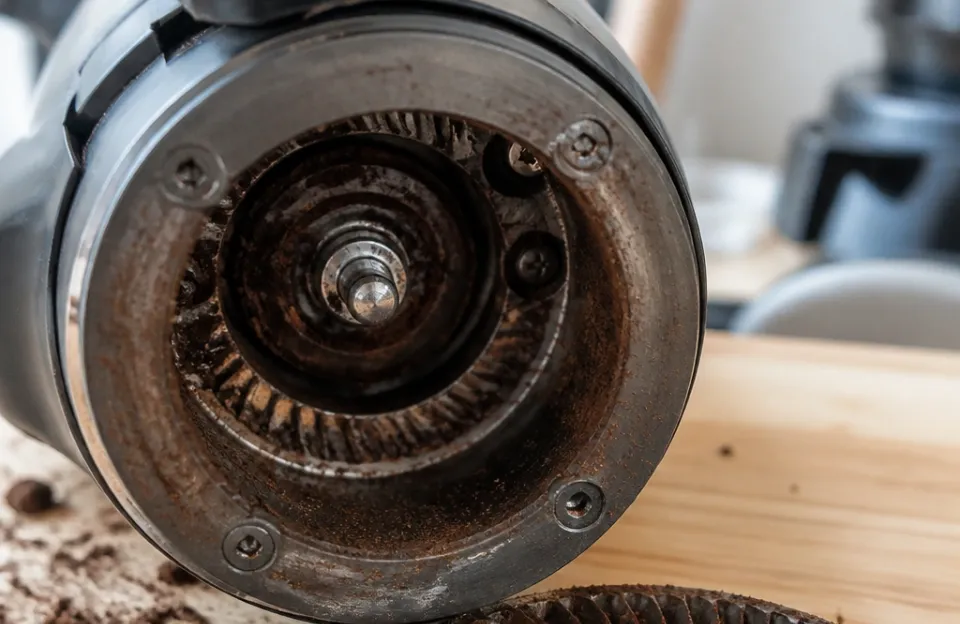
Coffee beans contain natural oils. When you grind beans, those oils coat the metal burrs. Over time, the oils go rancid.
Rancid oil smells bad. Worse, it mixes with your fresh coffee grounds. This makes your new coffee taste sour, bitter, or flat.
Old grounds also get stuck between the teeth of the burrs. These stale bits mix into your next batch. You end up drinking yesterday's coffee today.
No amount of fancy beans will fix a dirty grinder.
A dirty grinder also slows down the motor. Caked-on dust forces the machine to work harder. This extra strain wears out the motor faster.
It can also cause the burrs to heat up. Hot burrs bake the coffee oils right onto the metal. Once baked on, the oils are much harder to remove.
Cleaning solves all these problems. It keeps your coffee tasting bright. It protects the motor.
It helps the burrs last years longer. Think of it like wiping down your stove after cooking. You wouldn't leave grease on the burners.
Don't leave grease in your grinder.
The Five-Minute Dry Brush Method
Do this quick clean once a week. Start by unplugging the machine. Never stick your hands near the burrs while the power cord is plugged in.
Safety comes first.
Remove the hopper. The hopper is the clear plastic bin on top where you pour the beans. Lift it straight up.
Most hoppers twist off or just pull out. Wash the hopper in warm, soapy water. Let it dry completely in the air.
Putting a wet hopper back on the grinder causes moisture damage. Water makes the coffee grounds turn into a sticky paste.
Next, take out the upper burr. It usually lifts right out or twists counter-clockwise. Check your owner's manual if it feels stuck.
Never force it. Metal burrs are sharp. Handle them by the edges.
Use your stiff nylon brush to sweep the lower burr. Brush in circles. Push the loose grounds out.
Sweep the inside walls of the grinding chamber. Use a toothpick to dig out packed grounds from the corners. Be gentle.
Don't scratch the metal.
Now brush the upper burr you removed. Clean between every single tooth. Stale grounds hide deep in those gaps.
Tap the burr gently against the edge of the sink to knock loose dust away.
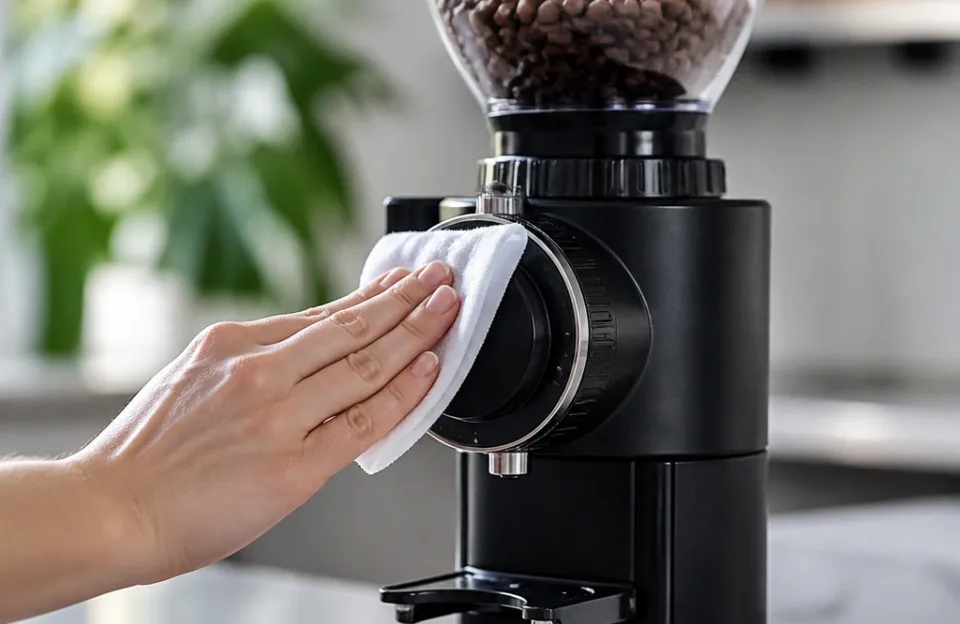
Wipe the inside of the grinder body with your dry cloth. Don't use a wet cloth. Water and electric motors do not mix.
Wipe the chute where the ground coffee falls out. This chute gets very clogged with oily dust.
Put the upper burr back in. Make sure it clicks or locks into place. Put the dry hopper back on.
Plug the machine in. Run a small handful of cheap beans through it. Throw those first grounds away.
They pick up any leftover dust. Your grinder is now ready for your good beans.
Taking The Burrs Apart For Deep Cleaning
Do a deep clean once a month. Or do it when you switch from dark roast to light roast beans. Dark roasts have way more oil.
That heavy oil coats everything fast.
Unplug the grinder. Remove the hopper and wash it. Take out the upper burr.
For a deep clean, you might need to unscrew the lower burr. Some home grinders let you do this. Others do not.
Check your manual. If the lower burr doesn't come out easily, leave it alone. Forcing it strips the screws.
If your lower burr comes out, place the screws in your small bowl immediately. Brush both burrs heavily with the nylon brush. Get every speck of dust out.
Now, use the cleaning tablets. Pour the recommended amount into the hopper area. The box will tell you how much to use.
Usually, it is about one ounce. Turn the grinder on. Let it run until the tablets are fully ground.
The tablets look like pale, dusty flour when they come out. They carry the dark, oily coffee residue with them.
After the tablets finish, turn off the grinder. Unplug it again. Brush out the white tablet dust.
Vacuum the inside chamber. The vacuum pulls out the fine dust that the brush misses. Fine dust builds up in the motor vents over time.
Keeping those vents clear stops the motor from overheating.
Wipe the burrs with a dry paper towel. You will see brown stains on the towel. That is the old coffee oil coming off.
Keep wiping until the towel stays mostly clean.
Reassemble the burrs carefully. Line up the marks or tabs. Tighten the screws snugly, but don't crank them too hard.
Overtightening cracks the plastic housing or warps the metal plate. Put the dry hopper back on. Grind and discard a quarter cup of regular coffee beans.
This pushes out any remaining tablet dust.
Washing The Plastic Hopper And Catch Bin
The hopper and the catch bin (the container that holds the ground coffee) are easy to clean. But people skip them. Coffee oil clings to plastic just as much as metal.
Wash both pieces in the sink with warm water and mild dish soap. Use a soft sponge. Don't use rough scouring pads.
Scratches in the plastic give oils more places to hide. Rinse them very well. Soap left behind will ruin your coffee flavor.
Drying is the most important step here. Air dry them upside down on a clean towel. Leave them out for a few hours.
They must be bone dry. Even a few drops of water will cause big problems. Water hitting the burrs leads to rust.
Rust ruins steel burrs permanently. Water hitting the grounds turns them into mud. Mud clogs the chute.
If you live in a humid climate, drying takes longer. Wipe the plastic with a dry cloth before letting it air out. Some people put the hopper in the dishwasher.
Check your manual first. High dishwasher heat warps thin plastic. Warped plastic won't fit back onto the grinder base.
Hand washing is always safer.
While the bins dry, wipe down the outside of the grinder body. A damp cloth works fine for the outside shell. Just keep the moisture away from the buttons and the power cord slot.
Mistakes That Break Home Grinders
Using water on the metal burrs is the worst mistake. Steel burrs rust quickly when wet. Ceramic burrs can handle a little water, but still shouldn't be soaked.
Always use dry methods for the grinding parts.
Using raw rice is the second biggest mistake. People think rice acts like a scrub brush. Instead, the hard starch jams the burrs.
It puts massive stress on the motor. According to repair advice from Baratza, a major grinder maker, rice voids warranties and breaks machines. Buy real cleaning tablets instead.
They cost a few dollars and save you from buying a whole new grinder.
Vacuuming while the machine is plugged in is dangerous. Static electricity builds up in the plastic hose. This static can shock you or short out the grinder's circuit board.
Always pull the plug from the wall first.
Brushing too hard bends the burr teeth. Burr teeth are cut at exact angles. Bending them changes the gap between the top and bottom burr.
A changed gap gives you uneven coffee grounds. Uneven grounds make weak, watery coffee. Use firm but gentle strokes.
Putting the hopper back while it is still wet introduces moisture directly into the grinding chamber. Wait until it is totally dry. Patience saves your machine.
Skipping the cleaning entirely is a slow death for the grinder. The oils harden into a thick glue. Eventually, the burrs can't spin.
The motor hums but nothing moves. Then the thermal fuse blows to stop a fire. Regular brushing prevents this.
How Often You Should Really Clean
The schedule depends on what you drink. Dark roast beans are oily and shiny. They leave thick residue.
If you drink dark roasts, do a dry brush every week. Do a deep clean with tablets every three weeks.
Light roast beans are dry and matte. They leave less oil. You can stretch a dry brush to every two weeks.
A deep clean every six weeks is fine for light roasts.
Flavored coffees are the hardest on your machine. Vanilla or hazelnut syrups coat the burrs in sticky sugar. Sugar melts from the friction heat.
It hardens like cement when it cools. If you grind flavored beans, clean the burrs after every single use. Better yet, use a separate cheap blade grinder for flavored beans.
Keep your nice burr grinder for pure coffee only.
Humidity matters too. Kitchens near the stove get steamy. Steam mixes with coffee dust to form sludge.
If your grinder sits near the boiling pots, clean it more often. Move it to a dry spot on the counter if you can.
Listen to your machine. A clean grinder sounds smooth and steady. A dirty grinder sounds strained.
The pitch goes higher. The motor labors. If you hear it struggling, it needs a deep clean right away.
Don't wait for the scheduled date.
Dealing With Packed Grounds In The Chute
The exit chute gets clogged faster than the burrs. Ground coffee has to squeeze through a narrow path to reach your bin. Oils build up on the chute walls.
The space shrinks. Grounds get trapped.
Use a toothpick to poke the chute. Don't use a metal knife. A knife scratches the coating inside.
Scratches catch more grounds later. A wooden toothpick is soft enough to push the blockage without scratching.
Some grinders have a small rubber flap or bellows at the chute. Gently press these to shake loose packed dust. You can also use a can of compressed air.
Blow short bursts into the chute. Point the chute toward the sink so the mess falls there, not on your counter. Compressed air is great for blowing dust out of the motor vents too.
If the chute is totally blocked, the grinder will spit grounds backward. They fly out of the top near the hopper. This means you have a severe clog.
Stop the machine. Unplug it. Take the burrs out and clear the path manually.
Keeping the chute clear is part of routine upkeep. It stops the motor from pushing against a wall of packed coffee. Less resistance means a cooler motor and a longer life for the appliance.
Common Grinder Cleaning Questions
Can I wash my steel burrs in the sink?
No. Steel burrs will rust if you wash them with water. Rust destroys the sharp cutting edges.
Only use a dry brush, toothpicks, or cleaning tablets. If you accidentally get them wet, dry them instantly with a towel and run some dry beans through to absorb the leftover moisture.
Are cleaning tablets safe for my coffee?
Yes. Food-safe tablets are made from pressed grains, usually wheat or corn based. They contain no chemicals.
After you run them through, you grind and throw away a small batch of real coffee. This flushes out any tablet dust. Your next cup will taste perfectly normal.
How long do burrs last if I clean them?
Steel burrs last for about 500 to 1000 pounds of coffee. Cleaning them keeps them sharp for the full lifespan. If you never clean them, the hardened oils act like sandpaper.
The burrs dull much faster. Dull burrs crush the beans instead of slicing them. Crushed beans make bitter coffee.
Replacing burrs costs money, so keeping them clean saves you cash.
My grinder smells sour even after cleaning. What is wrong?
The oils might have seeped into the plastic parts. Plastic absorbs odors over time. Soak the plastic hopper and catch bin in a mix of warm water and baking soda.
Let them sit for an hour. Rinse and dry them. The baking soda pulls the sour smell out of the plastic pores.
Can I use a vacuum cleaner on the motor?
Yes, but keep the machine unplugged. Use the hose attachment on low power. Hover it over the vents and the grinding chamber.
Don't jam the hose deep inside. You might knock wires loose. Just suck up the loose surface dust.
This stops dust from falling into the motor bearings.
Should I oil the burrs after cleaning?
Never put oil on coffee burrs. Any oil you add will mix with the coffee. It will go rancid just like the natural coffee oils do.
The burrs are meant to run dry. Adding lubricant ruins your coffee and gums up the grinding mechanism.
Does grinding spices ruin the burrs?
Spices like cinnamon or cloves leave strong oils and scents. They also leave hard fibers. If you grind spices, your coffee will taste like those spices for weeks.
The oils embed deep into the metal. It is best to buy a cheap blade grinder just for spices. Keep your burr grinder strictly for coffee beans.
If you already ground spices in it, run several cycles of cleaning tablets to strip the spice oils away.