Inline water filters have no single universal lifespan. The correct replacement point for your unit is set by whichever comes first: the filter’s rated gallon capacity, its time limit, a decline in flow or water quality, or physical damage. Those figures vary by model, so the label or manufacturer instructions for your exact filter are the figures to follow. Six months is a common reference point for drinking water cartridges, but it is a starting point, not a rule that fits every system.
How Long Do Inline Water Filters Last? the Baseline
For planning purposes, treat the filter label as the authority. A typical carbon drinking water cartridge is often rated for several months of use or a set number of gallons, and some models carry both a capacity rating and a maximum time between changes. Your household’s actual usage determines which limit you hit first.
Two homes with the same filter can get very different service life. A one-person household that filters water for drinking only may reach the time limit first, while a busy family filling kettles, ice cube trays and cooking pots may reach the gallon capacity weeks earlier. Neither situation is a fault: they are different loads on the same rated product.
What Decides When an Inline Filter Needs Changing
Four limits govern replacement timing. Change the filter when the first of them is reached.
Time limit. Manufacturers often set a maximum interval even if the filter is used lightly. A cartridge that has sat wet for many months is past its intended service window, and the manufacturer’s stated interval should take precedence.
Rated capacity. The label’s gallon figure tells you how much water the cartridge is designed to treat at its stated performance level. Compare it with your approximate filtered-water use. A family that uses two gallons a day will run through a 1,000-gallon cartridge in under 18 months, but the filter’s own time limit would usually arrive far sooner. Reduce the estimate if you filter water for coffee machines, ice makers or cooking.
Performance decline. Falling flow rate or a change in taste, odour or clarity is a signal to act, even if you have not reached the rated figures. These signs should prompt a check against the label rather than a reflex replacement.
Damage. Cracks in a housing, split tubing, a stretched or missing O-ring, or a filter that has frozen or been run outside its temperature range all call for replacement regardless of age.
Filter Type Affects the Schedule
Different media have different jobs. Sediment-only cartridges capture particles and can load quickly in supplies with visible turbidity. Carbon block and granular carbon cartridges target taste, odour and some other contaminants, and their rated capacity reflects that specific function. Refrigerator and coffee-machine inline filters are small cartridges with proportionally smaller ratings.
The label for your model states what the filter is certified to do and the capacity at which that performance is claimed. Do not transfer the interval from one filter type to another, even within the same appliance brand.
Sediment, Water Quality and Usage
Water with more suspended solids, higher chlorine levels or a longer run of daily use will tend to consume a cartridge’s capacity sooner. Soft, clean municipal supplies often let a filter reach its time limit before its capacity. Municipal water sources also change over the year, so a filter that lasted a full season last year may need earlier attention this year.
If you want the cartridge to reach its rated life, protect it from unnecessary load. Use a sediment prefilter upstream where the supply is gritty, and avoid running the filter beyond its rated flow rate.
Pressure and Flow Rate
Every cartridge is rated for a flow range, usually stated in gallons or litres per minute. Running water through it faster than its rating can bypass the treatment medium and reduce performance. Running it far below the rated flow, for example by adding a restrictive extra valve, is not harmful to the filter but may not be how its capacity was tested.
If flow through the filter drops and the cartridge is not near its limits, check for kinks in the tubing, a partly closed supply valve, or an appliance inlet screen clogged with debris before assuming the filter is exhausted.
How to Find the Rated Capacity and Time Limit for Your Filter
Start with the filter itself or its packaging. Most cartridges print a model number, a capacity figure and a replacement interval on the label or the housing. Cross-check those details against the manufacturer’s manual or product page.
- Find the model number: it is usually on the cartridge body, the filter head, or the appliance’s water filter compartment.
- Look for a capacity figure in gallons or litres and any stated time limit.
- Check which contaminants or effects the filter is certified for. This tells you what performance the capacity rating covers.
- Confirm the compatible replacement cartridge before ordering. Housing fittings vary, and a cartridge that looks similar may not seal.
- Note the installation date on the cartridge or in an obvious place so the next change is easy to schedule.
Under-sink cartridges often follow the same pattern: a rating printed on the cartridge and a table of compatible replacements in the manual. A short guide to how long under sink water filters last explains how the same principle plays out for larger housings.
Signs Your Inline Water Filter Is Overdue
Replace or investigate the filter when you notice any of these, all of which should be read alongside the label figures.
- Flow drops noticeably and the drop persists after you check valves and tubing.
- Taste or smell changes, including a flat, stale or earthy note in water that used to be neutral.
- Water clarity falls, for example fine sediment or cloudiness appearing after filtering.
- The cartridge is visibly dirty or has developed a slimy feel around the housing.
- It is past its labelled time or gallon rating, even if performance still looks acceptable.
Ruling Out Plumbing and Appliance Faults
Slow flow alone does not prove a filter is worn out. Work through likely causes in order:
- Check the supply valve is fully open.
- Trace the tubing for kinks or pinches.
- Look for a clogged inlet screen at the appliance.
- Test the flow from a tap that does not pass through the filter. If that is slow too, the problem is upstream, not the cartridge.
- Compare with a spare, known-good cartridge where possible to isolate the filter.
If flow recovers after clearing a kink or valve, the cartridge may still have useful capacity left. If flow is sluggish everywhere, contact the manufacturer or a plumber.
Does an Inline Filter Stop Working Exactly at Six Months?
No. Six months is shorthand. A cartridge reaches the end of its intended service when its time limit, capacity, performance or condition requires it. A lightly used filter may still perform well on its labelled measures at six months, while a heavily loaded one may fail earlier.
There are good reasons not to stretch a cartridge far beyond its stated interval. Most of these filters combine particle capture with adsorption, and the media’s treated-water performance is what the certification tests. Respecting the label interval is the simplest way to keep the device working as tested.
How to Replace an Inline Water Filter Safely
Manufacturer instructions always take priority. The steps below describe the general sequence.
- Identify the model and install direction. Read the housing or the cartridge arrow. Flow direction is usually marked.
- Shut off the water supply. Use the isolation valve upstream of the filter, or turn off the appliance at its own supply valve.
- Relieve pressure. Open a downstream tap or the appliance’s dispenser until the flow stops.
- Place a towel and a shallow bowl under the housing. Some water will remain in the cartridge and lines.
- Remove the old cartridge by the method the housing specifies: twist-lock, push-fit or threaded. Keep the old cartridge upright to avoid spills.
- Inspect the housing and O-rings. Clean, replace or lightly lubricate seals only as the manufacturer allows. Replace cracked or flattened O-rings.
- Fit the new cartridge with the arrow or notch aligned as marked. Hand-tighten only unless the instructions say otherwise.
- Restore the water slowly and check the housing and all joints for drips. If you find a leak, shut off the water, relieve pressure and re-seat the cartridge or O-ring. Unplug any appliance near the leak if water could reach electrical parts.
- Flush new cartridges with the volume the manufacturer specifies. This usually clears harmless black carbon dust from the water. Flush until the water runs clear.
- Record the date and the next change point.
If you cannot stop a leak or the fitting has been damaged, stop and call a plumber or the manufacturer.
The Filter’s Direction and Location Matter
Most inline cartridges are directional. Installing one backwards can prevent correct seating, bypass the media, or stress the housing, and some designs will not seat at all. Follow the arrow.
Hot-Water Line Cautions
Many drinking water filters are rated for cold water only. If the cartridge sits on a hot-water line, confirm the product is rated for that temperature before use. Several coffee-machine inline filters are designed for the machine’s reservoir or brew path; check the appliance manual for the correct location and fluid.
If you are setting up a new filter arrangement, the guide to where to put an inline water filter explains why the position upstream of the point of use matters.
Can an Old Inline Filter Make Water Unsafe?
A standard carbon filter is a treatment device, not a sterilising one. It does not disinfect water, and it is not a substitute for treatment during a public health notice. If a boil-water advisory is active, follow the official advisory rather than relying on a carbon filter.
For local drinking water information and advisories, consult your supplier and the EPA drinking water information. If you have concerns about bacteria, lead, PFAS, nitrates or another specific contaminant, start with a water test and choose a filter certified for that contaminant, or follow official guidance for your supply. The guides on lead reduction and PFAS reduction explain why certification matters more than the filter’s general description.
A Filter Change Is Not the Same as Descaling
Replacing the cartridge restores the water treatment function. Descaling removes mineral scale from the appliance itself: the boiler, hot-water tank, showerhead screens or coffee machine’s brewing components. These are different jobs and often use different products.
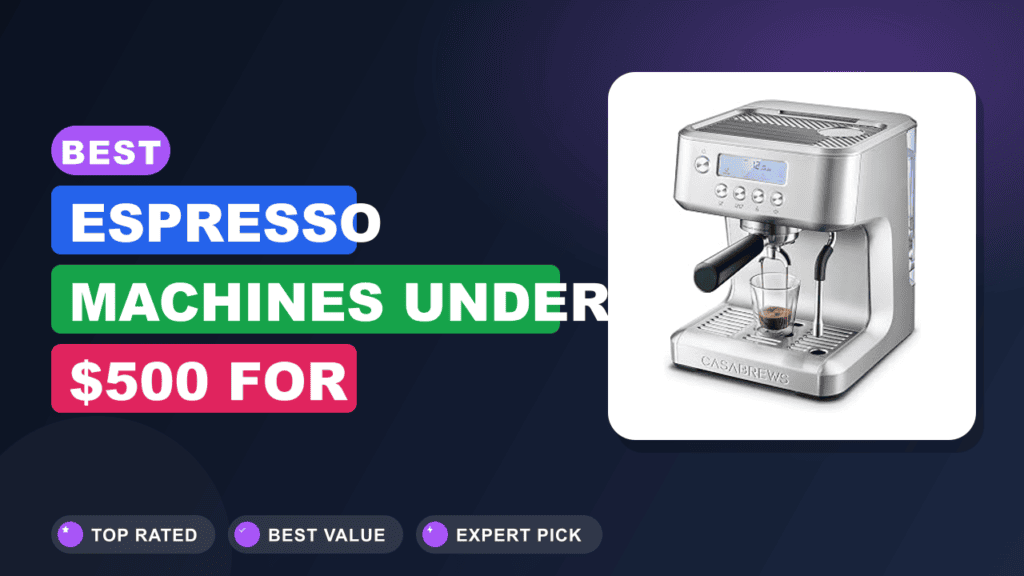
If the appliance still tastes off or runs hot-water slowly after a filter change, the appliance likely needs descaling or a deeper clean. A guide to a coffee maker cleaning routine and an overview of espresso machine types can help you match the routine to your setup. Machines with removable reservoirs and inline filters often need both tasks, on separate schedules.
How to Make an Inline Filter Last Longer
- Filter water you actually drink rather than flushing litres through the cartridge during cleaning.
- Fit a sediment prefilter upstream if your supply is gritty.
- Keep the filter on the cold line and within its rated temperature and pressure.
- Avoid running water harder than the cartridge’s rated flow.
- Flush a new cartridge exactly as directed, and replace it before its next anniversary of the label’s time limit.
- Store spare cartridges sealed and dry, not in a hot garage.
Questions People Ask About Inline Filter Life
Can I use an inline filter past its rated capacity if flow still seems fine? The capacity rating describes tested performance at that volume, so the manufacturer’s figure is the sensible limit. Falling performance can be subtle, which is why the rating exists.
Does a filter on a coffee machine need changing on the same schedule as the drinking water filter? Not necessarily. Each has its own cartridge rating and appliance instructions. Follow the rating on that specific cartridge.
What about a filter on a fridge that has sat unused for months? Check the manufacturer’s guidance on periods of non-use, and flush before drinking. Some makers recommend replacing after a long layoff.
Where can I check a filter’s certification? Reputable certification bodies, including the NSF drinking water program, publish listings you can search by product and contaminant. Only rely on claims that match your exact model.
Why does changing the filter not fix my machine’s taste problem? The taste may come from scale, old water in the appliance’s tank, or the machine’s lines. Descaling or a full clean may be needed in addition to the filter change.
Set the Replacement Date Now
Inline filter life is decided by the earliest limit your specific cartridge reaches: its time rating, its gallon capacity, a decline in performance, or damage. Read those figures from the label, note the installation date, and check for kinks or valve issues before replacing a filter that seems to have failed early. When the cartridge is due, follow the manufacturer’s flow direction, shut off and relieve pressure, flush and check for leaks. And if a contamination advisory is in place, treat the advisory as the governing instruction, not the filter.