You’ve probably been there: you’re cooking up a storm, maybe a Thanksgiving turkey or some perfectly grilled steaks, and you pop in your trusty meat thermometer. But then, a little voice in the back of your head whispers, “Is this thing even right?” It’s a super common question, and honestly, it’s a really important one. Getting your internal temps wrong isn’t just about a mushy chicken breast; it’s about food safety.
So, how do you know if that little gizmo is giving you the real story? In our research, we’ve found that a quick verification can save you a lot of worry. Per USDA guidelines, accurate readings are critical for preventing foodborne illnesses.
Quick Answer
Verify your meat thermometer’s accuracy using the ice water test, which should read 32°F (0°C). A boiling water test, ideally 212°F (100°C) at sea level, can also help. Readings off by a degree or two are usually fine for cooking.
Significantly inaccurate temperatures risk foodborne illness.
The Ice Water Trick: Your First (and Easiest) Test
This is the easiest way to check if your meat thermometer is on the right track. It uses a known temperature point that’s super easy to create right in your kitchen.
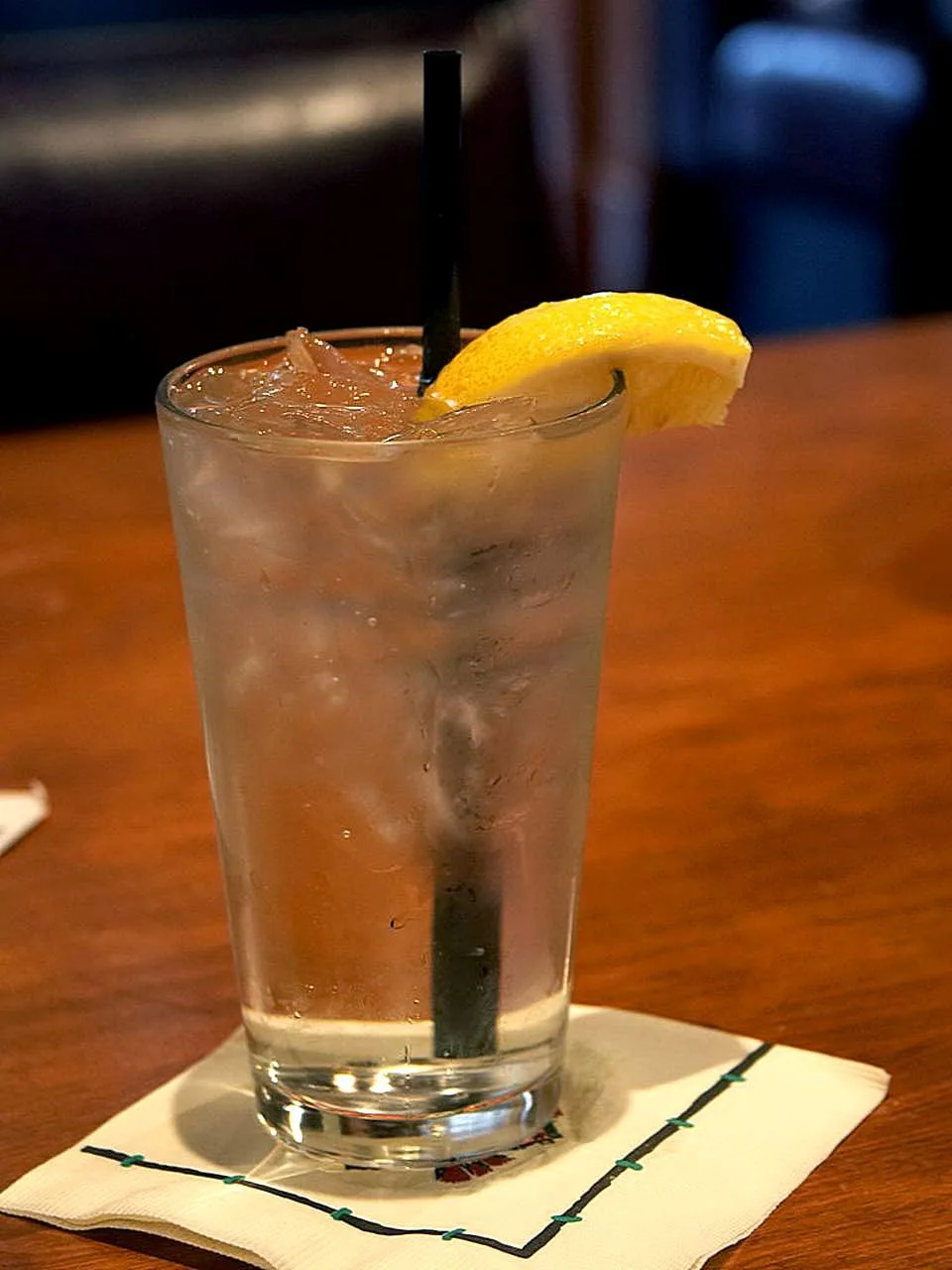
Image source: Wikimedia Commons / Jon Sullivan
Step-by-Step: What To Do
- Gather your ice. Break up some ice cubes into smaller pieces.
- Add water. Fill a glass with water, just enough to cover the ice when you add it.
- Mix and wait. Stir the ice and water together and let it sit for about 5 minutes. This lets the water reach a stable temperature.
- Dip the probe. Put your thermometer’s probe into the ice water. Make sure it doesn’t touch the sides or bottom of the glass.
What to Look For: Spotting Accuracy
Here’s what to expect from your reading:
- Spot On: If your thermometer reads exactly 32°F (0°C), it’s perfectly calibrated.
- Slightly Off: A reading of 30°F to 34°F (or -1°C to 1°C) is generally considered acceptable for cooking accuracy. These small deviations won’t impact food safety.
- Way Off: If your thermometer reads much higher or lower than 32°F, it’s likely inaccurate and you can’t trust its readings for cooking.
The Boiling Water Test: Another Quick Check
This test is similar to the ice water check but uses a different temperature benchmark. It’s a good secondary method to confirm your thermometer’s reliability.
How to Do It
- Boil water. Heat a pot of water on your stove until it reaches a rolling boil.
- Insert the probe. Carefully submerge the thermometer’s probe into the vigorously boiling water. Avoid letting the probe touch the bottom of the pot, as this can give a false reading.
What to Look For: Beyond the Numbers
At sea level, water boils at 212°F (100°C).
- Sea Level Reading: If your thermometer reads 212°F (100°C), it’s accurate at this temperature.
- Altitude Adjustments: Remember that boiling point changes with altitude. If you live at high elevation, water boils at a lower temperature than 212°F. This test is more about seeing if your thermometer responds correctly and consistently to a known temperature point, rather than hitting an exact number unless you are at sea level.
When Things Get a Little Tricky: Calibration
Some digital meat thermometers offer a calibration feature. This allows you to adjust the thermometer to read accurately at a known temperature, like the ice water point.
What to Check for in Your Thermometer
Not all thermometers can be calibrated. Check your user manual or the manufacturer’s website for instructions. Look for terms like “Calibrate,” “CAL,” or a specific calibration button.
How to Calibrate (If Yours Allows It)
If your thermometer has a calibration function, the process usually involves these steps:
- Perform the ice water test and let the reading stabilize.
- Follow your thermometer’s specific instructions to enter calibration mode.
- Adjust the reading to 32°F (0°C) as prompted by the device.
As of 2026, many modern instant-read thermometers are factory-calibrated and designed to hold their accuracy, but checking periodically is still wise.
Why This Stuff Matters: Food Safety First!
Trustworthy temperature readings are non-negotiable for safely preparing food. Undercooked meats can harbor harmful bacteria, leading to serious illness. Relying on an inaccurate thermometer means you might be serving food that isn’t safe to eat.
Key Safe Minimum Internal Temperatures
The USDA provides clear guidelines for safe cooking temperatures. Always cook to these minimums at a minimum.
| Meat Type | Minimum Internal Temperature |
|---|---|
| Ground Meats (beef, pork, lamb) | 160°F (71°C) |
| Poultry (whole, pieces, ground) | 165°F (74°C) |
| Whole Cuts of Beef, Pork, Lamb, Veal (steaks, roasts, chops) | 145°F (63°C) with 3-min rest |
| Fish | 145°F (63°C) or until opaque |
What If My Thermometer Is Just Plain Wrong?
If you’ve performed the ice water or boiling water tests and your thermometer consistently shows readings far from the expected 32°F (0°C) or 212°F (100°C) respectively, it’s time to consider it unreliable. Significant deviations, like being off by more than a few degrees, mean you can’t trust it for critical food safety temperatures.
When to Say Goodbye to Your Thermometer
The primary reason to replace an inaccurate meat thermometer is food safety. Underestimating internal temperatures in poultry or ground meats can lead to dangerous bacteria like Salmonella or E. coli going undetected. If your thermometer consistently fails the ice water test, it’s a clear sign it needs to be retired from your kitchen.
Are All Meat Thermometers Created Equal?
No, they’re not. Different types of meat thermometers have varying levels of accuracy and features. Understanding these differences can help you know what to expect from your tool.
Digital vs. Dial Thermometers
Digital thermometers often provide instant-readouts and can be more precise, sometimes offering calibration features. Dial thermometers are simpler, relying on a bimetallic coil.
| Thermometer Type | Key Differences | Best For |
|---|---|---|
| Digital | Fast, accurate, often has backlight, may have calibration function | Quick checks, a variety of cooking methods |
| Dial | Robust, battery-free, can take a bit longer to read, less precise typically | Roasts in the oven (if oven-safe), simple checks |
| Probe (Wired) | Stays in food during cooking for constant monitoring, needs oven-safe probe | Long roasts, smokers, achieving precise set temperatures |
Common Mistakes When Checking Accuracy
Users sometimes make simple errors that lead them to believe their thermometer is broken when it’s actually the testing method that’s flawed. Paying attention to a few details can prevent unnecessary worry.
Misinterpreting Results
Are you just glancing at the numbers? If your thermometer reads 30°F in ice water, that’s likely still accurate enough for cooking. A reading of 50°F would be cause for concern.
Testing Issues
Ensure the probe is fully submerged in the ice water or boiling water. If it touches the sides or bottom of the container, the reading will be skewed by the container’s temperature, not the fluid’s. Also, give the thermometer enough time to stabilize in the medium before reading it.
Frequently Asked Questions
How do I reset my meat thermometer?
Many digital meat thermometers can be reset by removing and reinserting the battery. Check your specific model’s manual for exact reset procedures.
What does it mean if my meat thermometer beeps?
A beep often indicates the thermometer has reached the target temperature or is signaling an error. Consult your thermometer’s manual to understand specific beep codes.
How often should I check my meat thermometer’s accuracy?
It’s a good practice to check your thermometer’s accuracy at least once a year, or any time you suspect it might be giving faulty readings.
Can a meat thermometer go bad?
Yes, meat thermometers can become less accurate over time, especially if dropped, exposed to extreme temperatures, or if batteries in digital models weaken.