TDS stands for total dissolved solids. It measures the combined weight of all inorganic and organic substances dissolved in a given volume of water, and it is typically reported in parts per million (ppm).
A TDS reading tells you how much dissolved material is in the water. It does not tell you what that material is, and it does not tell you whether the water is safe to drink. Treat it as one useful data point, not a verdict.
What TDS Actually Measures
When you dip a TDS meter into a glass of water, it does not count individual particles. The meter passes a small electrical current between two electrodes and measures how easily that current flows. Dissolved mineral ions such as calcium, magnesium, sodium, and bicarbonate conduct electricity, so more dissolved ions generally means a higher reading.
The meter then converts that conductivity value into an estimated ppm figure using a built-in conversion factor. This is why two meters calibrated differently can give slightly different results on the same sample.
A few important limits follow from this design:
- It cannot identify specific contaminants. A reading of 200 ppm could represent beneficial minerals or could include lead, arsenic, or nitrate. The meter reports a total, not a breakdown.
- It misses non-ionic substances. Many organic compounds, some pesticides, and certain microorganisms do not carry an electrical charge, so they contribute little or nothing to a conductivity reading even when present.
- It does not detect suspended solids. TDS covers dissolved material. Sediment, rust particles, and other suspended matter require a different test.
- Temperature affects the result. Most meters apply automatic temperature compensation, but readings taken at very different water temperatures may drift.
How to Interpret a TDS Reading
The U.S. Environmental Protection Agency lists total dissolved solids among its secondary drinking water standards, which are non-mandatory guidelines set for aesthetic considerations such as taste, color, and odor. The EPA does not enforce these secondary maximum contaminant levels, and the contaminants covered by them are not considered to present a health risk at those levels. Public water systems only need to test for secondary contaminants on a voluntary basis.
Practically, that means a TDS result tells you something about how water will taste and behave, not whether it will harm you.
Very high TDS can make water taste flat, salty, or metallic, and may cause it to appear cloudy or colored. Secondary standards are set to guide water systems in reducing these chemicals to levels below what most people would find noticeable.
The table below summarizes how to think about common reading ranges. It reflects general patterns rather than a regulatory scale:
| TDS Range (ppm) | What It Usually Suggests |
|---|---|
| 0 to 50 | Very low mineral content; often reverse osmosis or distilled water |
| 50 to 300 | Typical range for many municipal supplies; generally pleasant taste |
| 300 to 500 | Higher mineral content; taste may become noticeable |
| 500 to 1,000 | Often described as poor-tasting; scale risk increases |
| Above 1,000 | High mineral load; typically not recommended for drinking or brewing |
These bands are a general guide. Your own water utility’s annual quality report is a better reference for what is normal in your area.
TDS and Water Hardness Are Not the Same
This distinction matters more than most people realize. Water hardness refers specifically to dissolved calcium and magnesium. Both contribute to TDS, but TDS also includes sodium, potassium, chloride, sulfate, and many other dissolved substances that have nothing to do with hardness.
The practical consequence: a high TDS reading does not automatically mean hard water, and soft water can still have moderate TDS from sodium or other ions. If your goal is preventing scale in a kettle, coffee maker, or espresso machine, you need a hardness measurement, not just TDS.
Scale forms when calcium and magnesium precipitate out of solution as water is heated. That buildup insulates heating elements, restricts flow in narrow tubing, and can shorten appliance life. The EPA notes that secondary contaminants can cause technical effects, including damage to water equipment.
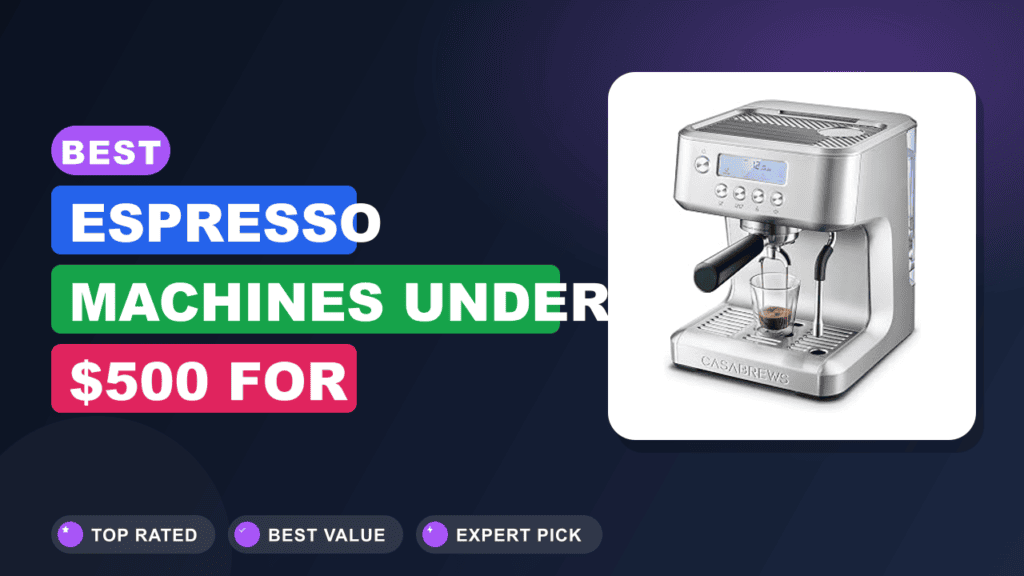
For espresso owners, this is worth taking seriously. If you own espresso machines with water reservoirs, managing mineral content directly affects how long the machine stays in good working order. Different types of espresso machines explained also vary in how sensitive their boilers and valves are to scale, so the same water can matter more for some designs than others.
TDS and Coffee Brewing
Water makes up more than 98 percent of a brewed cup, so its mineral content shapes extraction. The Specialty Coffee Association publishes standards that create a shared framework for quality, consistency, and best practices across the coffee industry. Those standards can apply to equipment and brewing performance as well as evaluation methods.
What the SCA does not publish, at least in its publicly accessible standards material, is a simple universal TDS number that works for every brewer and every coffee. Many coffee resources cite target ranges in the 75 to 150 ppm neighborhood, but that figure is a widely repeated convention rather than a verified SCA mandate. Treat any specific number with appropriate skepticism and adjust based on what you taste.
What generally holds true:
- Water that is too soft can taste flat and may under-extract, producing sour or hollow flavors.
- Water that is too hard can over-extract, producing bitter, chalky, or muddy notes.
- Magnesium tends to accentuate fruity acidity; calcium tends to round out body.
If you use a food scale for coffee to dose grounds accurately, pairing that precision with consistent water is the logical next step.
Practical Steps for Managing Minerals at Home
Step 1: Establish a baseline. Measure your tap water with a TDS meter at room temperature. Record the number and the date. This gives you a reference point for spotting changes.
Step 2: Cross-check with a hardness test. TDS alone will not tell you your scale risk. A separate hardness test strip or kit measures calcium and magnesium specifically.
Step 3: Match treatment to your goal.
- For better-tasting drinking water, a carbon filter reduces chlorine and some organics but barely changes TDS.
- For significant TDS reduction, reverse osmosis removes most dissolved solids.
- For scale prevention, a water softener exchanges calcium and magnesium for sodium, lowering hardness while TDS may stay similar.
Step 4: Maintain your appliances. Regular descaling is the single most effective protection for kettles, coffee makers, and espresso machines. The right interval depends on your water hardness and your manufacturer’s guidance, not on TDS alone. If you are unsure how often to service your equipment, learning how often you should clean a coffee maker is a good starting point.
Step 5: Re-test periodically. Municipal supplies shift seasonally or when source water changes. A reading you took two years ago may not reflect what is coming out of your tap today.
Why a Normal TDS Reading Does Not Confirm Safe Water
This is the most important takeaway in this guide.
A TDS meter cannot distinguish between a harmless mineral and a toxic metal. Water with dangerous lead levels could read quite low on a TDS meter if few other dissolved solids are present. Similarly, bacteria, viruses, and many organic pollutants do not register meaningfully on a conductivity-based reading at all.
Because secondary standards are aesthetic guidelines rather than health limits, the EPA does not enforce them, and water systems are not required to test for secondary contaminants. That means a TDS reading within a “normal” range tells you essentially nothing about microbiological safety or specific contaminant levels.
If you have a specific health concern, a known local contamination issue, or a private well, laboratory testing for the contaminants of concern is the appropriate step. A TDS meter is a screening and monitoring tool, not a substitute for that testing.
Common Misconceptions
“Low TDS means pure, safe water.” Not necessarily. Distilled water has near-zero TDS but is not sterile, and low-TDS water can still contain dissolved gases or non-ionic contaminants.
“High TDS means the water is dangerous.” Not by itself. The EPA treats TDS as an aesthetic issue at the secondary standard level, and the contaminants covered by that standard are not considered a health risk at those concentrations.
“TDS measures hardness.” Hardness is a subset of TDS. You cannot infer hardness from TDS alone.
“I can skip lab testing if my TDS is fine.” This is the riskiest misconception. TDS does not screen for lead, bacteria, nitrate, arsenic, or most pesticides.
Bottom Line
TDS is a quick, inexpensive way to characterize your water’s dissolved mineral load and track changes over time. It is genuinely useful for coffee brewing consistency and for understanding why water tastes the way it does.
What it is not is a safety certificate. Use it alongside a hardness test for appliance decisions, and rely on laboratory analysis when health or specific contaminants are your concern. If your water has an unusual smell or taste, investigate that separately: a bleach-like odor points to chlorine issues, while a rotten-egg smell usually indicates hydrogen sulfide, and a metallic taste often signals dissolved metals from plumbing.
Measure, interpret, and test appropriately. That is how TDS earns its place in your kitchen toolkit.