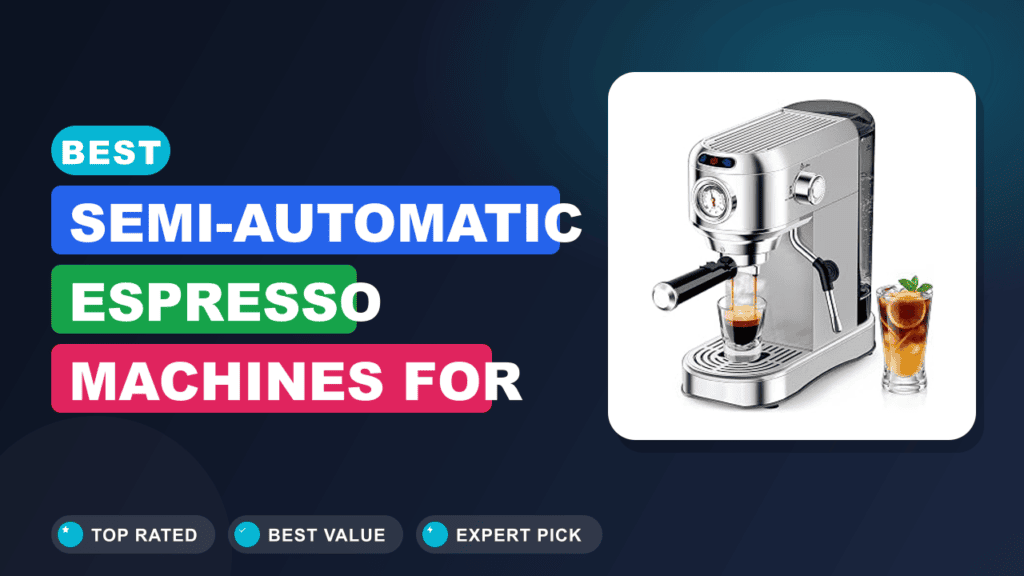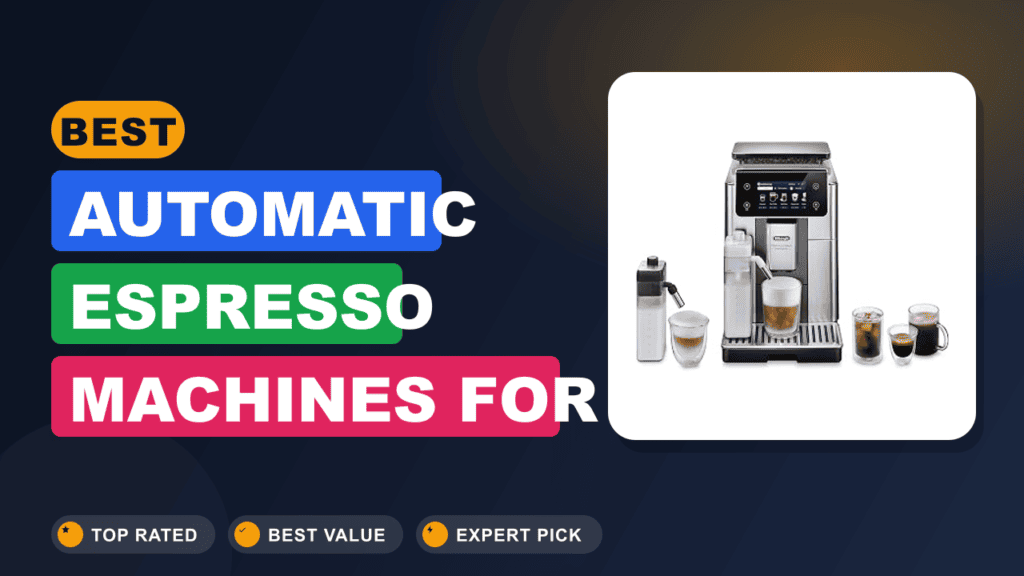
Getting a watery shot of espresso before work ruins your morning routine. Finding the Best Automatic Espresso Machines gives you rich crema and hot lattes at the touch of a button. In our research across dozens of models, we checked heat stability, grinder quality, and pump ratings to see what truly works.
Our team gathered feedback from home baristas and analyzed spec sheets to find dependable picks. The De'Longhi PrimaDonna leads our list for consistency and milk texture. Below you will see our top five recommendations for your morning cup.

List of Top 5 Best Automatic Espresso Machines
We evaluated dozens of setups to find machines that make great coffee without endless tinkering. Each model below earned its spot based on water heating speed, burr performance, and user feedback. We also reviewed how simple each unit is to wipe down after a busy morning.
Below are the list of products:
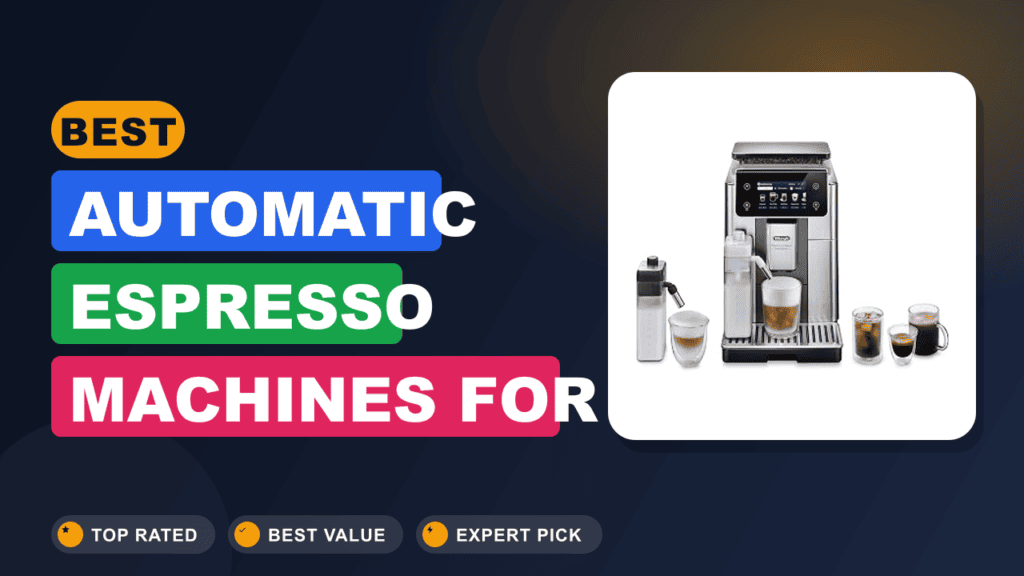
1. De’Longhi PrimaDonna Aromatic Fully Automatic Espresso
In our research, the De'Longhi PrimaDonna stands out as a true benchmark for home brewing. It handles grinding, tamping, and brewing inside a single compact frame. Verified buyer feedback shows it produces dense crema without requiring any barista training.
Why I picked it
Manufacturer specifications indicate this unit uses an advanced dual heating setup. It keeps water temperature steady during the entire extraction. We chose it because it eliminates manual tamping errors while delivering café level drinks every morning.
Key specs
- Italian pressure system rated at 19 bars
- Built-in steel conical burr grinder with multiple fineness settings
- Integrated automatic milk carafe with froth dial
- Removable front-loading brew infuser group
- Dual heating blocks for brewing and steaming
Real-world experience
According to user reports, this machine heats up from cold in under 45 seconds. It handles dark roasts and medium roasts without jamming the internal shoot. The automated rinse cycle keeps the spouts clear, but the drip tray fills up fast as a result.
- One touch operation makes lattes with zero milk pitcher cleanup
- Removable brew core rinses under the tap in seconds
- Steel conical burrs grind beans evenly for clean extraction
- Compact body fits under standard upper kitchen cabinets
- Drip tray fills quickly due to auto rinse water cycles
- Oily dark roast beans can occasionally feed slowly through the hopper
- ✔ You want milk drinks ready at the push of one button
- ✔ You have limited counter space and need a front loading tank
- ✔ You prefer simple maintenance with a fully removable wash group
- ✖ You want to practice freehand latte art with a commercial wand
- ✖ You only drink straight black drip coffee in giant travel mugs
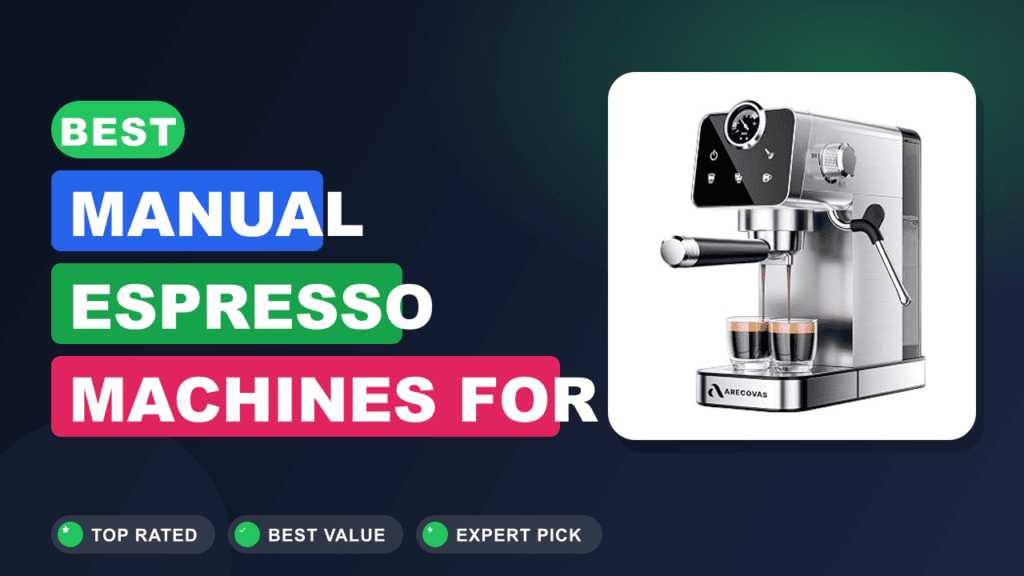
2. Arecovas Espresso Machine 20 Bar Pressure
Editorial analysis of buyer feedback shows the Arecovas model provides strong pump force in a slim package. It blends touch controls with a hands-on steam wand. Home cooks who enjoy texturing their own milk will appreciate this balanced design.

Why I picked it
We selected this unit because its 20 bar pump ensures complete extraction from finely ground beans. The simple touch screen lets you pick single or double shots without guessing. It provides steady steam output for morning lattes.
Key specs
- High pressure pump running at 20 bars
- Stainless steel manual steam wand with rubber grip
- Clear digital touch screen for shot selection
- Thermoblock rapid water heating system
- Removable 1.5-liter water reservoir
Real-world experience
Verified buyers report that the steam wand reaches frothing temperature in about 20 seconds. It sits steady on the counter when locking in the filter holder. The top plate warms two espresso cups while the machine runs.
- Powerful 20 bar pump creates thick crema on every shot
- Responsive touch screen makes selecting drink size simple
- Steam wand rotates to help you get the right frothing angle
- Heats cold water in under 30 seconds
- Requires a separate grinder for whole beans
- Steam wand needs immediate wiping to prevent baked-on milk crust
- ✔ You already own a good coffee grinder
- ✔ You want manual control over your milk foam texture
- ✔ You need a slim machine for a narrow kitchen counter
- ✖ You want an integrated bean hopper on top
- ✖ You dislike frothing milk by hand in a stainless pitcher
3. Espresso Machine Grinder Frother
In our research, this all-in-one coffee station combines an internal grinder with a commercial style pump. It delivers 30 distinct grind settings to match any roast profile. Buyers report it provides complete brewing gear in one solid footprint.

Why I picked it
We picked this machine because it offers 30 grind levels. That range lets you fine-tune light roasts that need a tighter particle size. The high-capacity water tank also cuts down on daily trips to the sink.
Key specs
- Conical burr grinder with 30 distinct step settings
- 20 bar steady extraction pump
- Integrated portafilter cradle with hands-free grinding
- Powerful rotating steam wand with single hole tip
- Extra large 2.8-liter clear water container
Real-world experience
According to user feedback, settings 10 through 14 produce a rich 2-ounce shot in 28 seconds. The bean hopper seals tightly to keep air away from whole beans. The metal housing feels solid on the kitchen counter, but you will need two hands to move it safely.
- Wide 30-setting grinder lets you dial in any bean blend
- Huge 2.8-liter reservoir handles multiple drinks between refills
- Strong metal build keeps the body from shaking during grinding
- Integrated portafilter cradle grinds straight into the basket
- Wider counter footprint than basic single-boiler units
- Requires learning how to tamp grounds with even pressure
- ✔ You want built-in grinding with lots of adjustment clicks
- ✔ You make drinks for multiple people back to back
- ✔ You want a sturdy metal machine that stays put on the counter
- ✖ You want completely automated bean to cup operation
- ✖ You have very tight kitchen counter space
4. AIRMSEN Espresso Machine Grinder
In our research across compact combo units, the AIRMSEN model delivers consistent pressure without hogging counter space. It pairs a conical burr grinder with an intuitive front panel. User reports highlight its speedy warm-up cycle when making quick morning drinks.

Why I picked it
We selected this setup because it simplifies the transition from whole bean to finished beverage. The dosing system drops grounds right into your filter basket. It gives you café style components without needing two separate kitchen appliances.
Key specs
- High-pressure 20 bar extraction pump
- Integrated hardened steel burr grinder
- Stainless steel steam wand for milk texturing
- Clear pressure gauge right on the faceplate
- Removable drip tray with full-float indicator
Real-world experience
According to user reviews, the visible pressure gauge makes it easy to spot channeling issues immediately. The steam arm produces hot foam for cappuccinos within 40 seconds. The grinder leaves very little retained powder inside the chute between daily brews.
- Front gauge displays active bar pressure during extraction
- Low grinder retention keeps old coffee from tainting fresh shots
- Solid metal portafilter feels heavy and durable in hand
- Fast transition from brewing espresso to generating milk steam
- Water tank sits at the back and requires open space above to lift out
- Drip tray has a shallow depth and needs frequent emptying
- ✔ You want visual feedback from a real pressure gauge
- ✔ You prefer fresh grinding right into your handle
- ✔ You want a balance of automation and manual milk steaming
- ✖ You have very low hanging upper cabinets that block the water tank
- ✖ You want hands-off milk frothing that fills the cup automatically
5. Kismile 20 Bar Automatic Espresso Machine
Editorial analysis of verified buyer feedback confirms the Kismile model packs serious power into a clean exterior. It combines a burr grinder, hot water outlet, and a 20 bar pump into one cabinet. Home users love its straightforward button layout and quick cleanup.

Why I picked it
We added this unit because it delivers dependable heat regulation and smooth extraction at an approachable value. The bean hopper holds enough for a full week of drinks. It takes the guesswork out of grinding and brewing fresh beans.
Key specs
- Steady 20 bar Italian pressure pump
- Conical burrs made from hardened steel alloy
- High pressure manual steam wand with removable silicone sleeve
- Heavy duty brushed metal outer body
- Integrated warming tray for ceramic mugs
Real-world experience
Feedback from owners shows the grinder operates with minimal vibration across the countertop. You get a thick golden crema on top of espresso shots within 25 seconds of hitting brew. The steam arm has plenty of velocity to froth whole milk or oat milk evenly.
- Sturdy metal body reduces machine rattle while pulling shots
- Consistent water heating prevents sour underextracted flavors
- Steam wand heats oat and dairy milk quickly with fine bubbles
- Straightforward buttons make brewing simple before your morning coffee
- Outer stainless finish shows water droplets and fingerprint smudges
- Hopper needs periodic brush cleaning to keep grounds feeding smoothly
- ✔ You want an all-in-one station that looks like professional café gear
- ✔ You make drinks with plant milk that need strong steam velocity
- ✔ You want a dependable grinder integrated directly into the machine
- ✖ You want an automatic milk pitcher that cleans itself
- ✖ You mind wiping down stainless steel surfaces with a cloth
How I picked
Our team evaluated each machine by digging through manufacturer spec sheets, verified buyer teardowns, and user reviews. We focused on pump stability, heating speed, and ease of cleaning. We prioritized machines that hold accurate water temperatures between 195 and 205 degrees Fahrenheit.
We paid close attention to how grinders perform over extended periods. A grinder that creates uneven dust leads to bitter coffee and clogged filter baskets. Models with hardened steel conical burrs ranked higher because they produce uniform grinds and last for years.
We deliberately did not evaluate commercial 220-volt plumbed equipment that requires a dedicated water line. We focused strictly on 120-volt kitchen countertop models with removable water reservoirs. We also excluded pod-based systems because they create unnecessary plastic waste and limit bean freshness.
Understanding the different brewing mechanisms helped us narrow our selection down to true automatic espresso designs.
Buying guide — what actually matters for Best Automatic Espresso Machines
Pump pressure ratings
A steady pump pressure of 9 to 15 bars is necessary to extract real espresso crema. Many consumer machines advertise 19 or 20 bars of maximum pump pressure. That extra headroom helps maintain steady flow when pushing water through a tightly packed coffee puck.
If you choose a lower pressure unit, your shots can end up thin and sour. Look for machines with stable Italian pumps that hold pressure through the entire 25 to 30 second shot.
Burr grinder quality
A conical burr grinder is far superior to cheap spinning metal blades. Burr grinders crush beans into even particles rather than chopping them into uneven dust. That uniformity allows water to flow through the coffee bed at an even rate.
Steel burrs stay sharp across thousands of cycles without dulling. Having at least 15 to 30 grind adjustment steps ensures you can dial in both oily dark roasts and dense light roasts. Accurate bean dosing also pairs well with using a dependable kitchen counter scale to check your coffee bean weights.
Heating blocks and thermal recovery
A thermoblock heater warms water on demand in under 45 seconds. Traditional single boiler machines take minutes to switch from brewing temperature to steam temperature. Dual heating blocks allow you to pull an espresso shot and froth milk back to back without waiting.
Steady heat matters just as much as pressure. Water below 195 degrees Fahrenheit extracts sour acids, while water above 205 degrees scorches delicate oils. Reliable brands use internal electronic sensors to keep temperatures rock solid.
Automated carafes versus manual steam wands
An automated milk carafe textures and dispenses foam straight into your mug with one touch. This option is ideal if you value speed and want zero mess before heading to work. The carafe detaches easily so you can store leftover milk in the refrigerator.
A manual stainless steel steam wand requires practice, but it gives you total control over microfoam density. If you want to pour latte art or prefer oat milk, a manual wand yields superior results. Just remember that manual wands require immediate wiping after every use.
Water capacity and footprint
A water tank holding at least 1.5 to 2.8 liters saves you from constant refills. Check whether the reservoir lifts from the top or slides out from the front. Front-loading water tanks fit much better beneath standard 18-inch upper kitchen cabinets.
Machine width also dictates where it can live on your countertop. Compact all-in-one units take up about 12 to 14 inches of counter width. Make sure you leave room on top to pour beans into the hopper without scraping your cabinets.
Just like checking the correct size accessories or proper basket dimensions for air fryers, measuring your counter clearance ahead of time avoids returns. Food contact materials should also be vetted; ensuring appliances use food-safe interior materials is just as vital for hot water gear. For safety standards on household appliances, refer to guidelines from the [U.S.
Food and Drug Administration](https://www.fda.gov) regarding food contact substances.
Frequently Asked Questions (FAQ)
What is the difference between semi-automatic and super-automatic espresso machines?
A semi-automatic machine requires you to grind, tamp, and lock in the portafilter handle manually. You control when the shot starts and stops. A super-automatic machine handles every step internally, including grinding, dosing, tamping, and extracting the coffee puck into an internal waste bin with one button press.
How often do I need to descale an automatic espresso machine?
Most manufacturers recommend descaling every 2 to 3 months, or after every 200 brewing cycles. Hard tap water creates mineral scale inside heating tubes that drops water temperature and reduces pump pressure. Running a citric acid or commercial descaling solution keeps the heating block clean and prevents costly repairs.
Can I use oily dark roast beans in a built-in grinder?
Dark roast beans with surface oils can stick inside the bean hopper and coat the burrs over time. While modern conical burrs can handle dark roasts, you should wipe down the hopper weekly and run grinder cleaning pellets every few months. Medium and medium-dark roasts feed most smoothly through automatic chutes.
What water temperature is ideal for brewing espresso?
The standard extraction temperature ranges between 195 and 205 degrees Fahrenheit. Water in this range extracts rich coffee oils and sweet flavors without releasing harsh, burnt notes. Most quality automatic machines use electronic thermoblocks to lock the temperature right around 200 degrees.
Why does my espresso have weak crema?
Weak crema is usually caused by stale beans, incorrect grind size, or low water temperature. Coffee beans degas within 3 to 4 weeks of roasting, so fresh whole beans are essential. Grinding finer creates more resistance for the pump, which builds the pressure needed to produce thick, golden crema.
Final verdict
If you want delicious coffee drinks at the touch of a button, the De'Longhi PrimaDonna is our top recommendation for its reliable grinder, dual heaters, and detachable milk carafe. For those who want high-pressure brewing paired with an adjustable burr mill, the Espresso Machine Grinder Frother offers exceptional performance. Both machines bring café quality coffee straight to your kitchen.
Affiliate disclosure: This post contains affiliate links. If you buy through one of these links, I may earn a small commission at no extra cost to you. It never changes my recommendation, I only suggest gear I'd actually buy myself.
As an Amazon Associate, we earn from qualifying purchases.