Yes, 9 bar is the ideal pressure for brewing espresso at the group head when using a traditional non-pressurized portafilter. This standard exists because it creates the right balance of flow resistance, extraction time, and flavor clarity for medium-roast coffee ground to a fine consistency. However, 9 bar is a target for water hitting the coffee puck, not necessarily a setting on your machine’s pump or gauge.
Many home machines display 12 or 15 bar on the box, but that number refers to maximum pump capacity rather than actual brewing pressure. If you use pressurized baskets, pod systems, or very light roasts, the effective pressure needed at the puck can differ significantly from the classic 9 bar benchmark. Understanding where that pressure comes from and how to verify it matters more than chasing a specific number on a dial.
Why 9 Bar Became the Standard
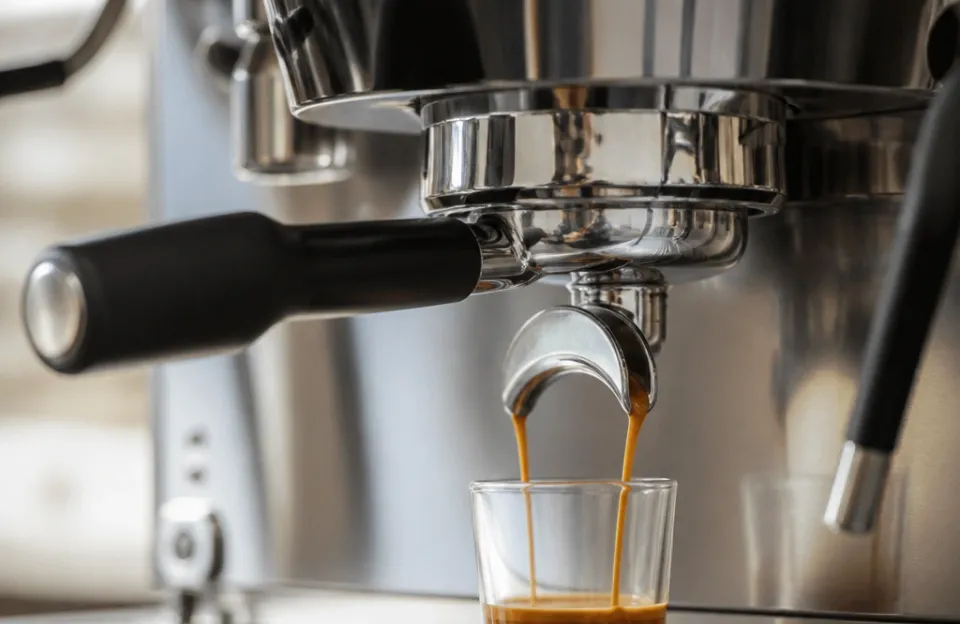
The 9 bar standard did not emerge from a single scientific study proving it produces the best taste. It evolved through decades of practical experience in Italian cafes during the mid-20th century. Early lever machines generated pressure through manual force or spring mechanisms, often fluctuating between 7 and 11 bar during a shot.
When electric rotary and vibration pumps replaced levers, manufacturers calibrated them to replicate the average pressure profile that baristas had already found successful.
This pressure level works because it matches the physical resistance of a properly prepared coffee puck. Water forced through finely ground coffee at 9 bar typically yields a 1:2 brew ratio (for example, 18 grams in, 36 grams out) in 25 to 30 seconds. At lower pressures, water may channel through weak spots or extract too slowly, leading to sourness.
At much higher pressures, the puck can compress excessively, choking flow or forcing water around the edges instead of through the grounds. Nine bar sits in the middle where flow remains steady and extraction stays even across the entire bed of coffee.
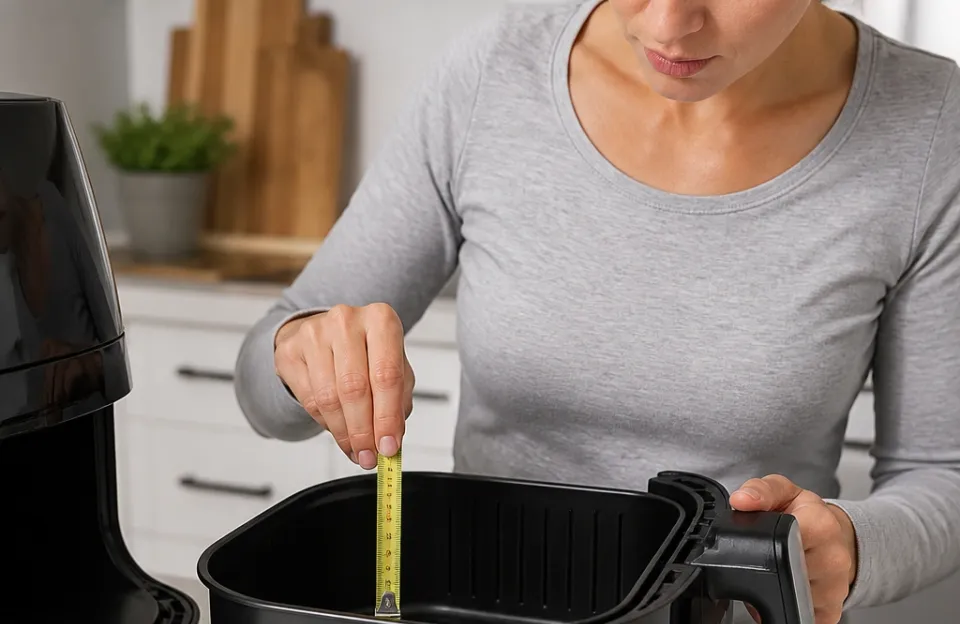
It helps to think of this relationship like measuring an air fryer basket before buying accessories. The nominal size tells you what should fit, but real performance depends on actual dimensions and how components interact under heat. Similarly, 9 bar is a functional target based on typical coffee density and grind size, not an absolute law of physics.
Pump Rating Versus Actual Brewing Pressure
A common source of confusion is the difference between advertised pump pressure and real pressure at the group head. Many entry-level and mid-range home espresso machines list 15 bar or even 19 bar on their packaging. This number describes the maximum pressure the pump can generate against a closed system, not the pressure delivered during brewing.
In practice, most home machines with vibration pumps rely on the coffee puck itself to create backpressure. Without coffee in the portafilter, these machines often cannot sustain 9 bar at all. The pump pushes water forward, but only the resistance of the tamped grounds builds up the necessary pressure for proper extraction.
If your grind is too coarse or your dose too low, pressure drops regardless of what the spec sheet says.
Machines equipped with an over-pressure valve (OPV) offer more control. An OPV diverts excess water back to the reservoir once a set threshold is reached, usually adjustable between 8 and 10 bar. This means the pump might be capable of 15 bar, but the OPV caps actual brewing pressure at 9 bar.
Machines without an OPV depend entirely on puck resistance, making consistent results harder to achieve unless your grinder and technique are precise.
When shopping, look beyond the headline bar rating. Check whether the machine includes an OPV or a built-in pressure gauge at the group head. These indicate the manufacturer designed for controlled brewing pressure rather than just high pump output.
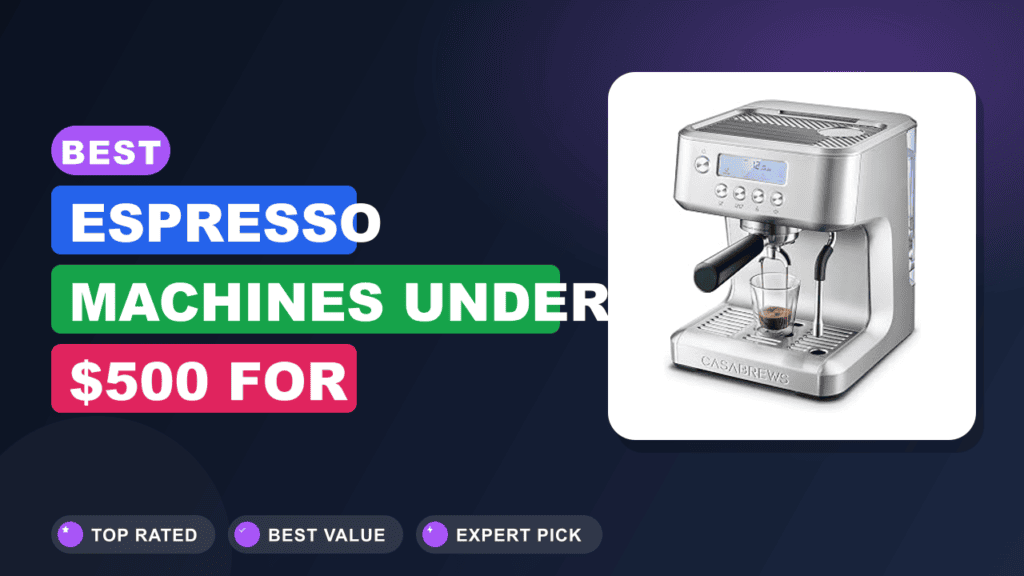
For guidance on matching equipment to your needs, our breakdown of top-rated brewers covers which models actually deliver stable pressure versus those that merely advertise it.
How Roast Level and Grind Affect Pressure Needs
Nine bar assumes a medium to medium-dark roast ground to a standard espresso fineness. Change either variable, and the ideal pressure shifts. Light roasts are denser and less porous than dark roasts.
They resist water flow more strongly at the same grind size. Pushing 9 bar through a light roast puck can lead to slow shots, bitter astringency, or uneven extraction as water seeks paths of least resistance.
Many specialty coffee professionals now recommend lowering pressure to 7 or 8 bar for light roasts. Reduced pressure allows water to penetrate the dense grounds more gently, improving sweetness and reducing harshness. Some advanced machines let you program pressure profiles that start low, rise to peak, then taper off.
Even without programmability, adjusting your grinder slightly coarser while maintaining 9 bar can mimic some benefits of lower pressure by reducing overall resistance.
Dark roasts behave differently. Their cellular structure breaks down more during roasting, creating a more permeable puck. At 9 bar, they may extract too quickly unless ground finer.
Some baristas prefer 8.5 bar for dark roasts to avoid over-extraction of bitter compounds. Again, the key is matching pressure to the coffee’s physical properties, not adhering rigidly to one number.
Grind size acts as your primary pressure control on machines without adjustable pumps. Finer grinds increase resistance and raise pressure; coarser grinds do the opposite. This is why dialing in espresso always involves small grind adjustments.
If your machine has a pressure gauge and reads 6 bar during a shot with correct timing, your grind is likely too coarse. If it spikes to 12 bar and trickles, go finer. The gauge shows what the puck is doing, not just what the pump wants to do.
Pressurized Baskets and Pod Systems Are Different
If your machine uses a pressurized (dual-wall) portafilter basket or accepts pods like ESE or Nespresso-compatible capsules, the 9 bar rule does not apply in the same way. Pressurized baskets have a single tiny outlet hole that artificially creates backpressure regardless of grind size or tamp. This design lets users get crema-like foam with pre-ground coffee or inconsistent grinders, but it decouples pressure from true extraction dynamics.
With pressurized baskets, the machine’s pump still generates force, but the restriction happens at the basket outlet, not within the coffee bed. You might see 9 bar on a gauge, but the coffee itself experiences far less uniform pressure. Extraction tends to be faster and less nuanced.
Adjusting grind size has minimal effect on pressure because the bottleneck is mechanical, not granular.
Pod systems operate similarly. Each capsule contains a fixed amount of coffee at a preset grind, sealed behind a filter membrane. The machine punctures the pod and forces water through at whatever pressure the pump delivers, but the pod’s internal geometry determines actual flow resistance.
Manufacturers design these systems as integrated units, so deviating from intended pressure rarely improves results.
For home users transitioning from pressurized to non-pressurized setups, expect a learning curve. You will need a capable burr grinder and patience to dial in shots. Our notes on keeping equipment running smoothly remind us that material safety and maintenance matter just as much in coffee gear as in other kitchen appliances.
Clean screens, fresh gaskets, and descaled boilers all contribute to stable pressure delivery over time.
Measuring True Pressure at the Group Head
Gauges mounted on the front panel of many home machines often read pump outlet pressure, not group head pressure. Friction losses through tubing, valves, and the shower screen mean actual pressure at the puck can be 1 to 3 bar lower than the gauge suggests. To know real brewing pressure, you need a portafilter-mounted pressure gauge or a blind basket test.
A portafilter pressure gauge replaces the basket with a sealed unit containing its own accurate sensor. Pull a shot with this installed, and you see exact pressure at the point of extraction. This tool costs extra but removes guesswork.
Alternatively, use a blind basket (no holes) with a separate inline gauge if your machine has a three-way solenoid valve. Note that blind tests show maximum system pressure, not dynamic brewing pressure with coffee present.
For machines without any gauge, observe flow behavior. A well-extracted shot at ~9 bar should pour like warm honey, starting with a few drips then forming a steady stream that blondes toward the end. Fast, watery pours suggest low pressure.
Sputtering, erratic streams or extremely slow drips indicate excessive pressure or channeling. Timing alone is insufficient; a 25-second shot can still be under-extracted if pressure was too low throughout.
Calibration checks should happen periodically. Vibration pumps lose strength over years. OPV springs fatigue.
Scale buildup narrows waterways. If your shots used to be perfect and now run fast despite unchanged grind and dose, pressure loss is a likely culprit. Descaling and replacing wear parts restores performance.
Think of it like checking correct fluid levels before cooking raw proteins: preventive care avoids bigger problems later.
Choosing Equipment Based on Pressure Control
Not every espresso drinker needs adjustable pressure or precision gauges. Your choice should match your goals, budget, and willingness to tinker. Here is a practical framework:
| User Profile | Pressure Priority | Recommended Machine Type | Key Feature to Verify |
|---|---|---|---|
| Beginner / Convenience | Consistency over precision | Semi-auto with pressurized basket option | Dual-wall basket included, easy cleanup |
| Home Enthusiast | Stable 9 bar baseline | Semi-auto with OPV and group gauge | Adjustable OPV, PID temperature control |
| Light Roast Explorer | Variable pressure capability | Flow-profiling or lever machine | Programmable pressure curves or manual lever |
| Pod/Capsule User | Set-and-forget simplicity | Dedicated pod system | Compatible pod availability, auto-shutoff |
Beginners benefit from pressurized baskets while developing palate and routine. There is no shame in using them. They produce acceptable results with forgiving margins.
Upgrading later is always possible.
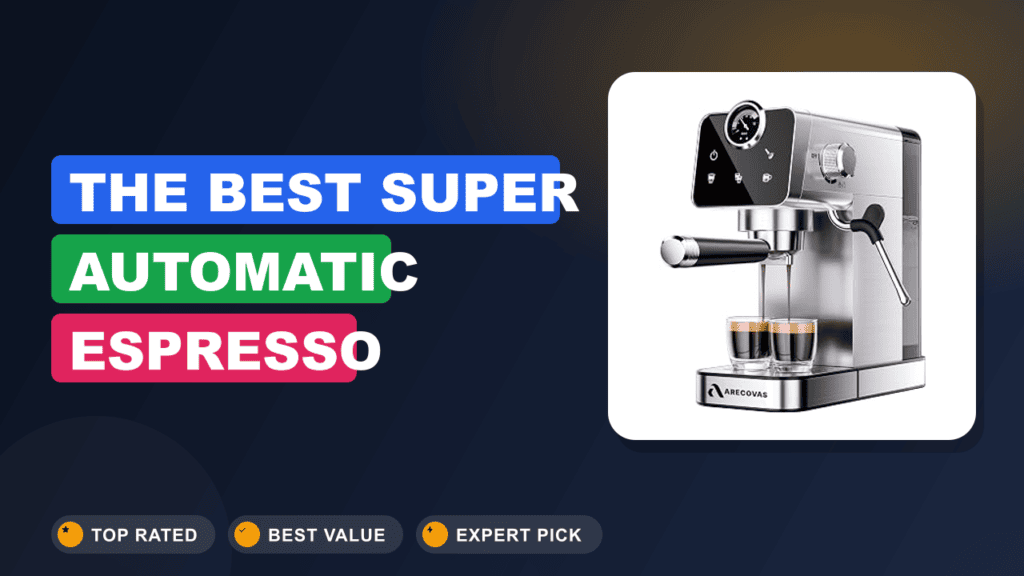
Enthusiasts aiming for café-quality shots should prioritize machines with genuine OPVs and thermal stability over raw pump specs. A machine holding 9 bar ±0.5 bar with ±1°C temperature variance will outperform a 15-bar machine swinging wildly in both metrics. Brands like Gaggia Classic Pro, Lelit Anna, and Profitec Go fall in this tier.
Always check current listings for updated versions, as manufacturers revise internals regularly.
Light roast drinkers investing in profiling machines should understand the trade-offs. Manual levers demand skill but offer unmatched tactile feedback. Electronic profilers automate repeatability at higher cost.
Both allow exploration below 9 bar, but require excellent grinders to justify the investment. Pairing such machines with entry-level grinders wastes potential. Budget accordingly.
Pod users should accept that pressure optimization is largely irrelevant. Focus instead on pod selection, machine reliability, and ease of cleaning. Trying to modify pod systems for custom pressure voids warranties and rarely improves cup quality.
Check current price on Amazon

Common Mistakes When Chasing 9 Bar
Focusing solely on hitting 9 bar can distract from more important variables. Three errors appear frequently among home baristas.
First, ignoring temperature. Pressure and temperature interact directly. Water at 88°C extracts differently than water at 94°C even at identical pressure.
Many machines lack PID controllers, causing temperature swings of 5°C or more between shots. No amount of pressure tuning fixes cold or scorching brew water. Invest in thermal stability before obsessing over bar readings.
Second, neglecting distribution and tamping. Uneven puck preparation causes channeling even at perfect pressure. Water finds weak spots, extracting some grounds excessively while bypassing others.
Tools like WDT needles, leveling distributors, and calibrated tampers reduce variability more reliably than pressure adjustments. Practice consistent prep before blaming the machine.
Third, assuming higher pressure equals stronger coffee. Strength comes from coffee-to-water ratio and extraction yield, not pressure alone. A 7-bar shot with proper ratio and yield tastes fuller than a choked 12-bar mess.
Pressure enables extraction; it does not define intensity. Taste should guide adjustments, not gauge fixation.
These mistakes mirror issues seen when people rush into new kitchen routines without understanding fundamentals. Just as knowing what size liner fits prevents messy failures, mastering basics prevents wasted effort chasing advanced metrics prematurely.
Frequently Asked Questions
Does my 15-bar machine make better espresso than a 9-bar machine?
No. The 15-bar rating indicates maximum pump capacity, not brewing pressure. Most 15-bar machines still brew at or near 9 bar when paired with proper grind and dose.
Higher pump ratings do not improve extraction and may indicate lack of pressure regulation.
Can I adjust pressure on a machine without an OPV?
Only indirectly through grind size, dose, and tamp pressure. Without an OPV, the puck itself creates all backpressure. Changing any of these variables alters resistance and thus pressure.
For direct adjustment, install an aftermarket OPV kit if compatible, or upgrade to a machine with built-in regulation.
Why does my pressure gauge read 12 bar but my shot runs fast?
The gauge likely measures pump outlet pressure, not group head pressure. Flow restrictions between pump and group head cause pressure drop. Fast flow indicates insufficient puck resistance despite high pump output.
Try grinding finer or increasing dose to build proper backpressure at the coffee bed.
Is 9 bar necessary for latte art?
Latte art depends on milk texture and espresso viscosity, not exact pressure. Shots pulled at 8 to 10 bar with good extraction produce suitable crema for pouring. Extremely low pressure yields thin crema that dissipates quickly; extremely high pressure can create dry, stiff foam.
Consistent extraction matters more than hitting 9 bar precisely.
Do commercial machines always brew at exactly 9 bar?
Commercial machines typically target 8.5 to 9.5 bar at the group head under load, but settings vary by cafe and coffee. Many shops adjust pressure seasonally or per blend. Rotary pumps provide steadier pressure than home vibration pumps, but “exactly 9 bar” is a guideline, not a universal setting.
Pressure serves extraction, not the reverse. Use 9 bar as your starting reference for traditional espresso, then adjust based on your specific coffee, equipment, and taste preferences. Measure at the puck when possible, maintain your machine diligently, and let sensory feedback guide refinement over numerical perfection.
As an Amazon Associate, we earn from qualifying purchases.