Nothing ruins a cookout faster than reaching for your thermometer only to find a blank screen, a bent probe, or a reading that drifts wildly from reality. If you are wondering what are the most durable and long-lasting meat thermometers, you are likely tired of replacing cheap tools every few months. A reliable thermometer is not just a convenience; it is a food safety essential. According to USDA food safety guidelines, cooking meat to the correct internal temperature is the only way to guarantee harmful bacteria have been destroyed, making a dependable tool non-negotiable in any kitchen.
In practice, entry-level digital thermometers often fail within one to three years due to moisture ingress, dropped housings, or degrading sensors. However, models built with commercial-grade materials—thick stainless steel probes, sealed electronics, and impact-resistant bodies—can easily last a decade or more. This guide breaks down exactly which construction features dictate longevity, compares the most resilient types available in 2026, and shows you how to protect your investment so it never quits mid-cook. You can also read our guide on chicken internal temperature chart safe cooking temps for every cut.
Why Durability Matters More Than You Think
A meat thermometer lives a hard life. It gets plunged into searing hot roasts, splashed with grease, exposed to open grill flames, washed repeatedly, and occasionally dropped on tile floors. When a thermometer fails, it rarely stops working entirely right away. Instead, it becomes inaccurate.
A common mistake is assuming a thermometer is fine just because the screen still turns on. Sensor degradation happens slowly. A probe that reads five degrees low might leave poultry dangerously undercooked, while a probe reading high will dry out an expensive brisket. Investing in a rugged, long-lasting model ensures your readings remain stable over years of heavy use. Pairing a reliable tool with proper technique—like knowing where to place the probe for accurate poultry temps—guarantees consistently safe meals. You can also read our guide on how to use a meat thermometer to take your temperature.
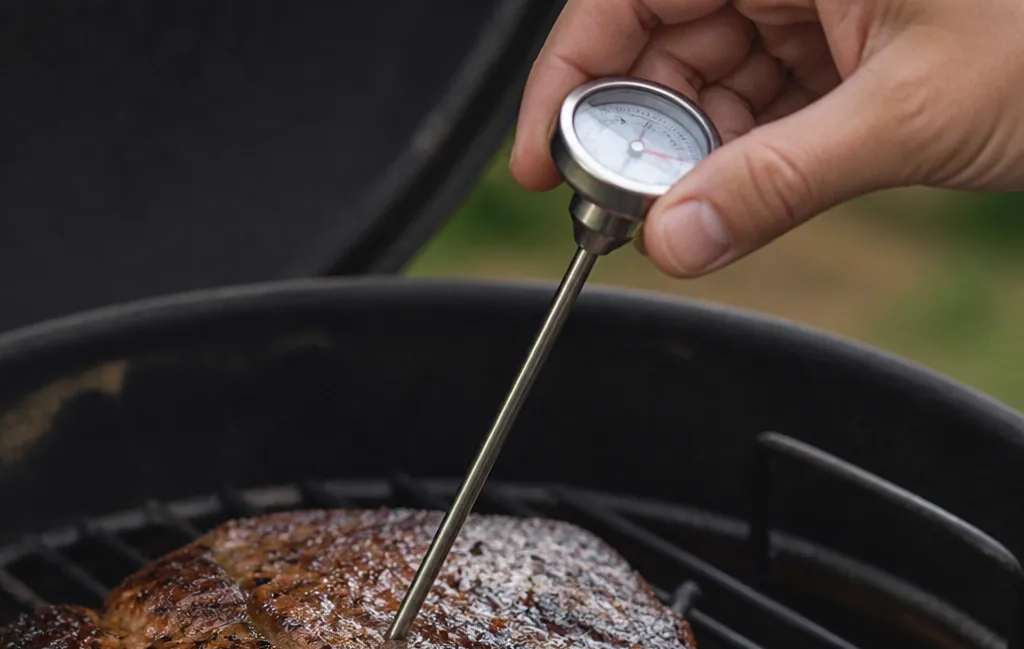
A heavy-duty stainless steel probe designed to withstand high heat and daily use. Image source: Pexels / makafood (Pexels License)
The Anatomy of a Long-Lasting Meat Thermometer
Durability is not accidental. It comes down to specific engineering choices and material grades. When evaluating what are the most durable and long-lasting meat thermometers, look past the marketing claims and inspect these four physical components.
Probe Material and Gauge
The probe takes the most abuse. Always choose food-grade stainless steel (typically 304 or 316 grade). Cheaper metals corrode, pit, or bend when they hit bone. A thicker gauge probe resists bending if you accidentally twist it inside a dense roast. In our experience, tapered tips are great for piercing, but the shaft must be thick enough to resist warping under high oven temperatures.
Housing and Impact Resistance
The body protects the delicate circuitry. Flimsy ABS plastic cracks when dropped from counter height. Look for housings made from thick polycarbonate, fiberglass-reinforced nylon, die-cast aluminum, or full stainless steel. Rubberized over-molding around the edges adds crucial drop protection, absorbing shock before it reaches the internal solder joints.
Water Resistance and Sealing
Moisture is the number one killer of digital thermometers. Steam rises up the probe shaft, condenses inside the housing, and shorts the motherboard. Look for an official IP (Ingress Protection) rating. An IPX7 rating means the unit survives submersion in one meter of water for 30 minutes. Even without a formal rating, check for silicone gaskets around the battery door and sealed membrane buttons rather than mechanical clickers that let water in.
Cable Quality for Leave-In Models
If you use a leave-in thermometer for smoking or roasting, the cable connecting the probe to the transmitter is a major failure point. Braided stainless steel cables or high-temperature silicone jackets are essential. Standard PVC-coated wires will melt, fray, or become brittle when routed near grill lids or smoker vents.
Digital vs. Analog: Which Lasts Longer?
The debate between digital and analog thermometers often centers on speed versus resilience. Both can be incredibly durable, but they fail in different ways.
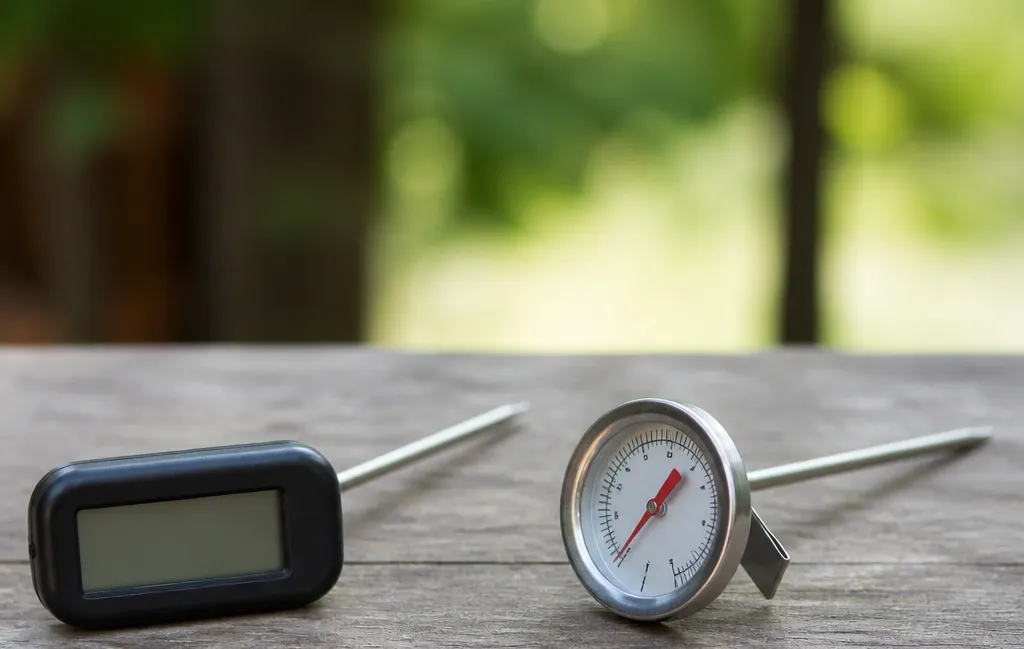
Digital instant-read thermometers rely on thermistor or thermocouple sensors. They provide rapid, precise readings, but their lifespan depends entirely on how well the manufacturer seals the electronics against water and heat. A premium digital model with a metal housing will outlast a cheap dial thermometer, but a budget digital unit will likely die first.
Analog dial thermometers use a bimetallic coil that expands and contracts with temperature changes. Because they contain no batteries, screens, or microchips, they are inherently immune to electronic failure and water damage. Heavy-duty analog models are practically indestructible in high-heat environments like pizza ovens or offset smokers. The trade-off is slower response times and the need for occasional manual recalibration. If you want zero electronic points of failure, a solid analog dial remains a top choice for longevity.
The Most Durable Thermometer Types in 2026
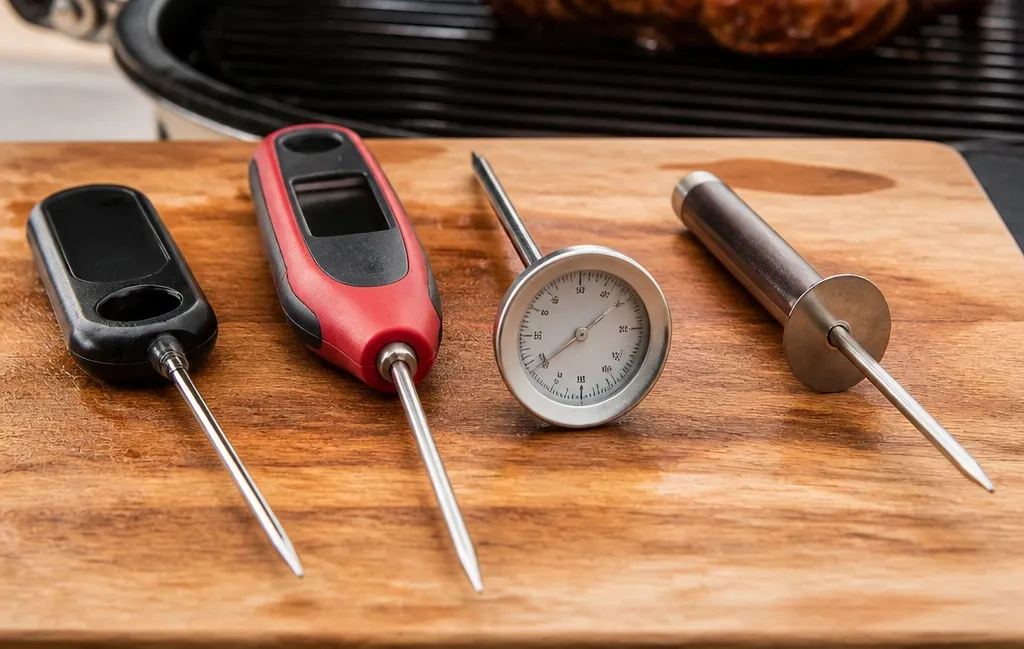
Based on current manufacturing standards and long-term user feedback, these categories represent the toughest options on the market today.
Commercial-Grade Instant-Read Digitals
These are built for restaurant kitchens where tools are used dozens of times a day and tossed into apron pockets. They feature folding probes with strong detents (no wobble), anti-microbial housings, and IP-rated waterproofing. If you are comparing wireless systems for outdoor cooks, evaluating build quality across competing brands reveals that commercial-tier units consistently use superior internal wiring.
Ready to upgrade your toolkit? Focus your search on splash-proof models with reinforced probe hinges to avoid the most common breakage point.
Heavy-Duty Leave-In Oven Probes
Designed to stay inside a 500°F oven for hours, these feature thick stainless steel probes and braided cables. The base stations usually sit outside the heat zone, protecting the fragile LCD screens. When selecting a primary tool for grilling, prioritize units with silicone-wrapped transmitters that can survive a tumble off a prep table.
All-Metal Analog Dials
Built entirely from stainless steel with glass lenses, these are the workhorses of deep-frying and traditional roasting. There are no batteries to leak and no circuits to fry. They can be fully submerged in soapy water without hesitation.
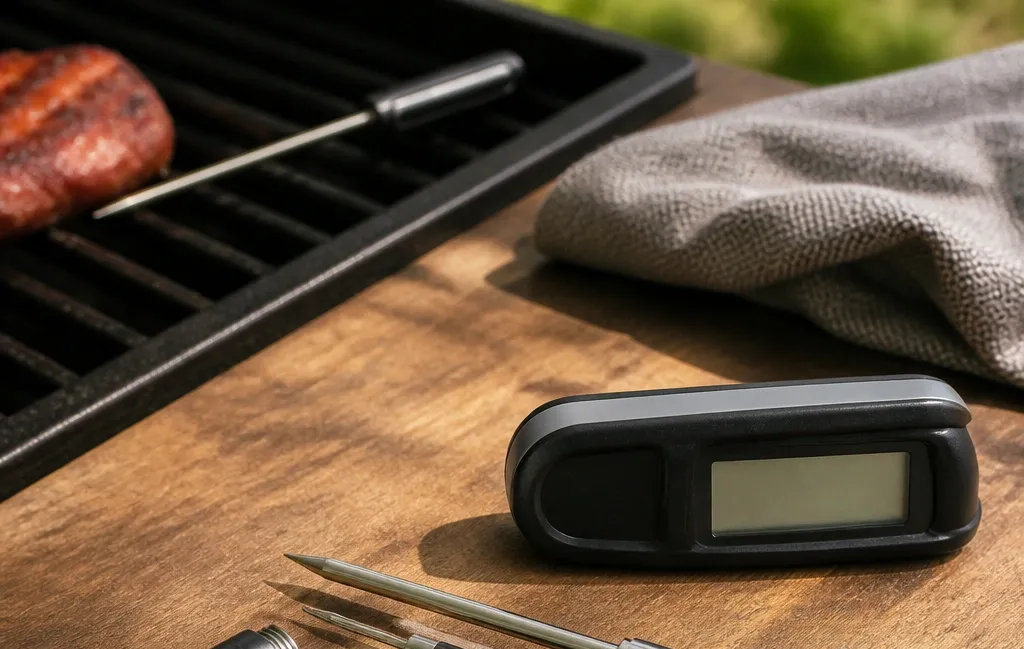
Thick rubberized grips and sealed buttons prevent moisture from destroying the internal electronics. Image source: Pexels / Fortal Fototeca (Pexels License)
Red Flags: Thermometers Built to Fail
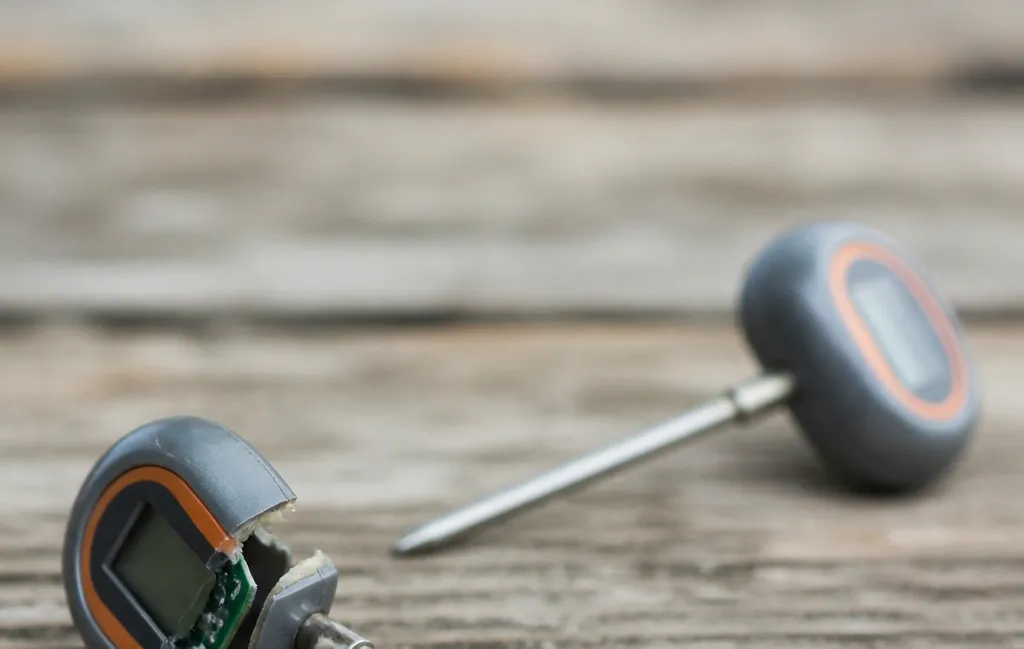
Knowing what to avoid is just as important as knowing what to buy. Steer clear of these warning signs if longevity is your goal:
- Wobbly folding probes: If the hinge feels loose out of the box, the internal ribbon cable will snap after a few dozen folds.
- Unsealed battery compartments: If the battery door lacks a rubber O-ring or gasket, steam will eventually reach the contacts and cause corrosion.
- Paper-thin plastic bodies: Squeeze the handle gently. If it flexes easily or creaks, a single drop onto a patio floor will crack it open.
- No replacement parts: If the manufacturer does not sell replacement probes or cables, the entire unit becomes landfill waste the moment one wire frays.
- Vague temperature ratings: Reliable brands explicitly state the maximum ambient temperature the probe and handle can withstand.
How to Extend the Lifespan of Any Meat Thermometer
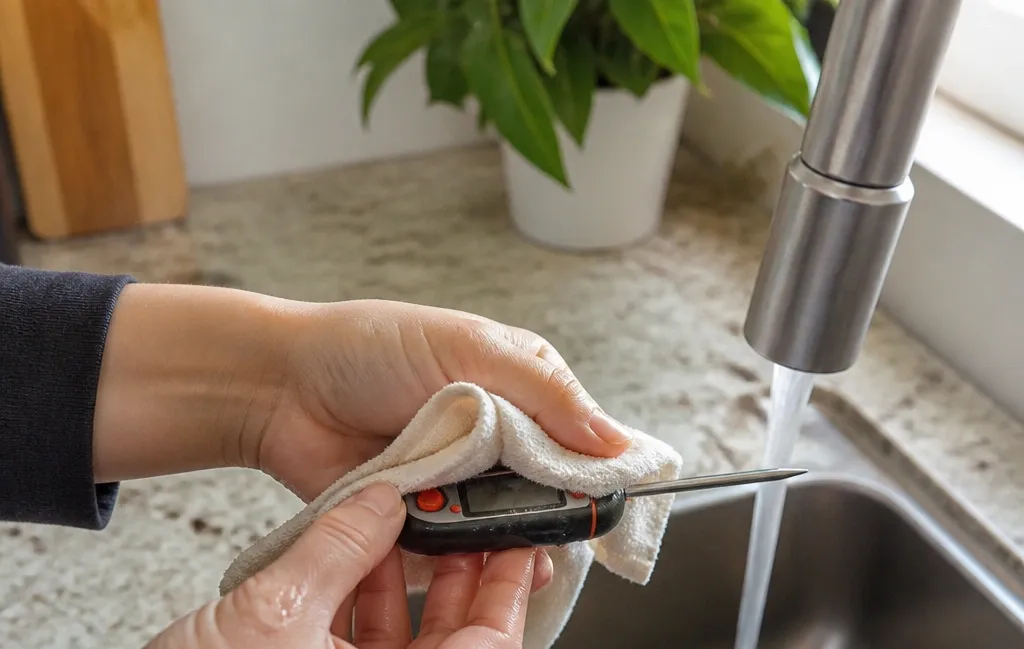
Even the most rugged gear needs basic care. Following these steps will easily double the functional life of your thermometer. For deeper insights into maintaining sensor precision over time, understanding why readings fluctuate helps you catch hardware degradation before it ruins a meal.
- Never leave an instant-read in the oven: Only leave-in probes are rated for continuous ambient heat. Leaving a standard digital thermometer near an active burner will melt the housing and destroy the sensor.
- Wipe, don't dunk: Unless your digital thermometer has a verified IPX7 rating, clean the probe with a hot, soapy cloth. Never run the handle under the faucet.
- Dry before storing: Moisture trapped in a drawer breeds corrosion. Wipe the probe completely dry before folding it away.
- Remove batteries for storage: If you will not use a digital thermometer for several weeks, take the batteries out. Alkaline batteries can leak acid, permanently destroying the circuit board. Keeping track of power health prevents unexpected failures during a long cook.
- Use the protective sheath: That plastic cap included in the box is not just packaging. Slide it over the probe before putting the thermometer in a crowded utensil drawer to prevent the tip from getting crushed.
Does Paying More Guarantee Better Durability?
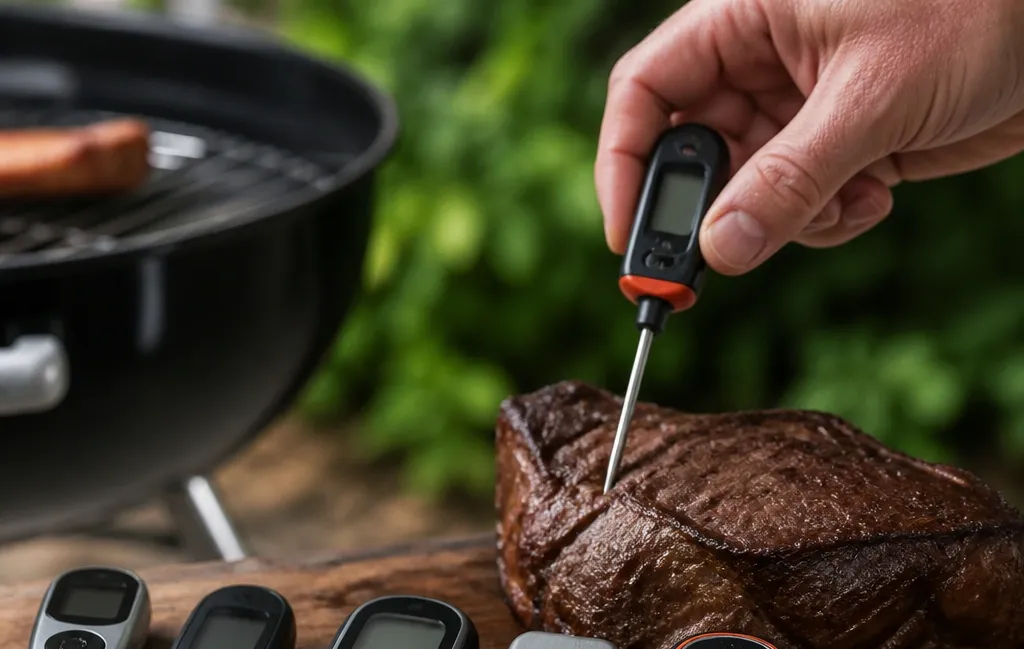
Price is generally a reliable indicator of material quality, but it is not an absolute guarantee. You are paying for tighter manufacturing tolerances, better waterproofing seals, and higher-grade steel. Budget brands often cut costs by using thinner wires inside the probe shaft or skipping rubber gaskets on the battery door.
However, some mid-range brands offer exceptional durability by focusing on robust construction rather than flashy Bluetooth features. To verify if a moderately priced option holds up, researching brand reliability and warranty history provides a clearer picture than the price tag alone. A $50 thermometer backed by a three-year warranty is often a safer long-term bet than a $120 smart thermometer with a 90-day guarantee.
Warranty and Support: The True Test of Longevity

A manufacturer’s warranty tells you exactly how long they expect their product to survive. Cheap thermometers typically carry a 90-day to one-year limited warranty. Brands confident in their engineering offer three, five, or even lifetime warranties against defects.
Pay close attention to what the warranty covers. Many exclude water damage unless the unit is specifically advertised as waterproof. The best companies in the culinary space will replace a failed probe or transmitter without arguing, recognizing that high-heat cooking naturally wears down components over time. Always register your device upon purchase to ensure your coverage is active.
Conclusion
When answering the question of what are the most durable and long-lasting meat thermometers, the answer always comes down to materials and sealing. Thick stainless steel probes, IP-rated waterproof housings, braided cables, and strong warranties separate tools that last a decade from those that die in a season. Whether you prefer the indestructible nature of an all-metal analog dial or the rapid precision of a commercial-grade digital instant-read, prioritizing build quality over gimmicks is the key to long-term reliability.
Your next step: audit your current kitchen setup. If your thermometer has a cracked screen, a stiff hinge, or a reading that jumps around, discard it immediately. Choose a replacement from the heavy-duty categories outlined above to ensure your food is always safe and perfectly cooked.
Frequently Asked Questions
How long should a good meat thermometer last?
A high-quality digital meat thermometer should last between five and ten years with regular home use and proper care. Heavy-duty analog dial thermometers, lacking sensitive electronics, can easily last decades. Frequent exposure to extreme heat, drops, or moisture will shorten any thermometer's lifespan significantly.
Can I put my meat thermometer in the dishwasher?
Almost never. The intense heat, prolonged water exposure, and harsh detergents in a dishwasher will destroy the internal seals, fog the display, and corrode the electronics of most digital thermometers. Always hand-wash the probe with warm, soapy water and wipe the handle with a damp cloth.
Do wireless thermometers break faster than instant-reads?
Wireless leave-in thermometers have more potential failure points, primarily the cables and the transmitter units exposed to ambient grill heat. However, premium wireless models built with braided steel cables and heat-resistant silicone housings are exceptionally durable. Instant-reads are simpler, but their folding hinges remain a common mechanical weak point.
How do I know if my thermometer is losing accuracy?
Test it regularly using the ice water method. Submerge the probe tip in a glass of heavily iced water; it should read 32°F (0°C) within a few seconds. If the reading drifts significantly or takes unusually long to stabilize, the internal sensor is likely degrading and the unit needs replacement or recalibration.
Is a thicker probe always better for durability?
Yes, a thicker stainless steel probe resists bending when hitting bones or being twisted in dense meats. However, extremely thick probes take longer to penetrate meat and respond slightly slower to temperature changes. Look for a balanced design: a sturdy upper shaft tapering to a sharp, reinforced tip.
Are analog thermometers safer for high-heat ovens?
Analog thermometers are inherently safer for continuous high-heat environments like wood-fired ovens or smokers because they contain no batteries, plastic screens, or microchips to melt or short out. Their bimetallic coils are designed to expand under extreme temperatures, making them the most resilient option for prolonged roasting sessions.