Cooking salmon in an air fryer is one of the fastest and most reliable ways to get a restaurant-quality meal on the table in under 15 minutes. Because air fryers circulate hot air with such efficiency, they produce a fillet that is flaky on the inside with a crisp, slightly caramelized exterior that pan-searing often struggles to replicate without a lot of oil.
To get the perfect result, you generally need to cook salmon for 7 to 12 minutes at 380°F to 400°F, depending on the thickness of your fillet and how well-done you prefer your fish. This method works for both skin-on and skin-off fillets and requires almost no pre-heating compared to a traditional convection oven.
Understanding air fryer cooking times for salmon
The primary reason for the variation in cooking time is the density and thickness of the salmon. A thin, tail-end fillet will cook much faster than a thick center-cut piece. Additionally, the specific model of your air fryer plays a role.
Smaller baskets often have heating elements closer to the food, which can cause the top of the fish to brown faster than the center finishes cooking.
If you are cooking a standard 6-ounce fillet that is about one inch thick, 8 minutes is usually the sweet spot. If the fillet is closer to 1.5 inches thick, you should aim for 10 to 12 minutes. Always check the internal temperature if you want to be precise.
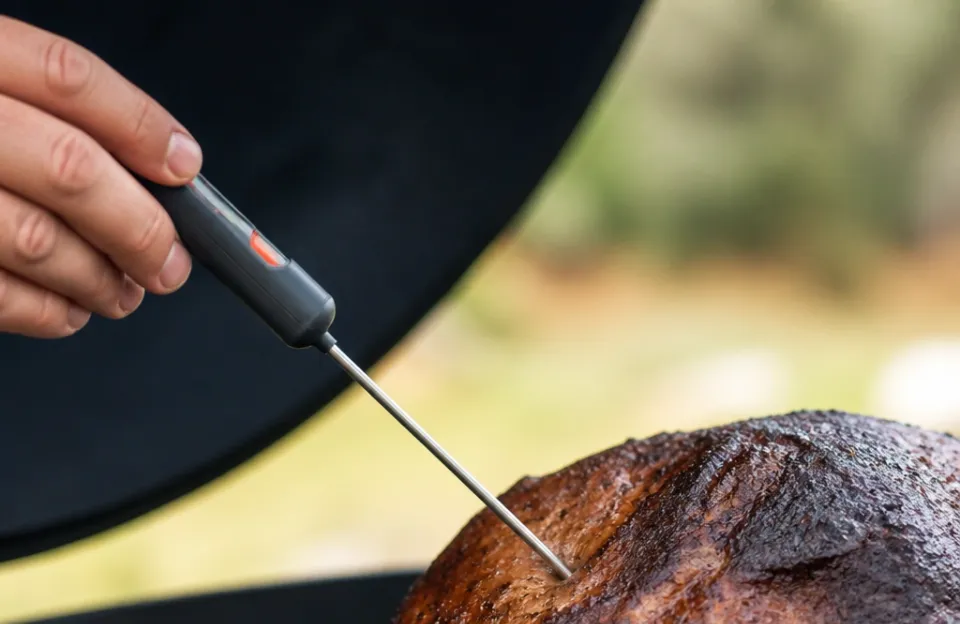
According to guidelines from the USDA, fish should reach an internal temperature of 145°F to be considered safely cooked, though many people prefer to pull the salmon out when it reaches 135°F, as it will continue to cook for a minute or two while resting.
Preparing your salmon for the air fryer
Preparation is just as important as the actual cooking time. Because the air fryer is essentially a small, high-powered convection oven, it can dry out delicate proteins if they aren't protected or monitored.
Before placing the salmon in the basket, pat the fillets completely dry with a paper towel. Moisture on the surface creates steam, which prevents the edges from getting that desirable crispness. Once dry, brush a light layer of olive oil or avocado oil over the flesh.
This not only helps your seasoning stick but also provides a barrier that keeps the fish juicy during the high-heat process.
Seasoning can be as simple as kosher salt and cracked black pepper, but salmon takes well to aromatics like garlic powder, smoked paprika, or dried herbs. If you are using a rub with sugar or honey, be careful. Those ingredients can burn quickly in an air fryer, so it is often better to glaze the fish in the final 2 minutes of cooking rather than at the start.
The importance of the temperature setting
While it is tempting to crank your air fryer to 400°F for everything, salmon often performs better at a slightly more moderate temperature. If you find your fish is charring on the outside while remaining raw in the middle, drop your temperature to 375°F and extend the time by an extra minute or two.
Higher temperatures (400°F) are excellent for thin fillets because they finish before the moisture has a chance to escape. Lower temperatures (375°F) are better for thick, premium cuts that need a bit more time for the heat to penetrate the center without drying out the outer layers.
| Fillet Thickness | Temperature | Estimated Time | Result |
|---|---|---|---|
| Thin (under 0.75") | 400°F | 6–8 minutes | Very crisp, fully cooked |
| Medium (1") | 385°F | 8–10 minutes | Balanced, tender center |
| Thick (1.5"+) | 375°F | 10–12 minutes | Even cooking, moist |
Managing skin-on vs skin-off fillets
Cooking skin-on salmon in an air fryer is a great way to ensure the fish stays together. Place the salmon skin-side down on the basket tray. The hot air hits the top of the fillet, while the basket grate allows some heat to reach the skin from below.
This often results in a crispy skin that many people enjoy, similar to a pan-seared version.
If you prefer to remove the skin, you need to be more careful about sticking. Air fryer baskets are usually non-stick, but they can wear down over time. Using a small piece of parchment paper designed for air fryers, or simply brushing the basket rack with a little extra oil, prevents the bottom of the fish from tearing when you try to lift it out.
If you do use parchment paper, make sure to weigh it down with the fish, otherwise, the air circulation can lift the paper and cause it to touch the heating element.
How to check for doneness without a thermometer
While a digital thermometer is the most reliable tool, you can often tell if the salmon is done by looking at the texture and color. Use a fork to gently press down on the thickest part of the fillet.
If the salmon is ready, the flesh will flake easily and pull apart along the white lines of fat, also known as the intramuscular fat, without much resistance. If the flesh feels firm, rubbery, or bounces back when pushed, it needs more time. If the white albumin (the opaque, jelly-like substance) starts seeping out of the sides, it is a sign that the fish is cooking quite fast and might be nearing the point of being overdone.
Common mistakes when air frying salmon
One of the most frequent errors is overcrowding the basket. Air fryers rely on moving air to cook food. If you pack the basket with four or five fillets, the air cannot circulate effectively, and the salmon will steam rather than roast.
Always leave at least an inch of space between the fillets. If you are feeding a crowd, it is better to cook in batches.
Another common mistake is skipping the rest period. When you pull the salmon from the air fryer, the internal temperature is still rising. Letting it sit on a plate for 2 to 3 minutes allows the juices to redistribute throughout the fillet.
If you cut into it immediately, the moisture will leak out onto the plate, leaving you with a dry, chalky piece of fish.
Troubleshooting temperature issues
If you are struggling with inconsistent results, look at how your air fryer is positioned in your kitchen. These machines require space to vent hot air from the back or sides. If your unit is pushed against a wall, the airflow is restricted, which can cause the internal temperature of the unit to fluctuate.
Also, consider the coldness of your salmon. If you take the fish straight from the refrigerator and put it into the air fryer, the center will take longer to come up to temperature. Taking the fish out of the fridge 10 to 15 minutes before cooking can lead to more even results, as the fillet is closer to room temperature when it hits the heat.
Frequently asked questions
Should I preheat my air fryer for salmon?
Most air fryers reach their target temperature within 2 or 3 minutes, so it is generally worth it to preheat. Preheating ensures that the moment the salmon hits the basket, the searing process begins, which helps keep the juices inside. If you skip preheating, the fish might spend a few minutes just warming up rather than cooking, which can sometimes lead to a slightly mushier texture.
Can I cook frozen salmon in an air fryer?
Yes, you can cook frozen salmon directly from the freezer, but you will need to adjust your settings. Since the fish is frozen, you want to cook it at a slightly lower temperature, around 350°F, for about 12 to 15 minutes. It helps to start the fish for 5 minutes, then brush it with your oil and seasonings once the surface has thawed enough to hold them.
Why is my salmon drying out?
Salmon dries out primarily when it is cooked for too long or at too high a temperature. If you find your fish is consistently dry, try lowering your temperature by 25 degrees and cutting a minute off your cooking time. Also, remember to pat the fish dry before seasoning; while this seems counterintuitive, removing surface moisture allows for a faster cook time, meaning the interior doesn't have to stay under heat for as long.
Do I need to flip the salmon while it is cooking?
For most air fryer models, flipping is not necessary because the hot air circulates around the entire piece of fish. In fact, flipping can cause the salmon to break apart because the meat is delicate when cooked. If you are worried about uneven browning, you can check the fish halfway through, but you likely won't need to turn it over unless your specific air fryer is an older model with a bottom-only heating element.
What is the healthiest way to cook salmon in an air fryer?
The healthiest method is to use a light coating of an oil with a high smoke point, such as avocado oil, to prevent sticking and add a small amount of healthy fats. Focus on fresh herbs like dill or parsley and citrus juices like lemon or lime to add flavor without adding calories or sodium. Avoid thick, store-bought glazes that are often packed with hidden sugars.
The bottom line
Mastering the air fryer for salmon is all about respecting the thickness of the cut and using the right temperature for that specific size. Whether you prefer a quick 7-minute blast for a thin fillet or a more gradual 12-minute roast for a thicker portion, the consistency of the air fryer is hard to beat.
Start with the basics of oiling and seasoning, and don't be afraid to pull the fish early. You can always put it back in for another minute, but you cannot fix a fillet that has been overcooked. Over time, you will learn the exact timing for your specific appliance, making this one of the most reliable tools in your kitchen.
For those interested in deeper nutritional guidelines for seafood, the National Oceanic and Atmospheric Administration provides extensive resources on the sustainability and health benefits of incorporating various types of fish into a regular diet.


5 thoughts on “How Long to Cook Salmon in an Air Fryer (Perfect Every Time)”