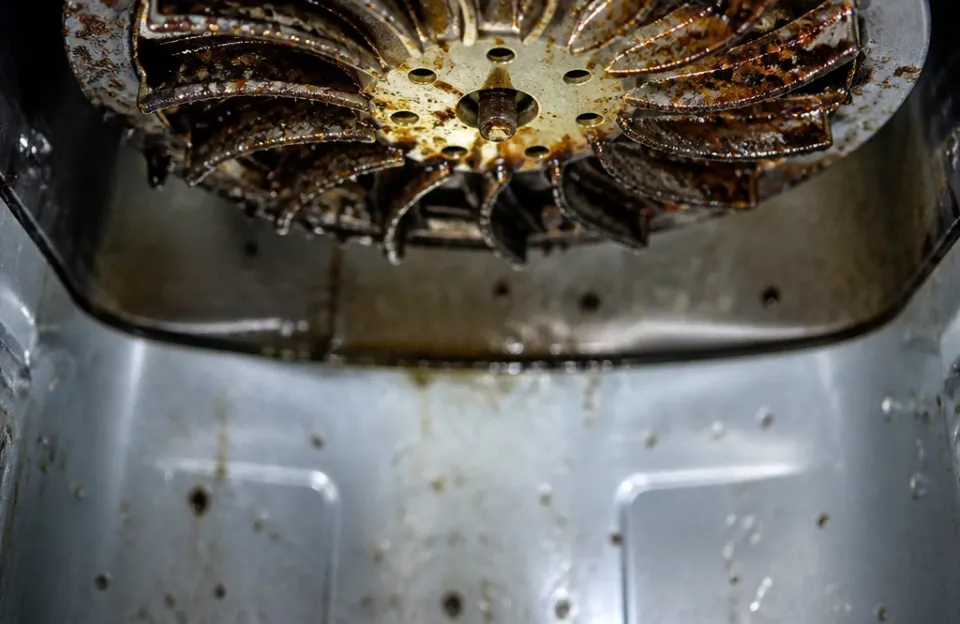
Removing burnt food from an air fryer takes about 30 minutes for a light mess and up to a few hours for heavy carbon buildup. The basic process involves unplugging the appliance, soaking the basket in hot soapy water, applying a baking soda paste to stubborn spots, and wiping down the interior heating chamber with a damp cloth. You don't need harsh chemicals or abrasive tools to get the job done.
Knowing how to remove burnt food from an air fryer keeps your appliance working properly and stops old grease from smoking during your next meal. This guide walks through the exact steps for cleaning the removable basket, tackling the heating element area, and dealing with baked-on grease that refuses to budge.
Supplies needed before you start scrubbing
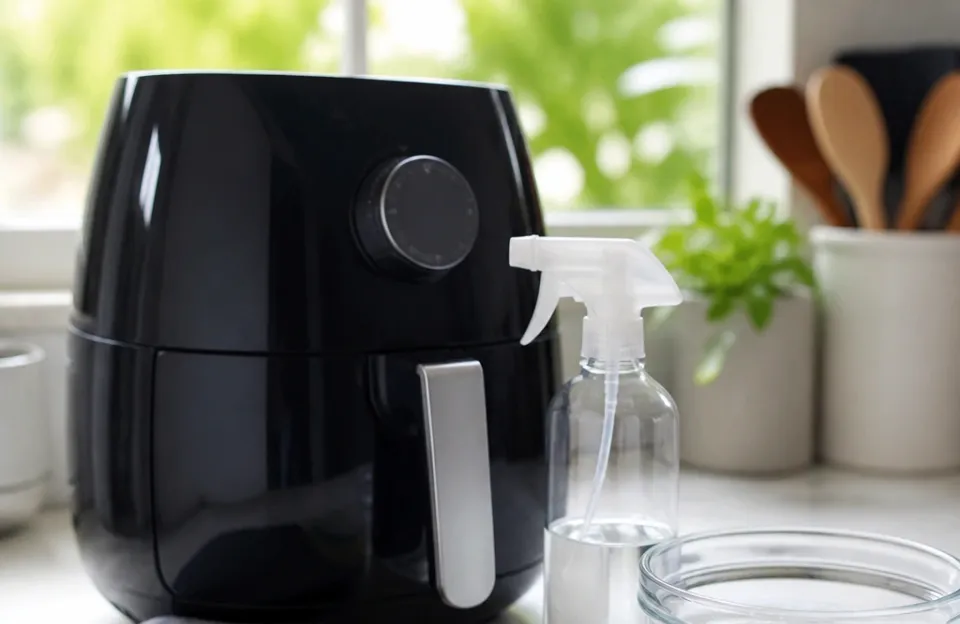
Gather everything before you pull the basket out. Running back and forth to the pantry while your hands are covered in soap slows things down.
- Dish soap (a standard liquid brand works fine)
- Baking soda
- White vinegar
- Soft sponge or non-abrasive scrub brush
- Microfiber cloths or paper towels
- A wooden spoon handle or plastic spatula
- A small bowl for mixing paste
- Hot water
Skip steel wool, metal scouring pads, and stiff wire brushes. Most air fryer baskets have a nonstick coating. Scratching that coating ruins the pan and creates places where food sticks even worse next time.
If you frequently cook items that splatter, like crispy chicken prepared for meal prep, having these gentle supplies on hand saves you from damaging the finish over time.
Clearing the basket after a cooking mishap
The removable basket catches the most damage when drippings burn onto the bottom grate. Start here.
- Unplug the machine and let it cool completely. Don't rush this. Pouring cold water into a 400-degree basket can warp the metal and crack the nonstick coating. Wait at least 30 minutes after cooking.
- Remove the basket and crisper plate. Take out any loose charred chunks by hand. Toss them in the trash, not the sink, to avoid clogging your drain.
- Fill your sink or a large basin with very hot water and dish soap. Submerge the basket and the crisper plate. Let them soak for 15 to 20 minutes. The hot water softens the carbon bonds holding the burnt food to the metal.
- Scrub gently with a soft sponge. After soaking, most of the black residue will wipe away with light pressure. Use circular motions rather than digging in hard.
- Rinse thoroughly with warm water. Check for any remaining dark spots. If the basket looks clean, dry it completely with a microfiber cloth before putting it back. Leaving moisture inside promotes rust on any exposed metal edges.
If you just finished reheating leftover pizza slices and cheese melted through the grate, the soaking step is especially important. Dried cheese acts like glue once it cools.
Removing stuck-on carbon with a baking soda paste
Sometimes soaking in soapy water doesn't work. When food burns directly onto the metal for too long, it forms a hard, black crust. Baking soda breaks this down without scratching the surface.
Mix three parts baking soda with one part water in a small bowl until it forms a thick paste. It should have the consistency of toothpaste. Spread this paste directly over the burnt areas inside the basket.
Make sure the layer is thick enough that you can't see the black char underneath.
Let the paste sit for at least 30 minutes. For severe burns, leave it on for two hours. The mild alkalinity of the baking soda slowly eats away at the carbonized food.
After waiting, take a damp sponge and scrub the paste in small circles. The grit from the baking soda provides just enough friction to lift the burnt bits without gouging the nonstick coating. Rinse the basket well.
You might need to repeat this process twice if the first round didn't get everything.
This method works particularly well when starchy foods burn. If you've ever cooked potato wedges until they charred, you know starch turns into a cement-like substance when overheated. Baking soda handles that better than plain soap.
Wiping down the interior heating chamber safely
The main body of the air fryer, where the heating element and fan live, cannot be submerged in water. But grease splatters and smoke travel upward, leaving a sticky film on the ceiling and walls of the chamber. Ignoring this area causes the machine to smoke every time you turn it on.
- Confirm the appliance is unplugged and fully cooled. Never reach inside a plugged-in unit.
- Turn the air fryer upside down. This gives you a clear view of the heating coil and makes it easier to wipe without dripping water into the motor housing.
- Dampen a microfiber cloth with warm water and a tiny drop of dish soap. Wring it out until it is barely moist. Excess water is the enemy here.
- Wipe the interior walls gently. Avoid pressing hard directly against the heating coils. They are fragile and can bend or break.
- Use a second cloth dampened only with plain water to rinse away soap residue. Any leftover soap will burn and smell terrible during your next use.
- Dry the interior completely with a fresh towel. Leave the drawer open for an hour to let any hidden moisture evaporate.
For tough grease rings around the top rim, dip a soft-bristled toothbrush in your soapy water and lightly scrub the crevices. Keep the bristles moving so you don't wear down any protective finishes. Maintaining this area regularly prevents the kind of heavy buildup you see in older models, whether you own a popular Ninja countertop unit or another brand.
Loosening heavy grease using white vinegar steam
When burnt oil coats the entire interior and the baking soda paste feels like too much work, steam does the heavy lifting for you. White vinegar cuts through grease effectively, and turning it into steam reaches corners your sponge can't.
Pour half a cup of water and half a cup of white vinegar into the air fryer basket. Place the basket back into the machine. Turn the air fryer on to 350°F and let it run for five to ten minutes.
The mixture will boil and fill the chamber with acidic steam.
Turn the machine off and unplug it. Do not open the basket immediately. Let it sit closed for another 15 minutes so the steam continues to condense on the walls and soften the baked-on grease.
Open the drawer carefully. The steam will be hot. Remove the basket, pour out the liquid, and wipe the interior walls with a damp cloth.
You'll notice the greasy film comes off with almost no scrubbing required. Finish by wiping everything with a dry cloth.
This trick works well after cooking high-fat proteins. If you recently fried bacon until it was extra crisp, the rendered fat likely coated the upper heating element. Vinegar steam clears that film quickly.
Comparing common cleaning methods for burnt residue
Different types of burnt messes respond better to specific treatments. Here is a breakdown of when to use each approach.
| Cleaning Method | Best Used For | Time Required | Risk to Nonstick Coating |
|---|---|---|---|
| Hot Soapy Soak | Light charring, dried sauces | 20 to 30 minutes | Very low |
| Baking Soda Paste | Hard carbon crusts, burnt starch | 1 to 3 hours | Low |
| Vinegar Steam | Grease films, widespread splatter | 25 to 30 minutes | Very low |
| Plastic Scraper | Thick chunks of burnt meat or batter | 5 to 10 minutes | Low (if used flat) |
| Metal Scouring Pad | Nothing in an air fryer | N/A | Destroys coating |
Always start with the gentlest option. Jumping straight to aggressive scraping damages the pan. If you are unsure how much heat your specific model can handle during cleaning, check the manufacturer's manual or review their general safety guidelines for kitchen appliances regarding food contact surfaces.
Dealing with stubborn spots near the heating coil
Food sometimes flies up and gets lodged directly against the heating element. This happens often with lightweight items like breading crumbs or leafy greens. Once it burns there, it's incredibly difficult to reach.
Take a wooden skewer or the rounded handle of a wooden spoon. Gently pry the burnt piece away from the coil. Work slowly.
If the piece resists, don't force it. Apply a tiny amount of your baking soda paste to the spot using a cotton swab. Let it sit for 20 minutes, then try prying it again.
The paste will have softened the bond between the char and the metal.
Never use a knife or metal screwdriver to chip away at the heating element. Puncturing the coil ruins the appliance and creates an electrical hazard. If a piece is truly fused to the element and won't come off with gentle pressure and paste, leave it alone.
Running the air fryer empty at a high temperature for a few minutes outdoors will eventually turn the small piece to ash, which you can brush away later.
This level of care matters regardless of what you cook. Whether you are preparing flour-coated wings for dinner or roasting vegetables, stray particles will occasionally hit the top element.
Mistakes that ruin the nonstick coating permanently
People often panic when they see black char and grab the wrong tool. Avoiding these errors saves you from buying a replacement basket.
- Using oven cleaner or bleach. These chemicals are far too caustic for the thin nonstick layers used in air fryers. They eat through the coating and leave toxic residues that heat releases into your food.
- Putting the basket in the dishwasher. Even if the manual says it is dishwasher safe, the combination of harsh detergent pods and prolonged high heat degrades the nonstick surface much faster than hand washing.
- Scraping while the pan is dry. Always add moisture before trying to dislodge burnt food. Dry scraping drags the sharp edge of the debris across the coating, creating deep scratches.
- Thermal shocking the basket. Moving a hot basket directly under cold running water causes the metal to contract rapidly. This warps the shape and makes the nonstick layer peel off in sheets.
- Ignoring the drip tray. Many people scrub the basket but forget the flat tray underneath it. Burnt grease pools there and smokes continuously, making you think the basket itself is still dirty.
Taking a few extra minutes to do the job right protects your investment. Proper maintenance means your meals, like perfectly timed salmon fillets, won't taste like yesterday's burnt garlic.
Preventing future burnt messes during daily cooking
Cleaning is easier when you stop the burning from happening in the first place. A few habits change how much scrubbing you have to do at the end of the week.
Line the bottom of the basket with perforated parchment paper liners. These catch drips from sugary marinades or melting cheese while still allowing hot air to circulate through the holes. Never use solid parchment paper without holes, as it blocks airflow and causes uneven cooking.
Shake the basket halfway through the cook time. Food that sits in one spot against the hot metal for too long will fuse to it. Tossing the contents redistributes the heat and prevents localized burning.
Watch your sugar content. Marinades heavy in honey, maple syrup, or brown sugar burn at lower temperatures than savory rubs. If you use sweet glazes, lower the cooking temperature by 25 degrees and check the food a few minutes earlier than the recipe suggests.
Avoid overcrowding the basket. Stacking food too high forces the bottom layer to steam in its own juices while the top layer touches the intense heat near the element. Both extremes lead to sticking and burning.
Cook in batches if you have a lot of food.
Lightly mist the basket with cooking spray before adding food, provided your manufacturer allows it. Some brands warn against aerosol sprays because the propellants can pit the nonstick surface over time. Using a pump-style oil mister with pure olive or avocado oil avoids this problem entirely.
Frequently asked questions
Can I use a magic eraser on my air fryer basket?
Melamine sponges act like extremely fine sandpaper. While they remove stains effectively, they also strip away the nonstick coating on your air fryer basket. Reserve magic erasers for the exterior plastic housing of the machine, and stick to soft sponges for any surface that touches food.
Why does my air fryer smell like burning plastic after I cleaned it?
If you didn't rinse all the soap or baking soda out of the crevices, those residues will burn and smell when the machine heats up again. Unplug the unit, let it cool, and wipe the interior thoroughly with a plain water-dampened cloth. Run the empty air fryer outside for five minutes to burn off any lingering odor.
Is it safe to put aluminum foil in the bottom to catch drips?
You can use small pieces of foil, but never cover the entire bottom of the basket. Air fryers rely on rapid air circulation beneath and around the food. Blocking the holes with foil traps heat, cooks food unevenly, and can cause the foil to blow up into the heating element and spark.
How do I clean the outside of the air fryer if grease splattered on it?
Wipe the exterior with a cloth dampened in warm soapy water. For stainless steel models, wipe in the direction of the grain to avoid streaks. Dry it immediately with a clean towel.
Avoid spraying liquid cleaners directly onto the control panel, as moisture can seep behind the buttons and short out the electronics.
What happens if I accidentally scratch the nonstick coating while removing burnt food?
Small, superficial scratches usually aren't a major health risk, but they create rough spots where food will stick aggressively from now on. Deep scratches that expose bare metal mean the basket should be replaced, as the underlying metals can react with acidic foods. To prevent further damage, switch exclusively to silicone-tipped tongs and soft sponges.
Keeping your machine ready for the next meal
Learning how to remove burnt food from an air fryer mostly comes down to patience. Letting hot water, baking soda, or vinegar steam do the chemical work saves you from destroying the pan with brute force. Treat the nonstick coating gently, keep moisture away from the electrical components, and wipe down the heating chamber regularly.
An air fryer that stays clean cooks faster, runs quieter, and stops filling your kitchen with smoke every time you turn it on.