You've just pulled a beautifully seared steak or a slow-smoked brisket off the heat, but the ultimate success hinges on one critical factor: reaching the perfect internal temperature. For home cooks and aspiring pitmasters, finding a reliable meat thermometer that doesn't break the bank is essential for both food safety and culinary excellence. This is precisely where ThermoPro has carved out its reputation.
Quick Answer: As of 2026, ThermoPro is undeniably a good brand, especially for its target market. It stands out by offering a wide range of accurate, responsive, and reliable kitchen thermometers that deliver excellent performance at a significantly lower price point than many high-end professional alternatives. While it has some trade-offs in terms of ultimate durability compared to industrial-grade tools, its value proposition for the vast majority of home users is exceptional. You can also read our guide on how long should a meat thermometer take to get an accurate reading.
This comprehensive review will dive deep into ThermoPro's strengths, explore its product lines, address common limitations, and provide practical advice to help you decide if it's the right choice for your kitchen in 2026.
What Makes a Thermometer Brand "Good" in 2026?
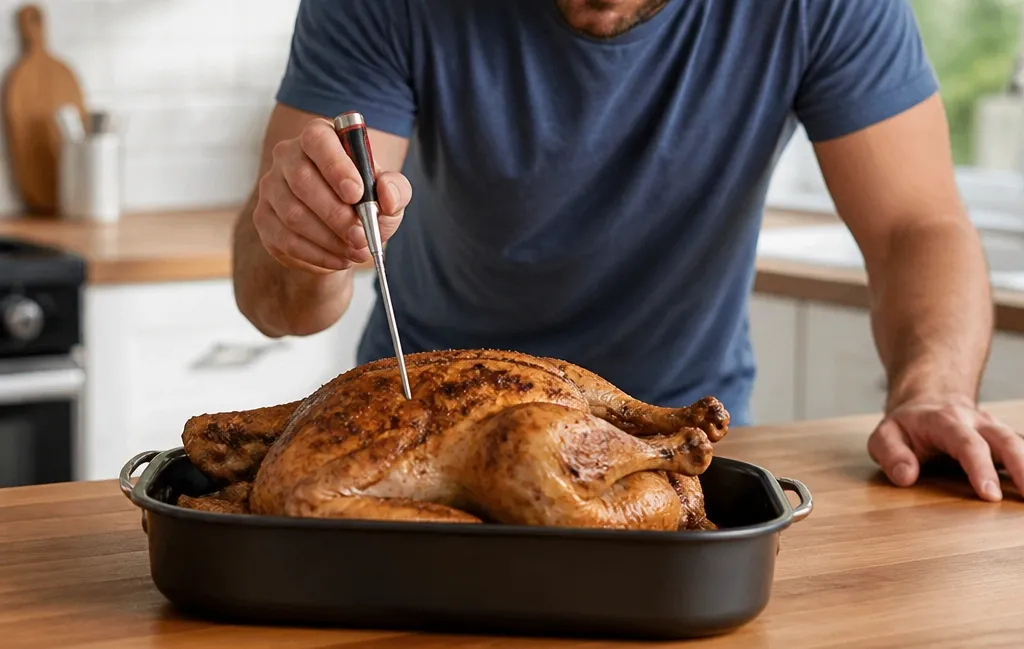
Before evaluating ThermoPro, it's helpful to establish the criteria for what defines a "good" thermometer brand today. In the competitive landscape of 2026, consumers look beyond just basic temperature readings. Key factors include:
- Accuracy: Consistent readings within a tight tolerance (e.g., ±1°F or less).
- Speed: How quickly the thermometer displays a stable temperature. For instant-read models, 2-5 seconds is ideal.
- Durability: Build quality, material robustness, and resistance to common kitchen hazards like heat, splashes, and drops.
- Features: Backlit displays, magnetic backs, auto-off, temperature alarms, connectivity (Bluetooth/RF), and multi-probe capabilities.
- Ease of Use: Intuitive controls, clear displays, and straightforward operation.
- Value: The balance between performance, features, and price.
- Customer Support & Warranty: Accessible support, clear warranty policies, and readily available replacement parts.
ThermoPro excels particularly in accuracy, speed, features, ease of use, and overall value, making it a compelling option for most home chefs. You can also read our guide on thermopro vs thermoworks.
ThermoPro's Pillars of Performance and Value
ThermoPro has earned its strong reputation by consistently delivering on specific aspects that matter most to home cooks.
Precision and Speed for Home Kitchens
At the heart of any good thermometer is its ability to provide quick and precise readings. ThermoPro models consistently meet and often exceed the needs of home cooking:
- Accuracy: Most ThermoPro digital thermometers offer accuracy within ±0.9°F (±0.5°C). This level of precision is well within the acceptable range for ensuring food safety, meeting guidelines set by organizations like the USDA for safe internal cooking temperatures. In practice, this means you can trust your ThermoPro to tell you exactly when your poultry is safe to eat or your roast has reached perfect doneness.
- Response Time: For instant-read thermometers, ThermoPro models typically provide a stable temperature reading within 2 to 4 seconds. This rapid response is crucial when you're checking multiple items on a hot grill or quickly probing delicate proteins to avoid overcooking. When considering how quick the device performs its job, exploring the accuracy test results for specific models can be highly insightful.
- Sensor Technology: ThermoPro primarily uses NTC (Negative Temperature Coefficient) thermistors in its consumer-grade probes. These sensors are renowned for their stability and consistent performance over time, minimizing the need for frequent recalibration.
Unmatched Value Proposition
Perhaps ThermoPro's most significant strength is its exceptional value. The brand effectively bridges the gap between unreliable, inexpensive analog thermometers and highly accurate, but often prohibitively expensive, professional-grade digital units. You can also read our guide on meater vs thermopro which wireless thermometer wins.
You're generally getting close to 90% of the speed and accuracy of top-tier professional thermometers for just 20-40% of the cost. This trade-off is highly appealing for hobbyist grillers, everyday home cooks, and even seasoned pitmasters who prioritize performance without needing industrial-level durability for daily commercial use.
Broad Product Range for Every Cook
ThermoPro offers a diverse portfolio of thermometers, ensuring there's a suitable model for nearly any cooking style or scenario. From simple, pocket-sized instant-reads to sophisticated wireless monitoring systems, the brand covers the full spectrum of home culinary needs. You can explore their full range and technological innovations on the ThermoPro official website. You can also read our guide on meat thermometer probe replacement.
Customer Support and Warranty
Unlike many generic, no-name brands that appear and disappear on online marketplaces, ThermoPro maintains an established presence with dedicated customer support. Most of their products come with a 1-year warranty that can often be extended to 3 years with product registration, providing peace of mind and demonstrating the brand's commitment to its users.
Exploring ThermoPro's Diverse Product Portfolio
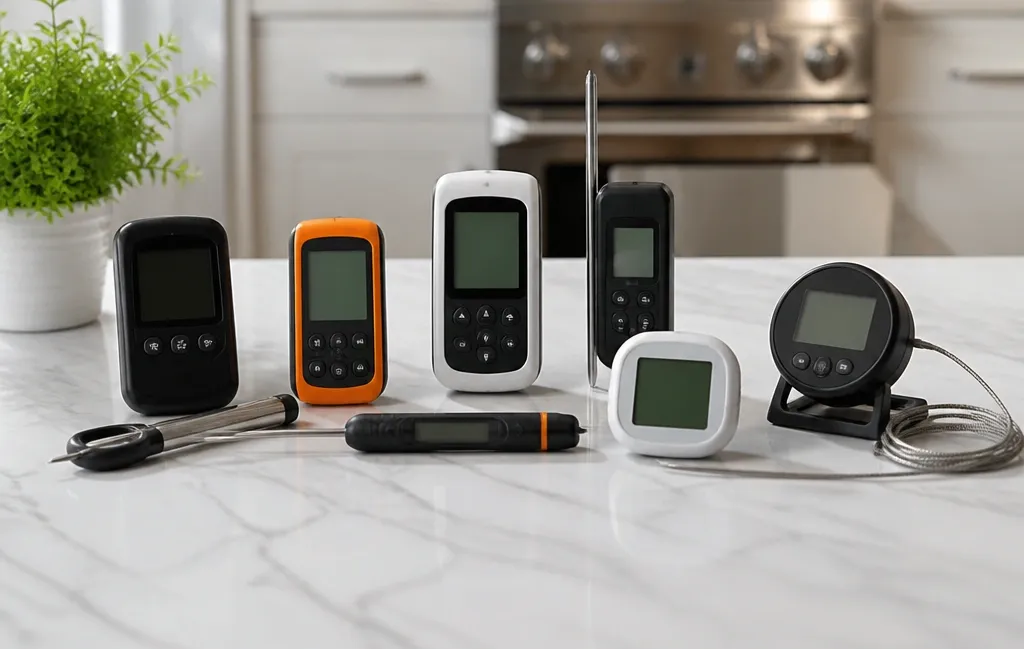
ThermoPro categorizes its offerings to meet specific culinary demands, with each line designed for distinct applications.
Instant-Read Thermometers (e.g., TP03, TP19)
These are arguably ThermoPro's most popular products, designed for quick spot checks of food temperature.
- Purpose: Ideal for testing steaks, burgers, chicken breasts, fish, baked goods, and liquids.
- Typical Features: Folding stainless steel probe, large backlit LCD display, magnetic back for easy storage on appliance surfaces, auto-off function, and occasionally splash-proof design.
- Best Use Cases: Perfect for grilling, pan-frying, and any situation where you need a rapid, accurate reading before removing food from heat. When choosing between specific models, a detailed TP03 vs. TP19 comparison can highlight the nuances that matter most.
- Expert Tip: A common mistake is to leave instant-read thermometers inside a hot oven or grill. The plastic body and internal electronics are not designed for sustained high temperatures and will melt or fail. Insert, read, and remove.
Leave-In & Wireless Systems (e.g., TP20, TP25, TP826)
For longer cooking processes like roasting, smoking, or slow-grilling, ThermoPro's leave-in and wireless probe systems are indispensable.
- Purpose: Continuously monitor internal food temperature and/or ambient oven/grill temperature without opening the cooking vessel.
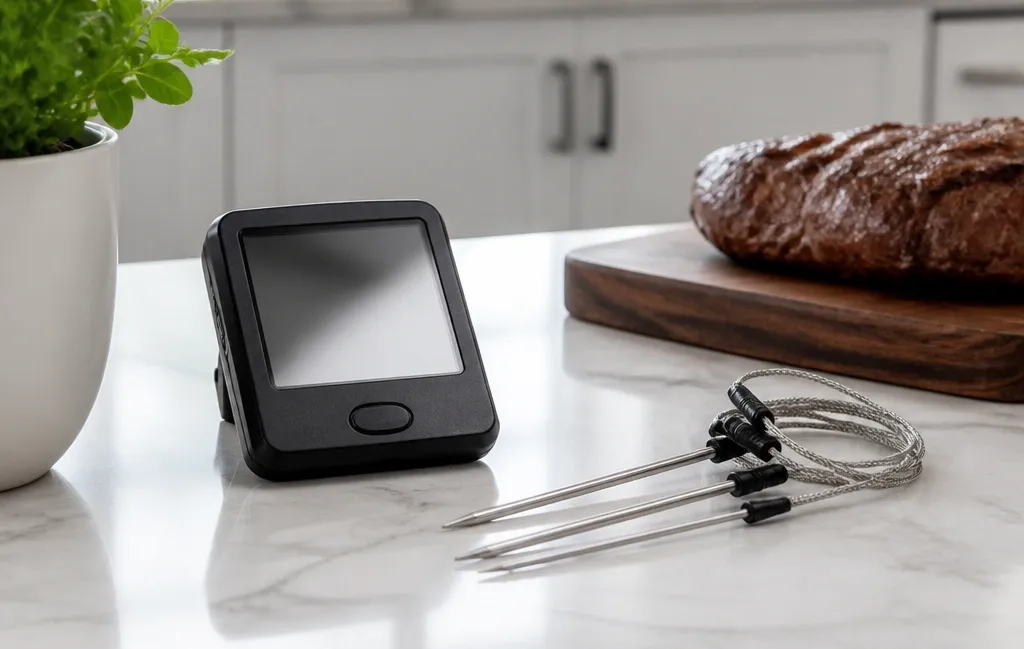
- Typical Features: Multiple probe inputs, stainless steel wired probes, base unit with large display, Bluetooth or RF (Radio Frequency) connectivity to a smartphone app or handheld receiver, customizable temperature alarms, and pre-programmed USDA-recommended temperatures.
- Best Use Cases: Essential for smoking briskets or pork shoulders, roasting whole chickens or turkeys, and deep-frying where maintaining a consistent oil temperature is crucial. For serious backyard chefs, a reliable meat thermometer for grilling is a game-changer.
- Connectivity: RF models generally offer better range and penetration through walls than standard Bluetooth, making them ideal for monitoring cooks from inside your home. Bluetooth models often provide more advanced app features and data logging.
Honest Assessment: Where ThermoPro Could Improve
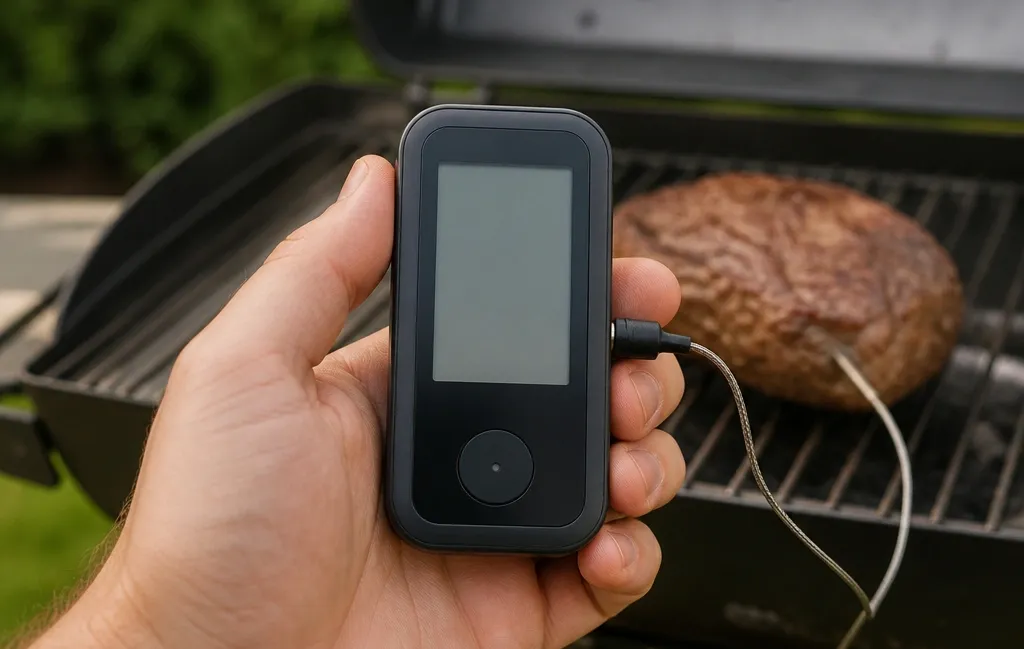
While ThermoPro offers excellent value, it's important to acknowledge its limitations, which are often the trade-offs for its accessible price point.
Build Quality and Long-Term Durability
Compared to professional-grade thermometers that feature high-impact polycarbonate casings, metal frames, and industrial-grade waterproofing, ThermoPro models predominantly use ABS plastic. This is generally robust enough for home use, but they may not withstand the same level of abuse:
- Impact Resistance: A severe drop onto a hard surface is more likely to cause cracking or internal damage compared to a pricier, ruggedized unit.
- Button Longevity: Over many years of heavy use, the rubberized buttons on some models might show signs of wear or become less responsive.
Probe and Wire Vulnerabilities
This is the most frequently cited weak point for ThermoPro's leave-in probe systems.
- Wire Sensitivity: The thin probe wires are susceptible to damage from pinching (e.g., in a heavy grill lid), kinking, or direct exposure to flame. Once the internal wiring is compromised, the probe will provide erratic readings or error codes.
- Moisture Intrusion: While the probe tips are waterproof, the cable-to-probe junction and the connector at the base unit are vulnerable to moisture. Soaking the entire probe or aggressively washing the connection point can lead to failure.
- Practical Advice: Always handle probe wires with care. Run them through designated probe ports on grills or ovens, avoid sharp bends, and clean them by wiping with a damp cloth rather than submerging. Replacement probes are readily available and relatively inexpensive, often needing replacement every 1-2 years with heavy use.
Varying Water Resistance Ratings
It's a common mistake to assume all ThermoPro models are fully waterproof. The water resistance varies significantly across their product line:
- IP Ratings: Some newer or higher-end instant-read models carry an IP65 or IP67 rating, meaning they are highly resistant to splashing water (IP65) or can withstand temporary submersion (IP67).
- Budget Models: Many classic or entry-level models have no official water resistance rating. Dropping these into a sink of water or washing them under a running faucet will likely result in failure.
- Recommendation: Always check the specific IP rating of your ThermoPro model before attempting to clean it with water or using it in very wet conditions.
ThermoPro Against Competitors: A Comparative Look
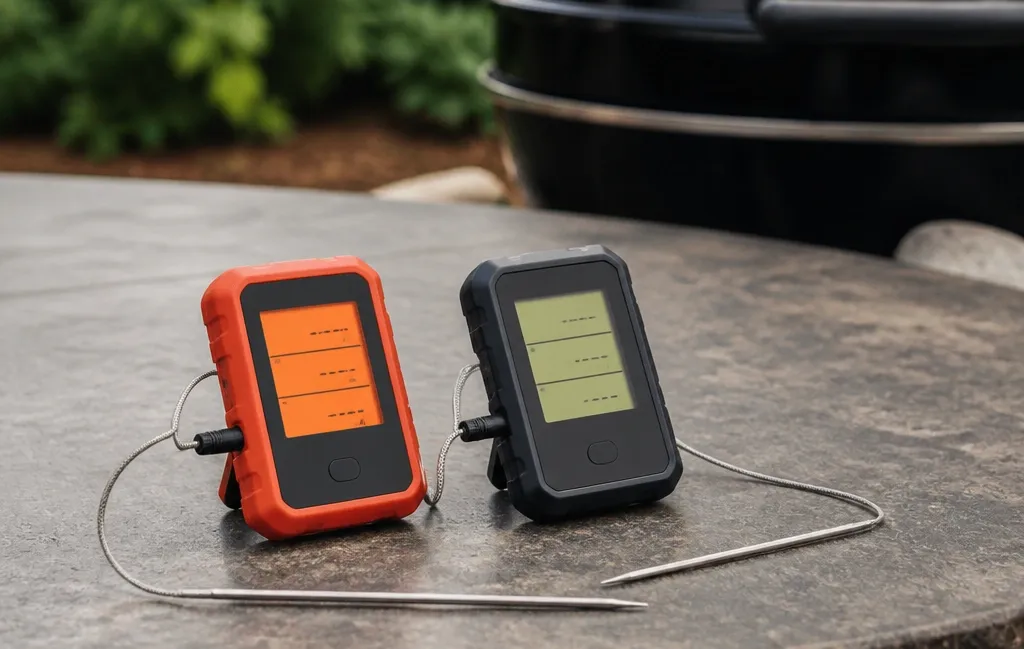
Understanding ThermoPro's position relative to other brands helps clarify its strengths and limitations.
Outperforming Budget Alternatives
Compared to the myriad of "no-name" digital thermometers often found at extremely low prices online, ThermoPro consistently offers a superior experience:
- Reliability: ThermoPro products generally have more consistent accuracy and fewer "dead on arrival" units.
- Support: As a recognized brand, ThermoPro provides better customer service, clearer warranty policies, and readily available replacement parts, especially for probes.
- Features: Even their budget-friendly models often include essential features like backlights, magnetic backs, and robust build quality that generic alternatives lack.
Bridging the Gap to Premium Brands
High-end professional thermometers from specialized brands often cost $80-$200+. While ThermoPro closes much of the performance gap, premium brands still hold an edge in specific areas:
- Speed: Ultra-premium instant-read thermometers can offer sub-1-second readings, slightly faster than ThermoPro's 2-4 seconds.
- Build Materials: Professional units often use aerospace-grade materials, hermetically sealed construction, and extreme temperature resistance designed for commercial kitchens or industrial applications.
- Certifications: Some high-end models come with calibration certifications, crucial for professional food service.
For the vast majority of home cooks, the slight gains in speed or extreme durability offered by premium brands do not justify the significant price difference.
| Feature | ThermoPro | Premium Professional Brands |
|---|---|---|
| Reading Speed | 2–4 Seconds | 1–2 Seconds (some sub-1 second) |
| Accuracy | ±0.9°F (±0.5°C) | ±0.5°F (±0.3°C) or better |
| Build Material | ABS Plastic / Occasional Rubber | High-impact Polycarbonate / Metal Alloys |
| Water Resistance | Varies (often IP65/IP67 on newer models) | Often IP67/IP68, fully submersible and robust |
| Probe Durability | Good, but wired probes vulnerable to pinching | Highly robust, often armored wires, industrial-grade |
| Warranty | 1–3 Years (with registration) | 2–5 Years, often with no-questions-asked policies |
| Typical Cost (2026) | $15 – $75 | $80 – $250+ |
Essential Tips for ThermoPro Owners in 2026
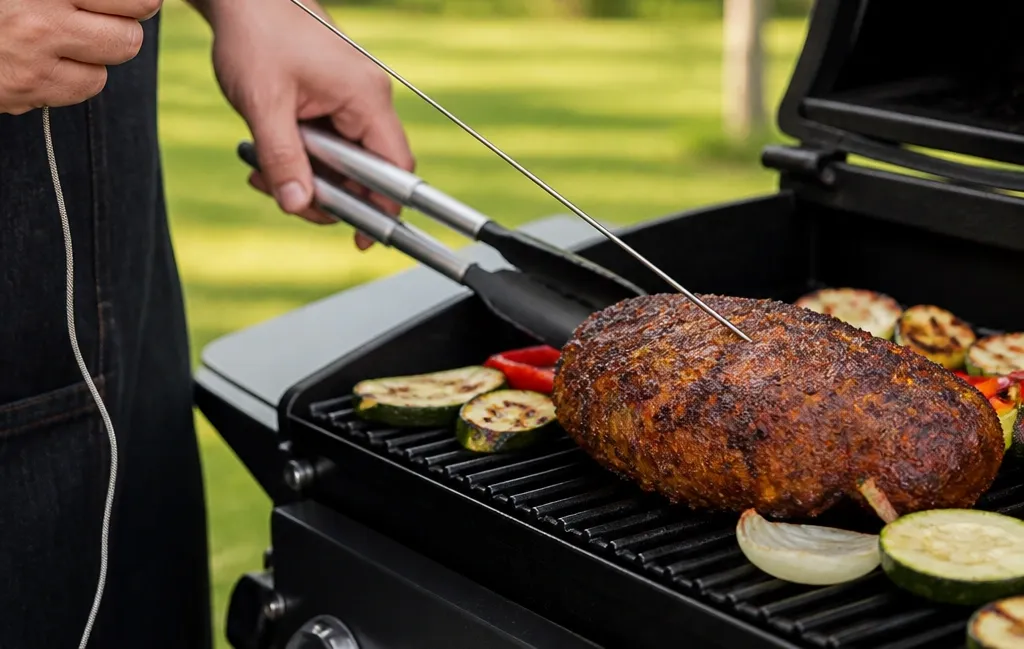
To maximize the performance and lifespan of your ThermoPro thermometer, keep these expert tips in mind.
Calibration Best Practices
Most ThermoPro models come factory-calibrated and maintain their accuracy for a long time. However, if you suspect your readings are off, a simple ice-water bath can verify accuracy. Many models also feature a "CAL" button for user adjustment. Learning how to calibrate the ThermoPro TP03 can extend its useful life and ensure reliable measurements.
Ice-Water Bath Method:
- Fill a glass with crushed ice and add a small amount of cold water (enough to fill gaps, not float the ice).
- Stir for 30 seconds and let it sit for another 30 seconds.
- Insert your thermometer probe into the center of the ice bath, avoiding touching the glass.
- Wait for the reading to stabilize. It should read 32°F (0°C). If it's off by more than ±1°F, calibrate if your model allows.
Understanding Error Codes (HHH/LLL)
If your ThermoPro display shows "HHH" (High High High) or "LLL" (Low Low Low) errors, it typically indicates a probe issue:
- HHH: The temperature detected is above the probe's maximum range, or the probe circuit is open (often due to damage).
- LLL: The temperature detected is below the probe's minimum range, or the probe circuit is shorted (also often due to damage).
- Troubleshooting: First, ensure the probe is fully and securely plugged into the base unit. If the error persists, the probe itself is likely damaged and requires replacement. You can find comprehensive solutions for a ThermoPro TP03 not reading correctly on the KitchenTroop site.
Battery Care and Lifespan
Digital thermometers rely on good battery health for accurate readings.
- Check Battery Level: If your readings seem inconsistent or the display is dim, a low battery could be the culprit. Knowing how to tell if your thermometer battery is low can save you troubleshooting headaches.
- Storage: Remove batteries if storing the thermometer for extended periods (several months) to prevent leakage.
- Replacement: Replace batteries with good quality equivalents as soon as the low battery indicator appears.
Probe Longevity and Maintenance
Proper care of your probes, especially wired models, is crucial for their lifespan:
- Cleaning: Wipe probes with a damp, soapy cloth after use. Avoid soaking the entire probe assembly, especially the wire-to-probe junction and the connector.
- Handling: Never bend or kink the probe wires sharply, as this can break the internal conductors. Avoid pinching wires in oven or grill doors.
- Storage: Store probes neatly, ideally coiled loosely, to prevent wire damage.
Frequently Asked Questions About ThermoPro (2026 Edition)
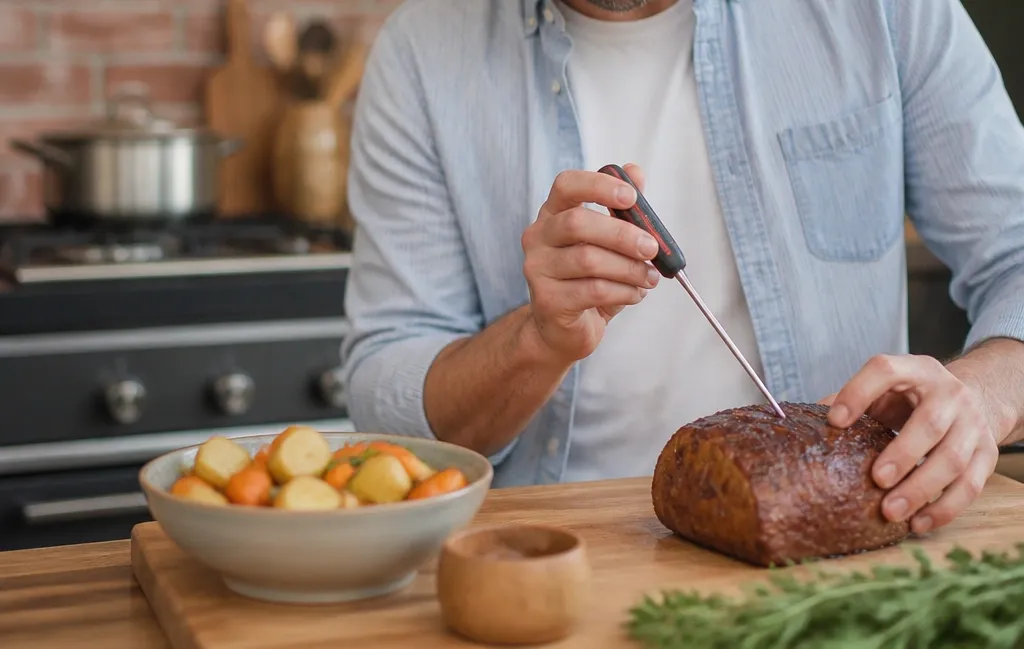
Do I need to calibrate my ThermoPro?
Most ThermoPro models are factory-calibrated and maintain accuracy well. However, if you suspect a drift, you can easily check its accuracy with an ice-water bath (which should read 32°F / 0°C). Many models, like the TP03, have a "CAL" button to make adjustments if needed.
Can I leave the probe in the meat while it's in the oven?
Only "leave-in" models with wired probes or fully wireless "bolt-style" probes are designed to remain in the oven or smoker during cooking. You should never leave a folding "instant-read" thermometer inside a closed oven or grill, as its plastic body and internal components are not heat-resistant and will be permanently damaged.
Is ThermoPro better than a generic brand?
Generally, yes. While some generic brands might offer similar features at comparable price points, ThermoPro has an established brand reputation, a track record of consistent product quality, and a dedicated customer support team. This means better reliability, a more trustworthy warranty, and easier access to replacement parts compared to often fleeting "no-name" products.
Why is my thermometer showing an "HHH" or "LLL" error?
These error codes typically indicate a problem with the temperature probe. "HHH" usually means the temperature is above the probe's maximum range or the probe circuit is open/damaged. "LLL" means the temperature is below the minimum range or the circuit is shorted/damaged. Often, this is due to a damaged probe wire (pinched, exposed to direct flame, or moisture intrusion) or a probe that is not fully inserted into its base unit. Replacing the probe usually resolves the issue.
What's the difference between an infrared and a probe thermometer?
An infrared thermometer measures surface temperature using non-contact technology, ideal for checking grill grates, skillet surfaces, or liquids from a distance. A probe thermometer, like all ThermoPro models, measures internal temperature by being inserted directly into the food. For precise internal doneness and food safety, a probe thermometer is essential. For more depth, compare infrared vs. probe thermometers for meat.
Conclusion: The Final Verdict on ThermoPro in 2026
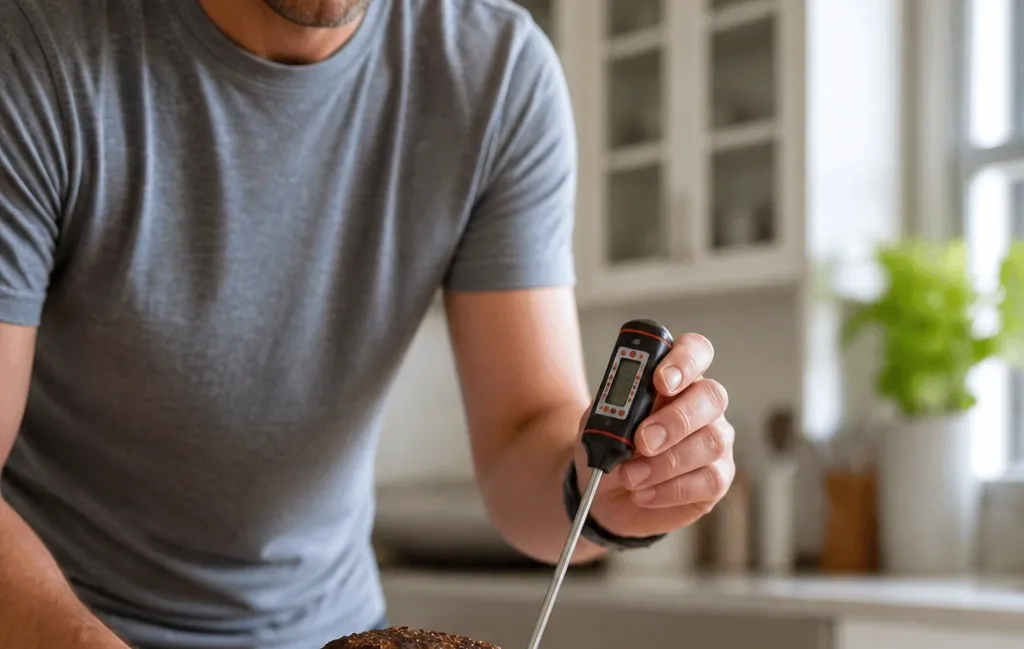
In 2026, ThermoPro firmly holds its position as an outstanding brand for anyone seeking reliable, accurate, and feature-rich cooking thermometers without the premium price tag. It masterfully balances performance with affordability, making professional-level temperature monitoring accessible to every home kitchen.
While not designed for the extreme abuse of a commercial environment, with mindful handling, especially of the probe wires, a ThermoPro thermometer will consistently deliver precise results, elevating your cooking confidence and success. If you're a home cook, a backyard BBQ enthusiast, or an aspiring pitmaster, ThermoPro offers a range of tools that provide exceptional value and will help you perfectly cook your favorite dishes every time.
Ready to take your cooking to the next level? Explore ThermoPro's diverse range to find the perfect thermometer that fits your culinary ambitions.