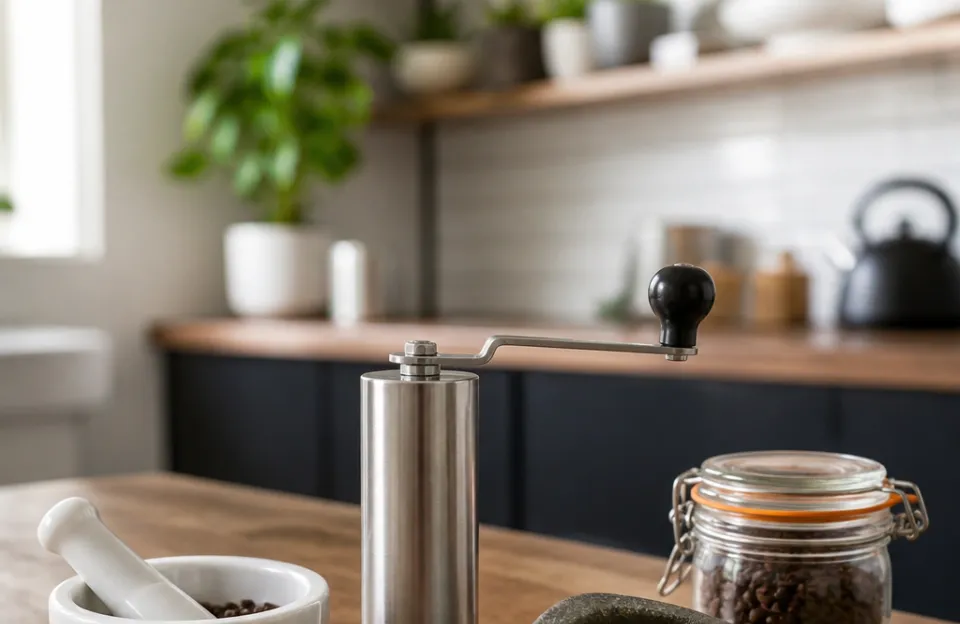
Stale, uneven grounds make even expensive beans taste flat and bitter. A coffee grinder fixes this by letting you control particle size for your specific brew method. Freshly ground beans release oils and aromas that pre-ground coffee loses within minutes of packaging.
Matching Grind Size To Brew Method
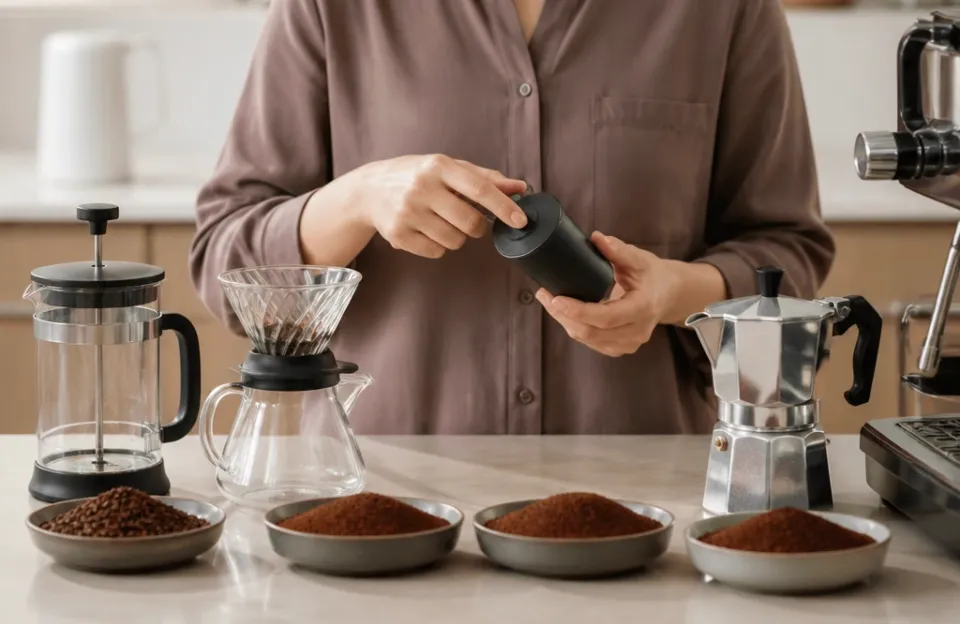
Your brewer dictates the grind setting more than personal preference does. Water flows through fine grounds slowly but rushes past coarse ones. Getting this wrong causes sour or bitter cups regardless of bean quality.
The Specialty Coffee Association notes that extraction uniformity depends heavily on matching particle size to contact time.
Espresso machines need a fine, powdery texture similar to table salt. This creates resistance so pressurized water extracts flavor in 25 to 30 seconds. Too coarse and the shot runs fast and tastes weak.
Too fine and the machine chokes or produces harsh bitterness.
Drip makers and pour-overs work best with medium grounds resembling sea salt. This size allows gravity to pull water through at a steady pace. French presses require a coarse grind like kosher salt to prevent sludge in your cup.
Cold brew needs an extra-coarse setting since steeping lasts 12 hours or more.
Start with the manufacturer’s recommended setting for your brewer. Adjust one click finer or coarser based on taste rather than jumping multiple settings. Small changes have big impacts on flavor balance.
Keep notes on what works for each bean and roast level.
Dialing In Electric Burr Grinders
Burr grinders crush beans between two abrasive surfaces for consistent results. Blade grinders chop randomly and create uneven particles that ruin extraction. If you own a blade grinder, consider upgrading to a burr model for better control.
Set the dial to your target brew method before adding beans. Most electric models mark espresso, drip, and french press positions clearly. Load only what you need for immediate brewing to avoid stale leftovers in the hopper.
Whole beans stay fresh longer than ground coffee.
Pulse the grinder in short bursts if it lacks a timer. Continuous running heats the motor and warms the beans, which alters flavor. Stop when the grounds look uniform and match your target texture.
Shake the unit gently between pulses to redistribute beans for even grinding.
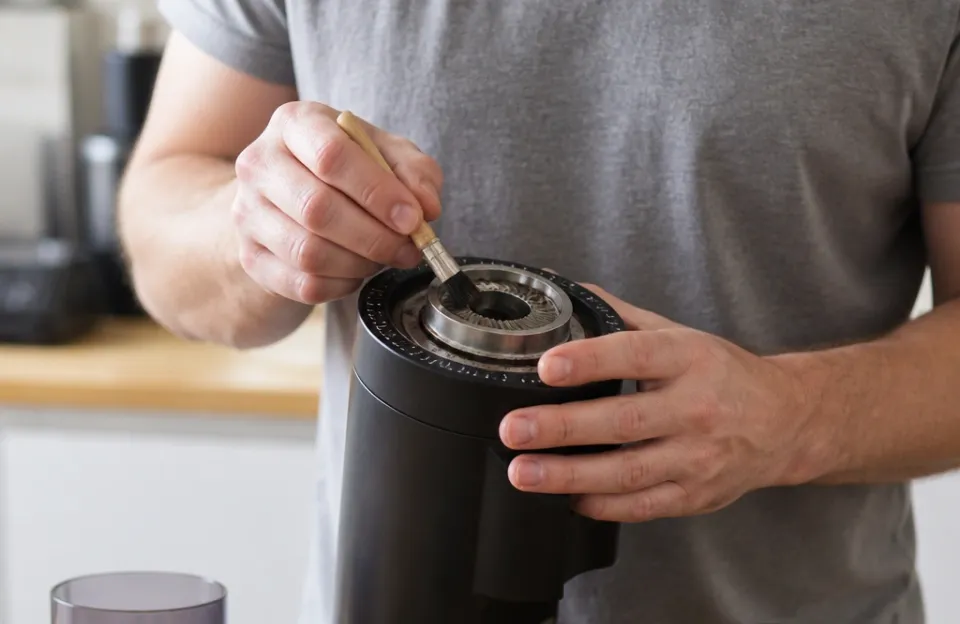
Clean the burrs monthly to remove oily residue that turns rancid. Unplug the machine first and use a soft brush or vacuum attachment. Never wash steel burrs with water unless the manual says it is safe.
Moisture causes rust and damages precision parts over time.
Operating Manual Hand Grinders Correctly
Hand grinders offer portability and quiet operation without electricity. They require physical effort but reward patience with excellent consistency. Choose a model with adjustable burrs rather than fixed settings for versatility across brew methods.
Lock the adjustment ring firmly before grinding to prevent slippage. Loose rings shift mid-grind and produce mixed particle sizes. Add beans to the chamber and secure the lid tightly.
Hold the body steady with one hand while turning the crank smoothly with the other.
Grinding speed affects heat buildup just like electric models. Turn at a moderate, steady pace rather than rushing. Fast cranking generates friction that scorches delicate oils.
Expect 30 to 60 seconds for a single serving depending on fineness and bean density.
Disassemble weekly to brush out chaff and oil buildup. Pay attention to the catch cup threads where fines accumulate. Reassemble carefully to maintain alignment between inner and outer burrs.
Misaligned burrs grind inconsistently and wear prematurely.
Adjusting For Roast Level And Bean Density
Dark roasts are brittle and grind easier than dense light roasts. You may need a slightly coarser setting for dark beans to avoid over-extraction. Light roasts often require a finer setting to achieve proper extraction yield.
Oily dark roasts clog grinders faster than dry light roasts. Clean more frequently when switching between roast profiles. Residual oils from dark beans contaminate lighter roasts and muddy their delicate flavors.
Run a tablespoon of uncooked rice through the grinder to absorb lingering oils if needed.
Bean origin also affects hardness and fracture patterns. Ethiopian naturals behave differently than washed Colombians even at the same roast level. Taste test after changing beans rather than assuming previous settings still apply.
Your palate is the final calibration tool.
Humidity changes alter bean moisture content seasonally. Dry winter air makes beans shatter into finer particles. Humid summer conditions soften beans and produce coarser output.
Monitor flow rate and adjust settings as weather shifts throughout the year.
Avoiding Common Extraction Mistakes
Sour coffee usually means under-extraction from too coarse a grind. Water passes through too quickly and misses sweet compounds. Bitter coffee signals over-extraction from too fine a setting.
Water lingers too long and pulls harsh tannins.
Channeling occurs when grounds clump together and create weak spots. Tamp evenly for espresso or stir pour-over beds before brewing. Fluffy, aerated grounds extract better than compacted piles.
Use a distribution tool or fork to break up clumps after grinding.
Static cling causes grounds to stick inside the chute or catch cup. Tap the grinder firmly against the counter after grinding. Wait ten seconds before opening to let static dissipate.
Rinsing plastic catch cups with cold water reduces static buildup in dry climates.
Inconsistent particle size indicates worn burrs or improper technique. Replace burrs every 500 to 1000 pounds of coffee depending on material. Steel burrs last longer than ceramic but cost more to replace.
Dull burrs tear beans instead of cutting them cleanly.
Cleaning And Maintenance Routines
Daily cleaning prevents cross-contamination between different coffees. Empty the catch cup and wipe the chute after each use. Brush visible grounds from the exterior and adjustment mechanism.
Leaving old grounds invites mold and stale flavors.
Weekly deep cleaning removes hidden oils and fines. Disassemble removable parts according to the manual. Soak plastic components in warm soapy water and scrub with a bottle brush.
Dry thoroughly before reassembly to prevent moisture damage.
Monthly burr maintenance preserves grinding accuracy. Remove upper burr carrier and vacuum lower chamber. Inspect burr edges for chips or dull spots.
Rotate or replace damaged parts immediately to avoid inconsistent output. Lubricate moving joints with food-safe grease if specified by the manufacturer.
Annual professional servicing extends equipment lifespan for high-end models. Factory technicians realign burrs and replace worn bearings. Home users cannot replicate this precision without specialized tools.
Budget grinders rarely justify professional service costs.
Troubleshooting Uneven Grounds And Motor Issues
Loud rattling noises indicate foreign objects or loose hardware. Unplug immediately and inspect the grinding chamber. Rocks or debris sometimes hide in bulk bean bags.
Tighten all screws and burr carriers before resuming operation.
Motor overheating triggers thermal cutoff switches in many grinders. Let the unit cool completely before restarting. Reduce batch size or pause between grinds to prevent recurrence.
Persistent overheating suggests electrical faults requiring repair.
Grounds sticking to walls point to excessive static or humidity. Store beans in airtight containers away from heat sources. Grind smaller batches to reduce friction and heat generation.
Anti-static sprays designed for electronics can help in extreme cases.
Adjustment knob spinning freely means stripped threads or broken detents. Stop using the grinder until repaired. Continuing risks damaging the burr assembly permanently.
Contact the manufacturer for replacement parts or warranty service.
Selecting Grinder Types For Specific Needs
Flat burrs produce uniform particles ideal for espresso clarity. Conical burrs handle varied brew methods well with less retention. Both designs outperform blade grinders significantly.
Price correlates with build quality and adjustment precision.
Stepped adjustments suit beginners who want repeatable settings. Stepless dials allow infinite tuning for advanced users. Stepped models click into place while stepless rely on friction.
Neither is inherently superior; choose based on comfort level.
Doser grinders store pre-measured portions for commercial speed. Doserless models grind directly into portafilters or containers. Home users typically prefer doserless for freshness and reduced waste.
Commercial shops value dosers during peak rush hours.
Budget entry-level grinders improve cup quality dramatically over pre-ground. Mid-range models add consistency and durability for daily use. Premium grinders serve enthusiasts chasing marginal gains.
Spend what fits your budget without regretting missed upgrades later.
Storing Beans Before And After Grinding
Whole beans stay freshest in opaque, airtight containers. Avoid clear jars that expose beans to light degradation. Keep containers in cool, dark cabinets away from stovetops.
Refrigeration introduces moisture and odor absorption risks.
Grind only what you will brew immediately. Pre-ground coffee stales within 15 minutes due to surface area exposure. Oxygen attacks volatile aromatics relentlessly once cells rupture.
Single-dose grinding eliminates waste and maximizes freshness.
Freezing whole beans preserves quality for long-term storage. Divide into single-use portions in vacuum-sealed bags. Thaw completely before opening to prevent condensation.
Never refreeze thawed beans as ice crystals damage cell structure.
Buy beans with roast dates rather than expiration dates. Peak flavor window spans two to four weeks post-roast. Supermarket shelves often stock months-old inventory.
Local roasters provide fresher options with transparent dating practices.
Frequently Asked Questions About Coffee Grinders
How Often Should I Replace My Grinder Burrs?
Steel burrs typically last 500 to 1000 pounds of coffee. Ceramic burrs wear slower but chip more easily. Noticeable inconsistency in particle size signals replacement time.
Manufacturer guidelines vary based on burr material and usage intensity.
Can I Grind Spices In My Coffee Grinder?
Dedicated spice grinders prevent flavor cross-contamination. Coffee oils permeate plastic and metal permanently. Spice residues taint future coffee batches with unwanted flavors.
Buy a separate inexpensive blade grinder for spices instead.
Why Does My Grinder Produce Fines And Boulders?
Worn or misaligned burrs create bimodal particle distributions. Cheap grinders lack precision machining for uniform cuts. Bean age and roast level also affect fracture patterns.
Upgrade to a quality burr grinder for consistent extraction.
Is It Safe To Wash Grinder Parts In Dishwashers?
Most manufacturers prohibit dishwasher cleaning due to heat damage. High temperatures warp plastic components and degrade seals. Hand washing with mild soap preserves tolerances and longevity.
Always consult your specific model’s manual before washing any part.
Do More Expensive Grinders Always Taste Better?
Price generally correlates with consistency and build quality up to a point. Diminishing returns set in beyond mid-tier pricing for home use. Proper technique matters more than gear cost for most brewers.
Invest in skills alongside equipment for best results.