Reheating leftover pizza in an air fryer is the most effective way to restore that fresh-baked crunch. While a microwave often leaves the crust soggy and the toppings rubbery, an air fryer uses circulating heat to crisp the dough and melt the cheese evenly. For most standard slices, you should set your air fryer to 350°F and reheat for 3 to 5 minutes.
This timeframe varies based on the thickness of the crust, the amount of toppings, and the specific model of your air fryer.
Why the air fryer is superior for leftovers
The secret to a great leftover slice is moisture control. Traditional ovens take too long to preheat, which can dry out the entire slice before the middle gets hot. A microwave uses water molecules to heat food, which softens the starch in the dough and turns the crust into a chewy, limp mess.
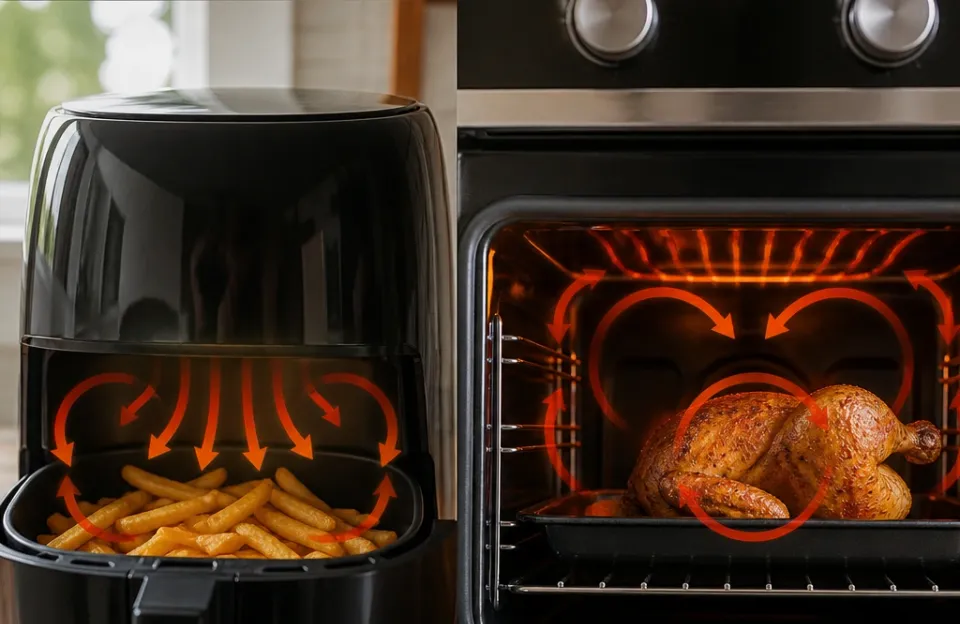
An air fryer functions like a compact, high-powered convection oven. The fan pushes hot air around the food, which helps evaporate excess moisture from the surface of the dough while keeping the interior relatively soft. This creates a crust that bites back rather than bending under the weight of the cheese.
Determining the right time and temperature
Getting the perfect reheat depends on how you like your pizza. A lower temperature over a longer period will heat the slice through without burning the edges. A higher temperature will crisp the surface faster, which is ideal if you have a thin-crust slice that is already slightly oily.
For a standard hand-tossed slice, 350°F is the sweet spot. If your slice is loaded with heavy toppings like sausage, peppers, or extra sauce, you may need to extend the time by an additional minute or two to ensure the middle reaches an appropriate internal temperature.
Does crust thickness change the cooking time?
Thin-crust pizza requires less time in the air fryer because there is less mass for the heat to penetrate. If you are reheating a paper-thin New York-style slice, start checking it at the 3-minute mark. If you leave it in too long, the crust can become brittle or even burnt.
Deep-dish or thick-crust pizzas are the opposite. Because of the density of the dough, the heat takes longer to reach the center. If you try to blast a thick slice at a high temperature, the cheese will char before the crust is warm.
For thick crusts, drop your temperature to 325°F and aim for 6 to 8 minutes to allow the heat to penetrate deeply without ruining the top.
Essential steps for the best results
You do not need to overcomplicate the process, but a few simple habits will improve the final texture significantly.
- Preheat your unit: Just like a conventional oven, air fryers work better when they start at the desired temperature. Let your air fryer run empty for 2 minutes before sliding the pizza in.
- Don’t overcrowd the basket: Airflow is the engine of an air fryer. If you stack slices on top of each other, the air cannot reach the middle of the stack, and you will end up with warm, soggy spots. Keep slices in a single layer with a little breathing room between them.
- Use parchment paper: If you are worried about cheese dripping through the basket grate, a small square of perforated parchment paper can save you a cleanup headache. Do not use standard wax paper, as it can be a fire hazard.
Managing different topping styles
Not all pizza toppings react to heat the same way. Vegetable-heavy pizzas tend to release more moisture when reheated. If your slice is covered in mushrooms, onions, or peppers, these veggies might get a bit watery in the air fryer.
To combat this, ensure you are not reheating them at too low a temperature, which allows the steam to linger too long.
Meat-heavy pizzas with pepperoni or sausage are generally the easiest to reheat. The oils in the meat help conduct the heat, and they tend to crisp up nicely under the air fryer’s fan. Keep a close watch during the final minute of cooking, as those oils can occasionally cause minor splattering inside the unit.
Dealing with frozen leftover pizza
If you kept your leftover pizza in the freezer, you need to thaw it slightly before throwing it into the air fryer. Putting a frozen, ice-covered slice directly into the unit will lead to an uneven finish where the exterior burns while the center remains icy.
Let the slice sit on the counter for 15 to 20 minutes before reheating. If you are in a rush, you can use the defrost setting on your microwave for 30 seconds just to take the chill off, then move it to the air fryer to finish the crisping process.
Air fryer reheating time guide
This table provides a quick reference for different types of pizza. These times assume the air fryer has been preheated to the recommended temperature.
| Pizza Type | Temperature | Estimated Time |
|---|---|---|
| Thin Crust | 350°F | 3–4 minutes |
| Hand-Tossed | 350°F | 4–5 minutes |
| Thick/Deep Dish | 325°F | 6–8 minutes |
| Veggie Loaded | 350°F | 5–6 minutes |
| Meat Lover’s | 360°F | 4–5 minutes |
Common mistakes to avoid
Many people struggle with their first few attempts at reheating pizza, usually due to a few common errors.
- Forgetting to check the bottom: The bottom of the pizza is often the first part to crisp. If your air fryer basket has a solid tray, the heat is coming mostly from the top. If it has a grate, heat is hitting it from both sides. Check the crust color early.
- Using oil spray: You generally do not need to add oil to your pizza. The dough and the cheese already have enough fat. Adding more can make the slice feel greasy rather than crispy.
- Overheating: It is much easier to add an extra minute than to fix a burnt crust. If you aren't sure, check early.
How to tell when it is ready
The goal is to have the cheese bubbling slightly and the crust feeling firm when you touch it with a pair of tongs. If the cheese is unmelted but the crust is dark, your temperature is too high. If the crust is still soft but the cheese is liquid, your temperature is too low.
According to the USDA food safety guidelines, you should ensure that leftovers reach an internal temperature of 165°F to ensure they are safe to eat. While a pizza slice is usually safe if it was stored properly, keeping this temperature in mind ensures you aren't just warming the top layer.
Adapting for different air fryer models
Not all air fryers are created equal. Basket-style fryers, where the fan is located directly above the food, often cook faster and crisp the top more effectively than oven-style air fryers that have a larger chamber. If you are using an oven-style air fryer, the air circulation is usually less intense, so you may need to add 1 to 2 minutes to the suggested times in this guide.
If your air fryer is particularly powerful, often indicated by a very loud fan, it might cook faster than the times listed here. Always err on the side of caution for your first attempt with a new unit.
Can you reheat multiple slices at once?
You can absolutely reheat more than one slice, provided they fit in a single layer. If you are feeding a group, avoid the temptation to layer them. If the slices overlap, the overlapped areas will be soft and mushy while the exposed edges will be overcooked.
If you have a large amount of pizza, it is more efficient to do them in two separate batches. Because the air fryer is already hot from the first batch, the second batch will often cook about 30 to 60 seconds faster.
What if your pizza has a lot of toppings?
A "supreme" or "deluxe" pizza with a mountain of toppings is notoriously difficult to reheat because the weight of the toppings can cause the slice to sag. If your slice is very heavy, try to lift it carefully with a wide spatula rather than tongs, which might break the crust.
If the center of the pizza is very thick with sauce and veggies, the heat might not reach it fast enough to keep the crust from drying out. In this case, you can try "tenting" the slice with a small piece of foil for the first 3 minutes of the cycle, then removing the foil for the final 2 minutes to crisp the top.
Refreshing dry crusts
If your pizza was in the fridge for several days and the crust seems bone-dry, you can give it a tiny bit of help. Lightly spritz the crust, not the toppings, with a very small amount of water before putting it in the air fryer. The steam will help rehydrate the dough just enough to make it pliable again before the heat locks in the crispiness.
This is a delicate balance. Too much water will just result in a soggy crust. A single, fine misting is plenty.
If you don't have a spray bottle, you can lightly dab the crust with a damp paper towel.
Troubleshooting unusual textures
If your pizza comes out feeling tough like leather, it has likely been reheated for too long at a temperature that was too high. The air fryer essentially dehydrated the bread. To avoid this in the future, lower the temperature by 25 degrees and shorten the time.
If the pizza comes out greasy, it is likely because the cheese and meat oils reached their melting point and stayed there for too long, causing them to separate from the ingredients. This usually happens when the pizza is reheated for too long. Reducing the time will help keep the oils incorporated into the toppings.
Why the air fryer wins over the oven
While a full-sized conventional oven can produce a great pizza, it is a significant waste of energy to heat up a massive appliance for a single slice of pizza. An air fryer reaches the necessary temperature in a fraction of the time. This efficiency also means you are less likely to overcook the slice because you are monitoring it in a much smaller, controlled environment.
The forced convection of the air fryer also provides a more uniform distribution of heat compared to a standard oven, where hot spots can occur depending on where the heating element is located. By moving the air, the air fryer ensures that every square inch of the crust experiences the same temperature, leading to a consistent crunch from the center to the outer edge.
Frequently asked questions
Can I reheat pizza in an air fryer with a sauce-heavy base?
Yes, but you need to be careful. Sauce contains a high water content, and as it heats, it can bubble and spill over the edges of the crust. Ensure your slice is sitting perfectly level in the air fryer basket to prevent the toppings from sliding off as the cheese melts.
Should I put the pizza directly on the rack or in a pan?
Putting the pizza directly on the basket grate is the best way to ensure the crust gets crispy on both sides. If you use a pan or a plate inside the air fryer, you are blocking the air from hitting the bottom of the crust, which will result in a softer, less satisfying texture. If your air fryer came with a mesh basket, use that.
How do I know if my pizza is ruined by reheating?
If the crust smells burnt or the cheese has turned into a hard, rubbery sheet, it has likely been in the air fryer too long. Pizza that has been reheated until it is completely dried out is difficult to revive. It is always better to pull the pizza out when it looks slightly underdone and check it; you can always put it back in for another 30 seconds if needed.
Is it safe to reheat pizza more than once?
It is generally recommended to only reheat leftovers one time. Reheating pizza multiple times increases the number of times the food passes through the "danger zone," where bacteria can grow. If you have a large box of leftover pizza, only pull out and reheat the amount you plan to eat in that sitting.
Does the type of air fryer basket coating matter?
Non-stick coatings are convenient for cleanup, but they can be sensitive to high heat over time. Always follow the manufacturer’s instructions regarding the maximum temperature of your specific unit. If you use a metal utensil to remove your pizza, be careful not to scratch the coating, as this can make future cleanups much more difficult.
What if I don't have an air fryer?
If you find yourself without an air fryer, the next best method is a stovetop skillet. Place the slice in a dry, non-stick pan over medium-low heat. Cover the pan with a lid to trap the heat and melt the cheese.
This produces a surprisingly good result, though it is slightly more hands-on than using an air fryer.
Understanding the role of airflow
The reason air fryers are so effective for reheating is the speed and intensity of the airflow. A National Institute of Standards and Technology report on convection heating principles underscores how moving air transfers heat significantly faster than still air in a traditional oven. By effectively "blasting" the surface of the pizza with hot air, you are creating a thermal barrier that prevents the interior of the bread from becoming mushy while simultaneously dehydrating the surface just enough to trigger the Maillard reaction, which is responsible for that golden-brown, crispy finish we all crave.
Final thoughts on the perfect reheat
Reheating pizza is an art of managing moisture and heat transfer. By keeping your temperature steady at 350°F and your time monitored within that 3-to-5-minute window, you can reclaim that "straight out of the box" experience. Remember to keep your slices in a single layer, avoid unnecessary oils, and always trust your senses, if it looks crispy and the cheese is bubbling, it is ready to eat.
The air fryer is undoubtedly the most efficient tool for the job, turning what used to be a soggy disappointment into a meal worth looking forward to again.