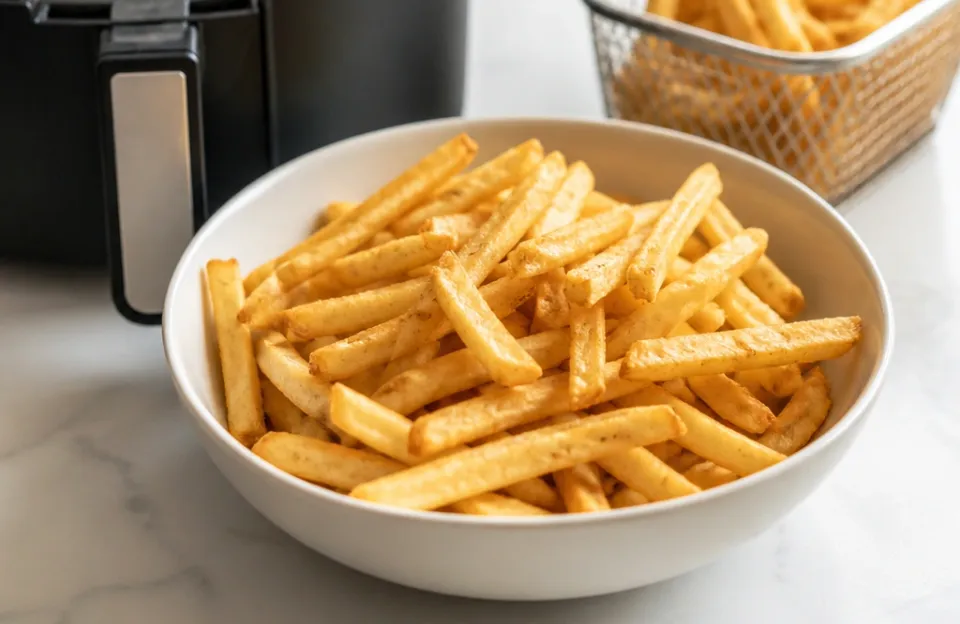
To reheat french fries in an air fryer, you generally need to set the temperature to 350°F to 375°F and cook them for three to five minutes. This method is the single most effective way to restore that crisp exterior while keeping the center of the potato fluffy and warm. Unlike a microwave, which turns leftover fries into mush, the circulating heat of an air fryer mimics the original frying process.
Whether you are dealing with thin shoestring fries, thick-cut steak fries, or crinkle-cut varieties, the core principles remain the same. This article covers everything you need to know to get your leftovers tasting fresh again, including timing, temperature adjustments, and common mistakes.
Understanding the Air Frying Mechanism for Leftovers
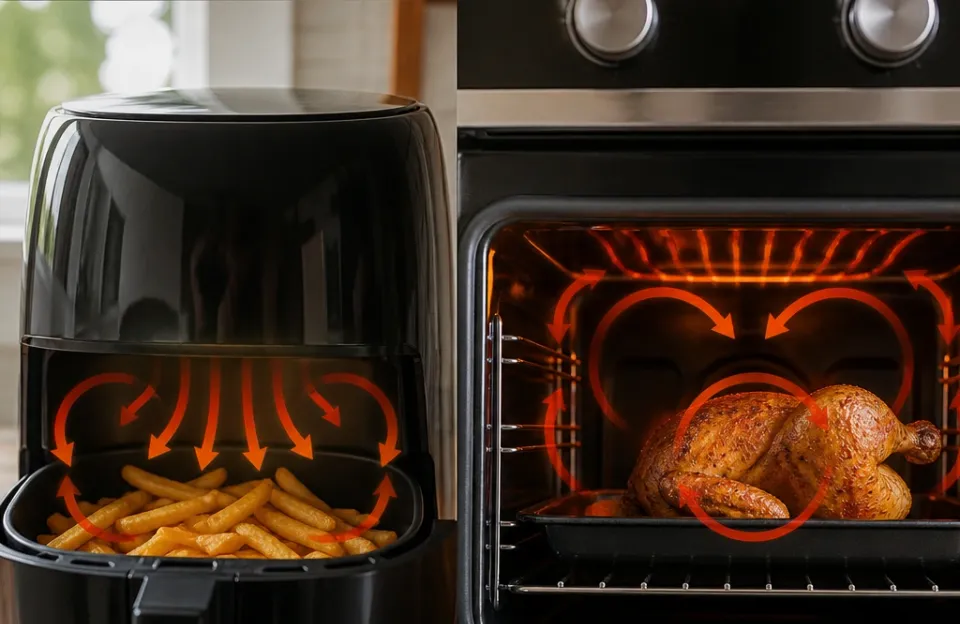
An air fryer is essentially a high-powered convection oven. It uses a heating element and a fan to force hot air around the food at high speeds. When you put cold french fries into this environment, the moisture on the surface evaporates rapidly, which is exactly what creates that characteristic crunch.
The hot air also heats the internal starch of the potato, effectively refreshing the texture from the inside out.
The main challenge with reheating fries is moisture loss. If you cook them too long, they become dry, brittle, or burnt. If the temperature is too low, the fries will sit in the machine without getting crisp, eventually becoming greasy as the oil from the initial frying process leeches out.
Finding the sweet spot between three and five minutes at a moderate heat setting allows the exterior to firm up before the inside dries out completely.
Step-by-Step Instructions to Reheat Fries
You do not need to be a professional chef to get these results. Follow these steps to ensure your fries come out better than they did the first time around.
- Preheat the air fryer: Even though it takes only a few minutes, preheating to 350°F (175°C) ensures that the cooking time starts the moment the fries hit the basket.
- Arrange in a single layer: Do not dump the entire container of leftover fries into the basket at once. Airflow is the secret ingredient. If the fries are piled on top of each other, the ones in the middle will steam rather than crisp. Use multiple batches if necessary.
- Lightly mist (optional): A tiny spray of neutral oil, like canola or vegetable, can help if your fries look particularly dried out. Do not overdo it; there is likely already enough residual oil on the fries from their first trip to the fryer.
- Set the timer: Start with three minutes. Most standard-thickness fries reach their peak texture in this window.
- Check and shake: Open the basket at the three-minute mark. Give the basket a firm shake to redistribute the heat. If they look crisp enough, pull them out. If they still feel soft, add one more minute.
- Cool slightly: Let the fries sit on a plate for about sixty seconds before eating. This allows the residual moisture to stabilize, which actually makes the exterior stay crispy longer.
Determining the Ideal Temperature and Time
The thickness of the potato cut matters quite a bit. A thin shoestring fry has a higher surface-area-to-volume ratio, meaning it crisps up lightning-fast. A thick steak fry or a hearty potato wedge contains more mass, requiring more time to heat through to the center.
Time and Temperature Guidelines
| Fry Type | Temperature | Estimated Time |
|---|---|---|
| Shoestring / Thin | 350°F | 2–3 minutes |
| Standard / Fast Food | 360°F | 3–4 minutes |
| Thick-cut / Steak Fries | 375°F | 4–6 minutes |
| Waffle or Crinkle-cut | 365°F | 3–5 minutes |
Keep in mind that these numbers are guidelines based on typical household appliances. Because air fryers vary in wattage and fan intensity, you should treat the first batch as a test run. If you notice your fries are browning too fast but the center is still cold, drop the temperature by 25 degrees and add a minute to the cook time.
Why the Air Fryer Wins Over Other Methods
Comparing reheating methods shows why the air fryer is superior for this specific task. A microwave works by exciting water molecules, which creates steam. Steam is the enemy of crispy potatoes, leading directly to a soggy, limp texture that no one enjoys.
Reheating in a conventional oven takes much longer to preheat and often fails to provide the intense, direct heat necessary to crisp the surface before the potato loses all its integrity.
The air fryer bridges the gap between these two, offering the speed of a microwave with the results of a deep fryer. It does not require large amounts of added fat, and it prevents the "rubbery" texture often associated with reheating fast food. According to the USDA Food Safety and Inspection Service, the key to quality reheating is ensuring the food reaches a safe, consistent temperature throughout, and the convection current of an air fryer ensures this happens uniformly.
Common Mistakes to Avoid
Even with a simple process, a few bad habits can ruin your leftovers. Here is what to watch out for.
- Overcrowding: This is the most common reason for failure. If you cannot see the bottom of the air fryer basket because of the pile of fries, they will not crisp.
- Using too much oil: Reheating is not the same as cooking from raw. The fries are already cooked and likely coated in oil. Adding more just makes them greasy and heavy.
- Ignoring the shake: The heating element is usually at the top. If you do not shake the basket, the fries on top will burn while the ones on the bottom stay cold.
- Leaving them in too long: The transition from "perfectly crisp" to "burnt" happens very fast in an air fryer. Stay in the kitchen for that final minute.
Handling Different Types of Leftover Fries
Not all fries are created equal, and their composition changes how they react to the reheating process.
Fast Food Fries
Fast food fries are often coated in starches or additives to help them hold their shape. When reheating these, the air fryer is particularly effective because it refreshes that exterior coating. Stick to the 360°F range for these.
They tend to lose their saltiness when reheated, so a tiny sprinkle of fine sea salt right after they come out of the air fryer is often necessary.
Homemade or Hand-Cut Fries
Because homemade fries often have a higher water content and less consistent thickness, they are trickier. They are more likely to turn into "mush" if you are not careful. For these, preheating is mandatory.
You want the air to be hot enough to sear the outside instantly. A slightly higher temperature, around 375°F, works best to prevent them from becoming soft while they heat through.
Restaurant-Style Thick-Cut Fries
Steak fries are heavy. They hold onto heat, but they also retain more internal moisture. If you try to blast them with high heat, the outside will char before the inside is hot.
Use a lower temperature (350°F) for a slightly longer time (up to 6 minutes) to ensure even heat penetration.
Managing Moisture and Texture
If you find that your fries consistently come out dry, check the airflow. If the air is moving well but the fries are still like cardboard, it usually means they were low-quality to begin with or were held in the refrigerator too long. Potatoes contain high amounts of starch, and starch loses quality over time.
For the best results, try to reheat fries within 24 hours of the original cooking. If you have kept them in the fridge for more than two days, you may find that no amount of reheating can restore that perfect crunch. In that case, you might be better off using the potatoes in a different dish, such as a breakfast hash where the texture doesn't need to be crispy.
Frequently Asked Questions
Can I reheat frozen fries and leftovers together?
It is not recommended. Frozen fries have a high water content and require different cooking times compared to pre-cooked, refrigerated leftovers. If you mix them, the leftovers will burn before the frozen ones are cooked through.
Does the type of air fryer matter?
While the basic mechanics are the same, larger units with more space allow for better airflow. If you have a small, compact air fryer, be extra careful to cook in smaller batches. Do not try to rush the process by cramming more food into a small space.
Is it necessary to add oil?
Usually, no. Most fries retain enough residual oil from their initial preparation. If your fries look extremely pale and dry, a very light spritz of oil might help, but it is rarely a requirement for a good result.
What should I do if my fries are soggy after reheating?
If they are still soggy after the recommended time, you likely overcrowded the basket or didn't cook them long enough. Try again with a smaller batch, and consider adding another sixty seconds to the timer.
Can I reheat seasoned fries?
Yes, but be aware that certain seasonings, particularly dried herbs like parsley or oregano, can burn under the direct heat of an air fryer. If your fries are heavily seasoned, use a slightly lower temperature (330°F) to avoid scorching the spices.
Are there health benefits to using an air fryer to reheat?
The primary benefit is that you don't need to add additional fat to get a crispy result. You are also avoiding the potential carcinogens that can form when oil is repeatedly heated to extreme temperatures, though the primary goal for most people is simply getting a better-tasting potato.
The Bottom Line
Reheating fries in an air fryer is a straightforward process that rewards patience and good technique. By focusing on temperature consistency and proper airflow, you can easily rescue what would otherwise be a disappointing pile of soggy potatoes. Remember that the goal is to drive off surface moisture without drying out the interior, which is why a high, steady heat for a short duration is the winning formula.
Always shake the basket, don't rush the batch size, and trust your eyes over the timer as those final seconds tick away.