Air fryers generally last between three to five years with regular use. Because an air fryer is essentially a compact convection oven with a high-powered fan and heating element, its longevity depends heavily on how often you cook and how well you maintain the components. While some units can push toward the six-year mark, the degradation of the non-stick coating and the mechanical wear on the fan motor are the two most common reasons people end up replacing them.
Understanding how long an air fryer lasts requires looking at its core design. Unlike a traditional oven that might last decades, an air fryer contains small, precision-engineered parts that face intense heat cycles and high-speed airflow. When you use your device four or five times a week, those components experience significant thermal stress.
Why the Heating Element Determines Your Lifespan
The heating element is the heartbeat of your air fryer. It is a coiled metal tube, usually made of stainless steel, that reaches high temperatures in seconds. Over time, these rapid fluctuations between cold and hot cause the metal to expand and contract, which can eventually lead to micro-fractures in the material.
If you notice your food is taking longer to cook or isn't reaching a crisp texture, the heating element may be losing its efficiency. While you might be tempted to keep using a unit that is slowly failing, it can lead to uneven cooking and potential fire hazards if the internal thermal sensors are compromised. Most residential-grade appliances are not designed to be repaired at the component level, meaning once the heating element fails, the entire unit usually needs to be replaced.
The Impact of Daily Usage on Mechanical Parts
The fan motor is the second most common point of failure. It has to spin at high revolutions while being exposed to the heat radiating from the element above it. If you constantly overload your air fryer basket, you restrict airflow, which forces the fan to work harder to circulate the air.
This strain accelerates the wear on the motor bearings. You will often hear the first signs of this issue as an unusually loud humming or grinding noise. If you ignore these sounds, the motor will eventually seize up.
To keep your air fryer running as long as possible, always ensure there is enough space for air to move around your food.
The Role of Non-stick Coatings in Longevity
Even if the motor and heating element are in perfect working order, many people retire their air fryers because the basket lining begins to peel or flake. This is usually a sign that the basket is nearing the end of its life. While there isn't a single official standard for how many years a coating should last, it is heavily influenced by how you clean it.
Abrasive sponges, metal utensils, and high-heat cycles are the enemies of non-stick surfaces. When the coating begins to chip, food is more likely to burn, which in turn causes you to scrub harder, accelerating the damage. This creates a cycle that leads to the appliance being thrown away well before the electrical components have actually failed.
How to Extend the Life of Your Appliance
You can squeeze extra years out of your machine by adopting a few simple habits. First, always unplug the unit when it isn't in use. Leaving it plugged in keeps the internal clock and digital display active, which is a minor but constant draw on the electrical circuitry.
Second, let the machine cool down completely before cleaning it. Many people rush to wash the basket while it is still hot, but the sudden temperature change from hot water can cause the metal basket to warp, which prevents a proper seal and affects airflow.
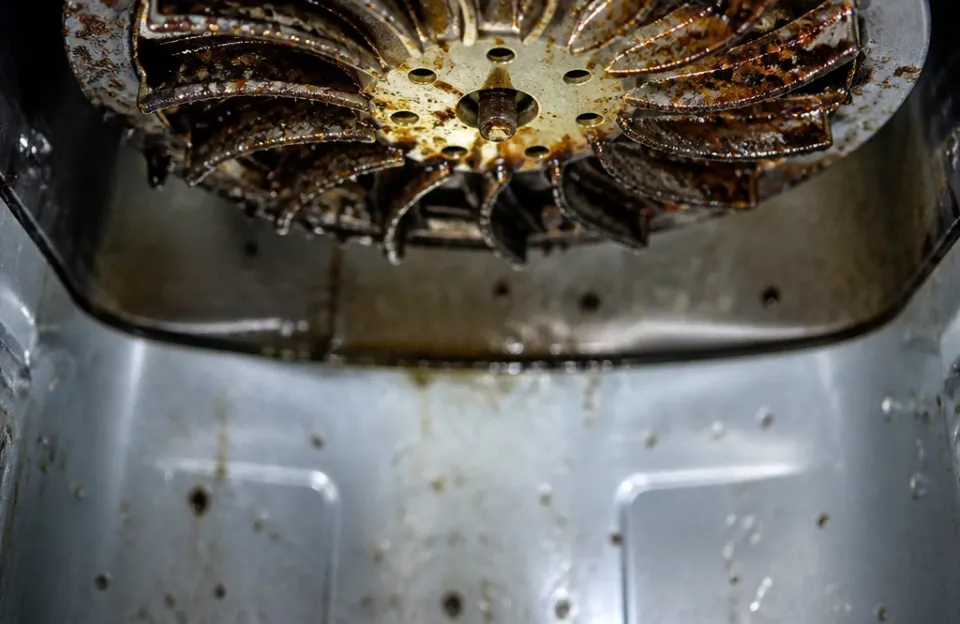
Third, clean the area around the heating element regularly. Grease buildup is a major culprit for shortened lifespans. Over time, grease becomes airborne, settles on the heating coil, and can cause short circuits or smoke.
Using a soft brush or a damp cloth to wipe away grease once it has cooled can save you from premature electrical failure.
| Component | Common Failure Point | Typical Warning Sign |
|---|---|---|
| Heating Element | Thermal fatigue | Longer cook times, uneven browning |
| Fan Motor | Bearing wear | Grinding noise, high-pitched whining |
| Basket Coating | Physical abrasion | Flaking, food sticking consistently |
| Control Board | Electrical surge | Unresponsive screen, error codes |
When It Is Time to Replace Your Unit
There comes a point where the cost of a replacement or the loss of functionality outweighs the benefits of keeping the old machine. If you notice a burning plastic smell that isn't coming from food residue, this is an immediate sign to stop using the device. It usually indicates that internal wiring insulation is degrading or that a plastic component near the heating element has melted.
You should also consider an upgrade if you find that your air fryer no longer maintains a steady temperature. If your baked goods or proteins are consistently coming out raw in the middle but burnt on the outside, the thermostat is likely failing. Reliable temperature control is non-negotiable for food safety.
Understanding Maintenance and Electrical Safety
Safety should always take priority over the potential savings of keeping an old, malfunctioning appliance. Air fryers operate at high wattages, often drawing between 1,200 and 1,700 watts. This is a significant load for a standard kitchen circuit.
If your plug is discolored, loose, or feels excessively hot to the touch after a cooking cycle, the issue might be with your outlet or the cord itself rather than the air fryer. Always follow the guidelines provided by the U.S. Consumer Product Safety Commission regarding electrical appliance safety to ensure that your kitchen remains a hazard-free environment.
Common Misconceptions About Air Fryer Durability
One of the most common myths is that "high-end" air fryers will last twice as long as cheaper, entry-level models. While expensive units may have better aesthetics and more precise digital interfaces, the fundamental technology, the fan, the motor, and the heating element, is remarkably similar across most price points. You are often paying for extra features, size, and brand reputation rather than a significantly more robust motor.
Another misconception is that the air fryer is a "set it and forget it" tool that requires no maintenance. Because of the intense heat and the proximity of electrical components to grease, it is actually one of the most high-maintenance small appliances in your kitchen. A quick wipe-down after every use is far more effective at extending its life than any deep-cleaning routine performed once a year.
Frequently Asked Questions
Can I replace the air fryer basket instead of the whole unit?
Yes, if the only issue is a worn-out or damaged basket, you can often order a replacement part directly from the manufacturer. This is a cost-effective way to extend the life of your appliance, provided the heating element and fan are still functioning properly. Always ensure you are ordering the exact model number that matches your unit, as even slight variations in basket size or locking mechanisms can prevent a safe fit.
Does the brand affect how long an air fryer lasts?
While some brands have better reputations for build quality than others, there is no single brand that guarantees a decade of use. Most consumer-grade air fryers are built with similar lifespans in mind. Instead of focusing solely on the brand name, look for units with easily accessible customer support and clear availability of replacement parts, which can make a big difference if you need a simple fix down the road.
Is it safe to use an air fryer with a frayed power cord?
No, you should never use an appliance with a damaged or frayed power cord. A damaged cord is a significant fire and shock hazard, especially given the high power consumption of air fryers. If the cord is damaged, it is time to replace the unit, as attempting a DIY repair on a high-wattage appliance cord is rarely safe or recommended for the average home cook.
How do I know if my heating element is failing?
If you notice that your food is taking significantly longer to cook than it used to, or if the browning is inconsistent despite you shaking the basket, the heating element may be losing its capacity. You might also notice that the device doesn't feel as hot when you open the basket, or the air coming from the exhaust vent doesn't seem to be at the correct intensity.
Should I unplug my air fryer when not in use?
Yes, unplugging your air fryer is a good practice for both safety and longevity. It protects the sensitive digital control board from potential power surges in your home's electrical grid. It also ensures that the unit isn't drawing "vampire power," which is the small amount of electricity used by standby displays and internal clocks even when the machine is off.
What are the signs that my air fryer needs professional repair?
Most modern air fryers are not designed for repair, and the cost of parts and labor often exceeds the cost of a new unit. If you experience internal smoke, burning smells that don't dissipate, or if the digital controls become completely unresponsive, it is almost always more practical to replace the appliance than to seek professional repair services.
The longevity of your air fryer ultimately comes down to how you treat it on a daily basis. By keeping the interior free of grease, being gentle with the non-stick basket, and not overloading the unit, you can easily hit that five-year mark. When the time comes to replace it, look for a model that suits your actual cooking volume rather than just going for the largest or most feature-rich option on the shelf.