A food scale with a bowl works best for baking, mixing dough, and measuring liquids. A flat platform scale is the better choice when you need to weigh large pots, odd-shaped items, or want the freedom to use any container from your cabinet. The right pick depends entirely on what you cook most often.
When people search for a food scale with bowl vs flat platform, they usually want to know which one takes up less space, which is easier to clean, and which handles their daily recipes without getting in the way. This comparison breaks down the physical differences, how each design behaves during prep work, and where one clearly outperforms the other.
How Bowl Scales and Flat Platforms Actually Differ
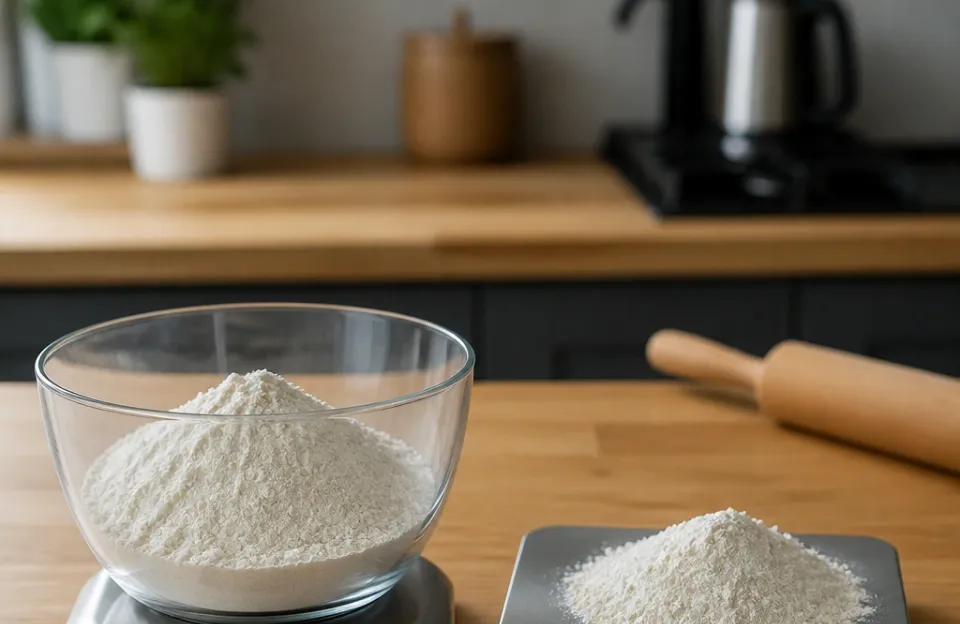
The core difference comes down to load distribution and counter footprint. A bowl scale has a built-in or included container sitting directly over the load cell. Everything you weigh goes into that specific vessel.
A flat platform scale exposes the entire top surface as a weighing area. You place whatever you want directly on it.
Bowl scales center the weight automatically. You drop flour into the middle, and the sensor reads it cleanly. Flat platforms require you to place items near the center yourself.
If you set a heavy cast iron skillet too close to the edge of a flat scale, the reading can drift or error out.
Storage is another immediate dividing line. A bowl scale is a fixed shape. It needs enough vertical clearance in a cabinet to fit the bowl sticking up.
A flat platform slides into a drawer or stands vertically against a backsplash. For small kitchens, this physical profile dictates the decision before you even look at capacity numbers.
Counter Space and Storage Footprint
Flat platforms win on storage every time. Most measure under an inch thick. You can slide them between cutting boards or tuck them into a utensil drawer.
A bowl scale demands dedicated shelf space. The bowl cannot be removed on many models, and even removable bowls add bulk.
On the counter during active cooking, the math flips slightly. A bowl scale keeps ingredients contained. You don't need to pull out a separate mixing bowl, weigh your flour, then transfer it.
You mix right in the weighing vessel. A flat platform requires you to fetch your own bowl, place it on the scale, press tare, and then fill it. That extra step adds seconds, but those seconds compound during a long baking session.
If your kitchen layout forces you to put tools away after every single use, a flat platform reduces friction. If you leave your scale out on the counter permanently, a bowl scale's larger footprint matters less. We cover a lot of kitchen layout decisions when planning renovations, and choosing where appliances live permanently is part of that same spatial puzzle.
Cleaning Up After Messy Prep Work
Baking gets messy. Flour dust settles everywhere. Sticky honey drips down the sides of spoons.
A bowl scale contains almost all of this inside its vessel. You wash the bowl like any other dish. The base stays relatively clean because ingredients rarely spill over the rim.
Flat platforms take the hit directly. Spilled milk pools around the edges. Powdered sugar grinds into the seams where the display meets the weighing pad.
You have to wipe down the entire unit after heavy use. Most flat platforms are water-resistant rather than waterproof. Submerging the base to scrub off dried dough will ruin the electronics.
Some flat platforms come with a removable silicone mat or stainless steel tray. These help, but they still sit flush against the body, leaving gaps for fine powders to enter. Bowl scales avoid this problem by elevating the mixing zone above the sensor housing.
Maximum Weight Limits and Capacity
Capacity varies wildly across both designs, so always check the spec sheet. However, general trends exist. Flat platforms frequently support higher maximum weights.
Many handle 11 pounds (5 kg) or even 22 pounds (10 kg). This allows you to weigh a full stockpot or a large batch of bread dough in a heavy ceramic bowl.
Bowl scales typically max out lower. The included bowl has a fixed volume. Manufacturers size the load cell to match that volume safely.
Overfilling a small bowl scale with dense ingredients like wet dough or meat can exceed the sensor limit faster than you expect.
If you regularly weigh large batches of food, a flat platform gives you room to grow. If you stick to standard recipe portions, either design handles the load fine. Getting exact measurements is just as important as hitting the right temperature when roasting; using a reliable instant read tool alongside your scale prevents guessing on both fronts.
Tare Function Behavior With Each Design
Taring means zeroing out the scale after placing an empty container on it. Both designs do this. The experience feels different depending on the hardware.
On a flat platform, you place your bowl, hit tare, and add ingredients. Need to add a second ingredient to the same bowl? Hit tare again.
Want to switch to a completely different plate mid-recipe? Lift the bowl, place the plate, hit tare. The process is flexible because the platform accepts any object.
On a bowl scale, the tare button usually accounts for the built-in bowl's weight automatically upon startup, or you press it once with the empty attached bowl. Adding sequential ingredients works identically. But swapping containers isn't possible if the bowl is permanently affixed.
Removable-bowl models solve this, though the replacement bowls must be specific to that brand.
This flexibility makes flat platforms superior for cooks who improvise. Bowl scales reward cooks who follow structured recipes from start to finish in a single vessel.
| Attribute | Food Scale With Bowl | Flat Platform Scale |
|---|---|---|
| Storage Profile | Bulky, needs vertical shelf space | Thin, fits in drawers or stands upright |
| Cleaning | Wash the bowl separately, base stays clean | Wipe entire surface, spills reach seams |
| Typical Capacity | Often 5 kg / 11 lbs or less | Frequently 5 kg to 10 kg / 11 to 22 lbs |
| Container Flexibility | Fixed to included bowl (unless removable) | Accepts any pot, pan, or plate |
| Best Primary Use | Baking, mixing batter, portioning liquids | General cooking, large pots, odd shapes |
| Spill Containment | High, deep walls catch overflow | Low, spills spread across the flat pad |
Where a Built-In Bowl Wins During Daily Cooking
Bowl scales shine during tasks that involve combining wet and dry ingredients rapidly. Think pancake batter, cookie dough, or salad dressings. You crack eggs, pour milk, and scoop flour all into the same space.
The high walls prevent splashes from hitting your countertop.
They also reduce the number of dishes in your sink. Instead of dirtying a measuring cup, a mixing bowl, and a transfer spatula, you mix directly in the weighing vessel. Then you pour the finished batter straight into your pan.
Fewer steps mean faster cleanup.
For liquid-heavy tasks, a bowl is simply safer. Trying to balance a tall glass measuring cup on a flat platform while pouring olive oil invites tipping. A wide, stable bowl scale sits low and catches drips easily.
Maintaining a tidy workspace applies to everything from weighing ingredients to scrubbing baked-on grease out of small appliances later.
Mixing Dough and Batter Directly on the Sensor
Some bakers prefer mixing directly in the weighing bowl. They add flour, create a well, pour in yeast water, and stir. Doing this on a flat platform requires a separate bowl anyway.
Having the scale and the mixing vessel combined saves a step.
There is a limitation here. Aggressive kneading pushes down hard on the load cell. Repeated heavy pressure can damage sensitive sensors over time.
Gentle stirring and folding are fine. Pounding stiff sourdough against the bottom of the bowl risks throwing off future calibration. If you bake heavy artisan loaves frequently, weigh the ingredients in the bowl scale, then transfer the shaggy mass to the counter for actual kneading.
Portion Control and Meal Prep Routines
People tracking macros or prepping weekly lunches benefit from the contained nature of a bowl scale. You place the bowl on the base, tare it, and drop in chicken breast pieces until you hit exactly 150 grams. Scoop them out, repeat.
The raised edges keep round foods like grapes or cherry tomatoes from rolling off onto the floor.
Flat platforms struggle with loose, round items unless you remember to bring your own container every single time. During repetitive meal prep involving dozens of small portions, grabbing the same integrated bowl repeatedly builds muscle memory faster than fetching new ramekins.
Why Flat Platforms Give Cooks More Freedom
A flat platform removes restrictions. You aren't locked into one container size. Need to weigh a massive stockpot for bone broth?
Set it on the platform. Need to weigh a single slice of cheese? Put it directly on the glass.
The surface adapts to the task.
This adaptability matters most for savory cooking. Baking relies on strict ratios measured in small bowls. Roasting a whole chicken or building a stew involves large, awkward vessels.
A tiny integrated bowl cannot hold a five-pound bird. A flat platform accommodates whatever platter or cutting board you choose.
Professional kitchens almost exclusively use flat platforms for this reason. Line cooks grab whatever deli container or hotel pan is closest, set it on the scale, tare, and move fast. Speed and flexibility trump containment in that environment.
Using Your Own Pots, Pans, and Plates
Home cooks accumulate favorite vessels. You might have a specific ceramic bowl you love for bread making, or a lightweight plastic tub for marinating meat. A flat platform lets you use those existing items.
You don't have to transfer food from a proprietary scale bowl into your preferred mixing dish.
This also helps with hot foods. Placing a warm pan fresh off the stove onto a plastic scale bowl can warp the material or release odors. Flat platforms made of tempered glass or stainless steel tolerate brief contact with warm cookware much better.
Just ensure the heat doesn't exceed the manufacturer's stated limits, as extreme temperatures degrade load cells. Precision matters across all your tools; pairing your scale with a fast dual-probe setup keeps both weight and internal temps accurate simultaneously.
Handling Oversized or Awkwardly Shaped Ingredients
Try weighing a whole head of cabbage on a small bowl scale. It rolls around, blocks the display screen, and threatens to topple. On a wide flat platform, you simply set it down.
The weight distributes evenly.
Long items like baguettes, celery bunches, or racks of ribs extend past the edges of a bowl. A flat platform supports them as long as the center of gravity remains over the sensor. This makes grocery shopping verification or bulk produce weighing significantly less frustrating.
Accuracy and Calibration Differences Between Designs
Both types use strain gauge load cells. The underlying technology is identical. Accuracy differences stem from mechanical design, not digital capability.
A quality flat platform and a quality bowl scale from the same brand will read the same gram weight perfectly.
Where they diverge is stability. A bowl scale lowers the center of gravity for the ingredients. The weight sits deep inside a vessel anchored to the base.
Vibrations from bumping the counter affect it less. A flat platform holding a tall, narrow glass of water acts as a lever. Any slight bump transfers amplified movement to the sensor, causing the digits to jump around before settling.
Calibration procedures are generally the same. Most consumer scales lack user-serviceable calibration screws. They rely on factory settings.
If a scale drifts, replacing batteries or resetting the unit usually fixes minor errors. The National Institute of Standards and Technology outlines strict guidelines for commercial weighing standards that inform how manufacturers build these consumer load cells, ensuring baseline reliability across both form factors.
Minimum Weight Thresholds and Graduation
Graduation refers to the smallest increment the scale displays. Most kitchen scales graduate in 1-gram or 0.1-ounce steps. Both bowl and flat designs share this trait.
However, minimum readable weight differs based on the tare load. If a heavy glass bowl sits on a flat platform constantly, the scale uses part of its processing range just accounting for that bowl. A very light ingredient added afterward might fall below the threshold of accuracy.
Integrated bowl scales are calibrated specifically for their included vessel, often resulting in cleaner readings at the very bottom of the range, like 1 or 2 grams of yeast or salt.
Food Scale With Bowl vs Flat Platform for Specific Diets
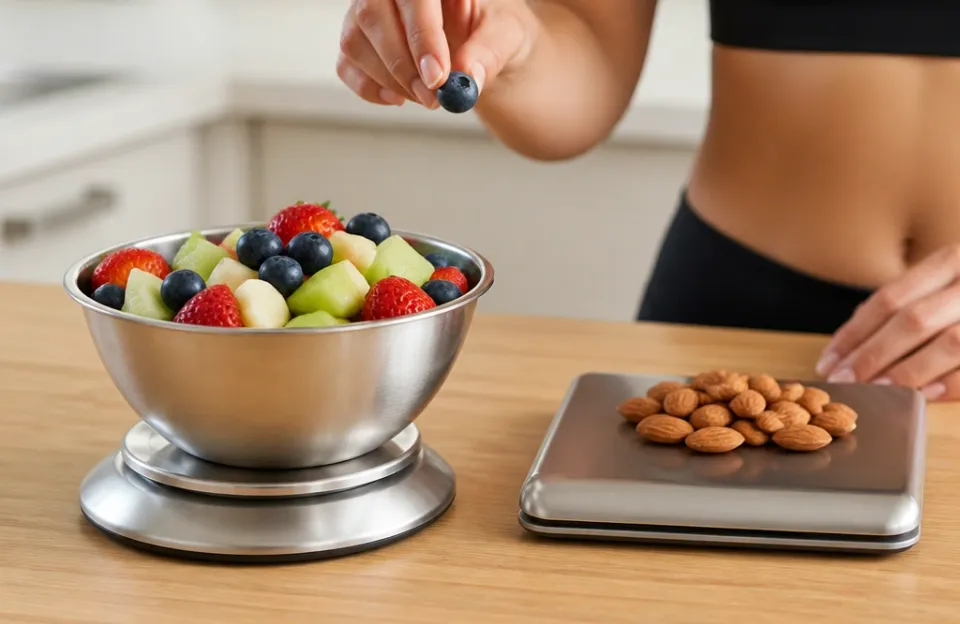
Dietary goals influence which design causes less daily friction. Keto dieters weighing high-fat ingredients like butter, oils, and heavy creams benefit from bowl scales. Liquids stay contained.
Greasy residue wipes out of a smooth bowl faster than scrubbing it off a textured flat pad.
Vegans or vegetarians weighing large volumes of leafy greens, root vegetables, or grains often prefer flat platforms. Spinach takes up massive volume for very little weight. Stuffing a huge pile of raw kale into a small scale bowl is tedious.
Laying it flat on a wide platform and letting the scale sum the total weight works faster.
Bakers following precise formulas need consistency. The repeatability of using the exact same bowl every time reduces variables. Savory cooks adjusting seasoning by taste and feel prefer the grab-and-go nature of a flat surface.
Edge Cases Where Neither Design Fits Perfectly
No tool covers every scenario flawlessly. Extremely high-capacity weighing, like breaking down a whole side of beef or weighing 50-pound bags of rice, exceeds standard kitchen scale limits regardless of shape. You need a commercial floor scale for that.
Conversely, micro-weighing saffron threads or dietary supplements requiring 0.01-gram precision falls below standard kitchen scale graduations. Jewelers' scales or milligram scales handle that tier. Standard bowl or flat kitchen scales top out at 1-gram increments, which is plenty for flour but useless for medication dosing.
Outdoor cooking presents another hurdle. Wind affects flat platforms more severely. A breeze pushing against a tall pot on a flat scale creates false readings.
Bowl scales shield the contents partially, but taking any electronic scale camping introduces moisture and dirt risks neither design fully mitigates.
Durability over years of heavy use favors simple flat platforms with fewer moving parts. Bowl scales with clipping mechanisms, locking rings, or detachable hinges introduce failure points. Plastic tabs snap.
Metal clips bend. A solid slab of glass with four rubber feet has very little to break. When buying any long-lasting kitchen gear, checking guides on what holds up longest helps set expectations for lifespan across different appliance categories.
Frequently Asked Questions
Which is better for baking bread?
A food scale with a bowl is generally better for baking bread. You can add flour, water, salt, and yeast sequentially into the same vessel, taring between additions. It keeps sticky dough contained and reduces the number of dishes you need to wash afterward.
Can I put hot pans on a flat platform scale?
Most flat platform scales tolerate warm cookware, but extreme heat damages the load cell and melts plastic components. Check your specific model's manual for temperature limits. Tempered glass platforms handle moderate warmth better than plastic ones.
Do bowl scales take up too much cabinet space?
They take up more space than flat platforms. The bowl adds height and width that cannot be compressed. If your kitchen lacks open shelving or deep cabinets, a flat platform that slides into a drawer might be the only practical option.
Are flat platform scales harder to clean?
Yes, flat platforms require more careful cleaning. Spills spread across the entire surface and can seep into the seams around the display or buttons. Bowl scales contain messes inside the removable vessel, keeping the electronic base cleaner.
Does the shape of the scale affect accuracy?
The shape itself does not change the sensor's accuracy. Both use identical load cell technology. Stability differs, however.
A bowl scale keeps the center of gravity low, preventing wobbles. A flat platform holding a tall container can sway slightly, causing the digital readout to fluctuate before settling.
Deciding Based on Your Kitchen Habits
Picking between a food scale with bowl vs flat platform comes down to mapping your actual cooking routine. If you spend weekends measuring precise ratios for sourdough, macarons, or meal-prepped chicken portions, the contained workflow of a bowl scale removes unnecessary steps. It keeps your counters clear of extra dishes and catches the inevitable flour dust before it spreads.
If your daily cooking involves tossing whole vegetables into pots, weighing large cuts of meat on cutting boards, or constantly switching between different sized containers, a flat platform stays out of your way. It adapts to whatever vessel you grab without forcing you to transfer ingredients back and forth.
Look at your counter space honestly. Measure the drawer you plan to store it in. Think about whether you hate washing extra bowls or hate wiping down electronics more.
The design that eliminates your biggest specific annoyance is the one worth buying.



1 thought on “Food Scale: Bowl vs Flat Platform – Which Is Better?”