No, you cannot put an entire air fryer in the dishwasher. The main appliance body houses electrical components, a heating element, and a fan motor that water will destroy. Submerging the base unit or running it through a wash cycle causes permanent damage and creates a serious shock hazard.
The removable parts are a different story. Most baskets, crisper plates, and racks are dishwasher safe, though hand washing often keeps them in better shape longer. Can you put an air fryer in the dishwasher?
Only the pieces that detach from the base. This article covers exactly which parts handle machine washing, why the nonstick coating matters, and how to clean the main unit safely.
Why the main air fryer unit stays out of the dishwasher

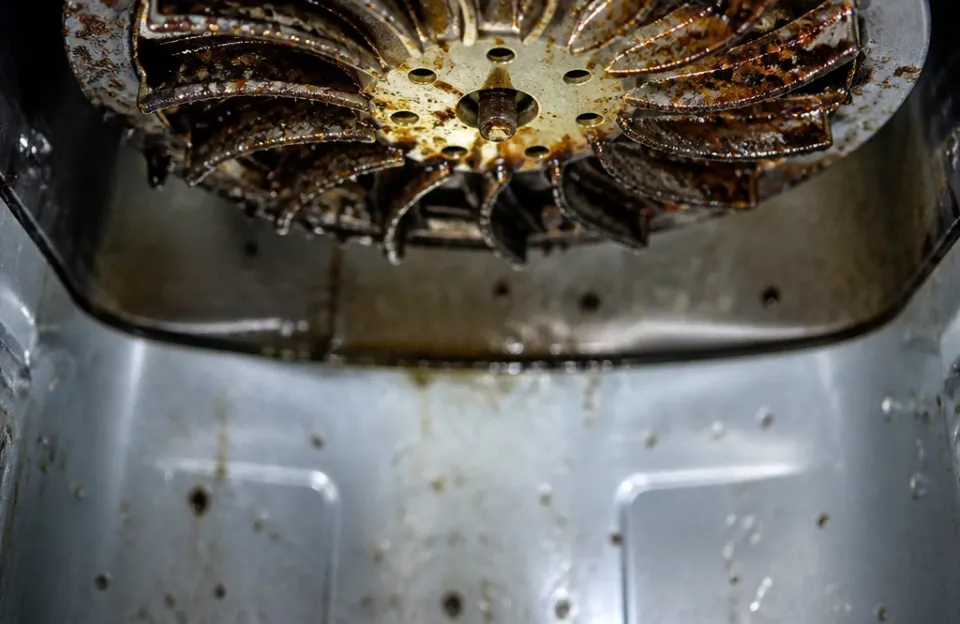
An air fryer works by circulating hot air around food using a high-speed fan and an electric heating coil. Those mechanical and electrical parts live inside the outer housing. Water forced into the vents during a wash cycle reaches the motor, the wiring, and the control board.
Once those components get wet, they corrode or short out.
Manufacturers build the outer shell from heat-resistant plastics and metals meant to stay dry. Even models with sealed buttons or digital touchscreens lack the waterproofing needed for pressurized dishwasher spray. The FDA regulates materials that contact food directly, but the exterior casing falls under standard electrical appliance safety rules.
Running the base through a dishwasher voids the warranty on virtually every brand sold today.
If you own a compact countertop model, like this popular Ninja unit, the base is relatively light. That might tempt you to toss it in the bottom rack. Don't.
The weight has nothing to do with water resistance. The internal electronics are exposed to the same moisture regardless of size.
Which removable parts handle the dishwasher
Every air fryer comes with at least one removable cooking vessel. This is usually a basket, a drawer, or a wire rack. Most modern models also include a crisper plate or a perforated tray that sits inside the basket to lift food off the bottom.
These detachable pieces are what you can wash in the machine.
Nonstick baskets and crisper plates
Most baskets and plates carry a nonstick coating, typically PTFE or a ceramic alternative. Dishwasher detergent contains strong alkaline chemicals and enzymes designed to break down baked-on food. Over time, these detergents strip the nonstick layer away.
You'll notice the surface turning dull, and food will start sticking during your next batch of crispy chicken wings.
Many manufacturers state their baskets are top-rack dishwasher safe. The top rack sits further from the heating element at the bottom of the machine, reducing heat exposure. High heat accelerates coating breakdown.
If you use the dishwasher, stick to the top rack and skip the heated dry cycle. Let the parts air dry instead.
Stainless steel racks and mesh trays
Some oven-style air fryers use stainless steel wire racks instead of coated baskets. Stainless steel handles dishwasher cycles much better than nonstick coatings. The metal won't peel or degrade from standard detergent.
Mesh trays fall somewhere in between. Fine mesh can trap small food particles that the dishwasher spray fails to dislodge. You might pull the tray out of the machine only to find bits of breading stuck in the grid.
A quick soak in warm soapy water before loading the tray helps the dishwasher do its job.
| Part Type | Dishwasher Safe | Best Rack Position | Main Risk in Dishwasher |
|---|---|---|---|
| Nonstick Basket | Usually (check manual) | Top rack only | Coating degradation |
| Crisper Plate | Usually (check manual) | Top rack only | Warping, peeling |
| Stainless Steel Rack | Yes | Any rack | Minimal risk |
| Mesh Tray | Yes | Any rack | Trapped food debris |
| Main Base Unit | Never | N/A | Electrical failure, shock |
How heat and detergent affect the nonstick coating
Dishwashers run hot. A standard cycle heats water to 130°F or higher, and the drying phase pushes temperatures even further. Nonstick coatings tolerate cooking heat well because the food and oil buffer the surface.
In a dishwasher, the bare coating takes direct hits from scalding water and harsh soap.
Alkaline detergents attack the chemical bonds in PTFE and ceramic finishes. After dozens of cycles, the surface loses its slickness. You'll see this first on the edges where the coating is thinnest.
Once the coating chips or flakes, the manufacturer usually recommends replacing the basket entirely. Eating degraded coating isn't considered acutely toxic, but it ruins the cooking performance. When you're prepping meals ahead of time, a sticky basket slows everything down.
Hand washing with a soft sponge and mild dish soap preserves the finish significantly longer. It takes about two minutes more effort per cleaning session, but it adds months or years to the basket's lifespan.
Cleaning the main base safely without water damage
Since the base never goes in the dishwasher, you need a manual method to keep it clean. Grease splatters and dust accumulate inside and outside the housing over time.
Unplug the appliance and let it cool completely before doing anything. A hot heating element can burn you, and residual heat turns a damp cloth into steam. Wipe the exterior with a slightly damp microfiber cloth.
Avoid soaking the cloth; dripping water can seep into the seams.
For the interior chamber, use a soft sponge or cloth dampened with warm water and a drop of dish soap. Wring it out thoroughly. Scrub any baked-on grease gently.
Do not pour water directly into the cavity. After wiping, go over the area again with a clean, damp cloth to remove soap residue. Leave the drawer open until the inside dries completely.
Pay attention to the heating coil located near the top of the interior. Grease collects here and can smoke during future use. If you notice buildup, scrub it carefully with a soft-bristled brush, like an old toothbrush.
Keeping the heating area clear prevents smoking when you warm up leftover pizza slices.
Hand washing versus machine washing removable parts
Choosing between the sink and the dishwasher comes down to convenience versus longevity. Both methods sanitize the parts effectively.
Hand washing gives you control over the water temperature, the soap concentration, and the scrubbing pressure. You can target stubborn spots without subjecting the entire basket to harsh chemicals. Warm water, mild soap, and a non-abrasive sponge are all you need.
Soak the basket for ten minutes if grease is baked on, then wipe it clean.
Machine washing saves time. If you cook heavily breaded items or fatty cuts like thick bacon strips, the basket gets incredibly greasy. Tossing it in the dishwasher feels easier than scrubbing by hand.
Just accept that frequent machine washing wears the coating faster.
A middle ground works well for many people. Hand wash the basket for daily use, and run it through the dishwasher once a week or after particularly messy meals. This balances convenience with preserving the nonstick surface.
Models with fully dishwasher-safe glass or ceramic inserts
Not all air fryers rely on metal baskets with chemical coatings. Some newer designs use borosilicate glass bowls or solid ceramic pots as the cooking vessel. Glass and ceramic don't have a nonstick layer to strip away, making them far more resilient in the dishwasher.
If you own a model with a glass cooking bowl, you can wash the insert on any rack without worrying about coating degradation. Glass handles high heat and alkaline detergents without breaking down. Ceramic behaves similarly, though some glazed ceramics can dull over hundreds of cycles.
Always check the specific care instructions for your model. Even if the material is inherently durable, the shape might make it awkward to fit in a standard dishwasher rack. Large capacity units, such as multi-function 8-quart machines, have bulky drawers that take up most of the bottom rack.
Measure your dishwasher interior before committing to machine washing large inserts.
Common mistakes people make when cleaning air fryers
Cleaning seems straightforward, but a few habits cause expensive damage.
- Submerging the base unit. People sometimes treat the whole appliance like a pot. Dunking the base in the sink destroys the motor and wiring instantly.
- Using steel wool or abrasive pads. Scouring pads scratch nonstick coatings deeply. Once scratched, the coating peels rapidly during subsequent cooking sessions.
- Ignoring the heating element. Grease builds up on the coil above the basket. Skipping this area leads to heavy smoke the next time you turn the machine on.
- Washing hot parts. Running cold water over a hot basket causes thermal shock. Metal warps, and glass can shatter. Always wait for parts to reach room temperature.
- Assuming all parts are dishwasher safe. Plastic drip trays or silicone rings might melt or warp on the bottom rack. Verify each component individually before loading the machine.
Checking your specific manufacturer guidelines
Brands differ in their recommendations. Ninja, Cosori, Philips, Instant, and Chefman all publish care manuals that specify exactly which parts tolerate machine washing. Some brands approve their baskets for the dishwasher but warn against it for longevity reasons.
Others strictly require hand washing to maintain warranty coverage.
Look for the manual that came in the box. If you lost it, search the brand's website using your exact model number. The model number is usually printed on a sticker on the back or bottom of the base unit.
Don't guess based on what a similar-looking model allows. A slight difference in coating formulation changes the cleaning requirements.
When reading the manual, pay attention to temperature limits. Some manufacturers specify a maximum dishwasher water temperature. If your machine runs a sanitize cycle that exceeds that limit, avoid using it for your air fryer parts.
Dealing with stubborn baked-on grease
Sometimes a normal wash cycle or a quick hand scrub won't remove carbonized grease. This happens frequently after cooking marinated meats or sugary glazes. If you enjoy flavorful wing marinades, you've likely dealt with sticky, burnt-on residue clinging to the basket walls.
Fill the basket with hot water and add a tablespoon of baking soda. Let it soak for thirty minutes. Baking soda acts as a gentle abrasive and breaks down grease chemically without harming the nonstick surface.
After soaking, use a soft nylon brush to loosen the remaining bits. Rinse thoroughly.
Avoid oven cleaner or heavy-duty degreasers. These products contain lye or other caustic chemicals that eat through nonstick coatings and leave toxic residues unsafe for food contact. Stick to mild, food-safe cleaning agents.
If grease bakes onto the crisper plate's perforations, use a wooden toothpick or bamboo skewer to poke through the holes while the plate soaks. Metal tools scratch the coating around the holes, creating weak points where rust or peeling starts later.
Frequently asked questions
Will putting the base in the dishwasher ruin my air fryer permanently?
Yes. The pressurized water enters the ventilation slots and reaches the motor, fan, and circuit board. This causes immediate short circuits and long-term corrosion.
The appliance will stop working, and no repair service will fix water-damaged internal electronics under warranty.
Can I wash the nonstick basket in the dishwasher every single day?
You can, but the coating will wear out much faster than if you hand washed it. Daily exposure to hot water and harsh detergent breaks down the nonstick surface within months. For daily use, hand washing with mild soap extends the basket's life significantly.
Are silicone air fryer liners dishwasher safe?
Most food-grade silicone liners tolerate dishwasher cycles very well. Silicone doesn't have a chemical coating to strip away, and it handles high heat easily. Place them on the top rack to prevent them from flopping over the spray arms.
What happens if my nonstick coating starts flaking off in the wash?
Stop using the basket immediately. Flaking means the coating has failed. Cooking on a damaged surface causes food to stick badly and introduces coating fragments into your meals.
Replacement baskets are available from most manufacturers, or you may need to replace the entire unit depending on the cost.
Do I need to dry the removable parts before putting them back in the base?
Yes. Leaving water pooled in the basket or on the crisper plate allows moisture to drip into the base unit's interior when you slide it back in. Towel dry the parts or let them air dry completely before reassembling the appliance.
Moisture trapped inside promotes mold growth and damages the lower heating components.
Keeping your machine running properly
Can you put an air fryer in the dishwasher? Only the removable cooking parts, and even then, hand washing protects your investment longer. The main base unit must never see the inside of a dishwasher or a sink full of water.
Wipe it down manually, keep the heating element free of grease, and treat the nonstick surfaces gently. Following these boundaries keeps the appliance safe, prevents electrical hazards, and stops your food from sticking to a ruined basket halfway through dinner.