Hard water is generally the better choice for drinking and brewing, while soft water is generally the better choice for appliances, cleaning, and plumbing protection. The practical answer depends on which problem matters more in your home.
What Actually Separates Hard Water from Soft Water
Water hardness is generally defined as the amount of dissolved calcium and magnesium in water. As water moves through soil and rock, it dissolves small amounts of naturally occurring minerals and carries them into the groundwater supply, which is why water systems using groundwater are concerned with hardness. Hardness levels vary considerably across the United States.
It helps to separate two things that both get called “soft.” Naturally soft water comes from sources that never picked up much calcium or magnesium. Softened water starts out hard and is treated, usually by ion exchange, which swaps calcium and magnesium ions for sodium or potassium ions. The distinction matters for sodium intake and for brewing, because naturally soft water and ion-exchange softened water are not the same product even though both test as soft.
The U.S. Geological Survey provides general classification guidelines based on calcium carbonate concentration: 0 to 60 mg/L is soft, 61 to 120 mg/L is moderately hard, 121 to 180 mg/L is hard, and more than 180 mg/L is very hard.
That means “hard” and “soft” are not binary categories. They describe a spectrum, and your water’s position on that spectrum determines how much of a difference you will notice in daily use.
How Hard Water Affects Cleaning and Everyday Kitchen Tasks
In hard water, soap reacts with calcium to form soap scum, and more soap or detergent is needed to get things clean. This plays out across the kitchen. Hard water does not rinse as well as soft water and can leave a film on dishes, and the minerals can dry onto glassware to create a cloudy film. Hard water can even shorten the life of fabrics and clothes.
Soft water is different because the calcium and magnesium that drive these reactions have been removed or reduced. The same soap-scum chemistry that makes hard water hard on dishes and detergent does not apply once those minerals are gone, though the exact savings in soap and rinse results depend on your starting hardness and the appliance or detergent you use.
Why Your Kitchen Appliances Care About Water Type
This is where hard water’s costs become most visible. When hard water is heated, solid deposits of calcium carbonate can form as scale, and this scale can reduce the life of equipment, raise the costs of heating the water, lower the efficiency of electric water heaters, and clog pipes. The same scale mechanism applies to any appliance that heats water, including kettles, dishwashers, and espresso machines, though the rate of buildup depends on your hardness level, temperature, and how often the appliance runs.
Coffee makers are not immune. Mineral buildup occurs in home coffee makers when hard water is used, which is why some people occasionally run vinegar through the pot. The acidity of vinegar helps dissolve mineral particles by making them charged so they can be washed away. If you want to keep your brewer free of mineral buildup, descaling frequency is the variable you control, and it depends on how hard your water is.
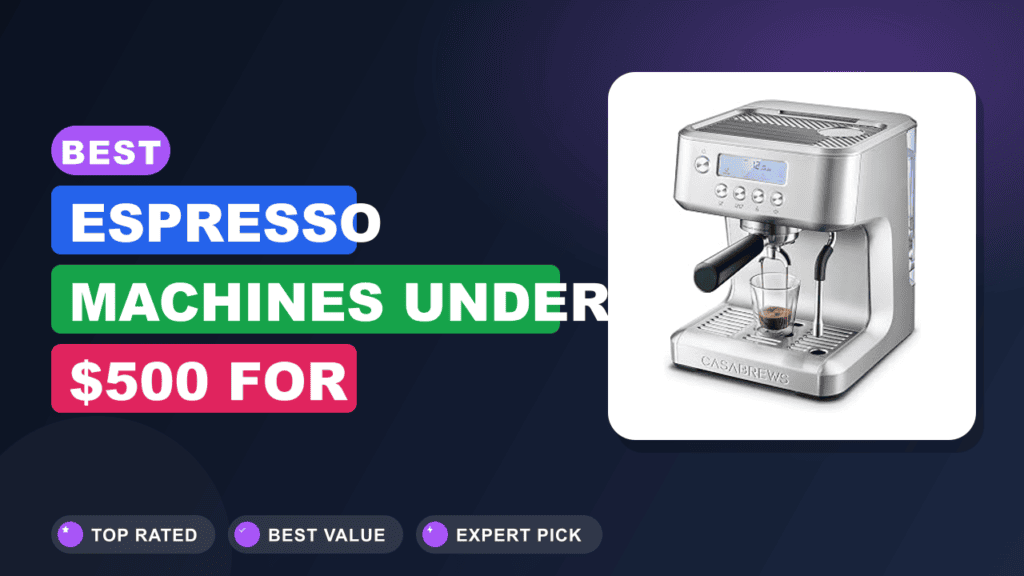
Espresso machines are especially sensitive to scale because they combine heat, pressure, and narrow internal passages. The internal boiler setups used in different machines vary in how much scale they can tolerate before flow and temperature stability suffer. If your machine draws from a tank rather than a direct plumbing line, a reservoir fed setup lets you control exactly what goes in, so you can fill it with filtered or bottled water instead of untreated hard tap water.
Long-term movement of hard water through a pipe can cause scale buildup that gradually narrows the pipe, reducing water movement and lowering water pressure. The same scale mechanism that narrows pipes also affects any appliance that heats water, including kettles, dishwashers, and espresso machines, though the rate depends on your hardness level and how the appliance is used.
Soft water removes the calcium and magnesium that form scale, so the scale mechanism described above does not apply in the same way. If scale and appliance longevity are your main concern, soft water is the more protective choice, though the practical benefit depends on your starting hardness and how the softened water is used.
The Health and Dietary Side of Hard Water
The World Health Organization states that drinking water may contribute calcium and magnesium to the diet and could be important for those who are marginal for calcium and magnesium intake. In other words, hard water is not a contaminant problem; it can be a modest dietary mineral source for people whose intake is borderline.
Ion-exchange softening changes that mineral profile. The resin swaps calcium and magnesium for sodium or potassium, so the water that reaches your glass has less of the original minerals and more of the replacement ion. The amount of sodium added scales with how hard the incoming water was, which is why the sodium question is really a question about your starting hardness, not about soft water in general.
If you switch to fully softened water, you are removing those minerals from what you drink. Whether that matters depends on your overall diet and how much of your calcium and magnesium comes from water. The WHO notes that water’s contribution to mineral intake is most relevant for people whose intake is already marginal, so if that describes you, it is worth factoring in.
What the EPA Regulates (and What It Does Not)
Hardness is not a contaminant, so it is not something the EPA sets a legal limit for. The EPA sets legal limits on over 90 contaminants in drinking water, and the legal limit for a contaminant reflects the level that protects human health and that water systems can achieve using the best available technology. The Safe Drinking Water Act gives individual states the opportunity to set and enforce their own drinking water standards if those standards are at least as stringent as the EPA’s national standards.
The EPA also sets water-testing schedules and methods that water systems must follow, and it uses the Unregulated Contaminant Monitoring Program to collect data on contaminants suspected to be present in drinking water that do not have health-based standards under the Safe Drinking Water Act. Hardness is not on the EPA’s contaminant list, so it is not the measure of whether your water is safe to drink. Safety is determined by the regulated contaminants, not by how hard or soft the water is.
Coffee and Brewing Water
Coffee is where the tradeoff between hard and soft water becomes most visible. Extraction depends on minerals in the water acting as carriers for flavor compounds, so water with almost no minerals can produce a flat or hollow cup. The Specialty Coffee Association publishes water standards for brewing that specify target ranges for hardness, alkalinity, pH, and total dissolved solids, and fully softened or distilled water typically falls outside those ranges. If you brew seriously, the practical move is to start from a known water profile, either by using a dedicated brewing water or by remineralizing filtered water, rather than assuming your tap is fine because it tastes acceptable on its own.
If you bake as well as brew, the same principle of controlling your inputs applies. Just as you would weigh flour for consistent results, knowing your water’s mineral profile prevents unexpected variation in what you make.
A Practical Way to Decide
The “better” water type depends on what you are optimizing for:
- If scale, cloudy dishes, and appliance wear are your main frustrations: soft water wins.
- If you want the mineral content and prefer the taste of your current water: hard water is fine and may even be beneficial for marginal mineral intake.
- If you want both: consider treating only the water that feeds your appliances, or using a point-of-use filter for drinking and brewing while leaving the rest of the house on hard water.
Either way, the first step is knowing your actual hardness number. Without that number, you are guessing. You can test it yourself with an inexpensive hardness test strip or a drop-count kit from a hardware store or online retailer, or you can check your utility’s annual water quality report, which typically lists hardness or calcium carbonate concentration. Compare the result to the USGS scale above: 0 to 60 mg/L is soft, 61 to 120 mg/L is moderately hard, 121 to 180 mg/L is hard, and more than 180 mg/L is very hard. That number tells you whether treatment is worth the cost for your situation.
For most households, the honest answer is that there is no single winner. Match the water to the job: soft where you want protection and cleaning power, hard (or mineral-appropriate) where you want the water you actually drink and brew with.