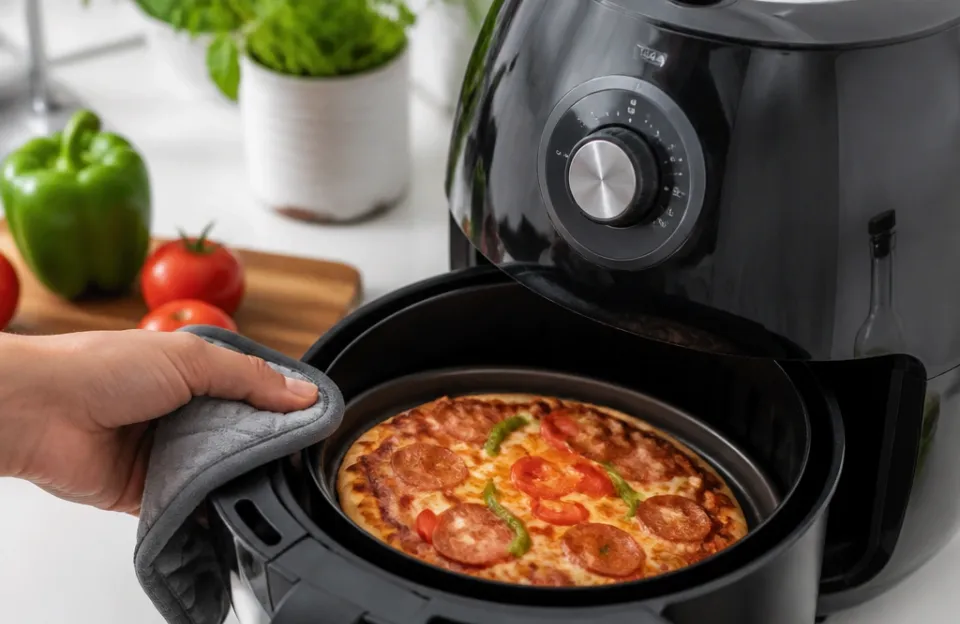
Tired of hovering over the oven, constantly opening the door and losing precious heat just to check if dinner’s ready? You’re not alone. Sticking with traditional thermometers means a lot of guesswork, and often, overcooked or undercooked results.
Knowing the precise internal temperature is key to food safety and deliciousness.
That’s where wireless thermometers come in. These gadgets offer a bridge between your cooking and your couch, letting you monitor temperatures from a distance. According to manufacturer specifications, many wireless meat thermometers offer a Bluetooth or Wi-Fi range of up to 100 feet, allowing you to step away while still keeping a close eye on your roast.
We’ve gathered the key advantages that make this kitchen tech a must-have.
Quick Answer
What are the benefits of using a wireless thermometer? Wireless thermometers offer convenience by letting you monitor cooking temperatures remotely. They ensure precise temperature control for better food quality and safety.
You get freedom to multitask without constant checks. Alerts notify you when food reaches its target temp.
Why a Wireless Thermometer Is a Game-Changer for Your Cooking
Traditional thermometers require you to be right there, hands-on, often tethered by a wire or needing manual checks every few minutes. This constant attention breaks your flow, especially when you’re hosting or juggling multiple dishes. A wireless thermometer liberates you from the kitchen.
The core idea is simple: a probe inserted into your food sends temperature data wirelessly to a base unit or, more commonly, directly to your smartphone via an app. This means you can be in the living room, backyard, or even the garage, and still see exactly what’s happening inside your smoker, oven, or grill. It’s about regaining control over your time without sacrificing culinary accuracy.
Less Hovering, More Living: Convenience and Flexibility
The biggest win with a wireless thermometer is the sheer convenience. Imagine placing your roast in the oven, setting your target temperature on the app, and then heading out to enjoy time with your guests or catch up on a show. You aren’t glued to the oven door anymore.
This flexibility means you can multitask more effectively. You can baste other dishes, set the table, or even step away to answer a call without the fear of your prize-winning brisket turning into charcoal. The peace of mind that comes with knowing you’ll be alerted as soon as your food is ready is priceless.
Precision Without the Guesswork: Better Food, Every Time
Food safety and quality often hinge on hitting specific internal temperatures. Underdone chicken can be dangerous, while an overcooked steak is a culinary tragedy. Wireless thermometers provide a consistent, accurate reading, often displayed graphically over time in their companion apps.
This detailed temperature history helps you understand your cooking process better and replicate success. Many models come with pre-set programs for common meats like chicken, pork, or beef, taking the guesswork out of selecting the right temperature for juicy results. You’re not just cooking; you’re engineering deliciousness.
Safety First: Cooking to the Right Temperature
According to the U.S. Department of Agriculture (USDA) Food Safety and Inspection Service, using a food thermometer is the only reliable way to ensure meat is cooked to a safe internal temperature. For instance, ground meats should reach 160°F (71°C) to kill harmful bacteria.
Poultry needs to hit 165°F (74°C).
A wireless thermometer makes achieving these safe temperatures much easier and more precise. You get real-time alerts when food reaches its designated safety or doneness temperature, significantly reducing the risk of undercooking. This proactive approach to food safety is a critical benefit for any home cook.
How Wireless Thermometers Actually Work
At its heart, a wireless thermometer system consists of two main parts: a temperature probe and a receiver, usually your smartphone. The probe, typically made of stainless steel, contains a sensor that measures the heat of the food. This probe is connected to a transmitter.
That transmitter broadcasts the temperature data using short-range wireless technology like Bluetooth or longer-range Wi-Fi. The receiver unit, or your smartphone running a dedicated app, picks up this signal. The app then displays the current temperature, often alongside historical data and customizable alerts.
The Tech Behind the Scenes: Connectivity and Apps
Wireless connectivity is what sets these gadgets apart. Bluetooth models are great for grilling or smoking in your backyard, offering a solid connection within a typical patio range. Wi-Fi models, on the other hand, can offer extended range, allowing you to monitor your oven from anywhere in the house, or even while you’re out running errands, provided your home Wi-Fi reaches that far.
The companion apps are where the magic happens. They aren’t just passive readers; they often allow you to:
- Set custom temperature alarms.
- Choose from pre-programmed meat types and desired doneness levels.
- Track temperature graphs over the entire cooking duration.
- Receive notifications on your phone when the food is ready or when the temperature deviates unexpectedly.
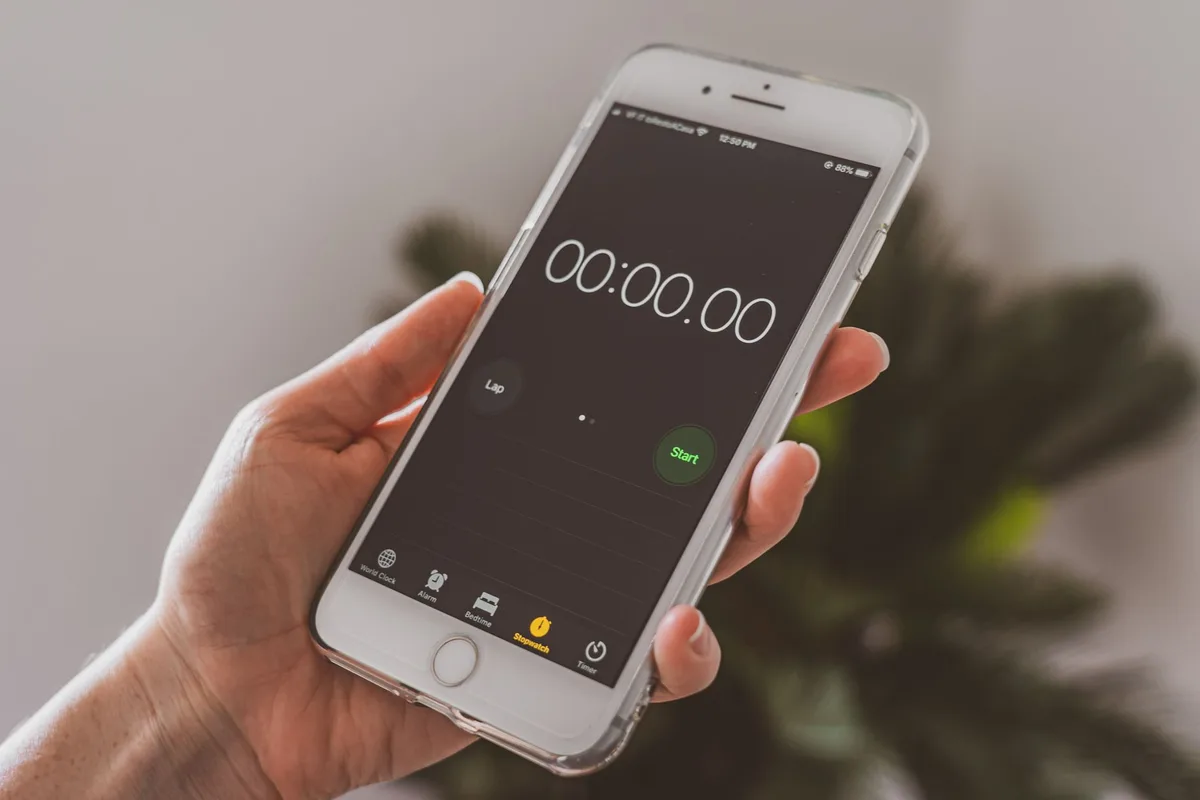
Image source: Pexels / Castorly Stock (Pexels License)
What to Expect: Key Features You’ll Use
Beyond the core wireless function, several features enhance the user experience. Look for probes made from durable, food-grade stainless steel that can withstand high temperatures and are easy to clean. A wide temperature range ensures versatility for everything from delicate fish to slow-cooked roasts.
Audible alarms on the base unit or notifications on your phone are crucial for timely alerts. Some advanced models can even monitor multiple probes simultaneously, ideal for when you’re cooking a large meal with various items. Battery life is another important consideration; you want a device that won’t quit mid-cook.
Water resistance for probes and even the transmitter unit can also be a lifesaver during messy cooking sessions.
Putting It to Work: Real-World Use Cases
Wireless thermometers aren’t just for barbecue fanatics; they’re incredibly versatile tools for anyone who cooks. Their ability to provide remote, accurate temperature readings opens up a world of culinary possibilities and makes cooking far less stressful.
If you’re roasting a turkey for the holidays, smoking a brisket low and slow, or even just baking a cake, a wireless thermometer can be your best friend. Let’s dive into where they shine.
Perfect Roasts and Grills, Every Single Time
Ribeye steaks that are consistently medium-rare? Pulled pork tender and juicy? A perfectly cooked Thanksgiving turkey that isn’t dry?
This is the promise of wireless thermometers. By constantly monitoring the internal temperature, you can pull your meat off the heat at the exact moment it reaches its peak doneness.
This precision means no more undercooked chicken that raises safety concerns or overcooked steak that tastes like shoe leather. The remote monitoring feature is especially brilliant for outdoor cooking. You can keep an eye on your grill from the comfort of your patio chair, adjust heat as needed, and be alerted the second your burgers are ready, all without missing a moment of your backyard gathering.
Effortless Smoking and Oven Monitoring
Slow-cooked barbecue, like ribs or pulled pork, requires hours of consistent, low heat. Managing this often means hours spent babysitting the smoker. A wireless thermometer allows you to set a target temperature and walk away, confident that you’ll be notified if the grill temperature drops too low or spikes too high.
Similarly, for oven cooking, hot spots can be a common issue. A wireless probe helps you understand precisely how your oven is performing. By placing the probe in different areas, you can get a clearer picture of temperature consistency, leading to more evenly baked goods and roasted dishes.
Who Benefits Most From Wireless Thermometers?
- Grill Masters & BBQ Enthusiasts: For those who love spending time outdoors cooking, the ability to monitor from a distance without being tethered to the grill is a massive win.
- Home Cooks Juggling Tasks: If you’re often hosting or have a busy household, wireless thermometers free you up to manage other aspects of meal prep or family life.
- Beginner Cooks: The pre-set temperature programs and clear alerts can instill confidence and help newer chefs achieve restaurant-quality results from day one.
- Anyone Seeking Food Safety Assurance: Eliminating the guesswork around internal temperatures is a key benefit for ensuring food is cooked safely and deliciously.
Common Pitfalls and How to Avoid Them
While wireless thermometers are fantastic, like any tool, they have their quirks. Understanding potential issues can save you frustration and ensure your cooking goes smoothly.
When Connectivity Fails You
The most common frustration is a dropped signal. This usually happens when the distance between the probe’s transmitter and your receiver (smartphone/base) exceeds the device’s stated range, or when there are significant physical obstructions, like thick walls or metal appliances, in the way.
To avoid this:
- Know your device’s range: Bluetooth typically offers about 30-100 feet, while Wi-Fi can be much further, depending on your home network.
- Keep the receiver close: For Bluetooth, position your phone or base unit within optimal range.
- Minimize obstructions: Try to keep a clear line of sight between the probe and receiver whenever possible.
- Check battery levels: Low batteries in either the probe or receiver can sometimes cause connection issues.
Probe Placement Matters
Where you insert the probe is critical for accurate readings. It needs to go into the thickest part of the meat, away from bones, fat pockets, or the grill grate itself. Bone conducts heat differently than muscle tissue, and a probe touching a hot metal grate will give you a false reading, often indicating the food is done long before it actually is.
This is why manufacturer specifications, like probe length and material, are important. A longer probe allows for better placement in larger cuts of meat. Always aim for the center of the food mass.
Understanding Temperature Readings
Even with a wireless thermometer, it’s important to understand that temperatures can fluctuate. Food continues to cook after being removed from the heat source (carryover cooking), and temperatures can vary within the food itself. Many wireless thermometer apps offer features to account for this, such as suggesting a resting time after it hits a certain internal temperature.
Also, be aware of the thermometer’s accuracy specifications. While most consumer-grade devices are accurate within a few degrees Fahrenheit, absolute precision might vary. For critical food safety applications, cross-referencing with a secondary instant-read thermometer for a final check can offer extra assurance, especially as of 2026, when many devices are still improving their sensor technology.
Wireless vs. Wired: What’s the Real Difference?
The fundamental difference lies in convenience and freedom. Wired thermometers, while functional, keep you tethered. The thin wire connecting the probe to the oven-mounted unit or base means you can’t stray far from your cooking station.
This can be limiting if you’re monitoring multiple dishes or need to step away from the kitchen.
Wireless thermometers, using Bluetooth or Wi-Fi, eliminate this physical tether. They allow for remote monitoring via a smartphone app. This means you can be in another room and still receive alerts when your food is ready.
Some advanced wireless systems can also offer more sophisticated features like temperature graphing and longer-term data logging, which are typically absent on basic wired models.
Here’s a quick breakdown:
| Feature | Wired Thermometer | Wireless Thermometer |
|---|---|---|
| Connectivity | Physical wire | Bluetooth, Wi-Fi |
| Range | Limited by wire length | Varies (30-150+ ft for Bluetooth, whole house for Wi-Fi) |
| Monitoring | Requires proximity to unit | Remote via smartphone app |
| Alerts | Often audible alarms only | Audible alarms plus smartphone notifications |
| Data Features | Basic temp display, sometimes a timer | Temp graphs, pre-sets, historical data, multi-probe support |
| Convenience | Limited | High |
| Ideal Use Case | Simple oven monitoring when you’re nearby | Grilling, smoking, busy kitchens, remote monitoring |
Pro Tips for Maximizing Your Wireless Thermometer
To get the absolute most out of your wireless thermometer, a few best practices can make a big difference. First, always ensure your probes are clean before inserting them into food. This prevents cross-contamination and ensures a more accurate reading.
Post-cooking, clean probes thoroughly with soap and water.
Keep your device’s firmware and app updated. Manufacturers often release updates that improve connectivity, add new features, or fix bugs. This ensures you’re always getting the best performance from your gadget.
Finally, familiarize yourself with your thermometer’s specific operating manual, especially regarding battery care and optimal wireless range for your model.
Frequently Asked Questions About Wireless Thermometers
How long does setup take for a wireless thermometer?
Setup typically takes just a few minutes. You’ll usually need to pair the probe with your smartphone app via Bluetooth or Wi-Fi. This involves downloading the app, turning on the device, and following simple on-screen prompts.
Can I use a wireless thermometer for more than just meat?
Absolutely. While they’re popular for barbecue and roasts, you can use wireless probes for monitoring the internal temperature of baked goods like bread or cakes, or even for checking the temperature of liquids like candy or deep-frying oil. Just ensure the probe is rated for the specific temperature range you need.
How accurate are wireless thermometers?
Most reputable wireless thermometers are accurate within ±1.8°F (±1°C) of the actual temperature. This level of precision is more than sufficient for achieving safe and delicious results in home cooking. Always check the manufacturer’s specifications for their stated accuracy range.
What happens if I lose the Bluetooth or Wi-Fi signal?
If the signal is lost, your app will typically alert you to the disconnect. The probe will continue to take readings locally for a period, often storing them. Once the signal is re-established, the data should sync.
However, prolonged signal loss means you won’t have real-time monitoring, so it’s best to stay within range or check your device’s manual for its specific behavior.