Air fryer basket peeling is a common issue caused by the breakdown of the nonstick coating, usually from high heat exposure, abrasive cleaning tools, or normal wear over time. If you notice flakes coming off your air fryer basket, stop using it for direct food contact until you address the problem. You can either carefully remove the remaining loose coating, apply a food-safe repair solution, or replace the basket entirely.
This article covers why the coating fails, how to evaluate the damage, and what steps you can take to fix or prevent it. We will also look at when a peeling basket becomes a safety concern and how different repair methods compare.
Why the Nonstick Coating on Air Fryer Baskets Fails
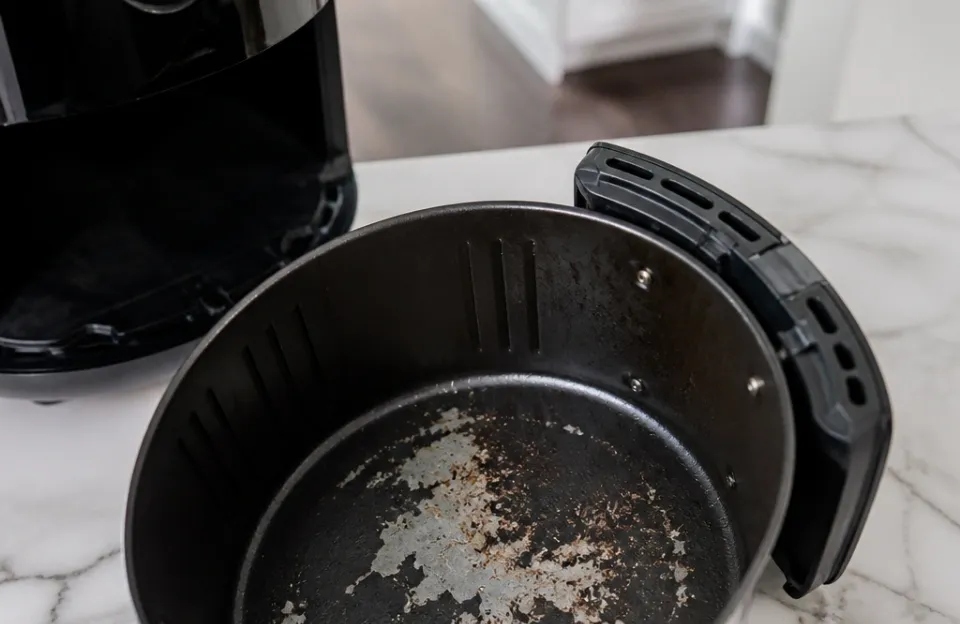
Most air fryer baskets use a polytetrafluoroethylene (PTFE) coating, commonly known by the brand name Teflon, or a ceramic-based nonstick layer. These coatings bond to the metal surface during manufacturing, but that bond weakens under specific conditions. High temperatures are the primary culprit.
While PTFE coatings are generally stable up to 500°F, many air fryers reach temperatures close to 400°F during preheating or extended cooking sessions. Repeated cycling between extreme heat and room temperature causes the metal underneath to expand and contract faster than the coating, eventually cracking the bond.
Physical abrasion accelerates this process. Using metal tongs, scraping baked-on grease with steel wool, or stacking heavy pots inside the basket scratches the surface. Once a scratch penetrates the top layer, moisture and oil seep underneath.
The trapped liquids create pressure when heated, lifting the surrounding coating away from the metal in small blisters that eventually pop and flake off.
Chemical reactions also play a role. Aerosol cooking sprays often contain propellants like soy lecithin or dimethyl silicone. These additives leave a sticky residue that builds up over time.
When you scrub that residue aggressively, you strip the coating along with it. Even harsh dishwashing detergents can degrade cheaper nonstick surfaces if the basket goes through the dishwasher repeatedly. According to the FDA's guidance on food contact surfaces, cookware coatings must meet specific safety standards, but those standards assume the coating remains intact and undamaged.
Heat stress and thermal expansion
Metal expands when heated. The nonstick coating expands too, but at a different rate. This mismatch creates microscopic stress fractures every time you run the appliance.
Over hundreds of cycles, those fractures connect. The coating loses its grip on the base metal and begins to curl at the edges. Baskets made from thinner gauge aluminum flex more than heavier stainless steel ones, making them slightly more prone to this type of failure.
Mechanical damage from utensils and cleaning
Scratching is the fastest way to ruin an air fryer basket. Metal spatulas used to flip food dig into the surface. Even rough sponges with abrasive green pads wear down the finish gradually.
A common mistake is soaking the hot basket in cold water immediately after cooking. The sudden temperature drop shocks the metal, causing the coating to separate much faster than gradual cooling would.
Chemical breakdown from aerosol sprays
Propellants in commercial cooking sprays bake onto the nonstick surface at high temperatures. They form a gummy layer that resists standard washing. People tend to scrub harder to remove this buildup, which destroys the coating underneath.
Pump-style oil sprayers filled with pure olive or avocado oil avoid this problem entirely because they lack chemical propellants.
Is It Safe to Cook With a Peeling Air Fryer Basket?
Safety depends on the type of coating and how much has detached. PTFE coatings manufactured after 2013 are free of perfluorooctanoic acid (PFOA), a chemical previously linked to health concerns. Ingesting small flakes of modern PTFE is generally considered inert, as the material passes through the digestive system without breaking down.
However, eating coating flakes mixed into your food is undesirable, and large pieces could pose a choking hazard for small children.
The bigger risk involves the exposed metal underneath. Most air fryer baskets are made of aluminum or carbon steel. Bare aluminum reacts with acidic foods like tomatoes, citrus marinades, or vinegar-based sauces.
This reaction can leach metallic flavors into your meal and cause localized pitting in the basket. Exposed carbon steel rusts quickly when it contacts moisture, introducing iron oxide into your food.
If only a tiny spot near the edge is chipping, you might continue using the basket while monitoring the area. If large patches are lifting across the cooking surface, especially where food sits directly, you should stop using it. You can find plenty of ways to prepare great meals, like batch cooking chicken wings or roasting vegetables, but doing so requires a safe, intact cooking surface.
| Safety Factor | Intact Coating | Minor Edge Peeling | Widespread Flaking |
|---|---|---|---|
| Food Contamination Risk | None | Very low | Moderate to high |
| Metal Leaching Potential | None | Low (if avoiding acids) | High |
| Rust Formation | None | Unlikely | Likely on steel baskets |
| Recommended Action | Continue normal use | Monitor closely | Stop using, repair, or replace |
How to Fix Air Fryer Basket Peeling
You have three main paths when dealing with a damaged basket: removing the rest of the coating, applying a new one, or replacing the part. The right choice depends on how far gone the basket is and what model you own. Before attempting any repair, unplug the machine and let the basket cool completely.
Strip the remaining coating completely
If the basket is peeling badly, leaving half the coating intact creates uneven cooking surfaces. Food sticks to the bare spots while sliding around on the coated areas. Removing everything leaves you with a bare metal basket.
- Apply a heavy-duty paint stripper formulated for cookware, or use a heat gun to soften the existing PTFE layer. Do this outdoors with proper ventilation.
- Once the coating bubbles, scrape it off using a plastic putty knife. Avoid metal scrapers, as they gouge the underlying aluminum or steel.
- Sand the surface lightly with fine-grit sandpaper (around 400 grit) to smooth out any residual adhesive or uneven spots.
- Wash the basket thoroughly with warm water and dish soap to remove all chemical residue. Dry it completely.
- Season the bare metal basket the same way you would treat cast iron. Coat it lightly with a high-smoke-point oil like avocado or refined coconut oil, then run the air fryer at 375°F for 15 minutes. Repeat this two or three times to build a natural nonstick patina.
This method works well for older machines where replacement parts are unavailable. Keep in mind that a stripped and seasoned basket requires more maintenance. You will need to re-season it periodically, especially after cooking acidic ingredients or washing it with strong detergents.
Apply a food-safe nonstick repair spray
Several companies sell high-temperature ceramic or PTFE repair sprays designed for cookware. These products coat the damaged areas and cure under heat.
- Clean the basket thoroughly. Remove all grease, food particles, and loose flakes. Use a soft brush and mild soap. Rinse and dry completely.
- Lightly scuff the entire surface with a Scotch-Brite pad. This gives the new spray something to grip. Wipe away the dust with a damp cloth.
- Shake the repair spray can vigorously. Hold it about eight inches from the basket and apply thin, even coats. Do not try to cover everything in one thick pass, as it will drip and pool in the mesh holes.
- Let the spray dry according to the manufacturer's instructions, usually 30 to 60 minutes.
- Cure the coating by placing the basket in the air fryer. Run it empty at a low temperature (around 300°F) for 20 minutes, then increase to 400°F for another 20 minutes. Open windows for ventilation during curing.
Repair sprays extend the life of a basket, but they rarely match the durability of the original factory coating. Expect to reapply them every few months depending on how often you cook. Always verify that the specific product you buy carries a food-safe certification once cured.
Order a replacement basket from the manufacturer
Replacing the basket is the most reliable fix. Most major brands sell replacement baskets and crisper plates separately. Check the model number stamped on the bottom or back of your air fryer unit.
Search the manufacturer's website or authorized parts distributors for that exact number.
Replacement baskets typically cost between $15 and $40, depending on the size and brand. Models like the Ninja AF101 air fryer or the Cuisinart air fryer line have widely available spare parts. Larger or multi-function units, such as the Chefman Crispinator 8-quart model, may have slightly higher part costs due to their size.
If your machine is still under warranty, contact customer support before buying anything. Many manufacturers will ship a new basket free of charge if the peeling occurred within the warranty window and wasn't caused by obvious misuse.
When installing the new basket, wash it gently by hand first to remove any factory dust. Avoid putting it straight into the dishwasher, as the initial high-heat cycle can sometimes stress a fresh coating.
Preventing the Coating From Flaking Again
Fixing the current problem only matters if you change the habits that caused it. Protecting a nonstick surface, whether factory-applied, repaired, or newly purchased, requires consistent care. Understanding how long these appliances last helps set realistic expectations for the lifespan of typical air fryers and their components.
Always let the basket cool down naturally before washing it. Plunging a 400°F basket into tap water causes immediate thermal shock. Wait at least 30 minutes after cooking.
Wash it by hand using a soft sponge or microfiber cloth. Mild dish soap is sufficient. Avoid the dishwasher entirely, even if the manual claims the parts are dishwasher safe.
The combination of prolonged high heat and caustic detergent pods strips coatings prematurely.
Use silicone-tipped tongs or wooden spatulas when turning food. Metal forks and knives act as chisels against the nonstick layer. If you need to shake the basket to toss fries or vegetables, hold the handle firmly and use a wrist motion rather than scraping the bottom with a tool.
Getting the timing right when you cook potatoes in the air fryer means less poking and prodding, which protects the surface.
Ditch aerosol cooking sprays. Buy a reusable pump mister and fill it with your preferred cooking oil. A light mist is all you need.
Heavy oils aren't always necessary either; knowing how crispy chicken wings get without excessive added fat can save your basket from unnecessary grease buildup. If grease does accumulate, soak the basket in warm, soapy water for ten minutes to loosen it, then wipe it away gently. Never attack stuck-on food with abrasive pads.
Store the basket properly. Don't stack other heavy kitchen items inside it. If you have multiple trays or racks, place a paper towel or soft cloth between them to prevent friction during storage.
When Repair Efforts Fall Short
Sometimes a basket is beyond saving. If the underlying metal has warped, bent, or developed deep rust pits, no amount of coating repair will make it functional again. Warped baskets don't sit flat inside the heating chamber, which disrupts airflow and leads to uneven cooking.
Rust compromises the structural integrity of the wire mesh or solid base.
Another edge case involves older air fryers manufactured before PFOA was phased out of nonstick production. If you own a very early model and the coating is actively degrading, stripping and seasoning it might not be worth the effort compared to upgrading the entire unit. Modern air fryers, including sleek options like the glass-basket Ninja Crispi, use improved ceramic or PTFE formulations that resist peeling much longer than first-generation models.
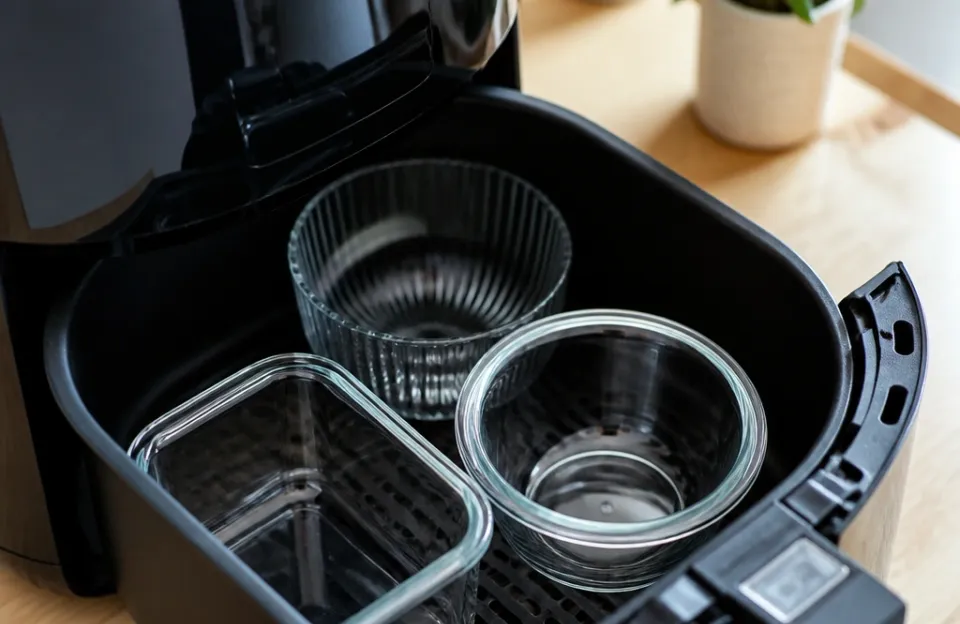
Glass baskets eliminate the peeling issue entirely, though they require careful handling to avoid shattering.
Also consider the cost-benefit ratio. If a replacement basket costs $35 and a new entry-level air fryer costs $60, repairing the old basket with aftermarket sprays might be throwing good money after bad. Evaluate the condition of the heating element and fan motor as well.
If the whole machine is failing, a fresh basket won't solve your problems.
Frequently asked questions
Can I just eat the food if a few flakes mix in?
Small amounts of modern, PFOA-free PTFE are chemically inert and pass through the body without being absorbed. However, intentionally consuming coating flakes is never recommended. If you notice significant peeling during a meal, discard the affected portion and address the basket before cooking again.
Does parchment paper protect a peeling basket?
Perforated parchment liners placed at the bottom of the basket create a barrier between the food and the damaged coating. This prevents flakes from sticking to your meal and reduces direct friction. You still need to ensure the paper doesn't fly up into the heating element, so always weigh it down with food before turning the machine on.
Will high-heat cooking speed up the peeling process?
Yes. Consistently running your air fryer at 400°F or higher puts maximum thermal stress on the nonstick bond. Lowering your cooking temperature by 25 degrees and adding a minute or two to the cook time significantly extends the life of the coating.
For example, when you warm up leftover pizza slices, a slightly lower temperature yields the same crispness without punishing the basket.
Are ceramic-coated baskets less likely to peel?
Ceramic coatings are generally harder and more resistant to scratching than traditional PTFE. They also withstand slightly higher temperatures before degrading. However, ceramic coatings can still chip if struck hard with metal utensils or subjected to rapid temperature changes.
They tend to lose their nonstick properties gradually rather than flaking off in large sheets.
Can I use my air fryer without any coating at all?
You can use a bare stainless steel or stripped aluminum basket, but food will stick heavily unless you manage the surface correctly. You must rely on adequate oil, proper preheating, and seasoning techniques to create a temporary nonstick effect. Cooking delicate items like battered fish or eggs in a bare basket usually results in a mess.
Do warranties cover peeling nonstick coatings?
Most manufacturers classify normal wear and tear of nonstick coatings as an excluded item after the first 90 days. However, if the coating begins peeling prematurely within the first year and you haven't used metal utensils or aerosol sprays, customer service will often issue a replacement basket under warranty. Keep your receipt and register the product immediately after purchase.
Keeping Your Air Fryer Running Safely
Dealing with air fryer basket peeling comes down to catching it early and choosing the right response. Minor edge chips can be monitored, while widespread flaking demands action. Whether you strip the basket, apply a ceramic repair spray, or order a direct replacement, the goal is maintaining a safe cooking surface free of loose debris and exposed reactive metals.
Adjusting your daily habits makes the biggest difference. Ditching aerosol sprays, washing by hand, and letting the basket cool naturally prevent the vast majority of coating failures. If you stay on top of maintenance, a quality air fryer basket should handle years of daily cooking without falling apart.
And if yours does fail prematurely, you now know exactly how to handle it without compromising your next meal.