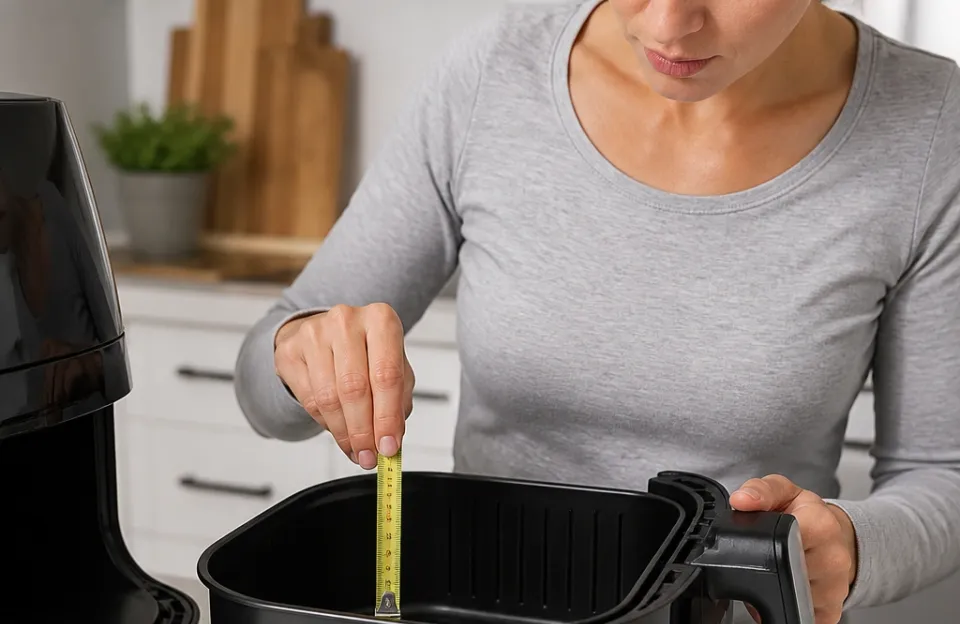
White smoke from an air fryer usually means oil or grease is burning on the heating element. It happens fast, smells sharp, and can set off your kitchen smoke alarm in seconds. The good news is that white smoke from an air fryer rarely points to a broken machine.
Most of the time, you can fix it with a quick cleanup or a small change in how you cook.
This guide covers exactly why the smoke starts, how to stop it mid-cook, and what habits keep it from coming back. We will look at fatty foods, leftover grease, cooking sprays, and a few mechanical issues that need attention.
Why Grease Hits the Heating Coil
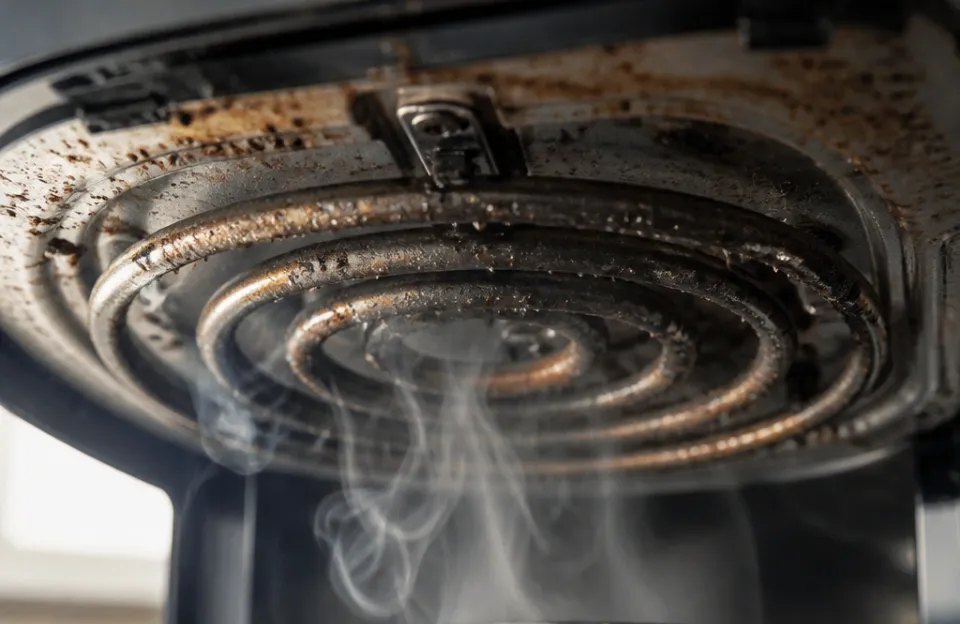
An air fryer works by pushing hot air around food at high speed. A heating coil sits near the top of the unit, right above a fan. When fat drips off your food, it falls to the bottom of the basket.
But if the fan is spinning fast enough, or if the food is close to the top, tiny grease droplets can splatter upward. They land directly on the exposed heating coil.
When oil hits a surface that is 400 degrees Fahrenheit, it vaporizes instantly. That vapor turns into thick white smoke. This is the most common reason people see white smoke from an air fryer during dinner prep.
Foods with a lot of natural fat cause this more often. Bacon, chicken thighs, and sausages release liquid grease as they cook. If you are cooking bacon until crisp, expect some fat to render out quickly.
That rendered fat has nowhere to go except the bottom pan, and the fan can whip it around.
The Smoke Point Problem
Every cooking oil has a smoke point. This is the temperature where the oil stops shimmering and starts breaking down into visible gas. Refined avocado oil handles heat well, usually up to 520 degrees Fahrenheit.
Extra virgin olive oil breaks down much faster, often smoking around 350 to 375 degrees Fahrenheit.
If you toss vegetables in extra virgin olive oil and set your machine to 400 degrees, the oil will burn before the food finishes cooking. The result is a cloud of white smoke. Matching your oil to the cooking temperature prevents this entirely.
Pick refined oils for high heat. Save unrefined oils for finishing dishes after the cooking stops.
Burnt Crumbs and Old Residue
Grease is not the only culprit. Tiny bits of breading, flour, or marinade fall through the basket holes during cooking. They land in the drip pan below.
If you do not empty and wash that pan between uses, those crumbs bake onto the metal. Over a few days, they turn black.
The next time you run the machine, the heating element warms up that old carbon. It smolders and produces white or grayish smoke. This type of smoke usually smells acrid, almost like burnt toast.
Cleaning the basket and the outer pan after every single use stops this buildup.
White Smoke From an Air Fryer: Causes and Fixes You Can Try Right Now
Seeing smoke while dinner is halfway done is stressful. You do not have to throw the food away or unplug the machine immediately unless flames appear. There are a few steps you can take right then to calm things down.
First, pull the basket out slightly. This pauses the fan on most models. Look inside.
If you see a pool of liquid grease at the bottom, that is your problem. Carefully pour off the excess fat into a heat-safe bowl. Do not dump hot grease down the sink drain, as it solidifies and clogs pipes.
Next, slide the basket back in and lower the temperature by 25 to 50 degrees. Dropping the heat slows down the rate at which the remaining fat vaporizes. It gives you time to finish cooking without filling the room with smoke.
You can also add a small amount of water to the bottom drawer. Pour about two tablespoons of water into the outer pan, underneath the crisper basket. The water catches falling grease drops and cools them before they can smoke.
This trick works well when you are prepping wings for the week and rendering a lot of skin fat at once.
| Cause of Smoke | Visual Clue | Immediate Fix |
|---|---|---|
| Excess animal fat | Pooling liquid at the pan bottom | Pour off grease mid-cook |
| Low smoke point oil | Thin wisps starting early | Lower temp by 50 degrees |
| Old food residue | Dark baked-on spots on pan | Scrub pan, add water to base |
| Aerosol spray buildup | Sticky film on basket mesh | Wash with warm soapy water |
Fatty Foods That Trigger the Most Smoke
Some ingredients naturally create more trouble than others. Knowing which foods cause white smoke from an air fryer helps you plan ahead.
Chicken wings are a prime example. The skin holds a thick layer of subcutaneous fat. As the skin crisps up, that fat melts and drips.
If you pack too many wings into the basket, the dripping fat pools faster than it can drain. Spacing the pieces out allows air to circulate better and reduces heavy splattering. Getting the skin perfectly blistered requires high heat, which makes managing that rendered fat even more important.
Pork belly and thick-cut bacon behave the same way. Sausages with natural casings often split open, releasing juices and fat directly into the airflow. Even heavily marbled steaks can drip enough tallow to cause a problem.
When cooking these items, check the drip pan halfway through the cycle. Pull the basket out and inspect the bottom. If there is more than a thin coating of oil, pour it off.
It takes ten seconds and saves you from setting off the smoke detector.
How Breading Changes the Equation
Wet batters do not work well in air fryers because the fan blows the liquid around before it sets. Dry breadings, like panko or seasoned flour, work better. However, loose flour dust gets pulled into the airstream.
It sticks to the heating coil and burns.
If you coat food in flour, shake off every bit of excess before placing it in the basket. Press the breading firmly into the meat so it stays put. Lightly misting the breaded food with oil helps the coating adhere and prevents dry flour from flying up into the element.
The Cooking Spray Mistake
Aerosol cooking sprays are convenient, but they cause long-term problems for air fryers. Commercial sprays contain propellants and emulsifiers, like soy lecithin. These additives do not burn off cleanly.
Instead, they leave a sticky, invisible residue on the non-stick coating of the basket.
Over weeks of use, this residue builds up. It becomes a gummy layer that traps food particles and grease. When the machine heats up, that trapped layer smokes continuously.
Many manufacturers explicitly warn against using aerosol sprays for this exact reason.
Buy a simple pump-action oil mister instead. Fill it with plain vegetable or canola oil. Pump sprays deliver pure oil without chemical propellants.
They protect the non-stick surface and prevent the sticky buildup that leads to chronic smoking. If you already have a sticky basket, soak it in hot water and dish soap for twenty minutes, then scrub gently with a nylon brush. Avoid steel wool, which strips the factory coating.
Mechanical Problems That Produce White Smoke
Sometimes the smoke does not come from the food at all. If your basket is completely clean, you used no oil, and the machine still smokes, you might have a hardware issue.
A failing fan motor can overheat. Electric motors have internal windings coated in insulation. When a motor struggles or seizes, the electrical resistance generates excessive heat.
That heat melts the plastic insulation, producing distinct white smoke that smells like burning chemicals or melting plastic. If you notice this smell, unplug the machine immediately. Do not try to cook with it again.
Damaged power cords or loose internal wiring can also short out. A short circuit creates sparks and localized melting. This is a fire hazard.
Inspect the power cord regularly for fraying or exposed wires. Keep the cord away from the hot exterior of the unit during operation.
If you suspect a mechanical failure, contact the manufacturer. Opening the housing voids most warranties and exposes you to high-voltage components. For context on how these appliances are built, understanding how long these machines have evolved shows that modern safety shutoffs are standard, but older or budget units might lack thermal protection.
Cleaning the Element Without Breaking It
Most people wash the basket and the pan after every meal. Very few people clean the heating element itself. Yet grease splatters upward constantly.
Over months, the coil develops a brown, baked-on film.
Unplug the machine and let it cool completely. Turn it upside down so you can see the heating coil clearly. Take a damp cloth or a soft sponge and wipe the coil gently.
Do not use abrasive pads. Do not bend the metal tubing. You want to lift off the grease film without scratching the surface.
For stubborn spots, make a paste of baking soda and water. Apply it to the greasy area with a soft brush. Let it sit for ten minutes, then wipe it away with a damp cloth.
Make sure no moisture remains before you plug the unit back in. Doing this deep clean once a month stops residual grease from smoking during your next preheating cycle.
Regular maintenance applies to any model you own. Whether you use a compact countertop cooker or a larger multi-function oven, the heating element needs occasional wiping. Always consult your specific user manual first. Standard appliance safety guidelines recommend unplugging any device before cleaning internal components to avoid electrical shock.
Preventing Smoke Before You Start Cooking
Stopping white smoke from an air fryer starts before you press the power button. Preparation dictates how much mess the machine makes.
Pat your proteins dry with paper towels. Moisture on the surface of meat turns to steam, which pushes oil outward and causes violent splattering. A dry surface browns faster and releases fat more steadily.
This applies whether you are roasting vegetables or getting salmon to flake properly. Less splatter means less grease hitting the top coil.
Do not overcrowd the basket. Air fryers rely on rapid circulation. If you stack potato wedges three layers deep, the air cannot flow.
The food steams instead of roasting, and the trapped moisture forces grease out unpredictably. Cook in batches if you have a lot of food. Single layers yield crispy results and keep grease contained.
Use the right temperature. Just because a machine reaches 400 degrees does not mean every recipe needs that setting. High heat renders fat violently.
Moderate heat, around 360 to 375 degrees, cooks food evenly while giving the fat time to drain calmly into the bottom pan.
Finally, always start with a clean machine. Check the drip pan before loading food. Run your finger along the bottom.
If it feels gritty or greasy, wash it first. Taking thirty seconds to verify cleanliness prevents five minutes of panic when smoke starts billowing out of the vents.
Frequently asked questions
Is white smoke from an air fryer dangerous?
White smoke caused by burning oil or grease is generally not toxic, though it irritates eyes and lungs. Open a window or turn on your stove vent hood to clear the room. However, if the smoke smells like melting plastic or electrical burning, unplug the machine immediately.
Chemical smoke indicates a motor or wiring failure and poses a real fire risk.
Why does my air fryer smoke every time I cook bacon?
Bacon contains a high ratio of fat to lean meat. As it cooks, large amounts of liquid grease render out rapidly. The powerful fan blows droplets of this hot grease up onto the heating element, causing instant smoke.
To fix this, place a small amount of water in the bottom drawer beneath the basket, or pause halfway through to pour off the accumulated fat.
Can I use parchment paper to stop the smoke?
Perforated parchment liners catch crumbs and reduce direct splatter, but they do not stop grease from rendering. Liquid fat flows through the perforations and pools at the bottom anyway. Parchment helps keep the basket clean, but you still need to manage the grease pooling in the outer drawer.
Never use parchment during preheating without food weighing it down, as the fan will blow it into the heating coil and start a fire.
Does the type of oil really matter that much?
Yes. Oils with low smoke points break down into visible smoke at standard air frying temperatures. Butter, unrefined coconut oil, and extra virgin olive oil burn quickly at 400 degrees.
Switch to refined avocado oil, peanut oil, or light olive oil for high-heat recipes. The difference in smoke production is immediate and obvious.
My air fryer smokes even when it is empty. What is wrong?
If the machine smokes during preheating with nothing inside, the heating element has heavy grease buildup from previous meals. Unplug the cooled unit, flip it over, and wipe the coil with a damp cloth and mild dish soap. If cleaning does not stop the empty-basket smoking, the internal wiring or motor insulation may be degrading, requiring professional repair or replacement.
Keeping Your Kitchen Clear
Dealing with white smoke from an air fryer comes down to managing grease and heat. Wipe the heating element regularly. Choose oils that handle high temperatures.
Empty the drip pan when cooking fatty meats. These small habits keep the air clear and the food tasting right. A clean machine runs cooler, lasts longer, and avoids triggering the smoke alarm in the middle of dinner.