Ceramic air fryers use a silica-based coating free of PTFE and PFOA, while nonstick air fryers rely on traditional synthetic coatings like Teflon to prevent food from sticking. If you want a coating without synthetic chemicals and don't mind gentler cleaning, ceramic is the better fit. If you prioritize maximum food release and easier daily maintenance, a standard nonstick basket works best.
The choice between ceramic vs nonstick air fryers comes down to what matters more in your kitchen: chemical composition or everyday convenience.
This breakdown covers how each coating is made, how long they last under high heat, how they handle different foods, and what kind of upkeep each one demands. You'll also find a side-by-side table and specific situations where one clearly outperforms the other.
How Ceramic and Nonstick Coatings Are Actually Made
The biggest difference between these two basket types starts at the molecular level. Traditional nonstick air fryers use a synthetic polymer called polytetrafluoroethylene (PTFE). Brands often market this as Teflon, which is just a trademarked name for the same chemical.
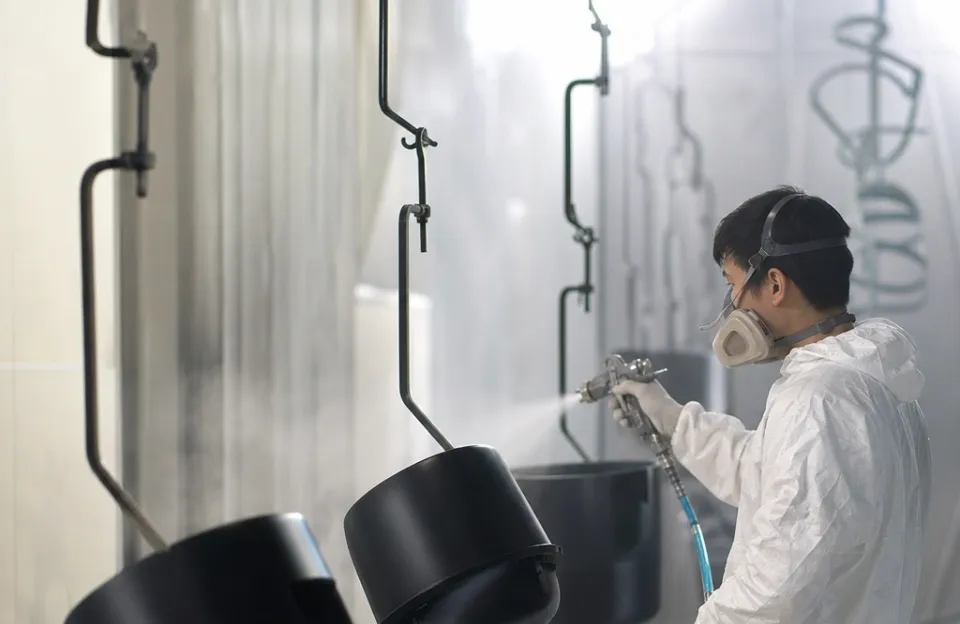
Manufacturers spray liquid PTFE onto the metal basket and cure it at high temperatures to create a slick, frictionless surface. Older versions of this process used perfluorooctanoic acid (PFOA) as a processing aid. Due to health concerns, the FDA and manufacturers phased out PFOA years ago, so modern PTFE coatings are PFOA-free.
Still, the base material remains a synthetic plastic polymer.
Ceramic coatings take a completely different route. They start with a sol-gel solution derived from silica, which is essentially sand. This inorganic mixture gets sprayed onto the metal basket and baked to form a hard, glass-like layer.
Because the base material is mineral rather than plastic, ceramic coatings contain no PTFE and no PFOA. This distinction is exactly why many shoppers start comparing ceramic vs nonstick air fryers in the first place. They want an inorganic cooking surface.
Both coatings achieve the same immediate goal. They stop chicken skin and melted cheese from bonding permanently to the wire rack or solid pan. The chemistry getting them there, though, dictates how they age, how hot they can safely get, and how you have to wash them.
Understanding this foundation makes the rest of the tradeoffs much easier to weigh.
Heat Limits and Cooking Performance
Air frying relies on intense, circulating heat. Most recipes call for temperatures between 350°F and 400°F, especially when you're trying to get potatoes perfectly crisp in the basket. Both coatings handle this normal operating range without any issues.
The gap appears when you push the temperature higher or leave the machine running empty.
PTFE coatings remain stable up to about 500°F. Beyond that threshold, the synthetic polymer begins to break down and release fumes. You rarely hit 500°F during normal cooking, but preheating an empty basket on the highest setting for too long can cause the internal temperature to spike past safe limits.
Ceramic coatings tolerate much higher heat. Silica-based layers stay stable well past 500°F, often up to 800°F depending on the specific manufacturing process. You will never accidentally overheat a ceramic basket during normal meal prep.
This thermal stability gives ceramic a clear advantage if you frequently cook at maximum temperatures or worry about leaving the appliance on by mistake.
In terms of actual cooking results, both surfaces allow hot air to circulate freely. A traditional nonstick basket might give you slightly better browning on delicate items because the ultra-slick surface prevents any micro-sticking that could tear the crust. If you're making quick weeknight wings, a PTFE coating lets the skin release instantly when you shake the basket.
Ceramic performs very well here too, though extremely sticky glazes might bond slightly more to the silica surface than they would to PTFE.
Durability and Expected Lifespan
Longevity is where the comparison gets interesting. Traditional nonstick coatings are incredibly slick right out of the box. That slickness degrades over time.
The polymer surface scratches relatively easily, even if you only use silicone tools. Repeated heating and cooling cycles cause the PTFE to expand and contract at a different rate than the metal underneath. After one to three years of regular use, you will likely notice food starting to stick in spots.
Once that degradation begins, it spreads quickly across the basket floor.
Ceramic coatings start off slightly less slippery than fresh PTFE. Their advantage lies in hardness. The baked silica layer resists scratching much better than soft polymers.
You still shouldn't use metal forks or knives inside the basket, but accidental scrapes from silicone tongs won't gouge a ceramic surface the way they ruin a Teflon one.
The tradeoff involves how ceramic ages. Instead of peeling or flaking, ceramic coatings tend to lose their nonstick properties gradually. Oils and fats bake into the microscopic pores of the silica over hundreds of uses.
Eventually, the surface feels rougher, and food begins to cling. Depending on how often you cook and how well you clean the basket, a ceramic coating typically lasts two to five years before losing its effectiveness.
If you buy a larger model, like a high-capacity multi-function unit, you're putting more surface area through those heating cycles. Proper care becomes even more important to stretch the lifespan of either coating type. Neither coating lasts forever.
PTFE fails faster from physical damage, while ceramic fails slower from oil buildup.
Cleaning and Daily Upkeep
Washing the basket after dinner is a chore nobody enjoys. The coating type changes how you approach it.
Nonstick PTFE baskets wipe clean with minimal effort. Because the surface is so slick, grease and burnt-on bits usually rinse away under warm water with a drop of dish soap. You must use soft sponges or microfiber cloths.
Abrasive scrubbers destroy the polymer layer immediately. The upside is that you rarely need to scrub hard anyway.
Ceramic baskets require a bit more attention. Fresh spills wipe away easily. Baked-on grease tells a different story.
Because the silica surface has microscopic texture, carbonized food bonds to it more stubbornly than it does to PTFE. If you roast something fatty, like a batch of thick-cut bacon, the rendered fat can polymerize onto the ceramic walls if left to cool completely before washing.
To keep a ceramic basket in good shape, soak it in warm soapy water shortly after cooking. Let the moisture loosen the grease before wiping it away. Avoid harsh degreasers or oven cleaners, as strong alkaline chemicals can etch the sol-gel surface.
For stubborn spots, a paste of baking soda and water left to sit for fifteen minutes lifts residue without scratching.
Dishwasher safety varies by manufacturer for both types. Many brands claim their baskets are dishwasher safe. The high heat and harsh detergents inside a dishwasher accelerate wear on both PTFE and ceramic.
Hand washing extends the life of either basket significantly.
| Attribute | Ceramic Coating | Nonstick (PTFE) Coating |
|---|---|---|
| Base Material | Inorganic silica (sand-derived) | Synthetic polymer (plastic-based) |
| Chemical Makeup | Free of PTFE and PFOA | Contains PTFE, PFOA-free |
| Max Safe Temperature | Up to 800°F | Up to 500°F |
| Initial Slickness | Very good | Excellent |
| Scratch Resistance | High | Low |
| Primary Failure Mode | Gradual oil buildup and pore clogging | Peeling, flaking, and scratching |
| Typical Lifespan | 2 to 5 years | 1 to 3 years |
| Cleaning Effort | Moderate; requires soaking for grease | Low; wipes clean easily |
| Utensil Restrictions | Silicone, wood, or nylon recommended | Silicone, wood, or nylon mandatory |
Health and Chemical Concerns
Health considerations drive most searches for ceramic vs nonstick air fryers. People want to know if their food is safe.
Traditional PTFE coatings are considered safe for cooking under normal conditions. The concern arises when the coating overheats. Above 500°F, PTFE decomposes and releases toxic fumes that cause flu-like symptoms in humans, a condition known as polymer fume fever.
These fumes are highly lethal to pet birds. As long as you don't run an empty air fryer on maximum heat for extended periods, the coating stays stable. The phase-out of PFOA removed the primary long-term chemical exposure risk associated with older nonstick pans.
You can read more about chemical safety standards for cookware directly through the FDA's guidance on food contact substances.
Ceramic coatings eliminate the overheating risk entirely. Since silica doesn't break down into toxic gas at cooking temperatures, you don't have to worry about leaving the appliance on too long. There is no polymer fume fever risk.
Some consumers prefer this peace of mind, especially in homes with birds or poor ventilation.
One detail worth noting is that "ceramic" in cookware refers to the sol-gel coating, not solid clay pottery. The coating is thin. If it chips, you expose the bare metal underneath, usually aluminum or steel.
Neither exposed metal nor chipped ceramic poses the same inhalation risk as burning PTFE, but a heavily chipped basket should be replaced for hygiene reasons.
How Each Coating Handles Different Foods
Not all meals interact with the basket the same way. The food you cook most often should influence which coating you choose.
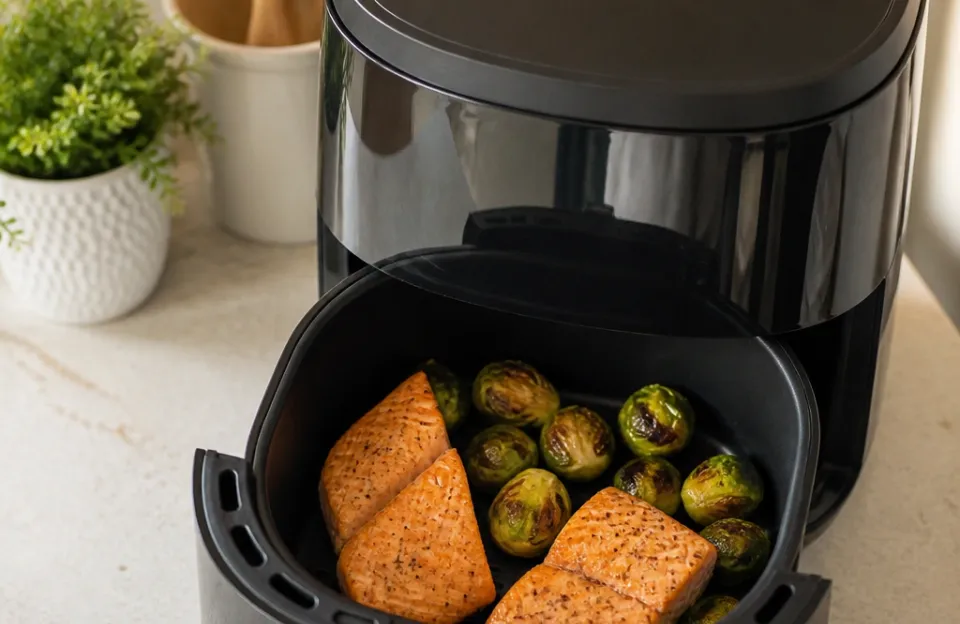
Dry, starchy foods perform well in both. Roasting vegetables or reheating fries yields similar results regardless of the surface. When you cook something delicate, like a fillet of salmon, the superior initial slickness of PTFE helps the fragile skin release without tearing.
Fish proteins bond aggressively to heated metal. A fresh ceramic coating handles fish fine, but as the ceramic ages and loses some slip, delicate proteins might stick slightly more than they would on Teflon.
Wet batters are a problem for both. Air fryers aren't deep fryers. Wet batter drips through the basket holes before it sets, creating a mess on the heating element below.
If you use a light dredge, like when you coat wings in flour for extra crunch, both coatings handle it. PTFE lets the flour dust release easier when you flip the meat halfway through. Ceramic might hold onto dry starches a bit more stubbornly if you don't use a light spray of oil first.
Sugary marinades and glazes present the biggest challenge. Sugar melts, caramelizes, and then carbonizes into a cement-like shell. On PTFE, burnt sugar can actually pull the coating off the metal when you try to scrape it away.
On ceramic, burnt sugar fills the microscopic pores and ruins the nonstick property in that specific spot. If you frequently cook teriyaki, barbecue sauce, or honey-glazed items, you'll need to line the basket with parchment paper regardless of which coating you own.
Does the Appliance Design Matter More Than the Basket?
Shoppers often focus entirely on the basket coating and ignore the machine itself. The heating element placement, fan speed, and overall build quality affect your cooking more than the nonstick surface does. A poorly designed air fryer with a premium ceramic basket will still cook unevenly.
Some models use a solid crisper plate instead of a wire mesh basket. Solid plates collect grease underneath the food, which changes how the coating interacts with fat. Wire baskets let fat drip away, keeping the cooking surface drier.
If you're evaluating a specific brand, look at how the basket is shaped before deciding if the coating type fits your cooking style. We've broken down the mechanics of how these appliances evolved over the years, which explains why basket designs vary so wildly between manufacturers today.
You can also find machines built with alternative materials. Some units use glass cooking chambers instead of coated metal baskets entirely. Glass avoids the coating debate altogether, though it comes with its own weight and fragility tradeoffs.
Knowing your options beyond just ceramic and PTFE helps you pick the right tool for your counter space.
Which One Fits Your Kitchen Routine
Choosing between the two comes down to your habits, priorities, and what annoys you most in the kitchen.
Pick a ceramic air fryer if avoiding synthetic polymers is your top priority. It's the right choice if you frequently cook at high temperatures, worry about accidentally overheating the basket, or want a harder surface that resists scratches from clumsy utensil handling. You just have to accept that cleaning takes slightly more effort and you need to wash the basket promptly after greasy meals to prevent oil buildup.
Pick a traditional nonstick PTFE air fryer if easy cleanup is your main goal. It's the better option if you cook delicate proteins like fish, rely on quick wipe-downs after dinner, or don't want to soak pans. You need to commit to using only soft utensils and avoid running the machine empty on high heat.
If you follow those basic rules, the slick surface makes daily cooking noticeably less frustrating.
There is an edge case worth mentioning. Some cheaper air fryers use low-quality ceramic coatings that degrade in a matter of months, performing worse than mid-tier PTFE. Conversely, premium reinforced nonstick coatings can outlast cheap sol-gel applications.
The brand's manufacturing standards matter just as much as the raw material category. Always check warranty terms regarding the basket coating, as many manufacturers exclude normal nonstick wear from coverage.
If you decide to go the traditional route and want reliable performance, checking reviews for well-regarded countertop models can help you find a machine where the PTFE application is done correctly. Quality control varies heavily across price points.
Frequently asked questions
Is ceramic safer than Teflon in an air fryer?
Ceramic coatings do not contain PTFE or PFOA and cannot release polymer fumes if overheated. Standard Teflon coatings are safe when kept below 500°F, which covers almost all normal air frying. Ceramic provides a wider margin of error for high heat, making it the preferred choice for people who want to avoid synthetic chemicals entirely.
Do ceramic air fryer baskets peel?
Ceramic coatings generally do not peel or flake the way PTFE coatings do. Instead of peeling, they slowly lose their nonstick ability as oils bake into the porous silica surface over time. Heavy impacts or dropping the basket can chip the hard ceramic layer, exposing the metal beneath.
Can I use cooking spray on either coating?
Aerosol cooking sprays containing propellants can build up a sticky residue on both ceramic and PTFE surfaces. This residue is difficult to remove and ruins the nonstick properties. Use a pump spray bottle filled with pure oil, or brush a thin layer of oil directly onto the food before placing it in the basket.
Which coating lasts longer with daily use?
With daily use and proper hand washing, ceramic coatings typically outlast PTFE coatings. PTFE degrades faster due to its softness and vulnerability to minor scratches. Ceramic resists physical wear better, though its nonstick performance declines gradually as microscopic pores trap carbonized oils.
Are nonstick air fryers bad for birds?
Overheated PTFE coatings release fumes that are highly toxic and often fatal to pet birds. If you own birds, a ceramic-coated air fryer or a stainless steel basket eliminates this specific respiratory hazard. Never run a PTFE-coated appliance empty on high heat in a home with avian pets.
Why is my ceramic air fryer basket suddenly sticking?
Sudden sticking usually means oils have polymerized and clogged the microscopic pores in the silica layer. Soak the basket in warm water with dish soap, or apply a paste of baking soda and water to the sticky areas for fifteen minutes before gently wiping it clean. Avoid abrasive pads, which scratch the surface and worsen the sticking.
Picking the Right Surface for Your Meals
The debate over ceramic vs nonstick air fryers doesn't have a single winner. It has a right answer for your specific routine. If peace of mind around synthetic chemicals and high-heat tolerance drives your decision, ceramic earns its spot on your counter.
If you value effortless food release and fast cleanup after busy weeknight dinners, a quality PTFE basket saves you time and frustration. Look at what you cook most, how carefully you wash your dishes, and whether you have birds in the house. Those three factors will point you toward the coating that actually works for your kitchen.