Air fryers with shake reminders solve one of the most common problems in countertop cooking: forgetting to toss your food halfway through. These appliances use built-in timers or smart sensors to beep, flash, or send a phone notification when it is time to open the basket and redistribute the contents. If you cook foods that pile up or overlap, this alert prevents soggy bottoms and uneven browning.
This article explains how these reminder systems work, which types of food actually need them, and what happens if you ignore the alert. We will also cover the difference between basic countdown timers and app-connected smart models so you know exactly what to expect before buying one.
How the Shake Reminder Actually Works Inside Your Air Fryer With Shake Reminders
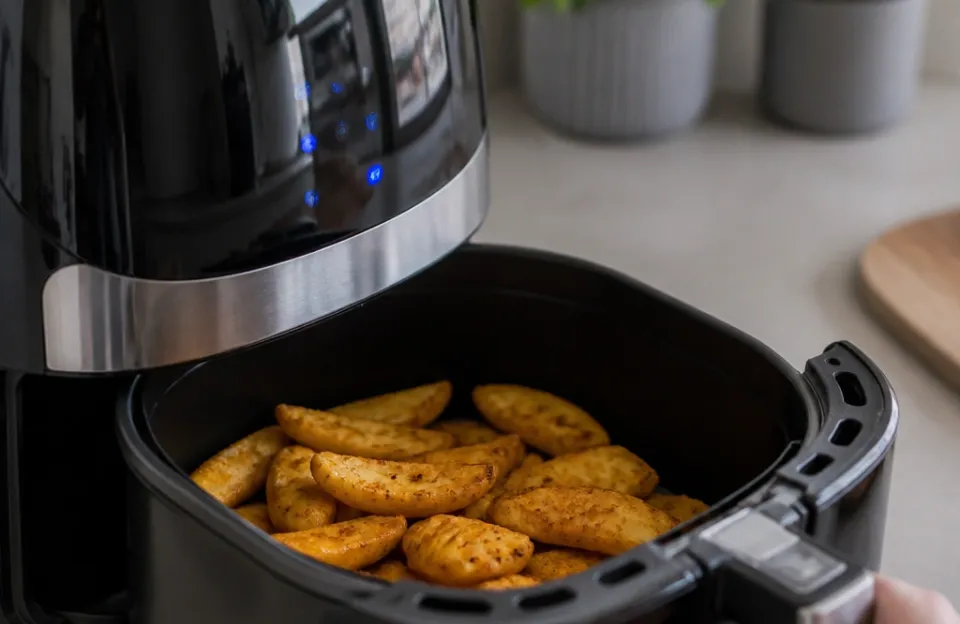
Every air fryer cooks by pushing hot air rapidly around the food using a heating element and a high-speed fan. When food sits in a single layer, the air hits every surface evenly. But most baskets are too small for a true single layer.
You end up stacking fries, piling chicken pieces, or crowding vegetables together. The pieces touching the bottom or pressed against each other block the airflow. That blocked air means less heat reaches those hidden spots.
A shake reminder interrupts this problem. On basic models, the system is just a programmable timer. You set the total cook time, and the machine splits it in half.
At the midpoint, a buzzer sounds. You pull out the basket, give it a firm shake, and slide it back in. The timer resumes automatically on many units, while cheaper ones require you to press start again.
Smart air fryers with shake reminders take a different approach. Some connect to an app via Wi-Fi or Bluetooth. Instead of a loud kitchen beep, your phone buzzes.
Others use preset cooking programs tied to specific foods. If you select "frozen french fries," the machine knows the exact minute agitation is needed based on factory testing. A few advanced models even include weight sensors that adjust the reminder timing based on how full the basket is.
The physical act of shaking moves the food that was sitting at the bottom to the top. It separates pieces that have stuck together. This exposes fresh surfaces to the circulating hot air.
Without that movement, the food trapped underneath essentially steams in its own moisture rather than crisping up. Understanding how long potatoes take in the basket shows why dense, starchy items rely heavily on this mid-cook interruption to finish evenly.
Which Foods Need the Alert and Which Ones Don't
Not everything you cook requires tossing halfway through. Knowing what needs agitation saves you from opening the drawer unnecessarily and losing heat.
Small, crowded items demand constant movement
French fries, tater tots, diced potatoes, and chopped root vegetables are the primary candidates. Because they are small, you naturally fill the basket deep. The pieces at the center never see direct airflow unless you physically move them.
If you want perfectly browned potato edges, that midway toss is mandatory. Frozen snacks like mozzarella sticks or pizza rolls fall into this category too. They release moisture as they thaw, and without shaking, they fuse into a single clump.
Large, flat proteins usually stay put
A thick piece of salmon does not need shaking. It lies flat across the grate. Hot air flows over the top and under the bottom freely.
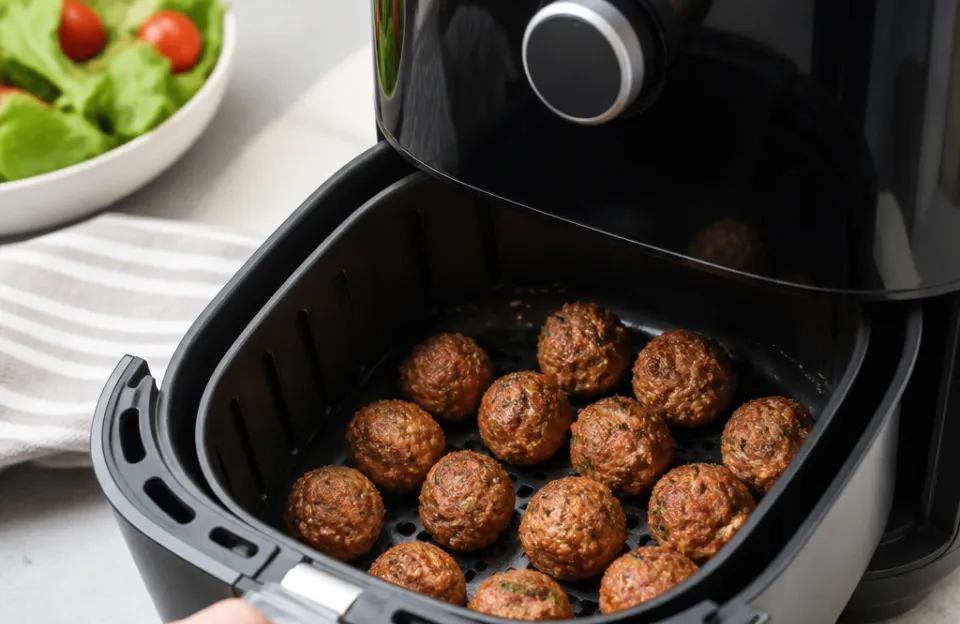
Flipping it once might help, but rattling the basket would break the fish apart. The same logic applies to pork chops, chicken breasts, or a small meatloaf. When you are figuring out timing for a two-pound loaf, you leave it undisturbed so the exterior can form a crust.
Shaking destroys that crust formation.
Battered or delicate coatings require careful handling
If you coat chicken pieces in flour or a wet batter, aggressive shaking ruins the exterior. The coating peels off and falls through the crisper plate. For breaded items, a gentle flip with tongs works better than a hard basket toss.
Models with smart alerts let you customize the reminder so you know when to open the drawer for a delicate turn instead of a violent shake. Getting that extra-crispy skin right often means skipping the basket toss entirely and turning pieces individually.
| Food Type | Needs Shake Reminder? | Best Action |
|---|---|---|
| French fries / Tater tots | Yes | Hard basket toss |
| Diced vegetables | Yes | Firm shake |
| Chicken wings (unbreaded) | Yes | Moderate shake |
| Salmon fillets | No | Leave flat, maybe flip once |
| Breaded cutlets | No | Gentle turn with tongs |
| Meatloaf | No | Do not disturb |
| Bacon strips | No | Lay flat, no overlap |
Manual Timers vs Smart App Notifications
When shopping for air fryers with shake reminders, you will run into two main categories. The hardware differences change how you interact with the machine daily.
Built-in digital alarms
Most mid-range models use a simple digital interface. You press a button labeled "shake" or "reminder," and the machine calculates the halfway point. When the time arrives, the display flashes, and a piezoelectric buzzer goes off.
You must be close enough to hear it. If you walk into another room, you might miss it. Once you pull the basket out, some machines pause the fan and heater automatically.
Others keep running empty until you push the drawer back in. Reading reviews on popular compact models reveals that automatic pausing is a detail buyers frequently overlook until they burn their first batch.
Wi-Fi connected alerts
Higher-end units pair with smartphone apps. You start the cook cycle on your phone. When agitation is needed, the app pushes a notification to your screen.
This is useful if you are doing laundry or working in a home office. Some apps even provide visual guides showing exactly how vigorously you should toss the food based on the recipe selected. Brands like Cuisinart and Ninja have expanded their connected appliance lines to include these app-based prompts.
Preset program intelligence
Certain machines remove the guesswork entirely. You do not set a timer. You press a button shaped like a drumstick or a fry.
The internal computer runs a tested profile. It knows that frozen fries need a reminder at the 8-minute mark of a 20-minute cycle. It knows fresh zucchini slices need one earlier because they cook faster.
If you regularly prepare quick vegetable sides, these automated profiles save you from calculating the math yourself.
Why Ignoring the Beep Ruins Texture and Browning
It is tempting to hit snooze or ignore the noise when you are busy. Skipping the shake has immediate, visible consequences on your food.
The Maillard reaction is the chemical process that turns food brown and creates complex flavors. According to food science resources from the USDA and various culinary institutes, this reaction requires dry heat above 285°F (140°C). When food sits tightly packed in a basket, the moisture released by the bottom layers gets trapped.
The temperature in that pocket drops below the threshold needed for browning. Instead of crisping, the food steams.
You end up with a batch where the top layer is dark and crunchy, and the bottom layer is pale and soft. Shaking redistributes the moisture. It gives the damp pieces a turn near the heating element to dry out.
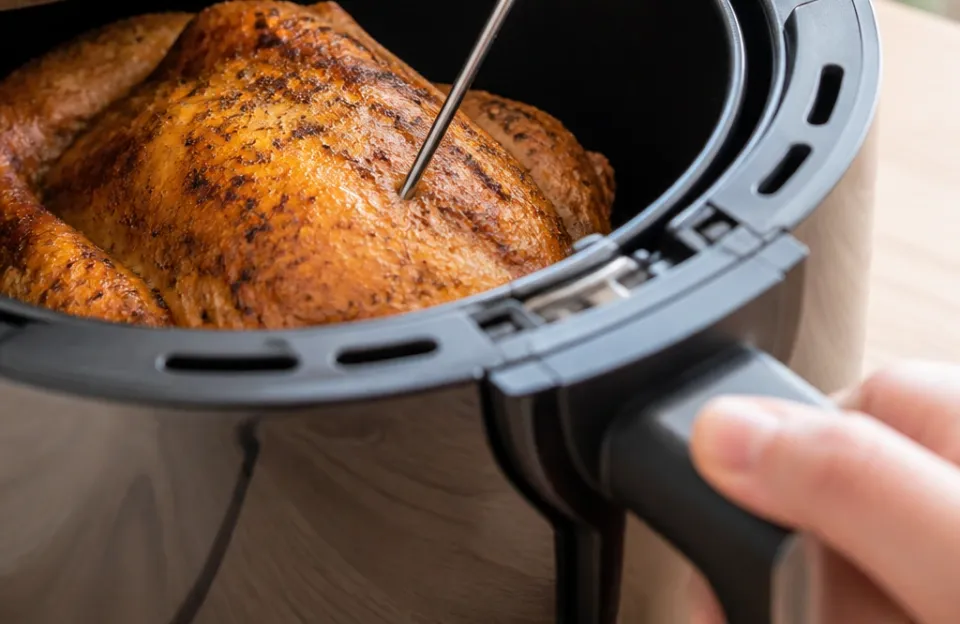
Ignoring the reminder also causes uneven cooking times. The pieces exposed to direct heat might burn before the hidden pieces reach a safe internal temperature. This is a real safety concern with raw poultry.
Piling unbreaded wings together means the ones in the middle stay in the bacterial danger zone longer. Proper agitation exposes all surfaces to the heat source uniformly.
There is also the issue of sticking. As starches heat up, they become tacky. Fries pressed against each other will bond.
By the time the cycle finishes, you have a solid brick of potatoes instead of individual crispy sticks. The midway shake breaks those early bonds before they set permanently. Even when preparing crispy coated wings, letting the basket sit too long causes the flour paste to glue the pieces together.
Adjusting the Timing for Different Batch Sizes
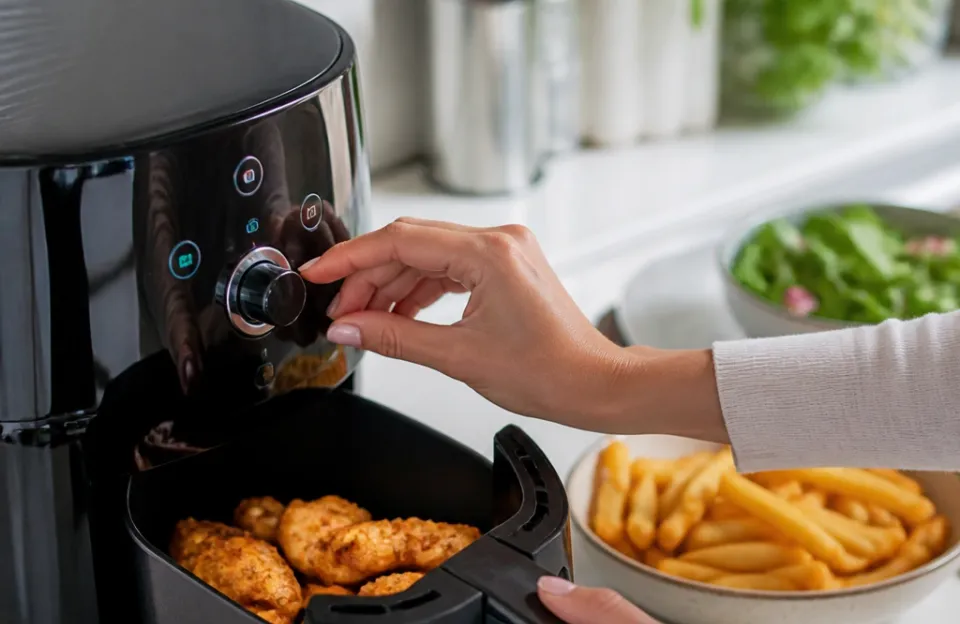
The default setting on most air fryers with shake reminders assumes a moderately full basket. If you change the amount of food, the default timing might fail you.
A nearly empty basket does not need a reminder at all. If you are cooking a single serving of fries, they likely spread out enough to catch air on all sides. Triggering a shake for a sparse load just wastes time and lets cold room air flood the cooking chamber.
Every time you open the drawer, the internal temperature drops by 20 to 50 degrees. The machine has to work harder to recover that heat.
A heavily overloaded basket needs more than one reminder. If you pack the drawer to the brim, a single toss at the halfway mark is insufficient. The pieces at the very bottom still won't make it to the top.
In practice, if you are forced to overload the basket, you should manually intervene three times: at the one-third mark, the halfway mark, and the two-thirds mark. However, the best approach is to cook in smaller batches. Overloading defeats the purpose of convection cooking.
Different ingredients also demand different schedules. Dense root vegetables hold onto cold temperatures longer than thin leafy greens. A basket of cubed sweet potatoes benefits from an early shake, perhaps at the 30% mark, to get the cold centers moving.
Delicate items like shrimp cook so fast that waiting for a 50% reminder might mean they are already overdone by the time you open the drawer.
Handling the Basket Safely When the Alert Sounds
The reminder goes off. The machine is at 400°F. Pulling the basket out introduces a few physical risks if you rush.
Always grab the handle firmly. Never touch the metal mesh or the outer housing. Steam rushes out the moment you crack the drawer open.
Keep your face and hands clear of that initial blast. Burns from steam happen faster than burns from dry air.
Shake the basket over the sink or a cutting board, not over your countertop. Hot grease and crumbs fly out during a vigorous toss. If oil drips onto a hot external surface, it smokes immediately.
Use a quick, snapping motion with your wrist. You don't need to throw the food into the air. A sharp lateral jerk is enough to shift the bottom layer to the top.
If your model requires you to press a button to resume cooking after the shake, do it promptly. Leaving the drawer out for five minutes while you chop vegetables allows the heating element to cool down significantly. The remaining cook time on the clock will no longer be accurate because the machine lost its thermal momentum.
For larger models with dual zones, pay attention to which side triggered the alert. Some machines sync both drawers to beep at the same time so you can finish cooking simultaneously. Others operate independently.
Opening the wrong drawer disrupts the food that didn't need attention yet.
Limitations of Current Reminder Technology
Air fryers with shake reminders are helpful, but they are far from perfect. Understanding their blind spots prevents ruined dinners.
Most basic models lack actual food sensors. They do not know if your fries are already burning. They only know that 10 minutes have passed.
If you preheated the machine, or if you used thinner cuts than the recipe suggested, the food might be done before the reminder even sounds. Relying blindly on the beep without checking visual cues leads to overcooked meals.
App connectivity introduces another failure point. Wi-Fi signals drop. Phones go into do-not-disturb mode.
If your only notification method is a push alert, and your router reboots mid-cycle, you miss the shake entirely. Always keep an ear out for the physical backup alarm if your model has one.
Noise level is a frequent complaint. The piezoelectric buzzers used in budget appliances are piercing. They are designed to be heard over the fan noise, but in an open-plan house, they wake sleeping children or interrupt calls.
Some brands allow you to mute the sound, but many do not.
Finally, the reminder cannot fix bad prep. If you cut your potatoes into wildly different sizes, shaking them won't make them cook evenly. The small pieces will still burn while the large chunks remain raw.
Uniform knife work matters more than any electronic alert.
Frequently asked questions
Can I turn off the shake reminder if my food doesn't need it?
Most digital models allow you to skip the reminder function entirely. You simply set a manual time and temperature without selecting a smart program or pressing the alert button. Check your specific user manual, as some preset programs force the reminder and cannot be overridden without switching to manual mode.
Does opening the basket to shake the food ruin the cooking process?
Opening the basket causes a temporary drop in temperature, but the fan and heating element recover quickly once closed. For foods that stack or overlap, the benefit of redistributing them far outweighs the few seconds of heat loss. Just avoid leaving the drawer open longer than necessary.
Are air fryers with shake reminders more expensive than standard models?
Basic models with a simple halfway timer cost about the same as standard digital air fryers. Units with Wi-Fi connectivity, app notifications, or advanced weight sensors belong to premium product lines and carry a higher price tag. The reminder itself is rarely the sole factor driving up the cost.
What happens if I ignore the reminder completely?
If you ignore the alert, the food resting at the bottom of the basket will likely steam instead of crisp. You will end up with uneven browning, potential sticking, and varying textures within the same batch. Dense foods might remain undercooked in the center while the top layer dries out.
Do I need to shake the basket for frozen foods like pizza rolls?
Yes, frozen bite-sized foods benefit greatly from a midway shake. They release condensation as they thaw in the hot air. Without agitation, that moisture pools at the bottom, making the lower pieces soggy and causing them to stick to the crisper plate.
Is there a difference between shaking the basket and flipping food with tongs?
Shaking involves lifting the entire drawer and jerking it to toss the contents. This works for sturdy, small items like fries or wings. Flipping with tongs is required for delicate, breaded, or large items that would break apart or lose their coating during a hard toss.
Worth remembering before your next cook
An alert system only works if you understand why it is sounding. Air fryers with shake reminders take the guesswork out of timing, but they still require you to judge the food visually. Learn which recipes demand heavy agitation and which ones need to be left alone.
Cut your ingredients uniformly. Don't overload the drawer just because the machine promises to remind you to toss it. Good prep combined with a well-timed alert is what actually produces consistent, crispy results on your counter.