A food scale with a bowl works best for baking, mixing dough, and measuring liquids. A flat platform scale is the better choice when you need to weigh large pots, odd-shaped items, or want the freedom to use any container from your cabinet. The right pick depends on what you cook most often and how much room you have to store it.
When people compare a food scale with a bowl against a flat platform model, they usually want to know which one takes up less space, which is easier to clean, and which handles their daily recipes without getting in the way. This comparison breaks down the physical differences, how each design behaves during prep work, and where one clearly outperforms the other for specific cooking habits.
How Bowl Scales and Flat Platforms Differ
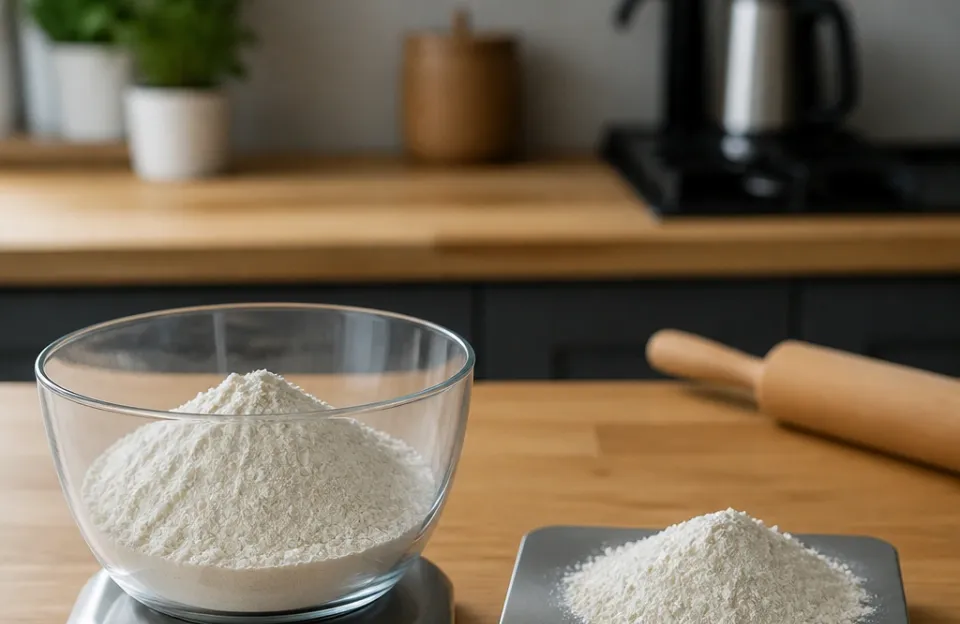
The core difference comes down to load distribution and counter footprint. A bowl scale has a built-in or included container sitting directly over the load cell, so everything you weigh goes into that specific vessel.
A flat platform scale exposes the entire top surface as a weighing area, and you place whatever you want directly on it.
Bowl scales center the weight automatically, so you drop flour into the middle and the sensor reads it cleanly. Flat platforms require you to place items near the center yourself.
Many flat platforms are designed to read accurately across the pad, but off-center loads can affect some models. Check your manual for any guidance on where to place items, and keep heavy cookware reasonably centered.
Storage is another immediate dividing line. A bowl scale is a fixed shape that needs enough vertical clearance in a cabinet to fit the bowl sticking up.
A flat platform slides into a drawer or stands vertically against a backsplash. For small kitchens, this physical profile often dictates the decision before you even look at capacity numbers.
Counter Space and Storage Footprint
Flat platforms typically have the storage advantage. Many are thin enough to slide between cutting boards or tuck into a utensil drawer, though exact dimensions vary by model. Bowl scales generally need dedicated shelf space, since the bowl cannot be removed on many models, and even removable bowls add bulk. In equipment testing, flat, slim models were also rated as more stable and easier to store.
On the counter during active cooking, the math flips slightly. A bowl scale keeps ingredients contained, and you don’t need to pull out a separate mixing bowl, weigh your flour, then transfer it.
You mix right in the weighing vessel. A flat platform requires you to fetch your own bowl, place it on the scale, press tare, and then fill it. That extra step adds seconds, but those seconds compound during a long baking session.
If your kitchen layout forces you to put tools away after every single use, a flat platform reduces friction. If you leave your scale out on the counter permanently, a bowl scale’s larger footprint matters less.
Cleaning Up After Messy Prep Work
Baking gets messy. Flour dust settles everywhere, and sticky honey drips down the sides of spoons.
A bowl scale contains almost all of this inside its vessel. You wash the bowl like any other dish, and the base stays relatively clean because ingredients rarely spill over the rim.
Flat platforms take the hit directly. Spilled milk pools around the edges, and powdered sugar grinds into the seams where the display meets the weighing pad. You have to wipe down the entire unit after heavy use.
Check your model’s manual for its stated water resistance before cleaning: most flat platforms are water-resistant rather than waterproof, and submerging the base to scrub off dried dough can ruin the electronics.
Some flat platforms come with a removable silicone mat or stainless steel tray. These help, but they still sit flush against the body, leaving gaps for fine powders to enter. Bowl scales avoid this problem by elevating the mixing zone above the sensor housing.
Laboratory-style testing that rubbed scales in a dish of flour identified exactly these crevices and gaps where grime builds up over time, which is the practical reason a contained vessel is easier to keep clean.
Maximum Weight Limits and Capacity: What to Check Before Buying
Capacity varies by model across both designs, so always check the spec sheet rather than assuming a range. Two numbers matter most: the maximum weight the scale supports and the graduation, or smallest increment it displays. Many consumer kitchen scales graduate in 1-gram or 0.1-ounce steps, but confirm this on the model you’re considering.
Capacity, often written Max, is the largest load the scale is designed to display, including the container on the pan. Choose a capacity that covers your heaviest load plus the tray, bin or box, with some headroom, because running at the very top of the range risks overloading.
A flat platform’s open surface lets you place a heavy stockpot or a large batch of dough in a ceramic bowl, but only up to the stated maximum. Bowl scales have a fixed vessel volume, so dense ingredients like wet dough or meat can approach the sensor limit faster than you expect as the bowl fills.
If you regularly weigh large batches, look for a model with a higher stated maximum and check whether the platform or bowl is sized for the vessels you actually use. If you stick to standard recipe portions, either design handles the load fine.
Tare Function Behavior with Each Design
Taring resets the scale to zero, automatically subtracting the container’s weight so only the added ingredient is measured. Both designs do this. The experience feels different depending on the hardware.
On a flat platform, you place your bowl, hit tare, and add ingredients. Need to add a second ingredient to the same bowl? Hit tare again.
Want to switch to a completely different plate mid-recipe? Lift the bowl, place the plate, hit tare. The process is flexible because the platform accepts any object.
On a bowl scale, the tare button may account for the built-in bowl’s weight at startup, or you press it once with the empty attached bowl; the exact behavior depends on the model, so check the manual. Adding sequential ingredients works identically. But swapping containers isn’t possible if the bowl is permanently affixed.
Removable-bowl models solve this, though the replacement bowls are often specific to that brand. Some bowl-style scales even use a detachable bowl that flips up or down for use and storage, so bowl bulk is not universal across every model.
This flexibility makes flat platforms better for cooks who improvise. Bowl scales reward cooks who follow structured recipes from start to finish in a single vessel.
Comparison Table: Bowl vs Flat Platform
| Attribute | Food Scale With Bowl | Flat Platform Scale |
|---|---|---|
| Storage Profile | Needs vertical shelf space; bowl often non-removable | Thin profile; fits in drawers or stands upright |
| Cleaning | Wash the bowl separately, base stays relatively clean | Wipe entire surface, spills reach seams and crevices |
| Capacity | Model-specific; fixed bowl volume limits dense ingredients | Model-specific; open surface accommodates larger vessels |
| Container Flexibility | Fixed to included bowl unless the model is removable | Accepts any pot, pan, or plate |
| Best Primary Use | Baking, mixing batter, portioning liquids | General cooking, large pots, odd shapes |
| Spill Containment | High, deep walls catch overflow | Low, spills spread across the flat pad |
Where a Built-in Bowl Wins During Daily Cooking
Bowl scales shine during tasks that involve combining wet and dry ingredients rapidly. Think pancake batter, cookie dough, or salad dressings. You crack eggs, pour milk, and scoop flour all into the same space.
The high walls prevent splashes from hitting your countertop and keep fine or irregularly shaped ingredients from spilling.
They also reduce the number of dishes in your sink. Instead of dirtying a measuring cup, a mixing bowl, and a transfer spatula, you mix directly in the weighing vessel. Then you pour the finished batter straight into your pan.
Fewer steps mean faster cleanup.
For liquid-heavy tasks, a bowl is simply easier. Trying to balance a tall glass measuring cup on a flat platform while pouring olive oil invites tipping. A wide, stable bowl scale sits low and catches drips easily.
Mixing Dough and Batter Directly on the Sensor
Some bakers prefer mixing directly in the weighing bowl. They add flour, create a well, pour in yeast water, and stir. Doing this on a flat platform requires a separate bowl anyway.
Understanding how a food scale works helps here, because having the scale and the mixing vessel combined saves a step.
There is a limitation here. Check your model’s manual before mixing or kneading directly in the weighing vessel, since manufacturers differ on what use the scale is designed to withstand.
Gentle stirring and folding are usually fine. If you bake heavy artisan loaves frequently, weigh the ingredients in the bowl scale, then transfer the shaggy mass to the counter for actual kneading.
Portion Control and Meal Prep Routines
People tracking macros or prepping weekly lunches benefit from the contained nature of a bowl scale. You place the bowl on the base, tare it, and drop in chicken breast pieces until you hit your target weight. Scoop them out, repeat.
The raised edges keep round foods like grapes or cherry tomatoes from rolling away, which saves time during repetitive portioning.
A flat platform can weigh loose, round items directly, but you need to keep them centered and still. During meal prep involving dozens of small portions, grabbing the same integrated bowl repeatedly builds muscle memory faster than fetching new ramekins. One caution: a bowl that is not securely attached to the scale can lead to inaccurate measurements, so check the fit before you rely on it.
Why Flat Platforms Give Cooks More Freedom
A flat platform removes restrictions. You aren’t locked into one container size. Need to weigh a massive stockpot for bone broth? Set it on the platform. Need to weigh a single slice of cheese? Put it directly on the glass.
The surface adapts to the task.
This adaptability matters most for savory cooking. Baking relies on strict ratios measured in small bowls. Roasting a whole chicken or building a stew involves large, awkward vessels.
A small integrated bowl cannot hold a five-pound bird. A flat platform accommodates whatever platter or cutting board you choose.
The same logic applies in any busy kitchen: grabbing whatever container is closest, setting it on the scale, and taring is faster than matching ingredients to one fixed vessel.
Using Your Own Pots, Pans, and Plates
Home cooks accumulate favorite vessels. You might have a specific ceramic bowl you love for bread making, or a lightweight plastic tub for marinating meat. A flat platform lets you use those existing items.
You don’t have to transfer food from a proprietary scale bowl into your preferred mixing dish.
Flat surfaces do carry a handling caveat: wet or greasy bowls and pads can slip and skew readings, so wipe both dry before taring. The same risk applies to any scale, but a large container on an exposed platform gives you more surfaces to check.
Handling Oversized or Awkwardly Shaped Ingredients
Try weighing a whole head of cabbage on a small bowl scale. It rolls around, blocks the display screen, and threatens to topple. A bowl can limit the size or shape of items you can weigh when they are larger than the bowl itself. On a wide flat platform, you simply set it down.
The weight distributes evenly.
Long items like baguettes, celery bunches, or racks of ribs extend past the edges of a bowl. A flat platform supports them as long as the center of gravity remains over the sensor, though very large containers can still be less stable on a flat pad, so it is worth checking before you commit. This makes grocery shopping verification or bulk produce weighing significantly less frustrating.
Accuracy and Calibration Differences Between Designs
Both types use load cells, and the underlying technology is not what separates a good scale from a bad one. Display placement, off-center load behavior and stability are where the two designs diverge in practice.
A large mixing bowl placed on a platform can block the display of a scale whose screen sits flush in the surface, which is exactly what happened with some flat models in independent equipment testing. Bowl scales center the weight automatically, but a tall bowl can still obscure a display depending on where the screen sits.
Off-center placement is a recognized accuracy variable. In hands-on testing of 24 kitchen scales, accuracy was checked by placing calibrated weights at the center and at each corner of the platform. Flat platforms ask you to place items near the middle yourself, whereas a bowl keeps the load in one spot.
Stability is model-dependent rather than a fixed rule of either design. A bowl scale holds ingredients low inside a vessel anchored to the base, while a flat platform carrying a tall, narrow container may be more exposed to bumps. In countertop stability testing, heavier scales weighing more than one pound stayed put more reliably, and flat, slim models were rated more stable. Heavier, wider weighing bowls also resist tipping and sliding better than light bowls, especially when scraping in dense dough.
Calibration procedures are generally the same. Most consumer scales lack user-serviceable calibration screws and rely on factory settings. If a scale drifts, replacing batteries or resetting the unit usually fixes minor errors. For commercial or legal-for-trade weighing, verification against a certified standard matters; check your model’s manual for the manufacturer’s stated accuracy and any calibration guidance.
Minimum Weight Thresholds and Graduation
Graduation refers to the smallest increment the scale displays. Both bowl and flat designs share the same graduation options, so check the spec sheet rather than assuming one is finer.
Graduation is not a fixed category feature. Many consumer scales use 1-gram or 0.1-ounce steps, but resolution varies by model, and some scales are far more sensitive than others. If a scale isn’t sensitive enough to pick up tiny changes, it won’t work well with small amounts of ingredients. Check the spec sheet and manual for the stated graduation and any guidance on weighing very small amounts, and test your own scale with a known small weight if precise low-end readings matter to you.
Food Scale with Bowl vs Flat Platform for Specific Diets
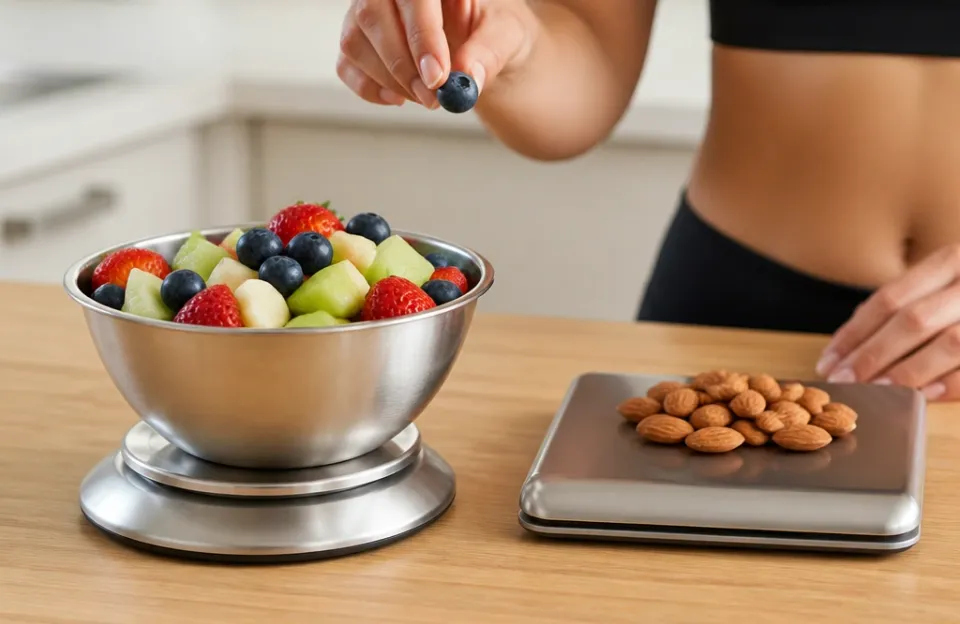
Dietary goals matter less than the physical form of what you weigh. If you regularly measure liquids, oils, or heavy creams, a bowl scale keeps them contained instead of spreading across a flat pad.
If you weigh large volumes of leafy greens, root vegetables, or grains, a flat platform often works better. Spinach takes up massive volume for very little weight, and stuffing a huge pile of raw kale into a small scale bowl is tedious; laying it flat on a wide platform and letting the scale sum the total weight works faster.
Bakers following precise formulas benefit from using the exact same bowl, either an integrated one or a consistent container on a platform. Savory cooks adjusting seasoning by taste and feel tend to prefer the grab-and-go nature of a flat surface.
Edge Cases Where Neither Design Fits Perfectly and How to Decide
No tool covers every scenario flawlessly. Extremely high-capacity weighing, like breaking down a whole side of beef or weighing 50-pound bags of rice, exceeds standard kitchen scale limits regardless of shape. You need a commercial floor scale for that.
Conversely, micro-weighing saffron threads or dietary supplements requiring 0.01-gram precision may fall below standard kitchen scale graduations. Jewelers’ scales or milligram scales handle that tier. Standard kitchen scales commonly display 1-gram or 0.1-ounce steps, which is plenty for flour but not suitable for medication dosing, so confirm graduation before relying on any scale for precise small amounts.
Outdoor cooking presents another hurdle. Wind can push against a tall pot on any open platform and create false readings, and moisture and dirt risks affect any electronic scale you take camping. Treat outdoor use as a limitation to check rather than a scenario either design solves cleanly.
Durability depends on build quality and how the scale is treated. Bowl scales with clipping mechanisms, locking rings, or detachable hinges have more parts that can wear, while a simple flat platform has fewer. Material matters too: plastic bowls can flex and develop microcracks after repeated hard use, while stainless steel resists warping and can be sanitized at higher temperatures. Treat part count and material as considerations among several, not a verdict. Check the warranty and read owner reports for the specific model rather than assuming one design lasts longer.
If you’re unsure whether a larger or more portable scale fits your routine better, the comparison for large versus portable food scales covers size and placement in more depth.
Deciding Based on Your Kitchen Habits
Picking between a food scale with bowl vs flat platform comes down to mapping your actual cooking routine. If you spend weekends measuring precise ratios for sourdough, macarons, or meal-prepped chicken portions, the contained workflow of a bowl scale removes unnecessary steps. It keeps your counters clear of extra dishes and catches the inevitable flour dust before it spreads.
If your daily cooking involves tossing whole vegetables into pots, weighing large cuts of meat on cutting boards, or constantly switching between different sized containers, a flat platform stays out of your way. It adapts to whatever vessel you grab without forcing you to transfer ingredients back and forth.
Look at your counter space honestly. Measure the drawer you plan to store it in, and check the spec sheet for the exact maximum weight, graduation, and cleaning instructions. Think about whether you hate washing extra bowls or hate wiping down electronics more.
The design that eliminates your biggest specific annoyance is the one worth buying.