Tare on a food scale means resetting the display to zero after you place an empty container on the weighing platform. When you press the tare button, the scale subtracts the weight of that bowl, plate, or cup so it only measures what goes inside. You get the exact weight of your ingredients without doing any math in your head.
Understanding what does tare mean on a food scale changes how you cook and bake. It removes guesswork from recipes. It speeds up prep time.
And it keeps your measurements accurate down to the gram. This article explains how the function works, why it matters for everyday cooking, and how to use it correctly across different types of kitchen scales.
How the Tare Function Works on Kitchen Scales
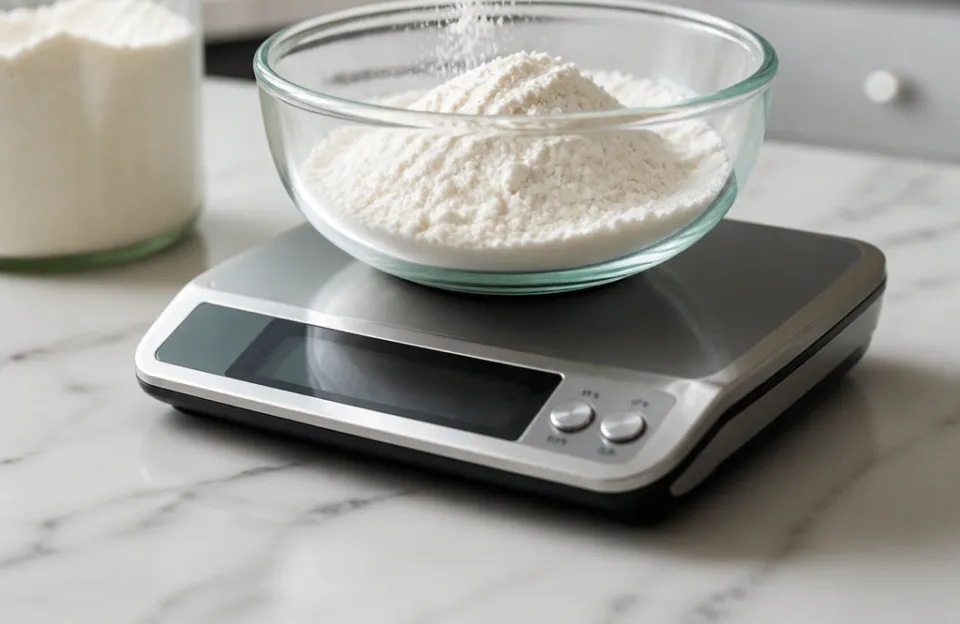
Every digital food scale has a load cell underneath the weighing platform. That sensor converts physical pressure into an electrical signal, which the scale translates into a number on the screen. When you turn the scale on with nothing resting on it, the load cell reads zero.
Placing an empty mixing bowl on the platform pushes down on the sensor. The screen might read 350 grams. Pressing the tare button tells the scale's internal processor to treat that current reading as the new baseline.
The display drops back to zero. Any flour, sugar, or butter you add afterward registers only its own mass.
Mechanical dial scales handle this differently. They usually have a small knob near the base or behind the dial face. Turning that knob physically moves the needle back to the zero mark while the bowl sits on top.
The principle is identical. You are aligning the starting point with the container already in place.
The word itself comes from the Arabic word "tarah," meaning to subtract or deduct. Merchants used it centuries ago to account for the weight of barrels and sacks before weighing spices or grain. Today, every modern food scale includes this basic subtraction ability because measuring loose ingredients without containers is nearly impossible.
Why Baking Recipes Rely on Gram Weights
Baking is chemistry. A cup of all-purpose flour can weigh anywhere from 120 to 150 grams depending on how tightly you pack it or whether you scoop directly from the bag. That 30-gram difference changes the texture of bread dough or cake batter completely.
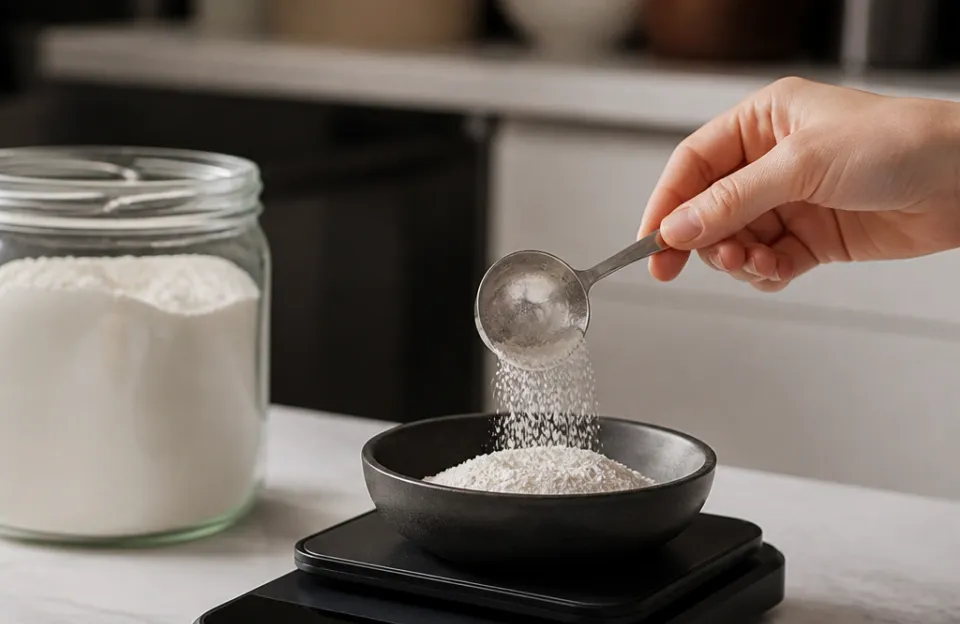
Professional bakers write recipes in grams for this reason. When you measure by weight using the tare function, you spoon flour into a bowl until the scale hits exactly 125 grams. You don't need leveling knives or specific scooping techniques.
If you follow a recipe that lists target temperatures for pork, you already know precision matters just as much for baking ratios. Weight removes the variables that volume introduces.
Tracking Macros Without Extra Dishes
People who track daily nutrition often weigh everything they eat. Taring the scale lets you build an entire meal in one bowl. You weigh your oats, reset to zero, pour in milk, reset again, and drop in peanut butter.
You log three separate items accurately while washing only one dish afterward.
This method prevents the slow accumulation of dirty plates during meal prep. It also stops you from accidentally logging the weight of the container as part of your food intake, which throws off calorie counts over time.
Pressing the Button: Using Tare During Everyday Prep
Using the function takes seconds, but following a consistent order prevents errors. Start with the scale on a hard, flat surface. Soft silicone mats or uneven cutting boards cause the load cell to flex unpredictably, giving you drifting numbers.
Place your empty container on the platform. Wait for the digits to stop flickering. Digital screens sometimes take a second to settle, especially if the room is drafty or the scale is older.
Once the number holds steady, press the tare button. Verify the screen shows a clean zero.
Add your first ingredient. Watch the number climb. Stop pouring when you hit the target weight.
If you need another ingredient in the same bowl, press tare again. The screen returns to zero. Pour the next item.
Repeat this cycle until the recipe is complete.
If you remove the bowl entirely after taring, the screen will show a negative number. That negative value equals the exact weight of the container you took off. Put the bowl back, and it returns to zero.
This behavior confirms the scale remembers the deducted amount.
When working with liquids like water or oil, pour slowly near the end. Liquids slosh, causing the reading to bounce. Let the surface settle before pressing tare for the next addition.
If you frequently monitor liquids heating up, pairing your scale work with a reliable tool to check heat levels quickly keeps the whole process moving smoothly.
Adding Multiple Dry Ingredients to One Bowl
Making a dry mix for pancakes or a spice rub involves several small additions. Salt might be 5 grams. Baking powder could be 8 grams.
Sugar might be 50 grams. Taring between each addition means you never have to calculate running totals.
If you accidentally pour too much salt, you can spoon some out. The scale reading drops. Because you tared right before adding the salt, the number on the screen represents only the salt currently in the bowl.
You don't have to worry about the weight of the flour already sitting underneath it.
Weighing Sticky Items Like Honey or Dough
Sticky ingredients ruin measuring cups. Honey clings to the sides, leaving half your portion behind. Peanut butter smears everywhere.
By placing a small dish on the scale, taring it, and squeezing the honey directly onto the dish, you transfer every gram into your recipe. Nothing stays stuck to a measuring tool.
Bread dough works the same way. If a recipe calls for dividing dough into 80-gram balls, place your scraper or bench knife on the scale, tare it, and cut pieces until the display reads 80. You get uniform rolls without guessing.
Where Tare Falls Short: Capacity Limits and Scale Behavior
Every food scale has a maximum capacity. A common kitchen model tops out at 5 kilograms or 11 pounds. The tare weight counts toward that limit internally, even though the screen reads zero.
If your heavy ceramic mixing bowl weighs 1.5 kilograms, you only have 3.5 kilograms of actual food capacity left before the scale maxes out. Exceeding the total limit causes the screen to flash an error code, usually "EEEE" or "O-LD". At that point, the load cell is overloaded, and the readings become unreliable.
Always check the scale's specifications. If you plan to weigh large batches of soup or heavy cuts of meat in thick cast iron pots, you need a scale with a higher maximum capacity. Knowing how long your tools last applies here too.
Cheap plastic scales with low limits wear out their sensors faster under heavy bowls.
Negative Numbers and Drifting Displays
Sometimes the screen drifts after you press tare. It might creep from 0 to 1 or 2 grams over a minute. This happens due to temperature changes affecting the load cell, air currents from a vent, or a low battery.
A drifting scale makes precise taring difficult. If you notice the numbers wandering, replace the batteries or move the scale away from open windows. For tasks requiring absolute precision, like measuring saffron or yeast, wait for the environment to stabilize.
Negative numbers appear when you tare a container and then lift it off. Some people find this confusing. It simply means the scale is looking for weight that isn't there anymore.
Placing the original container back restores the zero. Placing a lighter container results in a negative reading equal to the difference between the two weights.
Mechanical Dial Scales vs Digital Buttons
Digital scales dominate modern kitchens because they offer single-gram resolution and instant tare resets. Mechanical dial scales rely on a spring mechanism. Over years of use, that spring stretches.
When it does, turning the tare knob might not bring the needle perfectly back to the line.
You can still use mechanical scales for rough portions, like dividing ground beef for burgers. But for baking, where 3 grams of baking soda alters a recipe, a digital scale with a dedicated tare button is far more dependable. If you're upgrading your kitchen setup alongside your scale, keeping your workspace organized, like knowing when to choose between resurfacing or replacing old cabinets, makes room for better tools.
| Scale Type | Tare Mechanism | Precision | Best Used For |
|---|---|---|---|
| Digital Kitchen | Electronic button | 1 gram | Baking, macro tracking, coffee |
| Mechanical Dial | Manual rotating knob | 5 to 10 grams | Rough portioning, produce |
| Pocket / Jewelry | Electronic button | 0.1 gram or 0.01 gram | Spices, yeast, supplements |
| Commercial Floor | Electronic button | 50 to 100 grams | Bulk restaurant prep, shipping |
Clearing Up Misunderstandings About Zeroing Out
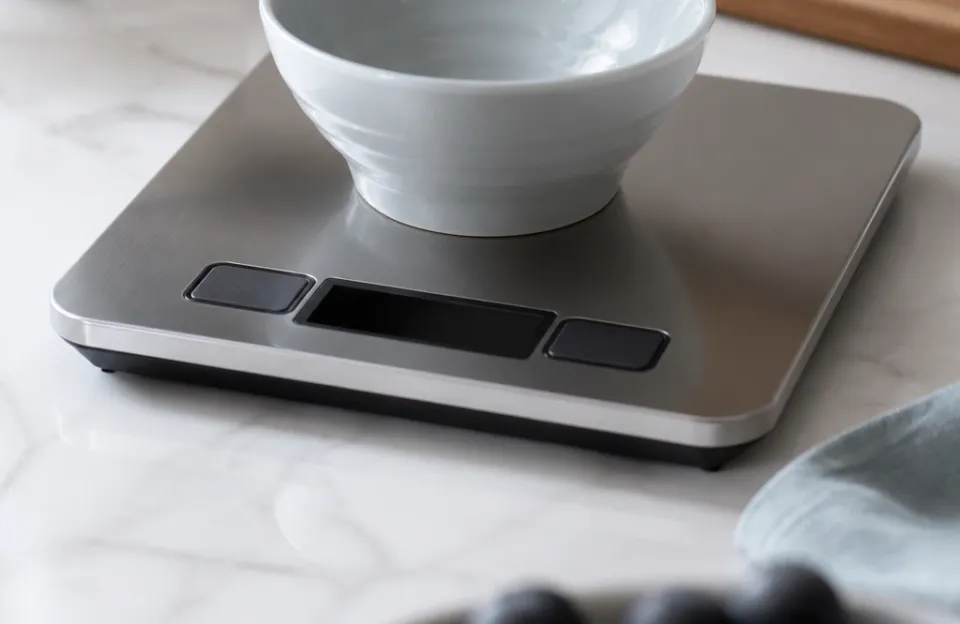
People frequently confuse taring with calibrating. Calibration adjusts the scale's internal accuracy using a known reference weight. Taring simply hides the weight currently sitting on the platform.
Pressing tare doesn't fix a broken or inaccurate scale. It just shifts the starting point.
Another common mistake is forgetting to tare before adding the second ingredient. You weigh flour, dump in sugar without pressing the button, and suddenly the screen shows the combined total. You have no idea how much sugar actually went in.
Building the habit of pressing the button immediately after each addition prevents this.
Leaving the scale on for extended periods also causes issues. Many digital models have an auto-shutoff timer to save battery life. If the scale turns off while you are halfway through a recipe, it loses the stored tare value.
When you turn it back on, it reads the full weight of the bowl and everything inside it. You cannot recover the previous zero point. Work efficiently, or disable the auto-shutoff if your model allows it.
Pressing the wrong button happens often since many scales group "tare," "unit," and "power" closely together. Hitting the unit button switches the display from grams to ounces or milliliters. The weight remains tared, but the numbers change format, which can cause panic mid-recipe.
Learn the layout of your specific model before starting a complex bake.
For very light ingredients, standard kitchen scales struggle. A pinch of salt might weigh 0.4 grams. A scale that only reads in full grams rounds that down to zero.
In these cases, a pocket scale designed for jewelry or coffee beans gives you the decimal resolution needed. These smaller scales use the exact same tare logic, just with finer sensors. Maintaining strict control over small measurements pairs well with monitoring things like safe internal temps for poultry where a few degrees matter.
Practical Situations Where Tare Saves Time
Coffee brewing relies heavily on weight. Pour-over methods require specific ratios of coffee grounds to water. Baristas place the dripper and mug on a scale, tare it, add 20 grams of coffee, tare again, and pour 300 grams of hot water.
The National Institute of Standards and Technology outlines how commercial weighing devices must perform, and high-end coffee scales adhere to tight tolerances to meet those standards.
Home canning and preserving involve weighing fruit, sugar, and pectin. Large batches mean heavy stockpots. Taring the pot before adding fruit ensures you hit the recipe ratios exactly, preventing runny jams or overly sweet preserves.
Parents preparing infant formula use tare to avoid over-concentrating the mixture. Water goes in, the scale zeros out, and the exact scoop weight of powder is verified. Too much powder strains a baby's kidneys; too little deprives them of calories.
The margin for error is tiny.
Pet owners managing diets for overweight dogs or cats weigh kibble daily. Placing the pet's bowl on the scale and taring it makes filling the bowl fast and mess-free. You don't need to transfer food between measuring cups and feeding dishes.
Even outside the kitchen, tare helps with postage. If you ship homemade baked goods to friends, you weigh the box with the padding and cookies inside, but postal services charge based on total weight. Understanding how tare isolates components helps you figure out exactly how much packaging material adds to your shipping cost.
Keeping your appliances clean between uses, such as knowing how to wipe down toaster oven interiors, ensures crumbs don't interfere with sensitive scale platforms.
Frequently Asked Questions
Does taring a food scale reduce its maximum weight limit?
Yes, internally it does. If your scale holds a maximum of 5,000 grams and your bowl weighs 1,000 grams, you only have 4,000 grams of capacity left for food. The scale's load cell still feels the full 5,000 grams even when the screen reads 4,000.
Exceeding the total physical limit damages the sensor.
What happens if I turn off the scale after pressing tare?
The scale forgets the tare value. When you power it back on, it performs a fresh startup sequence and reads whatever is currently on the platform as positive weight. You will need to remove the bowl, turn the scale on, let it hit zero, and then place the bowl back down to tare it again.
Can I use the tare button multiple times in a row?
You can press it as many times as you need during a single session. Each press sets a new zero point based on whatever is currently resting on the platform. The scale calculates the total deduction cumulatively.
Just remember that if you remove everything, the screen displays a large negative number representing all the items you previously subtracted.
Is tare the same thing as calibration?
They are completely different functions. Tare offsets the display to ignore the weight of a container. Calibration adjusts the scale's internal software to recognize what a specific weight actually feels like to the sensor.
You calibrate occasionally using a certified weight. You tare constantly during normal cooking.
Why does my scale show a negative number after I take my bowl off?
That negative number is the exact weight of the bowl you removed. The scale was told to treat the bowl's weight as zero. When you lift it away, you are removing weight from that zero point, so the math dips below zero.
Put the same bowl back, and it returns to zero.
Do I need to tare the scale if I'm putting food directly on the platform?
No. If you place an apple directly on the bare stainless steel or glass platform, the scale reads only the apple's weight. Tare exists specifically to eliminate the weight of intermediate objects like plates, parchment paper, or mixing bowls.
Getting the Most Out of Your Scale
Knowing what does tare mean on a food scale removes the friction from weighing ingredients. It turns a multi-step math problem into a single button press. Keep your scale on a flat counter, watch your maximum capacity, and always verify the screen reads zero before pouring your next addition.
Once you build the habit of taring between every ingredient, you'll rarely go back to measuring cups.