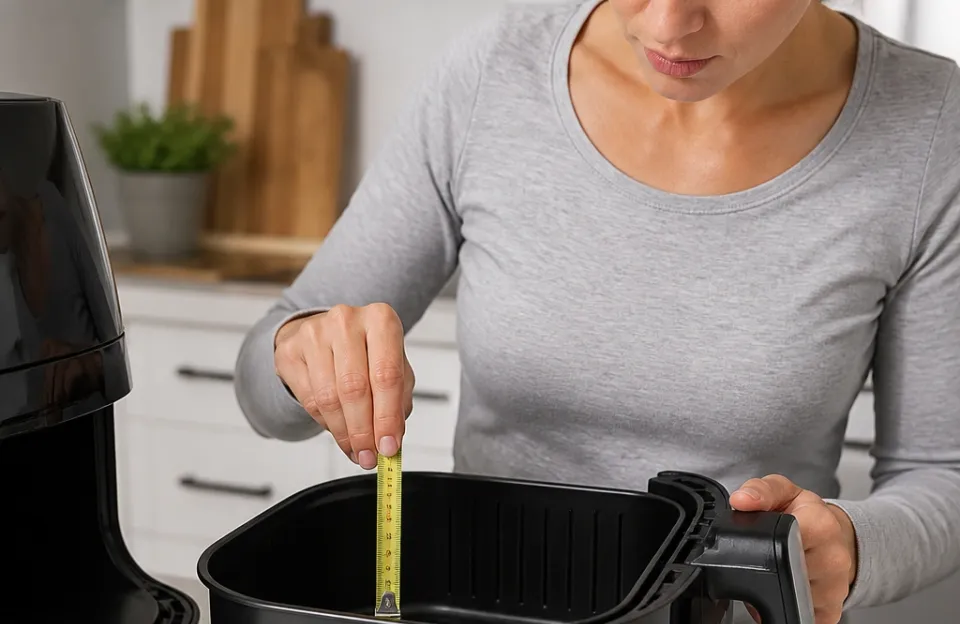
An air fryer smells because grease, food particles, or factory coatings are heating up inside the cooking chamber. If you just unboxed it, that burning odor is leftover manufacturing oil curing on the heating element. If you have owned yours for a while, the smell usually comes from old fat splattered around the fan or baked onto the nonstick coating.
Figuring out why does my air fryer smell requires looking at when the odor happens and what it smells like. A chemical scent points to a new machine or melting plastic. A rancid, smoky scent points to dirty components.
This article breaks down every common cause, explains how the internal airflow spreads those odors, and shows you how to stop them.
Why Your Air Fryer Smells During Cooking
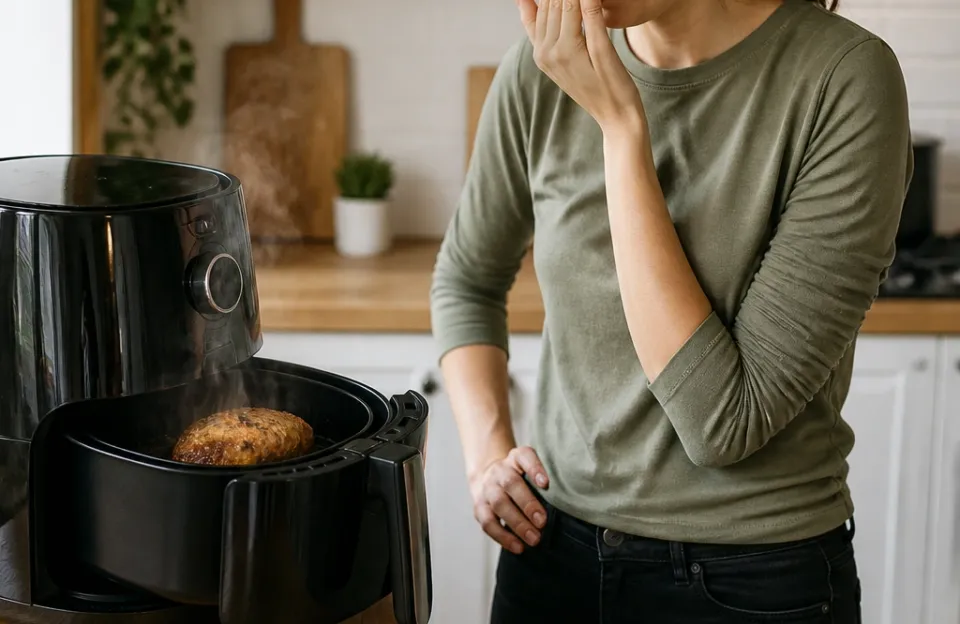
Air fryers cook by circulating extremely hot air around food using a high-speed fan and an exposed heating coil. That rapid airflow is great for browning chicken skin or crisping potatoes. It also blows any loose debris directly over your meal.
When old grease or trapped crumbs hit that 400-degree heating element, they burn instantly. The fan then pushes that smoke through the entire basket.
Most of the time, a bad smell during cooking means the appliance needs a deep clean. Fat drips down through the basket holes into the bottom drawer. Over several meals, that fat polymerizes.
It turns into a sticky, dark layer that bonds to the metal. Every time the machine heats up, that layer smolders.
You might notice this most when you switch between different types of food. If you cook breakfast strips one morning and bake fish later that afternoon, the lingering pork fat will mix with the seafood aroma. The enclosed space traps those volatile organic compounds until the next preheat cycle burns them off.
The Factory Coating Burn-Off
Every brand-new air fryer has a slight chemical smell during its first few runs. Manufacturers apply protective oils and anti-rust coatings to the heating elements and interior metal before shipping. These coatings keep the parts safe in humid warehouses.
They are not meant to stay on the machine when you start cooking dinner.
When you plug in a new unit and set it to a high temperature, those protective layers vaporize. This produces a sharp, plastic-like, or metallic odor. It can be strong enough to make you open your kitchen windows.
This is completely normal for the first two or three uses. The smell fades as the coatings fully cure and burn away. Running the empty machine at its highest setting for fifteen minutes before your first meal speeds up this process.
Grease Buildup Around the Heating Coil
The heating coil sits at the top of the cooking chamber, right above the food. As the fan spins, it pulls moisture and microscopic fat droplets upward. Those droplets land on the coil and the metal housing surrounding it.
Because the coil gets hotter than anywhere else in the machine, that grease scorches immediately.
People often clean the removable basket and forget the ceiling of the appliance. You cannot submerge the main unit in water, so the top section gets ignored. Over months of use, a thick crust forms around the element.
This crust smells acrid and smoky every time the machine reaches temperature. Wiping the upper interior with a damp cloth after the unit cools down prevents this buildup.
Food Particles Trapped in the Fan Blades
Behind the heating element is the circulation fan. Its job is to push air down and around the food. Sometimes, lightweight items get sucked upward.
A piece of parchment paper, a spinach leaf, or a thin slice of onion can slip past the basket guard and stick to the fan blades.
Once stuck there, that food dries out and chars. The fan keeps spinning, spreading the burnt smell evenly across whatever you are cooking. If your appliance suddenly smells terrible halfway through a recipe, turn it off, let it cool, and check the upper fan area.
Removing a single charred scrap of food often solves the problem immediately.
What Different Air Fryer Odors Mean
The specific type of smell tells you exactly where the problem originates. Paying attention to whether the odor is sweet, chemical, or smoky saves you from replacing parts that only need a scrub.
| Odor Type | Most Likely Cause | Where to Look |
|---|---|---|
| Sharp chemical or plastic | Factory coating curing | Heating element, new units |
| Rancid, stale oil | Old polymerized grease | Bottom drawer, basket rim |
| Acrid smoke | Burnt food debris | Top fan blades, heating coil |
| Sweet, caramelized | Sugary marinades or glazes | Nonstick walls, drip tray |
| Melting rubber | Damaged wire insulation | Power cord base, rear vent |
A chemical smell is almost always tied to a recent purchase. A rancid smell means you need better cleaning habits. Smoke means something is actively burning inside the chamber.
Burning Plastic Scent From External Parts
If the smell resembles melting plastic and the machine is older than a month, look outside the cooking chamber. Check the power cord where it enters the back of the housing. If the cord is bent sharply or resting against the hot exterior exhaust vent, the rubber insulation can soften and emit a toxic odor.
Also inspect the rubber feet on the bottom. If the appliance sits too close to another heat source, or if a previous owner placed it on a hot stove burner by mistake, those feet melt. Unplug the machine immediately if you smell melting plastic.
Let it cool and inspect the wiring and base. Never run an appliance with compromised electrical insulation.
Fishy Smells That Won't Go Away
Seafood leaves behind trimethylamine, a compound that clings stubbornly to porous surfaces and oils. If you recently cooked salmon or shrimp, that fishy odor embeds itself into the grease layer inside the drawer. Even if you wash the basket with soap, the smell lingers because the fat holding the odor is still attached to the hidden crevices.
Acid neutralizes this specific smell. Wiping the interior with white vinegar or lemon juice breaks down the amine compounds. I usually suggest wiping the whole chamber down after preparing a quick seafood dinner to stop the odor from setting into the grease.
How Rapid Air Circulation Spreads Odors
Understanding the mechanics helps explain why these smells are so aggressive. An air fryer moves air much faster than a standard oven. The fan cycles the entire volume of air inside the chamber multiple times per minute.
This constant movement means any odor source is continuously broadcast over your food.
In a conventional oven, smells tend to pool near the bottom or escape slowly through vents. In an air fryer, the tight space and high velocity create a closed loop. Smoke generated at the top hits the food at the bottom, bounces off the drawer, and goes right back up to the heating element.
This is why even a tiny amount of burnt residue causes a massive stink. The system amplifies it. According to basic thermodynamic principles outlined by the National Institute of Standards and Technology, higher temperatures exponentially increase the rate at which volatile compounds evaporate.
At 400 degrees, fats and proteins release odor molecules rapidly, and the fan ensures they reach your nose within seconds.
Cleaning Steps to Eliminate Bad Smells
Fixing the issue requires breaking down the polymerized grease. Standard dish soap and a quick rinse rarely work once the fat has hardened. You need a method that lifts the carbon buildup without scratching the nonstick coating.
Scratching the coating creates tiny grooves where more grease hides, making future smells worse.
- Unplug and cool. Never attempt to clean the interior while the element is hot. Wait at least thirty minutes after your last cook.
- Remove the basket and drawer. Wash these separately in warm, soapy water. Let them soak for ten minutes if you see dark, sticky spots. Use a soft sponge, never steel wool.
- Make a baking soda paste. Mix three tablespoons of baking soda with one tablespoon of water. Baking soda is mildly abrasive and alkaline, which cuts through acidic grease residues.
- Apply to the interior. Using a soft cloth or an old toothbrush, spread the paste over the bottom of the main unit, the walls, and carefully around the heating element. Avoid getting large globs directly into the fan motor housing.
- Let it sit. Leave the paste inside for fifteen to twenty minutes. It needs time to break the bond between the grease and the metal.
- Wipe clean. Dampen a cloth with warm water and wipe out all the paste. Rinse the cloth frequently. You will likely see brown or black streaks coming off. That is the burnt fat releasing.
- Do a vinegar rinse. Dampen a fresh cloth with plain white vinegar and wipe the interior again. This removes the baking soda film and neutralizes lingering odors.
- Run it empty. Put the dry basket back in. Set the machine to 350 degrees for five minutes. This dries out any remaining moisture and burns off the vinegar scent.
Doing this deep clean once a month prevents the question of why does my air fryer smell from ever coming up. If you cook heavily breaded foods or fatty meats daily, you might need to do it every two weeks. Routine upkeep matters more than the intensity of the scrubbing.
Reaching the Hidden Areas Behind the Element
The hardest place to clean is directly above the heating coil. Most people cannot fit their hands in there safely. Turn the unplugged, cooled machine upside down.
Looking up into the cavity gives you a clear view of the fan and the back of the element.
Use a long-handled bottle brush or a foam paintbrush dipped in your baking soda paste to reach those upper surfaces. Gently scrub the fan blades. Be careful not to bend them.
A bent blade throws the fan off balance, causing loud rattling noises and uneven cooking. Wipe away the loosened grime with a barely damp microfiber cloth.
Preventing Odors During Everyday Use
Stopping smells before they start is easier than scrubbing carbon off a heating coil. Small adjustments to how you load and prep your food make a huge difference.
Avoid aerosol cooking sprays. Commercial sprays contain propellants and emulsifiers like soy lecithin. These additives do not break down cleanly under high heat.
They leave a gummy, sticky residue on nonstick surfaces that eventually burns and smells terrible. Buy a cheap oil mister and fill it with pure avocado, olive, or canola oil instead.
Do not overcrowd the basket. When food is stacked too high, the air cannot circulate properly. Moisture gets trapped.
Instead of crisping, the food steams, drips excess liquid, and spatters grease wildly around the chamber. Leaving space between pieces keeps the air moving cleanly. Giving your vegetables enough room when you roast sliced potatoes stops excess starch and oil from pooling at the bottom.
Line the drawer when cooking messy items. Perforated parchment liners catch dripping cheese, sugary glazes, and heavy marinades. The holes allow air to flow through while keeping the bulk of the mess off the bare metal.
Just make sure the liner is weighed down by food. A loose piece of parchment flies up into the heating element and catches fire, which creates the worst smell of all.
Wipe the rim after every use. The groove where the basket slides into the main unit collects grease splatter constantly. Run a paper towel around that lip while the machine is still slightly warm from cooking.
The heat keeps the fat liquid, making it effortless to wipe away.
Situations Where Smells Are Harder to Control
Some variables make odor control tougher. Knowing these edge cases helps you adjust your expectations and your cleaning schedule.
High-fat foods change the math. If you regularly prepare large batches of wings, the sheer volume of rendered fat overwhelms the drawer. Chicken skin releases a massive amount of oil at high temperatures.
Even with a liner, fine mist coats the upper walls. You will need to clean the ceiling of the chamber much more often if poultry is your primary protein.
Sweet marinades burn faster than savory ones. Sugar caramelizes around 320 degrees and burns shortly after. Teriyaki sauce, honey mustard, or barbecue rubs blacken quickly.
That burnt sugar sticks to the nonstick coating like glue. For sticky recipes, lower the cooking temperature by twenty-five degrees and add a few extra minutes to the cook time. This gentle approach cooks the food without scorching the glaze onto the machine's walls.
Humidity affects storage odors. If you put the basket back into the drawer while both are still wet from washing, the trapped moisture breeds mildew. Mildew smells musty and sour.
Always dry the components completely with a towel or let them air dry on a rack before reassembling the unit. Storing the appliance with the drawer slightly cracked open allows ambient air to flow through, preventing stagnant smells.
Older machines lose their nonstick properties. After a year or two of heavy use, the coating wears thin. Bare metal absorbs grease differently than coated metal.
It holds onto carbon deposits tighter. If your older model smells no matter how thoroughly you scrub it, the worn surface might be the culprit. At that point, replacement is usually more practical than fighting the degraded finish.
Misconceptions About Air Fryer Odors
People often misdiagnose the source of the smell or try fixes that damage the appliance. Clearing up these mistakes protects your machine and your kitchen air.
- Assuming a new smell means the unit is defective. A strong chemical odor during the first three uses is standard. The factory coatings must burn off. Only worry if the plastic smell persists after five or six full heating cycles.
- Putting the main housing in the dishwasher. The removable basket and drawer are usually dishwasher safe. The main body containing the motor, fan, and plug is strictly hand-wipe only. Submerging it ruins the electronics and creates dangerous short circuits.
- Using harsh oven cleaners. Heavy-duty chemical degreasers strip the nonstick coating off the interior walls. Once that coating is gone, food sticks permanently, and the bare metal rusts. Stick to baking soda, vinegar, and mild dish soap.
- Thinking the smell comes from the food itself. While certain foods are pungent, a lingering foul odor that lasts days after cooking points to grease buildup inside the machine, not the ingredients you used.
- Ignoring the exhaust vent. The back of the appliance blows out hot air. If you push the machine flush against a wall or a backsplash, that hot exhaust gets trapped. It overheats the external casing and can singe nearby materials. Leave at least five inches of clearance behind the unit.
Frequently Asked Questions
Is a chemical smell from a new air fryer dangerous?
No. The smell comes from protective manufacturing oils burning off the heating element. It is unpleasant but generally harmless.
Run the appliance empty at its maximum temperature for fifteen minutes in a well-ventilated room to speed up the process. The odor should disappear entirely after two or three uses.
Why does my air fryer smell like burning plastic after months of use?
If the machine is not new, a burning plastic smell indicates a hardware issue. Check the power cord for fraying or melting near the base. Inspect the rubber feet to see if they touched a hot surface.
Also verify that no plastic utensils or packaging materials accidentally fell into the rear exhaust vent. Unplug the unit immediately and do not use it until you identify the melting source.
Can I use aluminum foil to stop grease smells?
Yes, placing a small piece of foil at the very bottom of the outer drawer catches drips before they bake onto the metal. However, never cover the entire basket with foil. Blocking the airflow prevents the food from cooking and forces the fan to work harder, which can overheat the motor.
Keep the foil flat and away from the heating element.
How often should I deep clean the interior to prevent odors?
For average home use, a deep clean with baking soda and vinegar once a month keeps smells away. If you cook daily or frequently prepare high-fat foods like bacon or chicken thighs, aim for every two weeks. Wiping the rim and drawer out with a paper towel after every single use drastically reduces how often you need to deep clean.
Does cooking certain oils cause worse smells than others?
Oils with low smoke points burn faster and produce more acrid smoke. Extra virgin olive oil and unrefined coconut oil smoke at relatively low temperatures. Avocado oil, refined peanut oil, and canola oil handle the high heat of an air fryer much better.
Switching to a high-smoke-point oil reduces the amount of burnt residue left on the heating coil.
Will leaving the basket out to air dry stop mildew smells?
Leaving the basket separated from the main unit allows air to circulate through both pieces. This prevents the trapped moisture that causes mildew. Just make sure the interior of the main housing is wiped dry with a cloth before you store it.
Ambient drying works best when the components are not nested tightly together.
Keeping Your Kitchen Air Clean
Smells from an air fryer almost always trace back to heat meeting leftover residue. Whether it is factory oil on a new unit or week-old bacon grease on a seasoned one, the mechanism is the same. High temperatures vaporize the debris, and the powerful fan distributes it.
Staying ahead of the buildup takes very little effort. Wipe the rim while it is warm. Soak the drawer weekly.
Use a baking soda paste monthly. Avoid aerosol sprays that leave gummy propellants behind. By treating the hidden upper areas with the same attention you give the removable basket, you stop odors before they start.
And if you ever want to test how well your routine is working, try tossing in some lightly oiled veggies; knowing how long zucchini needs to roast cleanly without smoking is a good benchmark for a truly odor-free machine. Keep the heating element clear, respect the airflow, and the appliance will only smell like whatever you are cooking.