For most US households with compliant municipal water, certified filtered tap water is the practical daily choice. Bottled spring water makes more sense in specific cases: when your local supply is compromised, when you need the portability, or when you specifically prefer a particular mineral profile. The sections below explain how to check those conditions for your own household so you can decide with evidence rather than marketing claims.
What Each Water Type Actually Is
Spring water and filtered water are defined on completely different bases, which is why comparison gets confusing.
Spring water is defined by its origin. Under FDA rules, it must come from an underground formation from which water flows naturally to the surface, and it must be collected at the spring or through a borehole tapping the underground formation feeding the spring. That is an origin standard, not a purity standard. A spring water brand can still contain naturally occurring minerals, and depending on the source, it can also contain contaminants that the FDA’s bottled water rules are designed to limit.
Filtered water is defined by its treatment. It starts from whatever source you have (usually municipal tap water) and passes through a device that reduces specific contaminants. The result depends on two things: what is in the source water and what the filter is certified to remove. A filter that is excellent for chlorine taste may do nothing for lead or PFAS. This is why “filtered water” is not a single product category with a single safety profile.
That distinction matters for the rest of this comparison. Spring water quality is tied to a specific source and its FDA-regulated testing. Filtered water quality is tied to your local source and the certified performance of the device you choose.
How Safety Standards Differ Between Sources
Municipal tap water in the US is regulated by the EPA under the Safe Drinking Water Act, which sets contaminant limits and requires public water systems to monitor and report results. Consumers can look up the quality of drinking water in their area by reading the local Consumer Confidence Report. The EPA’s Consumer Confidence Report page is the official starting point for finding your local report. The EPA’s main site also hosts broader drinking water resources if you want to go beyond the report itself.
Bottled water, including spring water, is regulated by the FDA as a food product, with specific rules for bottled water under 21 CFR 165.110. That framework sets quality standards and testing requirements, but the public disclosure model is different from the municipal one: bottled water brands are not required to publish a report equivalent to a Consumer Confidence Report. If you want to know what a specific spring water brand tests for, you generally have to contact the company or review what it chooses to publish.
The practical implication is asymmetric transparency. For filtered tap water, you can usually find your system’s test results and then verify what your filter is certified to remove. For bottled spring water, the testing happens, but the burden of finding details falls more heavily on you.
One important nuance: “filtered” is not automatically safe. A filter only helps with the contaminants it is certified to reduce. If your concern is a specific contaminant such as lead, fluoride, or PFAS, you need a filter certified for that contaminant, not just any pitcher or faucet attachment. If your water comes from a private well rather than a municipal system, the EPA rules do not cover your source at all, and testing is your responsibility.
How to Check Your Own Water and Your Filter
Before choosing between spring water and a filter, get two pieces of information: what is in your water and what the filter actually removes.
For municipal water, request or download your Consumer Confidence Report. It lists detected contaminants, their levels, and the regulatory limits they are measured against. You can find your report through the EPA’s Consumer Confidence Report page. Read it with a specific question in mind: does my water have any detected contaminant near or above its limit, or any contaminant I specifically care about?
If your report shows a concern, or if you have a private well, consider testing. Testing tells you what is actually in your water rather than what is typical for your region.
For the filter, look for NSF/ANSI certification. Certification is specific: a filter is certified for particular contaminants under a particular standard. “NSF certified” alone is not enough information. Check the certification listing for the exact model and confirm it covers the contaminant you want reduced. A filter marketed for taste and odor is not the same product as one certified for lead reduction.
This two-step verification is what turns “filtered water” from a vague category into a specific, defensible choice for your household.
Taste and Mineral Content
Taste differences between spring water and filtered water are real but personal. What one person describes as crisp, another may describe as flat, and there is no objective ranking that applies to everyone.
What is more measurable is mineral content, typically discussed in terms of total dissolved solids (TDS) and hardness. These vary widely by spring source and by your starting tap water. A filter can change both: some filters reduce TDS, while others (such as certain carbon filters) primarily target chlorine and taste compounds while leaving minerals largely in place.
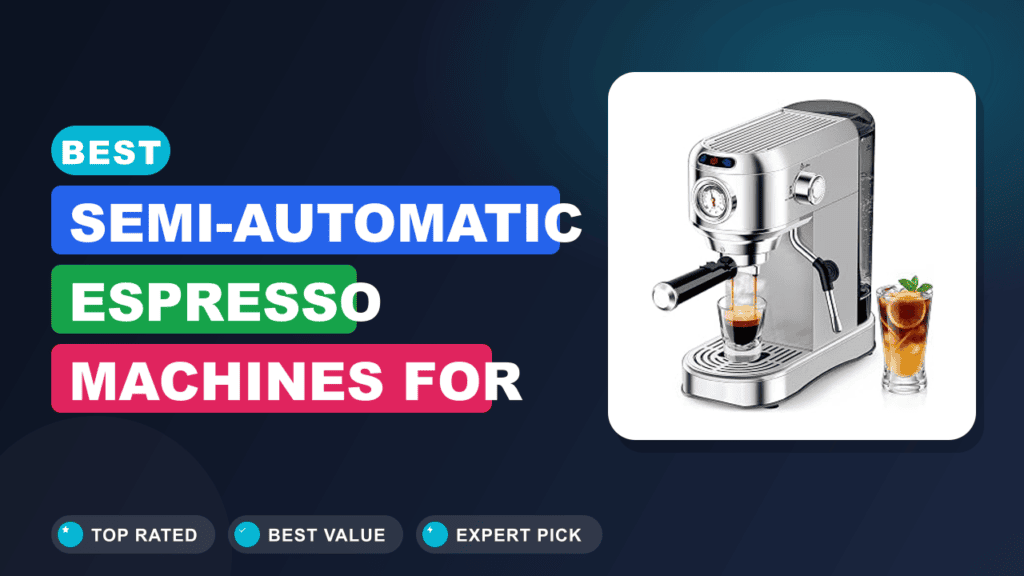
For everyday drinking, the practical question is simply whether you like the taste. For kitchen appliances, the question becomes more specific. Espresso machines and other appliances with boilers or reservoirs can be affected by water hardness and scale over time. If you use a spring water with high mineral content in an espresso machine, scale buildup is a legitimate maintenance concern, and the manufacturer’s water recommendations for your specific model are the relevant guide. If you use filtered water, the filter’s effect on hardness is what matters, not the label on the device.
The bottom line: taste is a preference, but mineral content has practical consequences for equipment, so match the water to the appliance’s requirements rather than to a general reputation.
Cost Over Time
Cost is often the deciding factor for daily use, and the comparison structure is straightforward even without current price figures.
Bottled spring water is a recurring purchase. You pay per bottle or per gallon, indefinitely, with no upfront equipment cost. The ongoing cost scales directly with how much you drink, and it does not decline over time.
Home filtration typically has an upfront cost (the system or pitcher) plus recurring filter replacement. The ongoing cost per gallon depends on the system, the filter’s rated capacity, and how much water you use. Because filters have a rated lifespan, the cost model is: purchase price divided by total gallons filtered, plus the cost of replacement filters over the same period.
Two practical cautions. First, filter replacement is not optional; a filter past its rated capacity may stop reducing the contaminants it was certified for. Second, a cheap system with frequent, expensive replacement filters can cost more over a year than a more expensive system with longer-lasting filters. Compare total cost per gallon, not sticker price.
For a household drinking water daily, filtration usually wins on ongoing cost because you are paying for treatment rather than for packaging, transport, and retail margin on every unit. The exception is low-volume use, where a filter’s upfront cost may not pay back quickly, or where your specific circumstances (travel, unreliable supply) make bottled water the practical option regardless of cost.
Environmental Impact
The environmental comparison generally favors filtered tap water over single-use bottled water, primarily because bottled water adds packaging, transport, and disposal on top of the water itself. That is a directional conclusion, and the size of the difference depends on factors like how far the bottles travel, how they are disposed of, and how the filter is maintained.
Recycling is often raised as a mitigating factor for bottled water, but recycling rates for plastic bottles are far from complete, and recycling still requires collection, processing, and energy. Recycling reduces the impact compared with landfilling but does not eliminate it.
For filtered tap water, the main environmental considerations are the filter housing and the spent filter cartridges, which are much smaller in volume than bottles for the same amount of water. The tradeoff is real but generally smaller in scale.
If environmental impact is a priority for you, filtered tap water is the lower-impact default for daily use, and bottled spring water is best reserved for situations where it is genuinely necessary.
Practical Factors for Kitchen Use and Appliance Care
How you use water in the kitchen can tip the decision.
For drinking and cooking, filtered tap water gives you a consistent, verifiable baseline that you can adjust by choosing a filter certified for your concerns. For appliances, the key variables are hardness and TDS, because they drive scale and maintenance needs. If you have an espresso machine or another appliance with specific water requirements, check the manufacturer’s guidance for that model and match your water to it. Spring water with high mineral content may be pleasant to drink but demanding on equipment, while a filter that reduces hardness may be the better fit for the machine.
Storage and handling also differ. Filtered water is available on demand from your tap, while bottled water requires storage space and restocking. For daily cooking and drinking, on-demand filtration is usually more convenient.
Which Option Fits Your Specific Situation
Municipal water with a clean report: Certified filtered tap water is the practical daily choice. You have public water quality data, you can verify filter certification, and ongoing cost and waste are lower.
Municipal water with a detected concern: Match the filter to the specific contaminant. Do not assume any filter will address it. If no certified filter is practical for your situation, bottled spring water may be a reasonable temporary or supplemental option while you address the underlying issue.
Private well: EPA rules do not cover your source, so testing is the starting point. Once you know what is in the water, select a treatment or filter accordingly. This is an area where the answer depends entirely on your test results rather than on a general rule.
Renter or temporary housing: Filtration options that do not require permanent installation, such as pitchers or countertop systems, allow you to improve water quality without modifying the property. Verify certification for the contaminants you care about.
Budget-focused household: Compare total cost per gallon over a year, including filter replacements, rather than upfront price alone. For daily drinking volume, filtration typically costs less over time than bottled water.
Appliance owner (espresso, kettle, etc.): Prioritize water that matches the appliance’s hardness and TDS recommendations. The manufacturer’s guidance for your exact model is the relevant standard.
Emergency or travel: Bottled water is the practical choice when tap access or treatment is unavailable. This is a use case for bottled water, not a reason to rely on it daily.
Combination approach: Many households use filtered tap water for daily drinking and cooking and keep bottled spring water for travel, guests, or backup. This captures most of the cost and environmental benefit of filtration while retaining bottled water’s convenience when it is genuinely needed.
Making Your Final Water Decision
Start with your Consumer Confidence Report and, if needed, a water test. That tells you whether your municipal water has any concern worth addressing. Then verify that your chosen filter is certified for the specific contaminants you care about.
If your water is compliant and you can find a certified filter for your concerns, filtered tap water is the better daily choice on cost, waste, and verifiability. Choose bottled spring water when your local supply is compromised, when you need portability or emergency backup, or when you have a specific preference for a spring’s mineral profile and are willing to pay the ongoing cost.
The decision is not permanent, and it does not have to be all-or-nothing. Use filtration as your daily baseline, keep bottled spring water for the situations where it makes sense, and revisit the choice if your water report or circumstances change. That approach gives you the practical benefits of both options without overcommitting to either.