Air fryer fajitas typically take 10 to 15 minutes for chicken, 8 to 12 minutes for steak strips, and 5 to 8 minutes for shrimp at 375 to 400 degrees F. The exact time depends on strip thickness, how full the basket is, and your appliance. Protein type changes the answer more than anything else, so treat any single number as a starting point rather than a finish line.
The Short Answer by Protein
Set the air fryer to 375 to 400 degrees F for fajitas. At that range, sliced chicken breast usually needs 10 to 15 minutes, flank or skirt steak strips about 8 to 12 minutes, and large shrimp 5 to 8 minutes.
Those windows assume strips of roughly even thickness, a single layer with a little breathing room, and a preheated basket if your manual calls for preheating. They shift when any of those conditions change.
The only reliable finish line is internal temperature, not the clock. Use the times above to decide when to start checking, then let the thermometer make the call.
Safe Internal Temperatures for Chicken, Steak and Shrimp
Time tells you when to check. Temperature tells you when the food is safe.
- Chicken: All poultry, including ground poultry, must reach 165 degrees F (73.9 degrees C).
- Steak strips: Whole-muscle beef steaks should reach 145 degrees F (62.8 degrees C), then rest for at least 3 minutes.
- Shrimp: Fish and shellfish should reach 145 degrees F (62.8 degrees C). Shrimp are also done when the flesh is pearly or white and opaque.
For steak, the 3-minute rest matters. Resting allows the innermost parts and juices to finish cooking safely. If you prefer steak cooked beyond medium-rare, you may choose a higher internal temperature for personal preference.
Chicken is the protein with no flexibility here. A strip that looks white and firm on the outside can still be under 165 degrees F in the center, and only a thermometer resolves that.
Why Fajita Timing Varies So Much
Air fryers are essentially countertop convection ovens that cook food faster than full-size ovens. They circulate hot air in a relatively airtight space, which is why food browns quickly and why timing is less forgiving than in a skillet.
Three factors move the clock the most.
Strip thickness. Thin strips cook through fast and can dry out before they brown. Thick-cut strips need more time, and if they overlap, the center lags behind the surface.
Basket crowding. Overcrowding blocks air circulation and prevents food from cooking properly. A full basket can add several minutes and still produce uneven results.
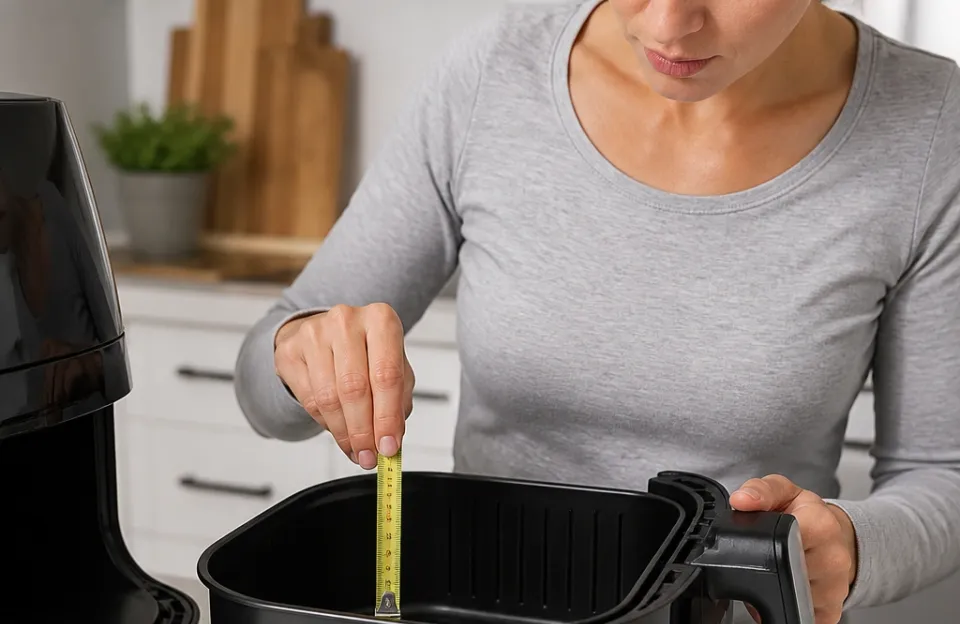
Appliance size and power. Cooking times vary between air fryers because of size and power differences, even though the safe internal temperature never changes.
If your air fryer runs hot, or your basket is smaller than the recipe assumes, start checking two minutes before the low end of the range given above.
Preparation Steps That Affect Cooking Time
How you prep the strips changes how fast they cook and how well they brown.
Slice evenly. Aim for consistent thickness so all the strips finish at roughly the same time. Uneven pieces mean some strips overcook while thicker ones are still raw inside.
Pat the meat dry. Surface moisture steams rather than browns, and wet strips also cool the basket when they go in. Dry surfaces brown faster, which shortens the window between cooked and overcooked.
Season, but avoid a wet coating. A heavy liquid marinade adds moisture that has to cook off before browning starts. If you marinate, let excess marinade drain rather than pouring it into the basket.
Keep raw and cooked separate. Use a separate cutting board for raw meat and vegetables. Raw meat, poultry and seafood should stay away from ready-to-eat foods to prevent cross-contamination. Wash hands with soap and water for 20 seconds before and after handling raw ingredients.
Step-by-Step: Cooking Fajitas in the Air Fryer
- Check your manual first. Preheat guidance, maximum fill lines, and whether foil or parchment is permitted all vary by model. Whether you cook raw or pre-cooked meat, follow the manufacturer’s instructions.
- Preheat only if your manual specifies it. Some air fryers recommend a short preheat, others do not require one. Skip blanket preheat advice and follow your appliance’s guidance.
- Pat the strips dry and season them. Keep the seasoning light enough that it coats the meat rather than caking it.
- Arrange in a single layer. A little overlap is tolerable if you shake the basket; a packed basket is not. When cooking a large amount, it is best to work in batches rather than all at once.
- Cook the meat, then the vegetables. Meat and vegetables release moisture at different rates and need different times. Cooking them together steams both. Cook the meat first, set it aside, then cook the peppers and onions in the same basket.
- Shake the basket halfway. This breaks up clumps, re-exposes surfaces to hot air, and evens out browning.
- Start checking at the low end of the time range. Insert the thermometer into the thickest part of the largest piece.
- Rest steak for 3 minutes before slicing further or serving.
If you are also cooking sides, the same airflow logic applies to air fryer potatoes or other basket recipes, so keep batches separate rather than stacking everything in at once.
Protein Timing Reference Table
| Protein | Temperature | Start checking at | Safe internal temperature | Doneness cue |
|---|---|---|---|---|
| Chicken breast strips | 375–400 degrees F | 10 minutes | 165 degrees F (73.9 degrees C) | Opaque throughout, juices run clear, thermometer confirms |
| Flank or skirt steak strips | 400 degrees F | 8 minutes | 145 degrees F (62.8 degrees C) with 3-minute rest | Thermometer reaches target; rest before serving |
| Large shrimp | 400 degrees F | 5 minutes | 145 degrees F (62.8 degrees C) | Flesh pearly or white and opaque |
| Peppers and onions | 400 degrees F | 8 minutes | Not applicable | Tender with browned edges, shaken halfway |
Times are starting points for checking, not guaranteed doneness. Your appliance, strip thickness, and batch size will move them.
Troubleshooting Common Air Fryer Fajita Problems
The seasoning is burning before the meat cooks through. Burnt spice usually means the temperature is too high for the coating, or the strips are heavily coated. Reduce the temperature slightly, use a lighter coating, or add delicate seasonings after cooking. Air fryers heat intensely and rapidly, so a spice rub that works in a skillet can scorch in circulating air.
The basket is pooling moisture. This is almost always crowding or wet meat. Pat the strips dry, cook in smaller batches, and avoid pouring marinade into the basket.
Some strips are done and others are raw. Uneven thickness is the usual cause. Slice more consistently, shake the basket halfway, and check several pieces rather than just the top layer.
The air fryer is smoking. Old grease on the bottom of the basket or heating element will smoke as soon as the appliance reaches high heat. Clean the basket and element before cooking at high temperatures. If the oil itself is smoking during cooking, stop and reduce the temperature.
The vegetables are soggy. Vegetables release a lot of water. Cook them separately from the meat, in a single layer, and give them enough time at 400 degrees F to brown rather than steam.
Stop Conditions and Safety Notes
Stop cooking and reassess if any of these happen.
- Chicken is below 165 degrees F after the expected time. Return it to the basket and keep checking. Do not serve poultry based on appearance or texture alone.
- The oil or residue in the basket is smoking. Turn off the appliance, let it cool, and clean it before continuing. Do not keep cooking through visible smoke.
- Foil, parchment or paper towels are lifting or touching the heating element. Follow your manual on whether these are permitted at all, and never let loose material contact the element. Manufacturer instructions take priority over general advice.
- Raw, stuffed breaded chicken breast products are on the menu. These should not be cooked in the air fryer.
- Cooked food has been sitting out. Refrigerate leftovers within 2 hours to stay out of the danger zone between 40 and 140 degrees F.
Never place cooked fajita meat back on the plate that held the raw strips.
Final Decision: Check Temperature, Then Adjust Time
Use 375 to 400 degrees F and the protein-specific windows above to decide when to start checking, then trust the thermometer: 165 degrees F for chicken, 145 degrees F with a 3-minute rest for steak, and 145 degrees F or pearly, opaque flesh for shrimp.
If the first batch needed longer than expected, add a couple of minutes to your starting check time next round rather than changing the temperature. If it cooked faster, check earlier. Your air fryer’s size and power will always shift the timing, but the safe internal temperatures stay the same.