Cooking salmon in an air fryer is a reliable way to get a crispy exterior while keeping the inside tender and flaky. Most salmon fillets need between 7 and 12 minutes at 400°F (200°C), depending on the thickness of the fish and your personal preference for doneness. Because air fryers circulate hot air rapidly, they act like high-powered convection ovens, which helps the fish cook faster and more evenly than it would in a traditional oven.
Knowing how long to cook salmon in an air fryer saves you the guesswork that often leads to dry, overcooked fish. Whether you are prepping a quick weeknight dinner or a more elaborate meal, understanding the relationship between temperature, thickness, and time is the key to consistent results.
Why the air fryer changes your cooking time
The primary reason salmon cooks differently in an air fryer is the intensity of the heat circulation. A traditional oven relies on radiant heat from the heating elements, which can take several minutes to stabilize and distribute. An air fryer, however, uses a powerful fan to blast hot air directly onto the surface of the food.
This process creates a Maillard reaction, the browning of the proteins and sugars, much faster than a standard oven.
Because of this efficiency, you usually need to reduce your cooking time compared to conventional methods. If you are used to roasting salmon at 400°F in a standard oven for 15 to 20 minutes, you will find that the air fryer accomplishes the same task in roughly 10 minutes. The compact size of the air fryer basket also means that the heat doesn't have to travel far to reach your fish, ensuring that the middle reaches a safe temperature without the edges turning into leather.
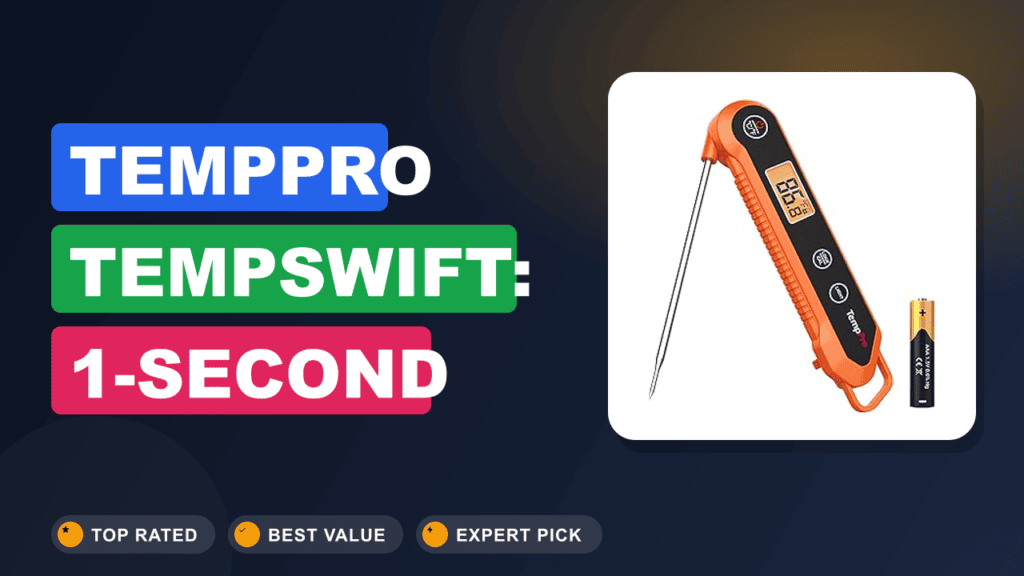
According to the United States Department of Agriculture, seafood should reach an internal temperature of 145°F (63°C) to be considered safely cooked. Using a meat thermometer is the only way to be 100% certain, but you can also use visual cues like the flesh becoming opaque and flaking easily with a fork to gauge when it is ready. You can find more details on food safety standards at the United States Department of Agriculture website.
Determining the right cooking time based on thickness
The thickness of your salmon fillet is the most significant factor in how long it needs to stay in the basket. A thin piece of Atlantic salmon will finish significantly faster than a thick cut of wild-caught sockeye or a large piece of center-cut salmon.
As a rule of thumb, add about one to two minutes of cooking time for every half-inch of thickness. If your fillets are about one inch thick at their widest part, start checking for doneness at the 8-minute mark. If you have thicker pieces measuring 1.5 inches or more, you may need to go closer to 12 or 13 minutes.
It is also important to consider the temperature of the salmon when it enters the air fryer. If you are taking the fish straight from the refrigerator, it will take slightly longer to reach the internal target than if it had been sitting on the counter for 10 minutes to take the chill off.
How different factors affect your timing
| Factor | Effect on Cooking Time |
|---|---|
| Thickness (per 0.5 inch) | Adds 1–2 minutes |
| Cold from fridge | Adds 1–2 minutes |
| Skin-on vs. Skin-off | Skin-on takes 1–2 minutes longer for crispiness |
| Air fryer preheating | Reduces total time by 1–2 minutes |
| Overcrowding basket | Increases time and prevents even cooking |
Preparing the salmon for the best texture
Before you start the timer, how you prep the fish matters. Many people wonder if they should rinse the salmon first. You generally do not need to wash fish; instead, pat the fillets dry with a paper towel.
Moisture is the enemy of crispiness. If the surface of the salmon is damp, the air fryer will steam the fish rather than sear it. By removing the surface moisture, you allow the heat to immediately begin crisping the exterior.
Next, consider your seasoning. Oil or fat is necessary to help the heat conduct and to prevent the fish from sticking to the basket. A light brush of olive oil or avocado oil is sufficient.
If you are using a dry rub, apply it after the oil so it adheres to the surface. Avoid using sugary marinades or glazes until the final few minutes of cooking, as the high heat of an air fryer can cause sugar to burn and turn bitter before the fish is cooked through.
Step-by-step guide to air frying salmon
When you are ready to cook, follow these steps to ensure a consistent outcome.
- Preheat your air fryer: Set the unit to 400°F (200°C) and let it run for three minutes. A hot basket ensures the salmon begins cooking the moment it hits the surface.
- Pat the fish dry: Use a paper towel to remove all moisture from the skin and the flesh side of the salmon fillets.
- Season the fillets: Rub a small amount of oil onto the fish and add your chosen seasonings, such as salt, pepper, garlic powder, or paprika.
- Place in the basket: Arrange the salmon in the basket, skin-side down. Ensure the pieces are not touching, as air needs to flow around each fillet to cook them evenly.
- Set the timer: Start with 8 minutes for standard 1-inch fillets.
- Check for doneness: At the 7-minute mark, open the basket. Use a fork to test the thickest part. If the fish flakes easily and looks opaque, it is done.
- Rest the fish: Remove the salmon and let it rest on a plate for two minutes before serving. This allows the juices to redistribute throughout the meat.
Handling skin-on versus skin-off fillets
Many home cooks are split on whether to keep the skin on during the cooking process. Cooking salmon with the skin on is often easier in an air fryer because the skin acts as a protective barrier between the delicate flesh and the hot metal of the basket. It prevents the fillet from falling apart when you try to lift it out.
If you enjoy crispy skin, ensure the skin side is oiled lightly. If you prefer to avoid the skin, it is often easier to cook it with the skin on and then peel it off after cooking, as the flesh will have pulled away from the skin during the heating process. If you decide to cook skin-off, be sure to grease the basket rack generously, as skinless salmon is much more likely to stick to the metal.
Avoiding common mistakes with air fryer salmon
Even with a simple process, a few common errors can ruin a good piece of fish.
- Overcrowding: If you put too many fillets in the basket at once, the air circulation is blocked. This leads to parts of the fish being undercooked while others might dry out. Always give the fillets room to breathe.
- Skipping the thermometer: Visual checks are helpful, but a meat thermometer is the only way to guarantee safety. If the salmon looks done but is cold in the middle, you have to put it back in, which ruins the texture. Aiming for 145°F is the standard.
- Cooking at too low a temperature: Some recipes suggest lower temperatures, but 400°F is the "sweet spot" for salmon. It is hot enough to crisp the top without drying out the moisture inside. Lower temperatures often result in a mushy texture.
- Not letting it rest: Salmon continues to cook for a minute or two after being removed from the air fryer. If you cut into it immediately, the moisture escapes. Giving it two minutes of rest time makes a noticeable difference in the final quality.
Frequently asked questions
Should I flip the salmon halfway through?
You generally do not need to flip salmon in an air fryer. Because the air circulates around the entire chamber, the top and sides of the fish cook effectively without needing to be turned. Flipping the fillets often causes them to break apart, especially if they are tender.
Can I cook frozen salmon in the air fryer?
You can cook salmon from frozen, but you will need to adjust the time. Add about 4 to 5 minutes to your usual cooking duration. It is also a good idea to cook at a slightly lower temperature, around 375°F, for the first few minutes to ensure the center thaws before the outside becomes too dark.
How do I prevent the fish from sticking?
To prevent sticking, ensure the basket is clean and preheated. Brushing the basket rack with a little oil or using a piece of perforated parchment paper made for air fryers can also help significantly. If you are using parchment, make sure the paper is weighed down by the food so it doesn't fly up into the heating element.
What if my salmon is finished, but I want the top crispier?
If the internal temperature is correct but you want a better crust, you can leave the salmon in for an extra 60 seconds at a slightly higher temperature or use the broiler function if your specific air fryer model has one. Watch it closely, though, as salmon can go from perfect to burnt in seconds.
Is it safe to use aluminum foil in the air fryer?
Using aluminum foil can make cleanup easier, but it can also block airflow. If you use it, ensure it only covers the bottom of the basket and does not extend up the sides. Always leave enough space around the edges for the air to circulate, or your food will not cook evenly.
How do I know if the salmon is overcooked?
Overcooked salmon will appear white and chalky rather than translucent and pink. If you cut into the center and it looks dry or the flakes are separating too easily into dust, it has been in the heat for too long. If you catch it early, you can serve it with a sauce, like a lemon butter or dill cream, to add some moisture back into the dish.
The bottom line
Finding the right time to cook salmon in an air fryer comes down to observing the thickness of your fillets and trusting your thermometer. Start at 400°F for 8 to 10 minutes, and adjust based on your specific appliance's performance. By keeping the fillets dry before they go in and letting them rest once they come out, you will consistently achieve a result that rivals restaurant quality without the hassle of a conventional oven.
Keep the basket clean, avoid overcrowding, and monitor the internal temperature to ensure safety and quality every time you cook.