To get crispy, juicy wings in an air fryer, you generally need to cook them at 400°F (200°C) for 20 to 25 minutes. This timing creates the best balance between rendering the fat in the skin and keeping the meat tender. If you prefer them extra crispy, you can add an extra 5 minutes, but you should keep a close eye on them to ensure they don't dry out.
How long you cook wings in an air fryer depends on the size of the wings, how crowded your basket is, and whether you are starting from frozen or fresh. This guide covers everything you need to know to get perfect results every time, from prep work to final seasoning.
Why the air fryer is perfect for wings
The air fryer is essentially a high-powered convection oven. It moves hot air around the food at a high speed, which is exactly what you need to achieve the "fried" texture without submerging the chicken in oil. When you cook wings in a standard oven, the heat is often too gentle to crisp the skin quickly, leading to rubbery fat.
In an air fryer, the concentrated heat creates a crust almost instantly.
Because the air fryer is small, it creates a more intense heat environment than a traditional kitchen range. This is why you don't need much, if any, extra oil to get that crunch. The fat within the chicken skin renders out, drips through the basket, and allows the skin to essentially fry in its own juices as the air circulates.
The golden rule for air fryer timing
While 20 to 25 minutes is the standard, this assumes your air fryer is preheated and your wings are dry. If you pull the wings straight from the refrigerator and toss them into a cold machine, you will likely need to add 3 to 5 minutes to your total cook time.
The importance of dry skin
One of the most common mistakes is failing to pat the wings dry. Moisture is the enemy of crispiness. If there is water on the surface of the chicken, that water has to evaporate before the skin can start to crisp up.
By using paper towels to remove all surface moisture before seasoning, you shorten the time the air fryer spends drying the surface, which allows it to focus entirely on browning.
Airflow and overcrowding
Air fryers work by circulating air. If you pack the basket to the brim, the hot air cannot reach the sides of the wings. This leads to "steaming" rather than frying.
You will get much better results if you arrange the wings in a single layer with a little bit of space between each piece. If you have a large batch, it is always better to cook them in two rounds rather than rushing the process and ending up with soggy, unevenly cooked wings.
How to cook fresh wings step-by-step
Cooking fresh chicken is a straightforward process. You do not need to overcomplicate the seasoning or the method to get a result that mimics a deep fryer.
- Pat dry: Use paper towels to remove as much surface moisture as possible.
- Season: Toss the wings in a bowl with a tablespoon of oil and your desired spices. Do not add heavy sauces at this stage, as the sugars will burn.
- Preheat: Let your air fryer run at 400°F for 3 minutes.
- Arrange: Place the wings in the basket in a single layer, ensuring they aren't touching.
- Cook: Set the timer for 20 minutes.
- Shake: Halfway through the cooking time, open the basket and use tongs to flip or shake the wings. This ensures even browning on all sides.
- Check: After 20 minutes, check the internal temperature with a meat thermometer. The USDA recommends an internal temperature of 165°F (74°C) for all poultry, which you can verify through resources like the USDA website.
| Wing Type | Temp | Cook Time |
|---|---|---|
| Fresh, Standard | 400°F | 20–25 Mins |
| Fresh, Extra Crispy | 400°F | 25–30 Mins |
| Frozen, Pre-cooked | 400°F | 12–15 Mins |
| Frozen, Raw | 380°F | 30–35 Mins |
Dealing with frozen wings
You can absolutely cook wings from frozen in an air fryer, but you have to adjust your strategy. If you throw frozen wings into the air fryer at 400°F immediately, the outside will burn or overcook before the inside thaws and reaches a safe temperature.
Start your air fryer at a slightly lower temperature, around 380°F, for the first 10 minutes to help them thaw safely. Once they have softened and begun to release their fat, you can turn the heat up to 400°F for the final 20 minutes to crisp the skin. If your wings are clumped together in a frozen block, you must let them thaw in the fridge or under cool running water first.
Air fryers are not designed to defrost a solid block of meat.
How to get maximum crispiness
If you are chasing that "shattered" skin texture, there are a few extra steps that take your wings to the next level. The first is the use of baking powder. Mixing a teaspoon of baking powder into your dry rub changes the pH level of the skin.
This helps the proteins break down more efficiently, which results in a crunchier finish.
Another trick is the "double-cook" method. You can cook the wings at 350°F for about 15 minutes to ensure they are fully cooked through, then crank the heat up to 400°F for the final 5 to 10 minutes. This draws out the moisture without the risk of burning the outside, providing a two-stage approach that works effectively for larger batches.
What about sauce?
Never put sauce on your wings while they are inside the air fryer. Most wing sauces contain sugar, honey, or molasses. These ingredients caramelize and then burn very quickly at temperatures over 300°F.
The sugars will turn black, stick to your air fryer basket, and produce a bitter, acrid smoke.
Always wait until the wings are fully cooked and removed from the air fryer basket before tossing them in sauce. If you want the sauce to be "baked on," you can toss the wings in a bowl with the sauce, return them to the air fryer for 1 to 2 minutes at 350°F, and serve immediately. This warms the sauce and lets it adhere to the skin without burning it.
Common mistakes and how to fix them
Even for experienced home cooks, wing preparation can have its pitfalls. Understanding these common issues will help you troubleshoot your results.
- Soggy wings: This almost always happens because of overcrowding or failing to dry the skin. Always leave space for air to move.
- Burnt skin but raw inside: You likely had your temperature set too high, or you were cooking frozen wings without an initial low-heat thaw. Reduce the temp to 375°F and cook longer.
- Wings sticking to the basket: If your basket isn't non-stick, a light spray of avocado or vegetable oil goes a long way. Do not use aerosol cooking sprays that contain soy lecithin, as these can damage the non-stick coating over time.
- Smoke in the kitchen: This happens when fat drips into the bottom of the air fryer and begins to burn. Place a piece of bread or a small amount of water in the bottom of the drawer (under the basket) to catch the grease and prevent it from smoking.
Understanding the "done" factor
While timers are useful, they are not foolproof. Every air fryer model distributes heat differently. Some models run "hot," meaning your wings might be done in 18 minutes, while others might take 28.
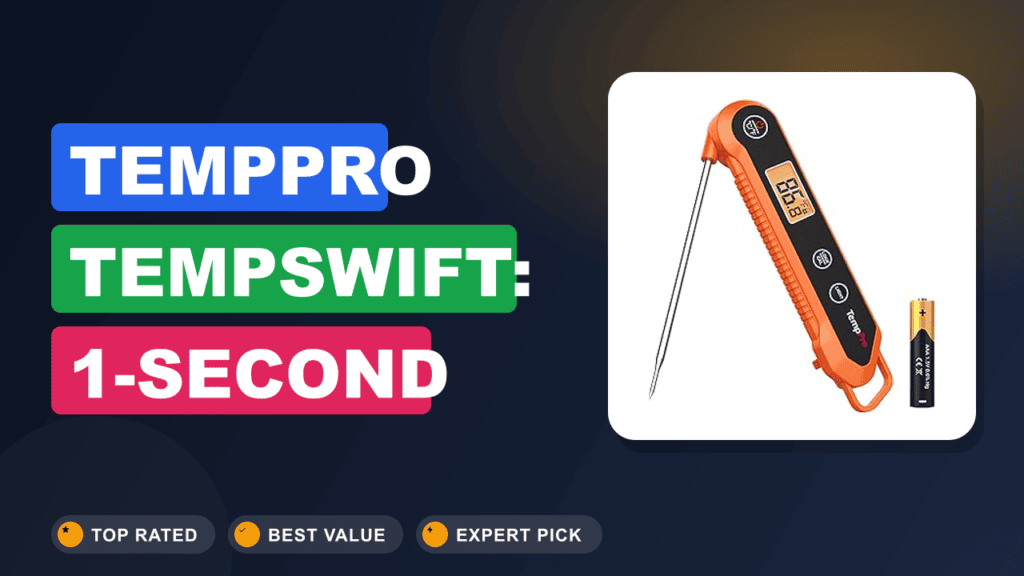
Relying on an instant-read thermometer is the only way to be 100% sure.
When checking your wings, insert the thermometer into the thickest part of the meat, making sure you don't hit the bone. Bone conducts heat faster than meat, which can give you a false reading if you are touching it. When you see 165°F, your wings are safe to eat.
Because wings have plenty of connective tissue, cooking them slightly higher, to around 175°F, can actually lead to better texture, as it allows some of that tissue to melt, making the meat pull away from the bone much easier.
Frequently asked questions
Do I need to flip the wings halfway through?
Yes, you should flip or shake the wings at least once. Since air fryers circulate air from the top or sides, the parts of the wing facing away from the heat source will remain soft if you don't turn them. Flipping ensures both sides get equal exposure to the hot air.
Can I use aluminum foil or parchment paper?
You can use parchment paper designed for air fryers, which usually has holes to allow airflow. Standard foil or solid parchment paper will block the air circulation, which prevents the wings from crisping. If you use liners, ensure they don't fly up into the heating element, as this is a fire hazard.
Is it healthier to air fry wings?
Air frying uses significantly less oil than deep frying. While you are still eating chicken skin, you aren't adding the excess calories from the deep-frying fat. It is a lower-calorie alternative that achieves a very similar texture to traditional methods.
Why are my wings burning?
If your wings are burning, your temperature is likely too high, or you are using a sauce with high sugar content. Lower your heat to 375°F and make sure you are only adding sauces after the cooking process is complete.
How do I clean the basket if wings stuck?
If you have stuck-on residue, fill the air fryer basket with warm, soapy water and let it soak for 20 minutes. The residue should slide right off. Avoid using abrasive metal scrubbers, as these can destroy the non-stick finish of the basket.
Which oil is best for air frying wings?
Use an oil with a high smoke point, such as avocado oil, grapeseed oil, or refined coconut oil. Avoid extra virgin olive oil for high-heat cooking, as it has a lower smoke point and can break down and taste bitter when heated to 400°F.
Before you go
The most important factor in your success isn't the model of the machine you own, but the consistency of your prep. By making sure your wings are dry, not overcrowded, and seasoned appropriately, you remove the variables that usually lead to disappointment. Whether you are prepping for a game day or a quick weeknight dinner, remember that patience with the airflow will always yield the crispiest result.
For those interested in more ways to use this appliance, many University Extension offices provide guidance on food safety and cooking techniques that are useful for understanding the science of high-heat cooking at home.