A coffee maker making bitter coffee usually points to one specific problem: the water is too hot, the brew cycle is too long, or old oils are coating the machine. You do not need a new appliance to fix it. Most of the time, adjusting your routine or running a quick cleaning cycle solves the issue completely.
Bitterness in brewed coffee comes from over-extraction. That means the water pulled too many harsh compounds out of the grounds. The Specialty Coffee Association notes that ideal brewing happens between 195 and 205 degrees Fahrenheit.
When a machine pushes past that range, or when water sits on the grounds too long, the cup turns sharp and unpleasant. We compared specs, common owner complaints, and standard brewing science to map out exactly why this happens and how to stop it.
Why Your Coffee Maker Makes Bitter Coffee
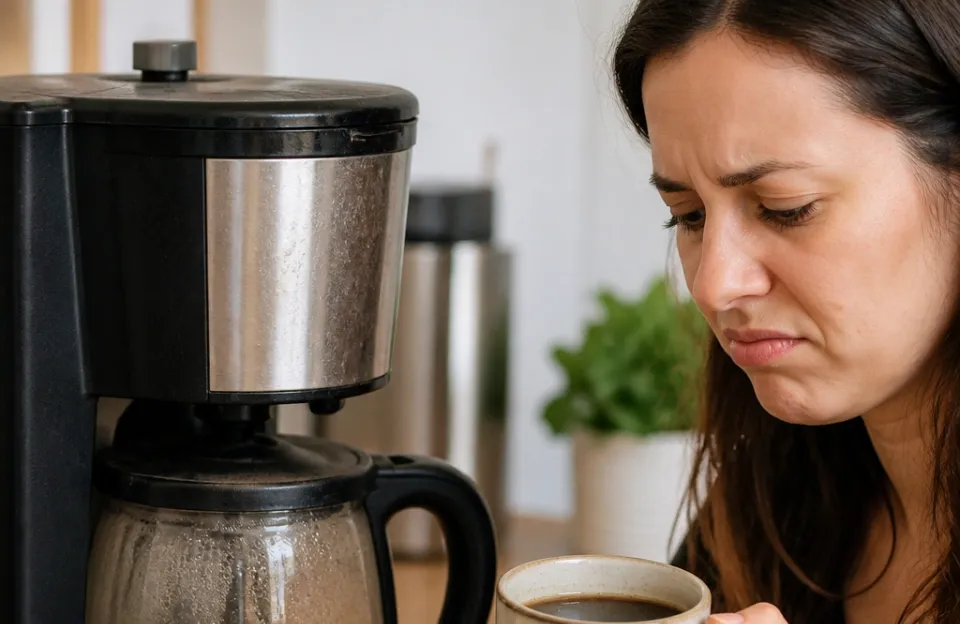
The most common reason for a harsh cup is temperature. Many budget drip machines heat water unevenly. A cheap heating element might boil the water before it hits the filter basket.
Boiling water (212°F) scorches the grounds instantly. It pulls out tannins and bitter plant fibers that should stay behind.
Time is the second major factor. If your machine drips too slowly, the water spends too much time touching the grounds. This happens often with clogged showerheads or fine paper filters.
Even if the temperature is right, sitting in the wet grounds for six or seven minutes will ruin the flavor.
Old coffee oils are the third culprit. Every time you brew, natural fats coat the inside of the carafe, the filter basket, and the spray head. Over weeks, those oils go rancid.
They mix into fresh batches and add a burnt, acrid taste. People often blame the beans when the machine itself is dirty.
Finally, leaving the pot on a glass carafe warming plate bakes the liquid. Coffee starts degrading within twenty minutes of brewing. After an hour on a hot plate, even a perfectly extracted batch tastes like charcoal.
How Water Temperature Causes Bitterness
Drip coffee makers rely on a thermoblock or a simple boiler to heat water. Better machines hold a steady 200°F. Cheaper models pulse the water.
They send up a burst of steam, then cooler water, then another burst of near-boiling liquid.
This pulsing creates uneven extraction. The boiling bursts pull out bitter compounds. The cooler pulses fail to extract the sweet, fruity acids that balance the cup.
The result is a flat, harsh drink.
You can check your machine's output without special tools. Run a brew cycle with just water. Catch the liquid in a mug right as it leaves the filter basket.
Measure it with a basic kitchen thermometer. If it reads above 205°F, the machine runs too hot. If it drops below 195°F, it will taste sour instead of bitter.
Machines certified by the Specialty Coffee Association must meet strict temperature standards. If your current brewer lacks that certification, erratic heat is highly likely. Understanding how different brewers work helps explain why some designs control heat better than others.
Pump-driven systems, for example, push water through at a steadier rate than gravity-fed drip trays.
Grind Size and Extraction Time
The size of your coffee grounds changes how fast water flows through them. Fine grounds pack tightly together. Water struggles to pass through, so it pools at the top of the filter.
While it sits there, it keeps pulling flavor out of the beans. Eventually, it extracts the bitter base notes.
If your coffee maker makes bitter coffee every single morning, look at the bag. Pre-ground coffee from the grocery store is usually milled very fine. It is ground that way so it works in espresso machines, drip pots, and pour-overs alike.
But "works in everything" means it is perfect for nothing. In a standard drip machine, fine pre-ground coffee almost always over-extracts.
A medium grind looks like coarse sand or sea salt. It allows water to flow at a normal pace. The brew cycle finishes in four to five minutes.
The water grabs the good flavors and leaves the harsh ones behind.
If you buy whole beans, adjust your grinder one step coarser. Brew a pot. Taste it.
If it still bites your tongue, go one more step. If it tastes weak or watery, you went too far. Dialing this in takes two or three tries, but it permanently fixes the bitterness caused by grind size.
Dirty Machines and Rancid Oils
Coffee beans contain lipids. These natural oils carry a lot of flavor, but they spoil quickly when exposed to air and heat. Inside a coffee maker, these oils stick to plastic and glass.
Check your filter basket. Lift it out and look at the underside. If you see dark brown or black smudges, that is old oil.
Smell it. If it smells stale or slightly fishy, it is ruining your coffee.
The showerhead (the part that sprays water over the grounds) collects buildup too. Mineral scale from hard water mixes with coffee oils to form a crust. This crust blocks some of the spray holes.
When holes get blocked, water shoots out of the remaining open holes with too much force. It drills into one spot on the coffee bed, over-extracting that small area while ignoring the rest.
Wash removable parts with warm water and dish soap after every use. Do not just rinse them. Soap breaks down the oils.
Once a month, run a cleaning cycle. Fill the reservoir with equal parts white vinegar and water. Run half the cycle.
Turn the machine off and let it sit for thirty minutes. Turn it back on and finish the cycle. Follow up with two full cycles of plain water to flush the vinegar smell.
If you prefer a dedicated cleaner, descaling powders work well. Just follow the package directions. Keeping your kitchen appliances clean applies everywhere, whether you are checking if plastics are safe for daily heating or scrubbing coffee residue out of a brew basket.
The Warming Plate Problem
Glass carafes sit on electric heating elements to stay warm. This is convenient, but it destroys flavor. Heat continues to cook the coffee even after the brewing stops.
Within fifteen minutes, the acids in the coffee break down. The bright, pleasant notes vanish. What remains are heavy, bitter compounds.
By the thirty-minute mark, the coffee often tastes burnt.
If you drink your coffee slowly, switch to a thermal carafe. Thermal pots are insulated stainless steel. They keep the liquid hot using trapped heat rather than an external burner.
The coffee never cooks further. It tastes exactly the same at minute forty-five as it did at minute one.
Many coffee makers offer both versions. If yours only has a glass pot, turn the machine off immediately after brewing. Pour what you need, then transfer the rest to a separate insulated travel mug or pitcher.
Do not leave the power button on just to keep the plate warm.
Quick Fixes for a Bitter Cup Today
If you need a better cup right now and cannot deep-clean the machine or buy new beans, try these immediate adjustments.
Use slightly less coffee. If you normally use two scoops per cup, drop to one and a half. Fewer grounds mean the water has less material to over-extract. The cup will be lighter, but the harsh edge will soften.
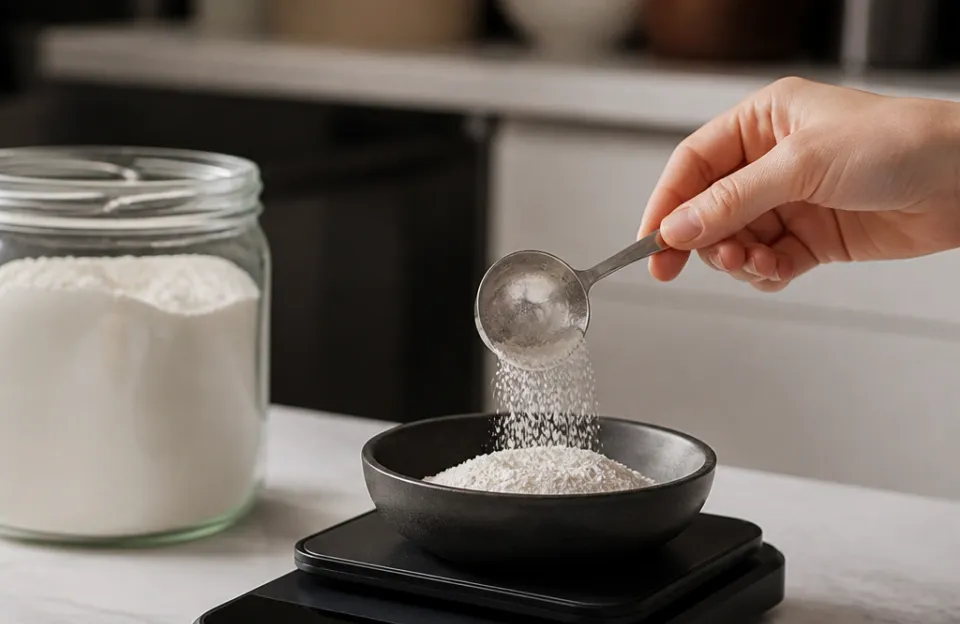
Add a tiny pinch of salt. Salt blocks bitter receptors on your tongue. Do not add enough to make the coffee taste salty. Just a few grains in the mug or directly onto the grounds before brewing.
This is a known trick among baristas to rescue a bad batch.
Switch to filtered water. Tap water with heavy chlorine or high mineral content reacts poorly with coffee grounds. Chlorine binds to organic compounds and creates sharp flavors. A basic pitcher filter removes enough chlorine to change the taste immediately.
Stop the brew early. If your machine takes six minutes to fill the pot, unplug it or hit the pause button at four minutes. The first water through the grounds carries the best flavors. The last water through carries the worst.
Cutting the cycle short leaves the bitter tail end in the filter.
Choosing a Brewer That Avoids Bitterness
Sometimes the machine is simply too old or too poorly designed to fix. Budget drip coffee makers under $30 rarely have reliable thermostats. They boil water because boiling is the easiest way for a cheap sensor to know the water is hot.
If you want to replace your current setup, look for specific traits that prevent over-extraction.
| Factor | What to Look For | Why It Matters |
|---|---|---|
| Certification | SCA Certified Home Brewer badge | Guarantees water hits 195 to 205°F consistently. |
| Carafe Type | Stainless steel thermal | Prevents baking on a hot plate. |
| Showerhead | Wide, multi-hole design | Saturates all grounds evenly instead of drilling one spot. |
| Brew Control | Adjustable strength or bloom setting | Lets you shorten contact time or pre-wet grounds. |
| Water Tank | Removable | Easier to clean, prevents hidden mold and oil buildup. |
A machine with a "bloom" phase is especially helpful. Blooming wets the grounds lightly, waits thirty seconds, then pours the rest of the water. This releases trapped carbon dioxide from the beans.
If gas escapes during the main pour, it pushes water away from the grounds, causing uneven extraction. Uneven extraction leads to a mix of sour and bitter flavors in the same cup.
When shopping for replacements, pay attention to how water moves through the system. Gravity-fed tanks behave differently than pressurized lines. Knowing which appliance fits your counter or cabinet space matters just as much for coffee makers as it does for other kitchen gear.
Measure your clearance height before buying a tall thermal-carafe model.
If you want a reliable daily brewer, look at the Bonavita Connoisseur 8-Cup. It holds an SCA certification and uses a wide showerhead to saturate grounds evenly. It also brews into a thermal carafe, eliminating the hot plate problem entirely.
The trade-off is that it lacks programmable timers. You have to press the button manually each morning.
Check current price on Amazon
For those who prefer programming their coffee the night before, the Technivorm Moccamaster KBGV Select is a benchmark. It heats water precisely and offers a switch to adjust flow rate for half-pots or full-pots. It uses a glass carafe with a specially designed hot plate that lowers its temperature after brewing to prevent scorching.
It is expensive, but it lasts for years.
Check current price on Amazon
If you are on a strict budget, the Ninja CE251 Programmable Brewer is a solid middle ground. It includes a classic hot plate but adds a "rich" or "classic" brew strength selector. The selector alters the flow rate, giving you some control over extraction time without spending over a hundred dollars.
Check current price on Amazon
Maintaining Your Machine Long Term
Fixing a coffee maker making bitter coffee once is easy. Keeping it fixed requires a schedule. Hard water accelerates mineral buildup.
If you live in an area with heavy calcium deposits, your machine needs more frequent attention.
Descaling every three months is a safe baseline. If you brew twice a day, move it to every six weeks. Use either white vinegar or a commercial descaling solution.
Never use bleach or harsh chemical cleaners. They damage internal rubber seals and leave toxic residues.
Rinse the filter basket thoroughly after every use. Paper filters catch most of the oils, but fine sediment still slips through. If you use a permanent metal mesh filter, scrub it with a soft brush and dish soap daily.
Metal filters allow more oils into the cup, which improves body but increases the risk of rancid buildup inside the carafe.
Wipe the warming plate with a damp cloth once it cools down. Spilled coffee bakes onto the metal and creates smoke. That smoke rises into the fresh pot and adds a burnt flavor.
Run a water-only brew cycle once a week. This flushes loose particles out of the internal tubes. Stagnant water sitting in the lines overnight breeds bacteria.
Flushing it out keeps the plumbing clear.
Routine maintenance applies to every countertop appliance. Whether you are verifying safe cooking methods for raw proteins or keeping a coffee reservoir free of mold, consistent cleaning prevents flavor contamination.
Common Mistakes That Cause Bitterness
People often change the wrong variable when trying to fix a bad cup. Here are the errors that waste time.
Buying darker roasts thinking they are stronger. Dark roasts are naturally more bitter. The roasting process burns off sugars and leaves carbon-heavy compounds. If your machine already over-extracts, a French Roast will taste like ash.
Switch to a medium or light roast. Lighter roasts have higher acidity, which balances out a machine that runs slightly too hot.
Leaving water in the reservoir overnight. Stale water absorbs odors from the kitchen and loses dissolved oxygen. Oxygen helps extract pleasant flavors. Flat, stagnant water produces a flat, dull cup.
Empty the tank after your morning brew. Refill it with fresh water the next day.
Using the wrong paper filter. Filters come in different thicknesses. A thick filter slows the water down, increasing brew time. If your machine already drips slowly, a thick filter pushes the extraction time into the bitter zone.
Try a thinner brand, or rinse your paper filter with hot water before adding coffee. Rinsing removes the papery taste and opens the pores slightly.
Ignoring the bean storage. Beans left in an open bag on the counter go stale in days. Stale beans lose their volatile aromatics. Without those aromatics, the only flavors left to extract are the heavy, bitter base notes.
Keep beans in a sealed, opaque container at room temperature. Do not freeze daily-use beans. The moisture from thawing ruins the cellular structure.
Matching the right accessories to your specific model prevents mechanical issues too. Just as you would verify what fits inside your basket before buying inserts, ensure your paper or metal filters match the exact dimensions of your brew basket. A filter that folds over the edges blocks water flow and causes pooling.
FAQ
Why did my coffee suddenly start tasting bitter?
A sudden change usually means the machine needs cleaning. Old oils built up inside the brew basket or carafe, or mineral scale is blocking the showerhead. Run a vinegar descaling cycle and wash all removable parts with dish soap.
If the machine is clean, check if you recently bought a darker roast or a finer grind of coffee.
Does adding more water to the reservoir dilute the bitterness?
No. Adding more water just gives the machine more liquid to push through the same amount of grounds. It extends the brew time, which actually pulls out more bitter compounds.
Always match your water volume to the correct amount of coffee. The standard ratio is one to two tablespoons of coffee per six ounces of water.
Can a cheap coffee maker ever brew non-bitter coffee?
Yes, but it requires manual intervention. Since cheap machines lack precise thermostats, you have to control the other variables. Use a slightly coarser grind, measure your water carefully, and turn the machine off the moment the brewing sound stops.
Do not let it sit on the warming plate.
Is bitter coffee safe to drink?
Yes. Bitterness from over-extraction or dirty equipment is unpleasant, but it is not toxic. However, if the bitterness comes from visible mold inside the water reservoir or a foul, rotting smell, throw the coffee away and sanitize the entire machine before using it again.
Do reusable metal filters cause more bitterness than paper?
They can. Metal filters have larger holes than paper. They let fine sediment and heavy oils pass into the carafe.
Those oils carry intense flavors. If your machine runs hot, those extra oils over-extract quickly. If you prefer metal filters for environmental reasons, use a slightly coarser grind to compensate for the faster flow.
Most cases of a coffee maker making bitter coffee trace back to heat, time, or cleanliness. You do not need to tolerate a harsh cup. Check your temperature, adjust your grind, scrub the oils away, and get off the hot plate.
A few small changes turn a biting, unpleasant pot into something smooth and worth drinking.
As an Amazon Associate, we earn from qualifying purchases.