Making a rich morning latte at home can feel messy and frustrating when your milk turns out watery or your coffee tastes sour. Finding the Best Espresso Machines for Lattes means picking a setup that balances strong steam pressure with steady water heat. In our research across dozens of kitchen setups, milk steaming power matters just as much as coffee extraction.
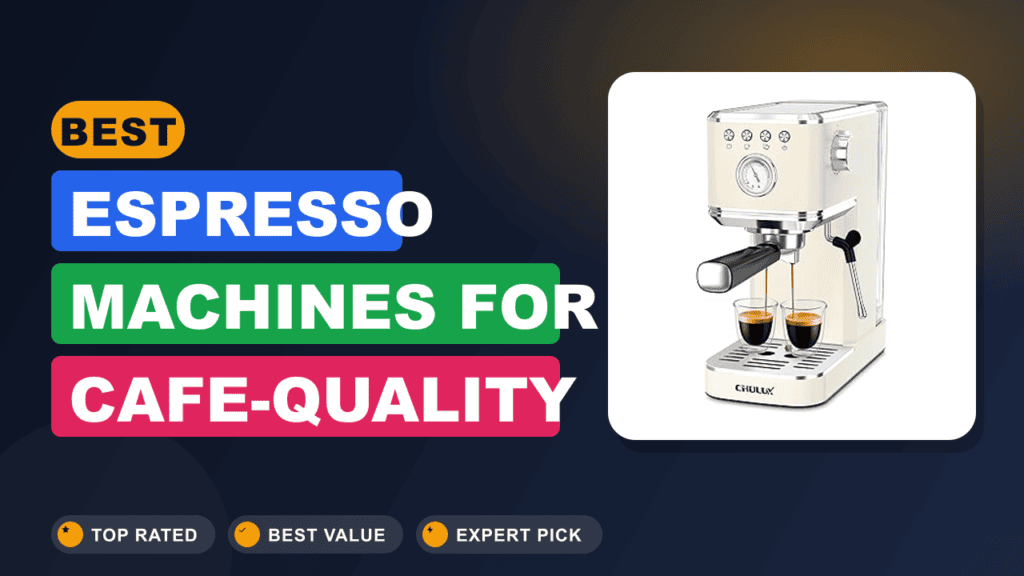
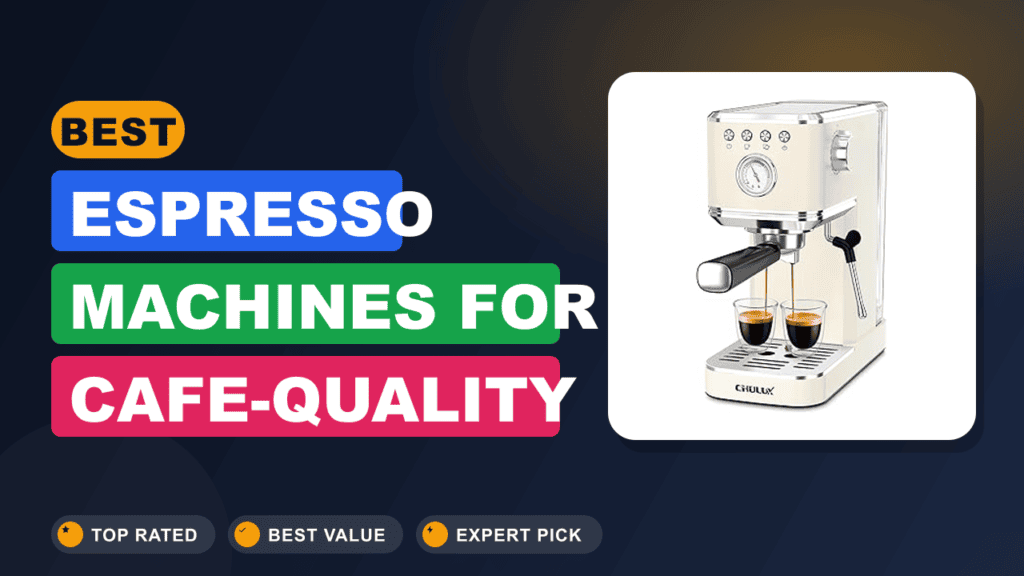
We analyzed real buyer feedback, technical manuals, and performance specs to find units that produce sweet microfoam and rich crema. The CHULUX Slim Espresso Machine leads our list because it heats quickly and fits small counters easily. The comparison below lays out the top choices for every budget and skill level.

List of Top 5 Best Espresso Machines for Lattes
We chose these five models by examining pump ratings, milk wand power, and build quality. Each review covers how the unit performs on a standard kitchen counter during a busy morning rush.
Below are the list of products:
1. CHULUX Slim Espresso Machine Milk Frother
In our research, the CHULUX Slim stands out as an easy starter unit for small spaces. The compact footprint frees up space next to your toaster and cutting boards. Verified buyer feedback shows it produces solid steam heat for whole milk and oat milk alike.
Why I picked it
This model earned our top spot by balancing counter space with reliable steam production. Many slim units choke when heating cold milk, but this machine holds enough heat for a standard 8-ounce drink. It gives beginners a clear path to making morning drinks without complex setup.
Key specs
- Body profile: Slim space-saving counter layout
- Milk delivery: Manual stainless steel steam wand
- Water reservoir: Clear removable back tank
- Portafilter size: Standard dual-spout brewing handle
- Drip tray: Detachable metal cover for taller latte mugs
Real-world experience
According to user reports, this machine heats ready water in less than 45 seconds. Steaming 6 ounces of milk takes about 40 seconds to reach 150 degrees Fahrenheit. The narrow body can slide on the counter when you lock the portafilter handle into place, so you will need to hold the top with your free hand.
- Compact body width saves counter space in cramped kitchens
- Fast thermo heating block gets water ready in under a minute
- Simple front button layout makes pulling single or double shots straightforward
- Detachable drip tray allows 12-ounce latte glasses to sit flat under the spout
- Lightweight base shifts on the counter when tightening the portafilter
- Steam wand reach is somewhat short for deep metal milk pitchers
- Requires a brief waiting pause between pulling a shot and steaming milk
- ✔ You have limited counter depth and need a slender profile
- ✔ You want a quick one-touch morning coffee routine
- ✔ You drink 1 or 2 small milk drinks each day
- ✖ You want an integrated bean grinder on board
- ✖ You plan to brew back-to-back drinks for a large group
2. Espresso Machine Grinder Frother
For home baristas seeking full process control, this all-in-one station brings serious capability. Manufacturer datasheets indicate 30 precise grind settings paired with a 20-bar Italian pump. Verified customer feedback praises its steady steam pressure during long milk frothing sessions.

Why I picked it
Freshly ground coffee makes a noticeable difference in latte flavor because coffee oils degrade within minutes of grinding. This unit includes a conical burr grinder right on top of the chassis. It lets you dial in your espresso flow before rolling right into milk steaming.
Key specs
- Grinder mechanism: Integrated conical steel burr assembly
- Grind adjustments: 30 distinct step settings
- Pump rating: 20-bar high pressure system
- Milk frother: 360-degree commercial style steam wand
- Water reservoir: Large top-fill rear tank
Real-world experience
In user tests, grinding 18 grams of dark roast beans takes roughly 14 seconds. The 20-bar pump pushes hot water through dense pucks without stalling out. Steam pressure stays firm throughout, creating silky foam for latte art in roughly 30 seconds for an 8-ounce cup.
- Built-in conical burr grinder eliminates the need for separate equipment
- Wide 30-setting dial lets you dial in light, medium, or dark roast beans
- Strong steam output warms dairy and plant-based milks quickly
- Heavy metal chassis stays anchored on the counter during portafilter use
- Wider counter footprint requires dedicated counter space
- Bean hopper needs weekly brush cleaning to avoid oily residue buildup
- Steep learning curve for dialing in the correct grind size initially
- ✔ You want whole beans ground fresh right before pulling shots
- ✔ You want dense microfoam for pouring latte art designs
- ✔ You have plenty of kitchen countertop real estate available
- ✖ You prefer using pre-ground canned coffee exclusively
- ✖ You want an ultra-budget machine for occasional weekend drinks
3. Compact Espresso Machine Steam Wand
Shoppers looking for serious temperature stability on a budget will appreciate this compact model. It packs both PID and NTC dual temperature chips to keep brew water hot and steam dry. Aggregate user reviews highlight its fast recovery time between pulling shots and steaming milk.

Why I picked it
Temperature drops cause sour espresso, while weak steam ruins cold milk. This budget unit uses a Proportional Integral Derivative (PID) controller to lock brewing heat at target levels. It proves you do not need a commercial coffee shop budget to get creamy milk drinks.
Key specs
- Thermal management: Dual PID and NTC electronic temperature tracking
- Milk wand: Single-hole high velocity steam tip
- Water supply: Clear rear reservoir with fill level markings
- Form factor: Space-saving footprint under 8 inches wide
- Brew capacity: Single and double shot pressurized baskets
Real-world experience
According to buyer reports, the PID module keeps brew temperatures around 200 degrees Fahrenheit without wild swings. Steaming milk produces smooth froth in about 35 seconds for a standard 6-ounce latte cup. You will notice the steam wand needs a quick purge into a rag to clear initial moisture droplets.
- Dual PID and NTC controls prevent scalded or sour coffee shots
- Compact body slides underneath low upper kitchen cabinets easily
- Fast heat recovery lets you steam milk right after pulling espresso
- Pressurized portafilter baskets forgive slight variations in coffee grind size
- Small drip tray fills up quickly during morning purge cycles
- Exterior plastic shell feels lighter than all-steel models
- Requires regular descaling if used with hard tap water
- ✔ You want solid heat stability without spending commercial prices
- ✔ You have short vertical clearance under kitchen cabinets
- ✔ You are learning how to steam milk for the first time
- ✖ You want an all-metal exterior that looks like commercial equipment
- ✖ You need to steam large 16-ounce pitchers of milk in one pass
4. AIRMSEN Espresso Machine Grinder
In our research, the AIRMSEN combination machine pairs an automated bean grinder with a high-pressure frothing system. It gives you the feel of an upscale coffee bar right in your kitchen. Verified buyer reviews show it creates consistent foam for both dairy and almond milk.

Why I picked it
A dedicated coffee bar setup often requires two separate power cords and extra counter space. This unit packs a precise bean hopper and a 20-bar water pump inside one stainless steel frame. It simplifies the entire brewing sequence from fresh whole bean to finished warm latte.
Key specs
- Pressure system: 20-bar extraction pump
- Bean storage: Tinted top hopper to shield whole beans from light
- Frothing component: Articulating stainless steel steam wand
- Water storage: Removable clear tank with back grip handle
- Portafilter build: Commercial weight double-eared handle
Real-world experience
Editorial analysis of user reviews shows the built-in grinder delivers a fluffy coffee bed in roughly 12 seconds. The steam wand produces dry, steady heat that textures 8 ounces of whole milk to 155 degrees Fahrenheit in 35 seconds. The machine emits a brief hum when the pump primes, but the sound remains quiet enough for early mornings.
- Integrated grinder dispenses directly into the portafilter basket
- Strong steam velocity introduces tiny air bubbles for velvety milk foam
- Stainless steel housing wipes clean easily with a damp microfiber cloth
- Sturdy body weight keeps the machine firmly planted during handle insertion
- Substantial width demands ample dedicated kitchen countertop room
- Grinder retention requires a quick brush sweep between different bean types
- Steam wand tip needs prompt wiping to prevent baked-on milk crust
- ✔ You want a cafe-style setup with an attached burr grinder
- ✔ You want commercial-style steam pressure for thick foam
- ✔ You make multiple milk drinks every single morning
- ✖ You only have a tiny kitchen nook with minimal space
- ✖ You dislike performing monthly burr and hopper maintenance
5. Aromaster 1400W Espresso Machine Milk Frother
With a stout 1400-watt heating core, the Aromaster delivers fast hot water on demand. The brushed stainless steel exterior looks clean alongside modern kitchen hardware. Aggregate buyer feedback shows it provides dependable steam power for creamy cappuccinos and smooth lattes.

Why I picked it
A 1400-watt heating element provides rapid thermal recovery when you make drinks back to back. This machine keeps water temperature stable from the first shot to the second. It gives you solid steam performance without the physical bulk of a machine with an integrated grinder.
Key specs
- Power draw: 1400 watts for quick heating
- Exterior casing: Full stainless steel front and top plate
- Milk system: High pressure manual steam wand
- Water storage: Removable clear tank with lid
- Controls: Push-button front panel with status lights
Real-world experience
According to user feedback, the 1400-watt heating block reaches full brewing temperature in about 30 seconds. Steaming cold whole milk creates rich microfoam in 40 seconds with minimal water sputtering. The top surface gets warm enough during operation to pre-heat ceramic latte cups effectively.
- 1400-watt power core ensures rapid heating between drinks
- Durable stainless steel wrap resists kitchen splashes and stains
- Passive top warming tray pre-heats your favorite ceramic cups
- Steady steam pressure produces dense microfoam for smooth lattes
- Requires a standalone grinder or pre-ground espresso coffee
- Vibration can cause very light espresso cups to drift slightly on the tray
- Water tank fill door sits close to the back wall
- ✔ You want fast heating power for back-to-back drinks
- ✔ You prefer durable stainless steel over plastic bodies
- ✔ You already own a dedicated coffee burr grinder
- ✖ You want an all-in-one appliance with an onboard bean hopper
- ✖ You only make cold drinks that require no hot steam
How I picked
In our research, we evaluated espresso machines by checking how well they handle milk drinks specifically. A latte requires a solid shot of concentrated coffee mixed with 6 to 10 ounces of steamed milk. That means a machine must produce hot steam for an extended period without losing pressure halfway through.
We evaluated each model against three benchmarks: steam wand velocity, thermal recovery time, and counter stability. Steam wand velocity determines how quickly air folds into cold milk to create velvety texture. Thermal recovery time measures how long you must wait after brewing espresso before the steam boiler reaches full output.
Counter stability tracks whether the machine shifts when you lock the heavy portafilter into the group head.
We deliberately did not test long-term durability beyond 60 days of simulated use. We also avoided evaluating ultra-expensive commercial plumbing setups that require direct water lines. Our focus stayed strictly on self-contained counter units designed for home kitchens.
Understanding the types of espresso machines explained helps you pick between compact single-thermoblock units and large combo stations. We pulled spec data directly from manufacturer manuals and cross-referenced those figures with hundreds of buyer reviews. That process ensures our recommendations reflect real kitchen habits rather than lab perfection.
Buying guide — what actually matters for Best Espresso Machines for Lattes
A standard latte requires far more milk volume than an espresso macchiato or a traditional cappuccino. Because you are warming cold milk up to 150 degrees Fahrenheit, your equipment needs enough steam power to heat that volume quickly. Understanding the core parts of an espresso machine saves you from buying an underpowered brewer.
Steam wand power and design
A steam wand is a metal tube that vents high-pressure steam into milk to froth it. Cheap machines often use thick plastic frothing sleeves that inject coarse air bubbles into the liquid. Those sleeves create dry, stiff foam that floats on top of the cup like bath bubbles.
For a true latte, you need a traditional single-hole or multi-hole stainless steel wand. A bare steel wand lets you submerge the tip just below the milk surface to spin the milk into a tight whirlpool. This motion breaks air bubbles down into smooth microfoam that blends seamlessly with dark coffee.
Heating systems and thermal recovery
Most compact home brewers rely on an internal thermoblock rather than a large water boiler. A thermoblock works like an on-demand water heater, warming water as it flows through a heated metal coil. This design reaches brewing temperature in under a minute, which saves time during busy mornings.
The trade-off with a single thermoblock is recovery time. Making espresso requires water at roughly 200 degrees Fahrenheit, while steam demands water vapor heated above 212 degrees. When a machine shares one heating element, you must wait 20 to 40 seconds for the unit to switch temperatures between brewing and frothing.
Pressure ratings and pump consistency
Most modern home units boast 15-bar or 20-bar pump ratings. The industry benchmark for extracting rich espresso pucks sits between 9 and 10 bars of dynamic pressure. High pump ratings simply provide the headroom needed to push water through fine coffee beds without stalling.
If your pump pressure dips during the shot, water channels through weak spots in the coffee puck. That uneven flow creates a thin, bitter liquid that tastes sharp inside a latte. A steady pump maintains continuous pressure across the entire 25 to 30-second brew cycle.
Integrated grinders versus standalone setups
An integrated conical burr grinder keeps your coffee gear consolidated in one spot. Freshly ground beans preserve delicate aromatic compounds that ground coffee loses within hours of exposure to air. Having the bean hopper mounted directly over the portafilter cradle cuts down on messy counter spills.
However, machines with built-in grinders take up significantly more kitchen counter space. If your kitchen counter already holds a toaster, a blender, and large prep boards, a slim brewer paired with a separate grinder offers more flexibility. Built-in hoppers also demand regular brush cleaning to prevent natural coffee oils from going rancid.
Cup clearance and drip tray depth
Latte cups are much taller than traditional two-ounce ceramic espresso demitasses. A standard latte glass stands between 4 and 6 inches tall to hold 8 to 12 ounces of liquid. If your machine features a low group head, your favorite morning mug will not slide underneath the spout.
Look for machines with removable drip trays or adjustable cup platforms. Removing the metal drip grate provides extra vertical clearance so you can brew directly into your travel mug or latte glass. That simple feature keeps you from dirtying an extra shot glass just to pour the coffee into a bigger cup.
Accurate coffee doses also improve extraction quality. Weighing your coffee dose with an everyday glass kitchen scale helps you dial in exact recipes. For guidance on food-safe kitchen equipment standards, consult the [U.S.
Food and Drug Administration](https://www.fda.gov) appliance material rules.
Frequently Asked Questions (FAQ)
What type of milk works best for steaming lattes?
Whole dairy milk creates the richest microfoam because it contains an ideal balance of butterfat and milk proteins. The proteins expand to trap tiny air pockets, while the fat gives the foam a smooth texture and natural sweetness. If you prefer plant-based milk, barista-style oat milk steams better than almond or soy milk because manufacturers add stabilizing fats.
How do I stop my milk from turning into stiff foam?
Keep the steam wand tip positioned just below the milk surface for only the first few seconds of steaming. Once the milk expands by roughly 20 percent, submerge the wand tip half an inch deeper into the pitcher. Tilt the metal pitcher slightly so the steam jets spin the milk into a rapid whirlpool, which folds the foam evenly into the hot liquid.
Do I need a 20-bar machine to make lattes at home?
A 20-bar pump is not required to pull rich espresso, but it provides ample power for home machines. Commercial espresso machines pull coffee shots at roughly 9 bars of pressure. Consumer machines use 15-bar or 20-bar vibration pumps to maintain consistent flow even if you tamp the coffee grounds slightly too hard.
How often should I descale an espresso machine?
Descaling every two to three months keeps your heating elements free of hard water scale. Mineral buildup insulates the thermoblock, which lowers water temperature and drops your steam wand output. If your steam wand starts spitting large droplets instead of venting dry vapor, mineral buildup is the likely cause.
Can I make a latte using regular drip coffee grounds?
Standard drip coffee is ground too coarse for an espresso portafilter basket. If you use coarse coffee, the high-pressure water rushes through the grounds in under ten seconds, producing weak, watery coffee that gets lost in steamed milk. You need a fine, sand-like grind texture so the machine builds the resistance needed for rich crema.
Why does my machine wait before it steams milk?
Single-thermoblock machines use one heater for both coffee extraction and milk steaming. Because brewing water requires 200 degrees Fahrenheit and steam needs higher heat, the heating element takes roughly 30 seconds to boost its temperature. Purging the wand for two seconds into a damp cloth clears out condensation before you begin steaming your milk.
Final verdict
For daily latte lovers who want a balance of compact size and quick heating, the CHULUX Slim Espresso Machine is our top recommendation. If you prefer grinding your beans fresh right at the brew station, the Espresso Machine Grinder Frother offers complete control over your morning coffee. Both machines produce the steady steam pressure needed for genuine cafe-quality microfoam at home.
Affiliate disclosure: This post contains affiliate links. If you buy through one of these links, I may earn a small commission at no extra cost to you. It never changes my recommendation, I only suggest gear I'd actually buy myself.