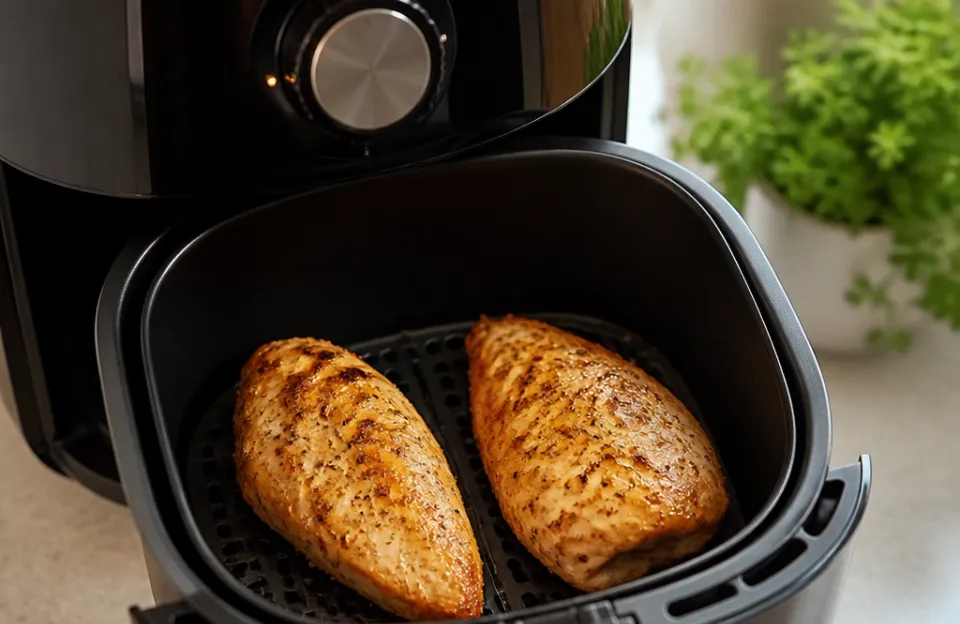
A 10-quart air fryer gives you enough room to cook for a large family or meal prep for the week without running multiple batches. That extra capacity means you can fit a whole chicken, a full tray of fries, or two different proteins side by side in models with dual baskets. If you regularly feed four or more people, this size is where you want to start shopping.
This guide covers exactly what to look for when buying one of these larger units. We will walk through basket styles, wattage requirements, control types, and counter space needs so you pick a model that fits your kitchen and your cooking habits. Understanding these details up front saves you from buying a machine that takes up too much room or doesn't cook evenly.
What to Look for When Shopping for a Large-Capacity Air Fryer
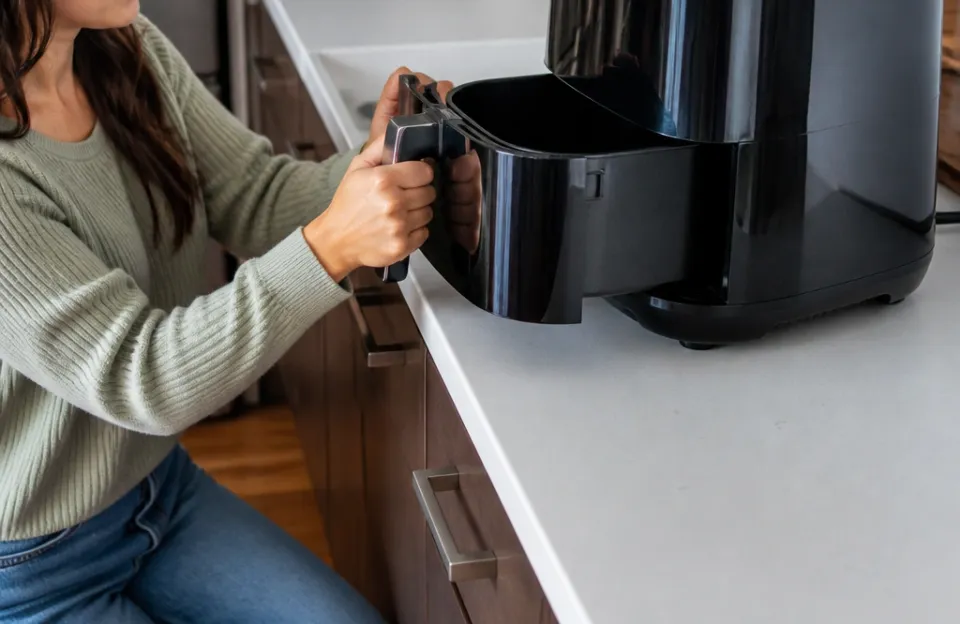
Capacity numbers on the box don't always tell the whole story. A 10-quart air fryer might use a single massive drawer, or it might split that volume into two separate 5-quart zones. The shape of the basket matters just as much as the total volume.
A tall, narrow bucket holds less surface area than a wide, shallow drawer, which affects how well food crisps. You need to match the internal layout to the types of meals you actually cook.
Wattage is another big factor. Larger machines need more power to heat all that air quickly. Most 10-quart models pull between 1700 and 1800 watts.
Anything lower struggles to maintain temperature when loaded with cold food, leading to soggy results instead of a proper crunch. Check your kitchen outlets too. A standard US 120-volt outlet handles about 1800 watts safely before tripping a breaker, so these units run near the maximum limit.
Controls range from basic analog dials to full digital touchscreens. Analog dials are simple and rarely break, but they lack precision. Digital screens give you exact temperatures and times, plus preset programs for common foods.
Presets save time if you cook the same things every week, though manual control is always better for dialing in specific recipes. If you plan to roast dense vegetables, knowing how long root vegetables take helps you adjust those presets properly.
Build quality separates cheap units from ones that last. Look for nonstick coatings free of PFAS chemicals. Heavy-duty handles that don't wobble matter when you are pulling out a basket loaded with five pounds of food.
The exterior should stay cool enough to touch during operation, especially if kids are in the kitchen.
Single Basket vs. Dual Zone Designs
The biggest decision you will make is choosing between one giant cooking space or two smaller ones that operate independently. Both setups hit that 10-quart total mark, but they behave very differently during dinner prep.
One Large Drawer for Big Cuts
Single-basket models give you uninterrupted floor space. This is the only way to go if you want to roast a 6-pound whole chicken or lay out a massive batch of pork chops without stacking them. Stacking food in an air fryer blocks airflow, so having one wide area prevents that problem entirely.
The downside is you can only cook at one temperature at a time. You can't roast meat at 400°F while gently warming vegetables at 300°F in the same drawer. Everything goes in together, which works fine for single-dish meals but limits flexibility.
When you do cook poultry in a single large zone, checking safe internal temperatures guarantees your family eats safely cooked meat every time.
Two Baskets for Complete Meals
Dual-zone 10-quart air fryers split the space into two 5-quart drawers. Each side usually has its own heating element and fan. This lets you cook a main dish and a side dish at completely different temperatures and times simultaneously.
Many models include a sync function that finishes both baskets at the exact same moment so everything hits the table hot.
You lose the ability to fit oversized items. A whole turkey breast won't fit in a 5-quart half-basket. These designs work best for families who eat varied meals with distinct components rather than one giant casserole-style dish.
Cooking crispy drumettes in one side while roasting veggies in the other makes weeknight dinners much faster.
| Design Type | Best For | Main Limitation | Typical Price Range |
|---|---|---|---|
| Single Basket | Whole chickens, large roasts, bulk batches | Only one temperature at a time | $90 to $160 |
| Dual Zone | Multi-component meals, different cook times | Cannot fit oversized single items | $130 to $230 |
Wattage, Power, and Kitchen Electrical Limits
Air fryers cook by moving superheated air rapidly around food. Moving that much air in a 10-quart chamber requires serious electrical power. Most units in this class draw 1700 to 1800 watts.
Lower-wattage models exist, but they take longer to preheat and often fail to crisp wet batters effectively.
You need to think about your home's wiring. Standard 15-amp circuits handle 1800 watts. If your air fryer pulls 1700 watts, you have almost no headroom left on that circuit.
Plugging a toaster or coffee maker into the same outlet while the air fryer runs will likely trip the breaker. Dedicated countertop circuits are ideal for these high-draw appliances.
Higher wattage also means faster recovery time. When you open the basket to shake your fries, cold room air rushes in. A powerful 1800-watt element brings the temperature back up in seconds.
A weaker unit drops the heat significantly, turning crispy edges soggy before the element catches up. If you frequently prepare batch-cooked wings, strong wattage keeps the skin blistered and crisp across every single batch.
Physical Footprint and Counter Space Reality
Ten quarts of cooking space requires a physically large appliance. These machines are heavy and wide. Before buying, measure your available counter space carefully.
Expect a footprint roughly 15 to 17 inches wide and 14 to 16 inches deep. Height varies wildly depending on the style.
Basket-style models tend to be shorter but deeper because the drawer slides straight out toward you. You need several inches of clearance in front of the machine to fully extend the basket without it tipping off the counter. Oven-style models with front-hinged doors are taller, sometimes reaching 15 inches high, which might not clear low upper cabinets.
Ventilation is mandatory. The exhaust fan pushes very hot air out of the back or top of the unit. Pushing a 10-quart air fryer flush against a wall or underneath a wooden cabinet risks heat damage over time.
Leave at least five inches of space behind and above the machine. Weight is another factor. Empty, these units weigh 15 to 20 pounds.
Loaded with food, they get much heavier. Flimsy rolling carts or glass-top tables aren't safe places to operate them.
Control Panels and Daily Usability
The interface determines whether you actually enjoy using the machine or find it frustrating every night. Basic models use two mechanical dials: one for time, one for temperature. They click satisfyingly and rarely malfunction.
However, mechanical timers max out at 60 minutes, which isn't enough for slow-roasting tough cuts of meat.
Digital touchscreens dominate the 10-quart market. They offer precise minute-by-minute adjustments and temperature settings down to 5-degree increments. Look for screens angled slightly upward.
Flat screens on top of the machine force you to lean over hot exhaust vents just to change the timer. Bright LED displays are easier to read from across the kitchen than dim LCD panels.
Presets are programmed shortcuts for foods like fries, chicken, fish, or baked goods. They set a default time and temperature based on average cooking conditions. They work well for frozen convenience foods.
Fresh ingredients vary too much in size and moisture content for presets to be perfectly accurate every time. Treat them as starting points, then adjust manually. Knowing proper timing for fresh salmon prevents you from relying blindly on a generic "fish" button that might dry out your dinner.
Cleaning Requirements for Extra-Large Baskets
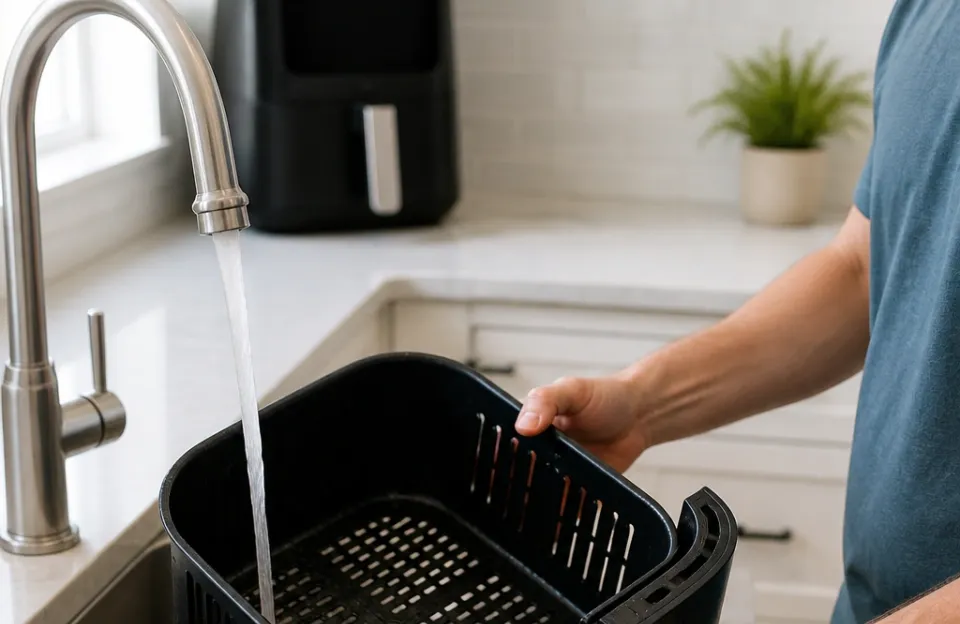
Bigger baskets mean more surface area to scrub. Nonstick coating quality dictates how much effort cleanup takes. Cheap coatings scratch easily and lose their slickness after a few months of heavy use.
Ceramic-based nonstick coatings generally last longer and withstand higher heat without degrading.
Check if the basket and crisper plate are dishwasher safe. Most manufacturers claim they are, but the intense heat and harsh detergents in dishwashers wear down nonstick surfaces prematurely. Hand washing with warm soapy water and a soft sponge extends the life of any air fryer basket significantly.
The main unit housing the heating element cannot get wet. Grease splatters inevitably land on the interior ceiling near the coil. Wiping this down after it cools prevents smoke during future uses.
Dual-basket models double the washing workload. You have two drawers and two crisper plates to clean instead of one. Some brands design their crisper plates to nest inside each other for easier storage, which helps if cabinet space is tight.
Always let the baskets cool completely before plunging them into water. Thermal shock warps thin metal bases, causing the basket to sit unevenly and cook poorly.
Brands Known for Reliable 10-Quart Models
Several manufacturers consistently produce solid large-capacity machines. Ninja dominates the dual-zone category with their Foodi line. Their 10-quart two-basket models are widely praised for even heating and durable build quality.
The sync function on Ninja units reliably finishes both sides together, which is harder to engineer than it sounds.
Cosori offers excellent single-basket and dual-basket options at slightly lower price points. Their digital interfaces are clean and responsive. Cosori's square basket design maximizes usable floor space compared to older round buckets.
Instant Pot expanded beyond pressure cookers into air frying, and their Vortex Plus 10-quart oven-style models appeal to people who prefer seeing their food through a window while it cooks.
PowerXL and Chefman fill the budget end of the market. You get the capacity for less money, but the plastics feel thinner and the fans tend to run louder. For occasional use or tight budgets, they work fine.
For daily heavy cooking, spending more upfront on a Ninja or Cosori usually pays off in longevity. If you already own a compact model like the bella slim design, stepping up to a 10-quart version from the same brand makes the transition familiar.
Who Actually Needs This Much Capacity
A 10-quart air fryer is overkill for one or two people unless you strictly meal prep once a week. Singles and couples usually find 4 to 6 quarts plenty. Jumping straight to 10 quarts wastes counter space and electricity for small portions.
The heating element has to work hard to circulate air in a mostly empty chamber, which can dry out small amounts of food faster than expected.
Families of four to six benefit the most. You can cook enough protein and sides for everyone in a single cycle. Batch cooking becomes practical.
Roasting three pounds of broccoli for the week takes one pass instead of three. People who entertain frequently or host game nights love the volume. Frying large batches of wings or appetizers keeps guests fed without standing over a stove.
Those living in RVs or tiny apartments should reconsider. The physical dimensions and power draw clash with limited spaces and older electrical systems. Measure twice before committing.
Even if you cook large batches of crispy bacon strips, a smaller unit might suffice if you don't mind doing two quick rounds.
Hidden Tradeoffs of Going Big
More capacity introduces problems smaller units don't have. Noise is the first thing buyers notice. Moving air through a 10-quart chamber requires a larger, faster-spinning fan.
These machines sound like loud hair dryers running on your counter. If your kitchen flows into a living room where people watch TV, the noise level matters.
Heat output is significant. A 1700-watt appliance dumps a lot of thermal energy into the room. In summer, running a large air fryer noticeably warms a small kitchen, forcing your AC to work harder.
Smaller units generate less ambient heat simply because they use less total power.
Storage becomes a chore. When not in use, a 10-quart machine eats up prime real estate. Leaving it on the counter permanently crowds out prep space.
Putting it away means lifting 18 pounds in and out of a cabinet repeatedly. Many owners leave them out purely because moving them is annoying. Consider where it lives permanently before clicking buy.
Frequently asked questions
Can a 10-quart air fryer fit a whole chicken?
Yes, a single-basket 10-quart model easily fits a 5 to 6-pound whole chicken. Dual-zone models split the space into two 5-quart sections, which restricts the width. You can fit a smaller 3 to 4-pound bird in one side of a dual basket, but large roasters require the single-drawer design.
Does a bigger air fryer use significantly more electricity?
It draws more power per hour than a small one, typically 1700 watts versus 1400 watts for a 4-quart unit. However, because it cooks larger batches at once, you run it fewer times. Total energy usage for feeding a family often balances out or drops slightly compared to running a small unit twice.
Are 10-quart air fryers too loud for open-concept kitchens?
They are noticeably louder than smaller models due to the larger fan required for air circulation. Expect noise levels similar to a microwave or a blender on a low setting. If silence is critical during dinner prep, look for reviews specifically mentioning fan noise before purchasing.
How do I choose between digital controls and manual dials?
Choose digital if you want precise temperatures, programmable timers longer than 60 minutes, and automatic shut-off alerts. Pick manual dials if you prefer extreme simplicity, lower cost, and fewer electronic parts that could potentially fail over years of heavy use.
Is it safe to put a 10-quart air fryer under low cabinets?
You need at least five inches of clearance above the exhaust vent. Many 10-quart models vent hot air from the rear or top. Placing one directly under low wooden cabinets risks heat damage or discoloration over time.
Pull the unit forward to the edge of the counter during operation if overhead space is tight.
Do I really need 10 quarts if I only cook for two people?
Probably not. A 10-quart machine takes up substantial space and costs more to run. Unless you dedicate one day a week to heavy meal prepping, a 6-quart model handles two-person portions much more efficiently without leaving the basket mostly empty.
Making the Right Call for Your Kitchen
Picking the right 10-quart air fryer comes down to matching the machine's physical reality with your actual cooking habits. Don't buy based solely on the promise of never cooking in batches again. Buy it because you genuinely need to roast large cuts of meat or feed five people simultaneously on a Tuesday night.
Measure your counters first. Verify your electrical outlets can handle 1800 watts without sharing the circuit. Decide if you value the flexibility of dual zones or the raw space of a single drawer.
Once you know those answers, the field narrows quickly. Whether you are upgrading from a smaller model or exploring oven-style alternatives, keeping these practical constraints in mind stops buyer's remorse before it starts.