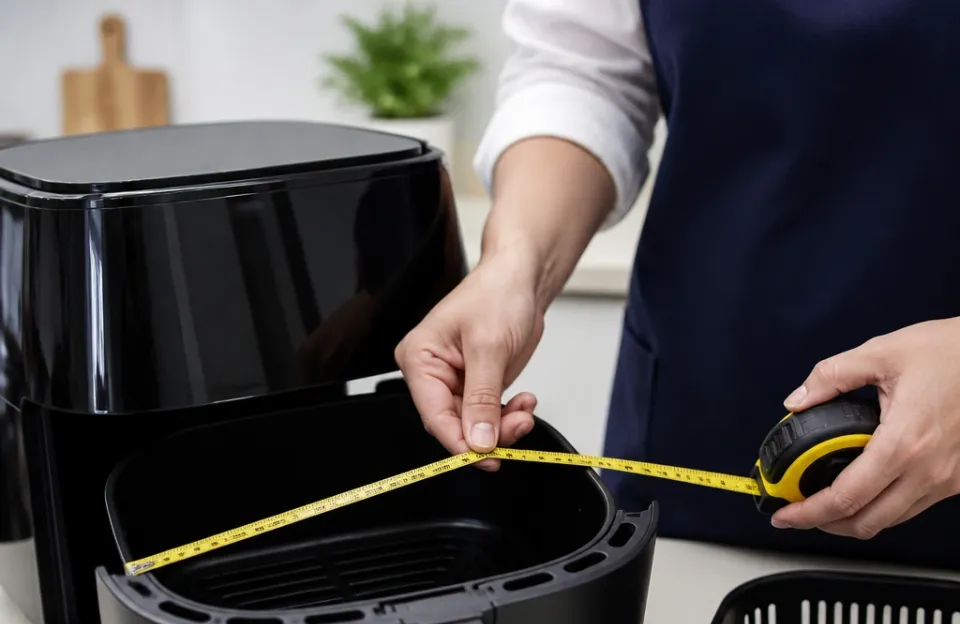
You don't always need to thaw food before air frying. Many frozen items cook perfectly straight from the freezer, and skipping the thaw step can give you a crispier exterior. The right approach depends entirely on what you're cooking.
Thin items like fries or chicken nuggets go in frozen. Thick cuts of meat usually need to thaw first so the inside cooks safely before the outside burns.
Figuring out whether to thaw food before air frying comes down to three things: thickness, density, and food safety. A thin fish fillet behaves differently than a solid block of ground beef. This guide breaks down exactly which foods stay frozen, which ones need time in the fridge, and how to adjust your cooking method for both.
Why Frozen Food Reacts Differently in Rapid Hot Air
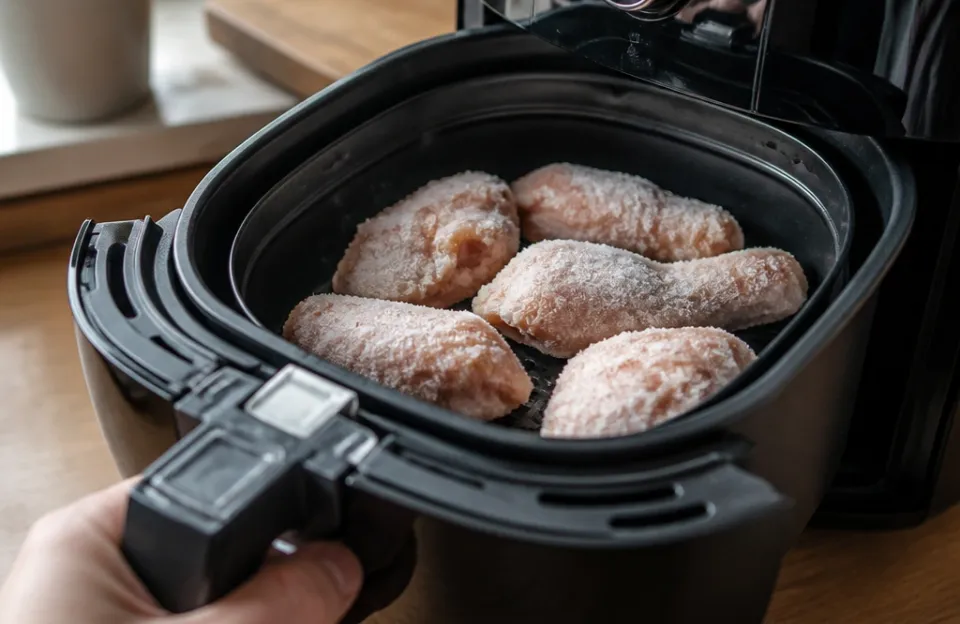
Air fryers work by circulating very hot air around food at high speed. When you put frozen food into that environment, the outside surface heats up immediately. Ice crystals on the exterior turn to steam.
That rapid moisture loss is what creates a crispy crust.
The problem starts when the food is thick. Heat takes time to travel from the outside surface to the center. If a piece of meat is two inches thick and rock solid, the outside will overcook long before the middle reaches a safe temperature.
You end up with charred edges and a raw core.
Thinner foods don't have this issue. The heat penetrates all the way through quickly enough that the center cooks while the outside crisps. That's why frozen french fries work beautifully without any prep.
Understanding this basic heat transfer explains almost every rule about cooking frozen food.
The Science of Ice Crystals and Moisture Loss
Frozen food holds water as solid ice. When that ice hits 400°F air, it sublimates or melts rapidly into steam. This sudden burst of moisture can interfere with browning if there's too much of it.
Foods with heavy ice glazes, like some frozen shrimp, release a lot of water. That excess liquid pools in the basket and steams the food rather than roasting it.
Patting frozen items dry with a paper towel before they go into the basket removes surface frost. This small step makes a noticeable difference in texture. It gives the hot air direct contact with the food surface instead of wasting energy melting a layer of ice first.
How Thickness Dictates Your Starting Temperature
A good rule is that anything under one inch thick can usually start frozen. Anything over one and a half inches thick needs to be thawed. Between those measurements, you have to lower the cooking temperature and add time.
If you try to force a thick, frozen pork chop at 400°F, the outside dries out completely. Lowering the heat to 360°F slows down the exterior cooking just enough to let the center catch up. You still might get uneven results, but it prevents burning.
Which Foods Go Straight From Freezer to Basket
Plenty of everyday staples are designed to be cooked from frozen. Manufacturers par-cook or flash-freeze them specifically so they crisp up fast. You don't need to do you need to thaw food before air frying when dealing with these categories.
Frozen Vegetables and Root Crops
Broccoli florets, diced bell peppers, and green beans cook well from frozen. They are small enough that heat reaches the center in minutes. Toss them with a little oil and seasoning directly in the basket.
Stir them halfway through.
Potatoes are another great example. Whether you buy bags of frozen diced potatoes or make your own batches ahead of time, knowing how long spuds need inside the machine helps you dial in the exact timing. The freezing process actually changes the starch structure slightly, which can lead to fluffier interiors once cooked.
Root vegetables like carrots or parsnips take longer because they are denser. Cut them small before freezing if you plan to cook them from solid. Large frozen carrot chunks will burn on the outside while staying hard in the middle.
Breaded Items and Pre-Cooked Snacks
Mozzarella sticks, chicken nuggets, egg rolls, and breaded fish sticks belong in the frozen category. The breading acts as an insulator. It protects the inside from drying out while the exterior gets crunchy.
Thawing these items ruins the coating. It turns soggy and slides off during cooking.
Lay them in a single layer. Overcrowding traps steam between the pieces. Steam softens the breading.
Give each piece space so the hot air circulates freely. Flip them once halfway through the cook time.
Store-Bought Frozen French Fries
Bagged fries are partially fried before freezing. They already have a set crust. Putting them in the air fryer frozen finishes that crust.
Thawing them first turns them into limp, wet potato strips.
Shake the basket every five minutes to prevent sticking. Check the package for suggested temperatures, then drop that number by about 25°F since air fryers run hotter and faster than deep fryers. Getting that perfect golden crunch on potatoes relies heavily on starting with frozen fries and keeping the basket moving.
Foods That Absolutely Require Thawing First
Some items pose safety risks or quality disasters if you skip the thaw step. Dense proteins and large cuts fall into this group.
Thick Raw Chicken Breasts and Bone-In Pieces
A whole frozen chicken breast is dense. It has no holes for air to pass through. If you put it in at 400°F, the outside cooks in ten minutes.
The inside stays frozen for another twenty. By the time the center hits 165°F, the exterior is dry and stringy.
Bone-in pieces are even worse. Bone conducts heat differently than muscle tissue. The meat near the bone stays cold much longer.
Thaw these in the refrigerator overnight before cooking. Once thawed, getting the timing right for white meat pieces means you won't overcook them trying to compensate for a cold center.
Whole Fish and Thick Salmon Portions
Thin fish fillets can go in frozen. A thick salmon steak cannot. The dense flesh holds cold too stubbornly.
The outside flakes apart and dries out while the center remains translucent and raw.
Thawing fish in the fridge keeps the texture intact. If you are short on time, seal the fish in a plastic bag and submerge it in cold water. Change the water every thirty minutes.
Never use warm water. Warm water pushes the outer layers into the bacterial danger zone while the inside is still frozen. Planning ahead and understanding how many minutes thicker cuts need prevents ruined dinners.
Ground Meat Blocks and Sausages
A solid brick of frozen ground beef won't brown properly in an air fryer. It steams in its own juices as it slowly thaws from the outside in. You can't break it apart to season it evenly.
Thaw it first so you can form patties or crumble it.
Sausages are tricky. Thin breakfast links often cook fine from frozen. Thick Italian sausages or bratwursts need to thaw.
The casings split if the inside expands too fast from frozen to boiling. Thawing keeps the casing intact and allows the fat to render slowly.
| Food Type | Cook From Frozen? | Required Prep | Main Reason |
|---|---|---|---|
| French Fries | Yes | None | Par-cooked, thin shape |
| Chicken Nuggets | Yes | None | Small size, pre-breaded |
| Broccoli Florets | Yes | Oil toss | Small, low density |
| Thick Chicken Breast | No | Fridge thaw overnight | Too dense, dries out |
| Salmon Steak | No | Cold water bath or fridge | Uneven heat penetration |
| Ground Beef Block | No | Full thaw | Cannot season or crumble |
| Mozzarella Sticks | Yes | None | Breading needs frozen core |
| Thick Sausage | No | Fridge thaw | Casings split from expansion |
Adjusting Time and Heat for Frozen Ingredients
When you decide not to thaw food before air frying, you have to change your settings. You can't use the same temperature and time you would for fresh food.
Dropping the Temperature to Prevent Burning
Lower your target temperature by 25°F to 50°F compared to the fresh recipe. If fresh chicken wings cook at 400°F, start frozen ones at 375°F. This slower heat application gives the interior time to warm up without scorching the skin.
You can use a two-stage approach. Start at a lower temperature for the first half of the cooking time to defrost and gently cook the inside. Then crank the heat up for the last few minutes to crisp the exterior.
This mimics the reverse-sear method used in traditional ovens.
Adding Extra Minutes to the Clock
Expect to add roughly 50% more time when cooking from frozen. A recipe that takes 12 minutes for fresh food will likely take 18 minutes for frozen. This isn't a strict rule, just a starting point.
Always check early.
Use a meat thermometer. It's the only reliable way to know if the center is done. Visual cues fail with frozen-start foods because the outside looks finished long before the inside is safe.
The USDA recommends cooking poultry to 165°F and ground meats to 160°F for safety. You can verify these standards on the FDA food safety guidelines page.
Handling Frozen Chicken Wings Without Thawing
Wings are a special case. People constantly ask if they need to thaw them. You can cook wings from frozen, but they require attention.
They are small enough that heat penetrates relatively fast, yet they have skin that needs to crisp.
Start them at a lower temperature, around 360°F, for about fifteen minutes. This renders the fat slowly and thaws the meat near the bone. Then increase the heat to 400°F for another ten to twelve minutes.
This final blast puffs up the skin.
Tossing frozen wings in baking powder before cooking draws out moisture and aids browning, even on frozen skin. Learning the right approach for crispy bird parts from frozen saves hours of waiting for them to defrost on the counter. Just make sure they aren't clumped together in a giant frozen ball.
Separate them as they soften during the low-heat phase.
Safe Thawing Methods When You Decide to Wait
If your food falls into the "must thaw" category, do it safely. Leaving meat on the kitchen counter invites bacterial growth. The outer layers reach room temperature while the center is still ice.
Bacteria multiply rapidly between 40°F and 140°F.
Refrigerator Defrosting
This is the safest method. Move the food from the freezer to the fridge 24 hours before you plan to cook it. Place it on a plate or tray to catch drips.
Raw meat juices contaminating other foods is a major cause of foodborne illness.
A standard pound of chicken breasts takes about 24 hours in the fridge. A larger roast might take two days. Plan accordingly.
Once thawed in the fridge, the food stays safe for another day or two before cooking.
The Cold Water Shortcut
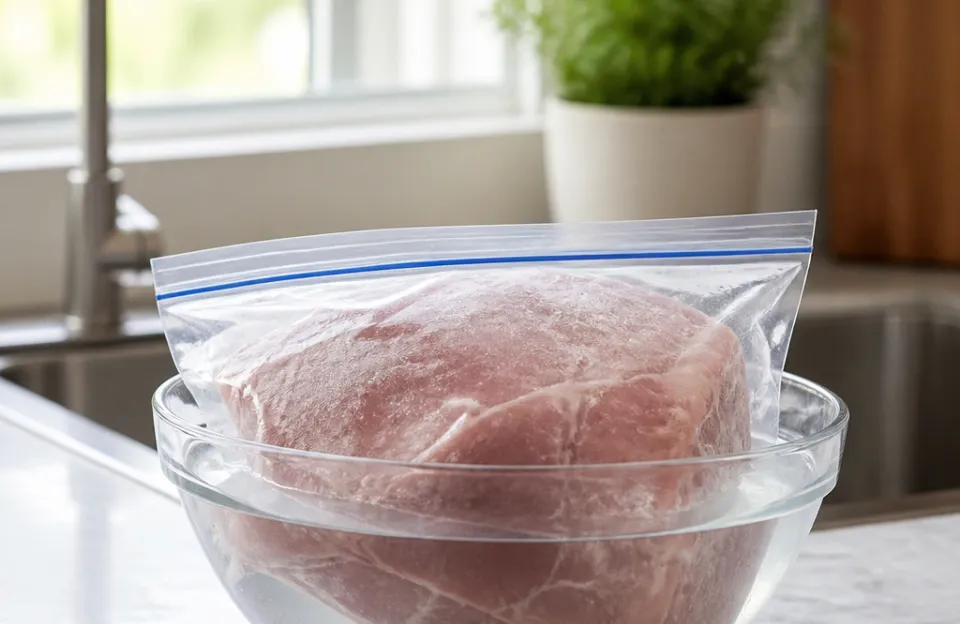
If you forgot to move the meat yesterday, use cold water. Put the food in a leak-proof plastic bag. Submerge it in a bowl of cold tap water.
Change the water every 30 minutes to keep it cold.
A pound of meat thaws in about an hour using this method. You must cook it immediately after it thaws. Don't put it back in the fridge.
The surface temperature rises higher than standard fridge temps during the water bath, so bacteria may have started growing.
Never use hot water. It cooks the outside of the meat while leaving the inside frozen, creating a massive food safety hazard.
Using the Microwave Defrost Setting
Microwaves have a defrost setting for a reason. It uses low power pulses to melt ice without cooking the protein. It works, but it's uneven.
Edges often start turning gray and cooking while the middle remains solid.
If you use the microwave to thaw, cook the food immediately afterward. Don't let it sit. The partial heating creates ideal conditions for bacteria.
It's the fastest method, but it yields the worst texture. Use it only when you're in a rush.
What Happens to Texture When You Skip Thawing
Texture changes are inevitable when you bypass the thaw step. Sometimes the change is good. Sometimes it ruins the dish.
Vegetables lose their snap. The ice crystals formed during freezing puncture cell walls. When you cook them rapidly from frozen, they release water and soften faster than fresh vegetables.
They won't be mushy if you don't overcook them, but they won't have the firm bite of fresh produce either.
Meats cooked from frozen tend to be slightly drier. The extended time in the hot air evaporates more internal moisture. Brining or marinating thawed meat replaces that moisture.
You can't brine a frozen block. This is why thick steaks or chops should always be thawed and seasoned before hitting the basket.
Breaded items benefit from staying frozen. The cold interior keeps the breading attached. If you thaw a breaded pork cutlet, the moisture from the meat seeps into the crumbs.
The coating becomes a paste. It never crisps up. It just browns into a soft shell.
Common Mistakes People Make With Frozen Air Fryer Meals
Skipping the thaw step causes problems when applied to the wrong foods. But even with the right foods, execution errors happen frequently.
- Overcrowding the basket. Frozen food releases more steam than fresh food. Piling items on top of each other traps that steam. Everything turns soggy. Cook in batches if necessary.
- Forgetting to shake or flip. Fresh food needs flipping. Frozen food needs it more. The side resting against the basket stays cold longer. Flipping exposes all surfaces to the heating element equally.
- Using the fresh recipe time. Assuming a frozen chicken breast takes the same 15 minutes as a thawed one leads to undercooked meat. Always add time and verify with a thermometer.
- Not preheating the machine. Some models need preheating; others don't. For frozen food, a preheated basket shocks the exterior immediately, starting the crisping process faster. Check your manual.
- Seasoning too early. Salt draws out moisture. If you salt a frozen item immediately, it pulls water to the surface as it thaws in the heat. That water prevents browning. Season halfway through the cook time, or use an oil spray to help spices stick to the frozen surface.
- Ignoring ice glaze. Cheap frozen shrimp or fish often have a thick layer of ice added for weight and protection. That ice melts into a puddle in the basket. Rinse heavy glazes off quickly under cold water and pat dry before cooking.
Frequently asked questions
Can you put raw frozen meat directly in the air fryer?
Yes, but only if the cut is thin. Burgers, thin steaks, or small chops can go in frozen if you lower the temperature by 25°F and extend the cooking time by about 50%. Thick roasts or whole chickens should never go in frozen.
The outside will burn before the center reaches a safe temperature. Always verify doneness with a meat thermometer.
Does cooking from frozen change the taste of the food?
It can slightly alter the texture, which affects how you perceive the taste. Meats cooked from frozen tend to be a bit drier because they spend more time exposed to hot air. Vegetables might be softer.
However, heavily seasoned or breaded items like nuggets or fries taste virtually identical whether thawed or frozen. Proper seasoning halfway through cooking minimizes flavor loss.
Is it safe to air fry frozen chicken without thawing?
It is safe as long as the internal temperature reaches 165°F throughout the entire piece. Small items like wings or tenders cook evenly enough from frozen to be safe. Large, bone-in breasts are risky because the bone insulates the surrounding meat, keeping it cold too long.
Use a digital probe thermometer to confirm the thickest part is fully cooked.
Do frozen vegetables need oil if they are going in frozen?
Adding a light coat of oil helps frozen vegetables brown instead of just steaming. Without oil, the rapid moisture release leaves them pale and soft. Toss them in a bowl with a tablespoon of oil before putting them in the basket.
Don't spray aerosol non-stick sprays directly onto the basket, as the propellants can damage the non-stick coating over time.
Why did my frozen food come out soggy in the middle?
Sogginess happens when steam gets trapped. This usually means the basket was too full or the temperature was too low to evaporate the moisture quickly enough. Frozen food releases significantly more water than fresh food.
Space the pieces out so air flows between them. Increase the heat slightly for the last few minutes to drive off remaining surface moisture.
Should I preheat the air fryer for frozen food?
Preheating is highly recommended for frozen items. A hot basket immediately starts searing the exterior, locking in the texture and preventing sticking. If you drop frozen food into a cold basket, it slowly melts and warms up with the machine, resulting in a steamed texture rather than a roasted one.
Three to five minutes of preheating at your target temperature is usually sufficient.
Before You Fire Up the Machine
Deciding whether you need to thaw food before air frying isn't a guessing game. Look at the thickness and density of what you're holding. Small, thin, or breaded items go straight from the freezer to the basket.
Thick cuts of raw meat, dense root vegetables, and large blocks of protein need a safe thaw in the refrigerator first.
Adjust your expectations when cooking from frozen. Drop the temperature, add time, and keep the basket uncrowded. A digital thermometer removes the guesswork entirely.
Once you learn how different foods react to that rapid hot air, you'll stop waiting hours for things to defrost that were perfectly fine going in frozen.